Mental Matters

Author name: admin

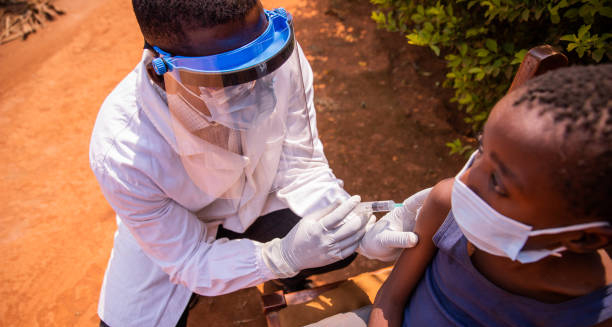
Healthcare worker administering cholera vaccine to a child wearing a face mask

Treatment of Cholera

Treatment of Cholera Treatment of cholera is centred on rapid rehydration. Timely and effective cholera management saves lives, even in severe cases, and is especially important in resource-poor settings or during outbreaks. 1. Oral Rehydration Therapy (ORT) The cornerstone of cholera treatment is oral rehydration salts (ORS), which replace lost fluids and electrolytes. ORS packets are dissolved in clean water and taken frequently in small sips. Homemade solutions with salt, sugar, and water may be used when ORS isn’t available. 2. Intravenous (IV) Fluids For patients who are severely dehydrated or unable to drink, IV fluids are essential. Ringer’s lactate solution is preferred due to its electrolyte content. 3. Antibiotics | Treatment of Cholera Antibiotics are not always necessary but may shorten illness and reduce bacterial shedding. Common choices include: They are most often used in severe cases, during outbreaks, or in vulnerable individuals. 4. Zinc Supplementation In children, zinc reduces the duration and severity of diarrhoea. It is often given alongside ORS. 5. Nutrition and Ongoing Care Patients should resume eating as soon as possible to aid recovery. Continued breastfeeding is encouraged for infants. 6. Hospitalisation Criteria | Treatment of Cholera Admission is required if the patient: Proper treatment of cholera, particularly aggressive rehydration, can bring full recovery within days and prevent fatalities — even in high-risk cases. [Next: Complications and Recovery from Cholera →]

Treatment of Cholera Read More »

Illustration of a woman feeling nauseous and clutching her stomach due to cholera

Complications and Recovery from Cholera

Complications and Recovery from Cholera Complications and recovery from cholera depend largely on how quickly treatment is started. With timely intervention, most people with cholera recover completely within a week. However, delays or lack of access to medical care can result in serious, life-threatening outcomes. 1. Severe Dehydration and Shock The most dangerous complication is hypovolaemic shock, where fluid loss leads to dangerously low blood pressure and organ failure. It can cause: 2. Electrolyte Imbalances As the body loses potassium, sodium, and chloride through diarrhoea and vomiting, symptoms may include: Electrolyte correction through ORS or IV therapy is critical. 3. Kidney Damage | Complications and Recovery from Cholera In prolonged or untreated cases, the kidneys may fail due to poor blood flow. This condition, known as acute renal failure, may require dialysis. 4. Malnutrition Children with cholera may suffer long-term nutritional setbacks, especially if diarrhoea lasts more than a few days or is recurrent. 5. Death Without treatment, cholera has a fatality rate of up to 50%. With treatment, that drops to under 1% — highlighting the importance of rapid medical care. 6. Recovery Timeline | Complications and Recovery from Cholera With proper treatment: 7. Preventing Future Infections Recovery does not offer long-term immunity. Preventative strategies include: Understanding the complications and recovery from cholera is vital — not just for managing patients, but also for controlling outbreaks and preventing future deaths. [Next: Back to Overview →]

Complications and Recovery from Cholera Read More »

Woman experiencing abdominal pain due to chlamydia infection

Chlamydia

Chlamydia – Overview   Chlamydia is a common sexually transmitted infection (STI) caused by the bacterium Chlamydia trachomatis. This often shows no symptoms, which means many people carry and spread the infection without realising they have it. Despite its silent nature, if left untreated, it can lead to serious reproductive health problems — especially in women. This condition is primarily transmitted through unprotected vaginal, anal, or oral sex. It can affect both men and women and is particularly prevalent among sexually active teenagers and young adults under the age of 25. The infection can also be passed from mother to child during childbirth, potentially leading to eye infections or pneumonia in newborns. Because symptoms are often absent, regular STI screening is essential for sexually active individuals. When symptoms do appear, they may include pain during urination, unusual genital discharge, pelvic pain, and testicular swelling. Chlamydia Fortunately, this is easily treated with antibiotics, usually a single dose or short course of oral medication. Once detected and treated, the infection typically clears up without long-term complications. However, untreated it can cause pelvic inflammatory disease (PID), infertility, and an increased risk of ectopic pregnancy in women. Chlamydia is preventable through consistent condom use, regular screening, and prompt treatment of sexual partners. Education and open conversations about sexual health play a crucial role in reducing its spread. [Next: Causes of Chlamydia →]

Chlamydia Read More »

Woman sitting on bed after sexual activity representing chlamydia transmission

Causes of Chlamydia

Causes of Chlamydia Causes of chlamydia are directly related to transmission of the bacterium Chlamydia trachomatis. Understanding the causes of chlamydia is important not only for preventing infection but also for reducing the risk of complications and reinfection. 1. Sexual Transmission The primary cause of chlamydia is unprotected sexual activity. The bacteria are spread through: Even if ejaculation does not occur, the infection can still be transmitted through genital contact. 2. Lack of Condom Use | Causes of Chlamydia Condoms provide a barrier that reduces the risk of transmission. Not using protection during sexual activity — particularly with new or multiple partners — significantly increases the risk. 3. Multiple Sexual Partners The more sexual partners an individual has, the greater the chance of encountering someone with chlamydia, especially if regular screening and protection are not in place. 4. Transmission During Childbirth An infected mother can pass the bacteria to her baby during delivery. This can result in serious complications for the newborn, such as: 5. Re-infection | Causes of Chlamydia Having chlamydia once does not protect you from getting it again. Re-infection is common, especially if sexual partners are not treated at the same time. It’s important to abstain from sex until treatment is completed by both partners. 6. Shared Sex Toys Using sex toys without proper cleaning or condom use can also spread chlamydia from one person to another. 7. Social and Demographic Factors Younger age, limited access to healthcare, and lack of sexual health education are all associated with higher rates of infection. The causes of chlamydia revolve around sexual transmission, but the real challenge lies in its silent spread. Promoting screening, communication, and safe sex practices are key in controlling the infection. [Next: Symptoms of Chlamydia →]

Causes of Chlamydia Read More »

Man holding groin area indicating pain from chlamydia symptoms

Symptoms of Chlamydia

Symptoms of Chlamydia Symptoms of chlamydia can be difficult to recognise because the infection often causes no noticeable signs. In fact, up to 70% of women and 50% of men with chlamydia may have no symptoms at all. Still, understanding the possible signs is essential for early diagnosis and preventing serious complications. 1. Symptoms in Women When symptoms do appear in women, they may include: If untreated, chlamydia can spread to the uterus and fallopian tubes, leading to pelvic inflammatory disease (PID), which can cause chronic pain, infertility, or ectopic pregnancy. 2. Symptoms in Men Symptoms of Chlamydia In men, signs of chlamydia may include: Men are less likely to suffer long-term reproductive complications, but untreated infection can lead to conditions like epididymitis (inflammation of the tube behind the testicles). 3. Rectal and Throat Infections Chlamydia can also infect the rectum or throat: 4. Symptoms in Newborns | Symptoms of Chlamydia Babies infected during childbirth may show: Recognising the symptoms of chlamydia is tricky due to its silent nature. Routine testing, especially after unprotected sex or partner change, is often the only way to detect the infection early. [Next: Diagnosis of Chlamydia →]

Symptoms of Chlamydia Read More »

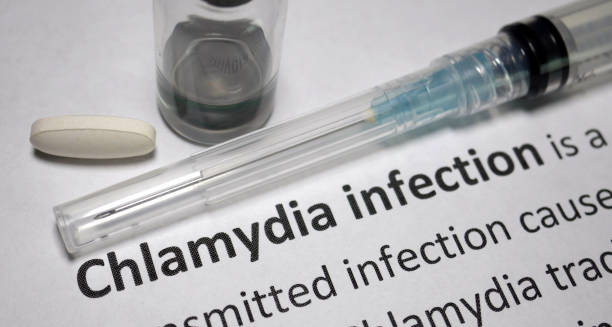
Chlamydia infection diagnosis with syringe and medication

Diagnosis of Chlamydia

Diagnosis of Chlamydia Diagnosis of chlamydia is straightforward and widely available, using simple and non-invasive tests. Due to the high number of asymptomatic cases, regular testing plays a crucial role in detecting chlamydia early and preventing complications or transmission. 1. Nucleic Acid Amplification Test (NAAT) The most accurate and commonly used test is the NAAT, which detects the genetic material of Chlamydia trachomatis. Doctors can perform the procedure on: NAATs are highly sensitive and specific, making them the gold standard for chlamydia testing. 2. Who Should Be Tested | Diagnosis of Chlamydia Doctors routinely screen patients for: People who’ve had unprotected sex or suspect exposure should also get tested, even if they have no symptoms. 3. Home Testing Kits | Diagnosis of Chlamydia Self-sampling kits are available through clinics, pharmacies, and online. These allow users to collect samples at home and send them to a lab. They’re discreet and effective, encouraging wider testing. 4. Testing After Exposure If you believe you’ve been exposed, it’s best to wait 1 to 2 weeks after the encounter before testing to ensure the bacteria can be detected. 5. Partner Notification and Testing If diagnosed, it’s important that all sexual partners from the last 6 months are notified and tested. Clinics can help with anonymous partner notification if needed. An early and accurate diagnosis of chlamydia allows for timely treatment, reducing the risk of long-term complications and limiting spread to others. [Next: Treatment of Chlamydia →]

Diagnosis of Chlamydia Read More »

Gloved hands holding a swab and test tube for chlamydia treatment

Treatment of Chlamydia

Treatment of Chlamydia Treatment of chlamydia is simple and highly effective. Once diagnosed, a short course of antibiotics usually clears the infection completely. With early treatment of chlamydia, most people recover quickly and without lasting effects. 1. First-Line Antibiotics Current treatment guidelines recommend: This is considered the most effective option and is preferred in most cases, including rectal infections. 2. Alternatives | Treatment of Chlamydia If doxycycline is not suitable — such as during pregnancy — alternatives include: 3. Abstain From Sex Patients should avoid all sexual contact for at least 7 days after starting treatment — and until their partners have completed treatment — to prevent reinfection or spreading the infection. 4. Partner Treatment It is crucial that all recent sexual partners are also treated. Reinfection is common if only one partner is treated. Clinics often offer expedited partner therapy to assist with this process. 5. Follow-Up Testing 6. Managing Complications | Treatment of Chlamydia If complications like pelvic inflammatory disease (PID) are present, a longer course of antibiotics and hospital care may be required. Treatment of chlamydia is quick, affordable, and highly effective — but only if the infection is caught in time and partners are managed appropriately. [Next: Complications and Recovery from Chlamydia →]

Treatment of Chlamydia Read More »

Doctor consulting a couple about chlamydia treatment

Complications and Recovery from Chlamydia

Complications and Recovery from Chlamydia Complications and recovery from chlamydia are closely linked to whether the infection is treated promptly. While most people recover completely, untreated chlamydia can cause serious health problems, especially in women. 1. Pelvic Inflammatory Disease (PID) In women, untreated chlamydia can spread to the uterus and fallopian tubes, causing PID. This may lead to: PID may require hospitalisation and long-term antibiotics. 2. Epididymitis in Men | Complications and Recovery from Chlamydia Chlamydia can infect the epididymis — the tube that carries sperm — causing: If left untreated, it may impact fertility or cause testicular damage. 3. Reactive Arthritis In some people, particularly men, chlamydia can trigger a condition called reactive arthritis, causing joint pain, swelling, and inflammation of the eyes or urinary tract. 4. Neonatal Complications Babies born to untreated mothers may develop: These conditions require antibiotics and medical supervision. 5. Psychological and Relationship Impacts A diagnosis can cause emotional distress or strain relationships. Counselling and clear communication with partners can help address stigma and reduce anxiety. 6. Recovery and Long-Term Outlook Preventing complications and recovery from chlamydia depends on awareness, early testing, and consistent protection. With the right care, chlamydia is one of the most manageable STIs. [Next: Back to Overview →]

Complications and Recovery from Chlamydia Read More »

Close-up of a child's eye with visible light reflection

Childhood Cataracts

Childhood Cataracts – Overview Childhood cataracts are clouding of the eye’s natural lens that occur in infants or young children. Unlike age-related cataracts in adults, it can interfere with normal visual development and. Furthermore, if left untreated, may lead to permanent vision impairment or even blindness. The lens of the eye is meant to be clear. Hereby, allowing light to pass through and focus properly on the retina. In children with cataracts, this lens becomes partially or completely opaque, blocking the formation of a sharp image. This can significantly affect how the brain processes visual information during the critical years of development. This condition can be congenital (present at birth) or acquired (developing later due to illness, trauma, or medication). They may affect one eye (unilateral) or both eyes (bilateral). Additionally, the level of vision loss can vary based on the size, location, and density of the clouding. Childhood Cataracts While this condition is rare compared to adult cataracts, they are one of the leading causes of treatable childhood blindness globally. Early detection, typically through newborn screening or routine eye exams, is key. In many cases, surgery followed by visual rehabilitation can restore useful vision. Because normal visual development depends on clear images reaching the brain, any delay in treating this can result in amblyopia (lazy eye) or other permanent deficits. Timely diagnosis and coordinated care are essential to give children the best visual outcome. [Next: Causes of Childhood Cataracts →]

Childhood Cataracts Read More »

Illustration of viruses and infections affecting a developing foetus

Causes of Childhood Cataracts

Causes of Childhood Cataracts Causes of childhood cataracts vary widely, ranging from genetic mutations to maternal infections during pregnancy. Understanding the causes helps with diagnosis, treatment planning, and counselling of affected families. 1. Congenital Causes Many children are born with cataracts due to: These are typically detected during early infancy, either through abnormal red reflex screening or parental concern about white pupils. 2. Acquired Causes | Causes of Childhood Cataracts Some cataracts develop after birth and are known as acquired childhood cataracts. Causes include: 3. Idiopathic In many cases, no clear cause is found. These are classified as idiopathic, and though challenging to explain, the treatment approach remains the same. 4. Risk Factors Additional risk factors that may increase the likelihood of developing childhood cataracts include: 5. Syndromic Association | Causes of Childhood Cataracts Cataracts can also form part of broader genetic syndromes such as: Identifying the causes supports early intervention, genetic counselling, and informed decisions about future pregnancies or family planning. [Next: Symptoms of Childhood Cataracts →]

Causes of Childhood Cataracts Read More »

Scroll to Top