Mental Matters

Author name: admin

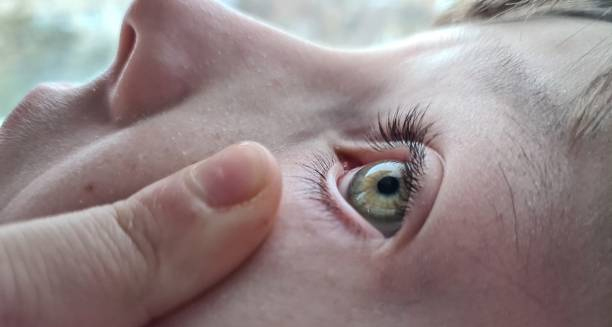
Close-up of a child's eye showing early symptoms of childhood cataracts

Symptoms of Childhood Cataracts

Symptoms of Childhood Cataracts Symptoms of childhood cataracts depend on the size, location, and whether one or both eyes are affected. Some are subtle and only discovered through routine eye exams, while others present early and clearly. Recognising symptoms allows for early treatment and improved visual development. 1. White Pupillary Reflex (Leukocoria) A common and visible sign is a white or grey reflection in the pupil, especially noticeable in flash photographs. Instead of the typical “red eye” effect, the pupil may appear milky or white. 2. Poor Visual Response | Symptoms of Childhood Cataracts Infants may not follow faces or toys as expected. This lack of visual attention or eye contact can signal vision impairment, particularly in bilateral cataracts. 3. Nystagmus (Wobbling Eyes) Uncontrolled eye movements may develop if vision is severely impaired in early infancy. Nystagmus typically indicates that visual development is not progressing normally. 4. Strabismus (Crossed Eyes) Misalignment of the eyes is often associated with unilateral cataracts, as one eye fails to receive clear visual input and falls out of sync with the other. 5. Sensitivity to Light | Symptoms of Childhood Cataracts Children with cataracts may squint, turn away from bright lights, or seem uncomfortable in well-lit environments. This occurs when light scatters through the cloudy lens. 6. Delayed Motor Development Because vision plays a role in motor skills, delayed crawling or walking may be linked to undiagnosed cataracts. 7. Blurred or Distorted Vision (in Older Children) In children old enough to verbalise, symptoms may include: Symptoms of childhood cataracts often emerge in infancy, but parents and caregivers must remain vigilant as some may only present later. Early ophthalmic screening is essential, especially in high-risk babies. [Next: Diagnosis of Childhood Cataracts →]

Symptoms of Childhood Cataracts Read More »

Young girl undergoing eye examination for childhood cataracts

Diagnosis of Childhood Cataracts

Diagnosis of Childhood Cataracts Diagnosis of childhood cataracts is typically made through a combination of physical examination and imaging studies. Because early intervention is critical, prompt diagnosis of childhood cataracts leads to better visual outcomes and prevents long-term developmental issues. 1. Red Reflex Test Performed shortly after birth, this non-invasive test checks for the reflection of light in the baby’s eyes. A normal red glow indicates a clear path through the eye. An abnormal or absent red reflex suggests a cataract or other obstruction. This test is simple but effective, and is part of newborn screening in many countries. 2. Visual Behaviour Observation Doctors observe whether the child follows objects, makes eye contact, or tracks movement. Any delay or avoidance of visual stimuli may indicate visual problems. 3. Slit Lamp Examination | Diagnosis of Childhood Cataracts In older infants and children, an eye specialist uses a slit lamp microscope to inspect the lens for opacity. This allows for detailed examination of the cataract’s location, density, and potential for light obstruction. 4. Dilated Fundus Examination Eye drops dilate the pupils, enabling a full view of the lens and retina. This helps rule out other eye conditions such as retinal detachment or glaucoma. 5. Ultrasound of the Eye If the cataract blocks visualisation of the retina, an ocular ultrasound may be performed to evaluate eye structure behind the lens. 6. Genetic and Metabolic Testing If the cataracts are bilateral or associated with other symptoms, further testing may include: 7. Systemic Evaluation | Diagnosis of Childhood Cataracts Paediatricians may assess growth, development, and signs of underlying syndromes if cataracts are part of a broader condition. A comprehensive diagnosis ensures the right treatment path is chosen — from surgery to visual rehabilitation and long-term follow-up. [Next: Treatment of Childhood Cataracts →]

Diagnosis of Childhood Cataracts Read More »

Child undergoing vision therapy with eye patch for cataract treatment

Treatment of Childhood Cataracts

Treatment of Childhood Cataracts Treatment of childhood cataracts aims to restore clear vision and support normal visual development. The exact approach depends on the severity, age of diagnosis, and whether one or both eyes are affected. Prompt and effective treatment can significantly improve long-term visual outcomes. 1. Surgical Removal Surgery is the primary treatment for visually significant cataracts in children. It involves removing the cloudy lens to allow light to properly reach the retina. 2. Visual Rehabilitation | Treatment of Childhood Cataracts After surgery, it is essential to provide the eye with a clear visual image. This may include: 3. Anti-inflammatory and Antibiotic Drops Used postoperatively to prevent inflammation and infection. 4. Long-Term Monitoring Children require regular eye exams to monitor for: 5. Supportive Therapies | Treatment of Childhood Cataracts Treatment of childhood cataracts is not a one-time fix. It requires ongoing care, visual support, and multidisciplinary collaboration to ensure optimal development and learning. [Next: Complications and Recovery from Childhood Cataracts →]

Treatment of Childhood Cataracts Read More »

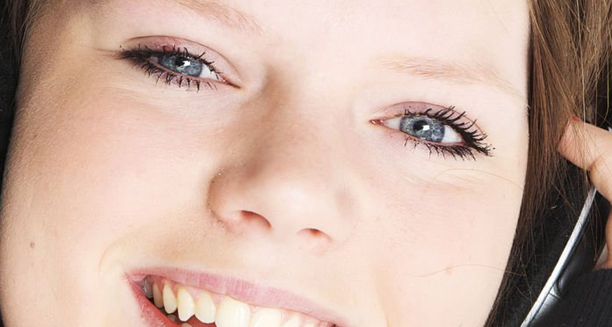
Close-up of a smiling child after cataract treatment with clear blue eyes

Complications and Recovery from Childhood Cataracts

Complications and Recovery from Childhood Cataracts Complications and recovery from childhood cataracts depend on the timing of treatment, type of surgery, and post-operative care. While early intervention greatly improves outcomes, untreated or poorly managed childhood cataracts can result in permanent vision loss. 1. Amblyopia (Lazy Eye) This is the most common complication. If the brain does not receive a clear image from one or both eyes during early development, it may “ignore” that input, leading to reduced vision even after surgery. 2. Glaucoma | Complications and Recovery from Childhood Cataracts Up to 15–20% of children who undergo cataract surgery may develop glaucoma later, especially if operated on in infancy. Regular pressure checks are essential. 3. Posterior Capsule Opacification (PCO) Even after surgery, a thin membrane behind the lens implant can become cloudy. This is treated with a minor laser procedure or surgical cleaning. 4. Intraocular Lens (IOL) Complications In rare cases, the IOL may become displaced or not focus correctly as the eye grows. Follow-up refraction and lens adjustment may be needed. 5. Visual Development Challenges Delayed or limited visual stimulation in early life can impact: These issues can be minimised with timely support and therapy. 6. Emotional and Social Impacts Children with visible eye conditions or glasses may feel self-conscious. Support groups, counselling, and positive reinforcement from parents and teachers play a crucial role in psychosocial recovery. 7. Long-Term Prognosis | Complications and Recovery from Childhood Cataracts With prompt treatment and follow-up: By understanding and managing the complications, families can help ensure children reach their full potential with minimal visual limitations. [Next: Back to Overview →]

Complications and Recovery from Childhood Cataracts Read More »

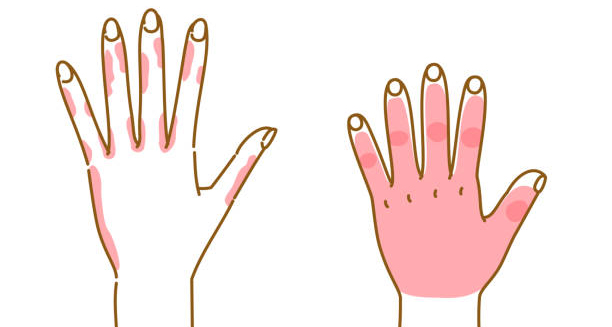
Illustration of hands with red swollen areas showing symptoms of chilblains

Chilblains

Chilblains – Overview Chilblains are small, itchy, and painful swellings that develop on the skin in response to cold temperatures. This typically affect the extremities — such as fingers, toes, ears, and nose — and are more common in the winter months. While not usually serious, they can be uncomfortable and sometimes lead to skin ulcers or infections if left untreated. Rapid rewarming after cold exposure causes this reaction in the skin. The sudden temperature change can cause the small blood vessels under the skin to expand more rapidly than nearby larger vessels can accommodate. This leads to a backup of blood and leakage into surrounding tissues, resulting in inflammation and the familiar red or purple patches. Chilblains are more common in women, children, and individuals with poor circulation or low body fat. People with autoimmune conditions like lupus or Raynaud’s disease are also at greater risk. Although anyone can develop them, these reactions occur more often in colder climates and among people who spend time outdoors or in unheated environments. Chilblains Symptoms usually appear a few hours after exposure to cold and typically resolve on their own within 1–3 weeks. Preventative measures — such as keeping warm, avoiding rapid heating, and using moisturisers — are often effective. Although chilblains are not dangerous in most cases, people with persistent or recurrent lesions should see a doctor to rule out underlying vascular or autoimmune conditions. [Next: Causes of Chilblains →]

Chilblains Read More »

Snow-covered mountains and icy landscape under cold blue twilight

Causes of Chilblains

Causes of Chilblains Causes of chilblains are primarily linked to abnormal reactions of the body’s blood vessels to cold temperatures. While chilblains are not fully understood, several known triggers and contributing factors can help explain their development and recurrence. 1. Cold Exposure The most direct cause is prolonged exposure to cold, damp, or windy conditions. When skin becomes chilled, blood vessels near the surface constrict to preserve heat. If the area is then rapidly rewarmed — for instance, by placing cold hands near a heater — the blood vessels may expand too quickly, causing blood to leak into nearby tissues. This sudden change can lead to inflammation, redness, and the painful swelling associated with chilblains. 2. Poor Circulation | Causes of Chilblains People with poor peripheral circulation are more susceptible to chilblains. Reduced blood flow means the body has a harder time adapting to temperature changes, increasing the risk of vessel damage and inflammation. 3. Repeated Exposure Frequent or repeated exposure to cold environments, especially without proper protective clothing, can lead to recurring episodes. Manual workers, outdoor labourers, and those living in poorly heated homes are at higher risk. 4. Skin Sensitivity Some individuals have more sensitive skin or thinner layers of subcutaneous fat, which makes their extremities less insulated and more vulnerable to cold damage. 5. Underlying Medical Conditions | Causes of Chilblains Certain health conditions are associated with a higher incidence of chilblains, including: These conditions can affect how blood vessels respond to temperature, increasing susceptibility to chilblains. 6. Nutritional Deficiencies and Lifestyle Poor nutrition, smoking, and a sedentary lifestyle may also contribute by impairing vascular health and the body’s ability to regulate temperature effectively. Understanding the causes of chilblains allows at-risk individuals to take steps to protect themselves, especially during colder months or in drafty environments. [Next: Symptoms of Chilblains →]

Causes of Chilblains Read More »

Person sitting on bed rubbing itchy toes due to chilblains

Symptoms of Chilblains

Symptoms of Chilblains Symptoms of chilblains often develop within a few hours after exposure to cold and can vary in severity from mild irritation to more painful and disruptive swelling. While chilblains are usually self-limiting, the symptoms can be uncomfortable and may affect mobility and quality of life. 1. Red or Purple Patches The most visible symptom is the appearance of small, red or purple discoloured areas on the skin. These patches typically occur on: The skin may appear blotchy or inflamed and may be warm to the touch. 2. Itching and Burning Chilblains are often extremely itchy. The affected areas may also sting or burn, particularly during the rewarming process or when rubbed. This intense irritation can lead to scratching, which risks further skin damage or secondary infection. 3. Swelling | Symptoms of Chilblains The affected areas usually swell, making it uncomfortable to wear shoes, gloves, or tight clothing. Swelling may feel spongy or tender and can worsen with movement. 4. Blisters or Ulcers In more severe or prolonged cases, the skin may blister or even break open, forming ulcers. These are especially common if the skin is scratched or irritated. Open sores increase the risk of bacterial infection. 5. Skin Cracking or Dryness As the lesion heals, the skin may become dry and start to crack or peel. This can prolong the recovery period and result in recurring symptoms if the area remains exposed to cold. 6. Recurrence | Symptoms of Chilblains Chilblains tend to recur seasonally in susceptible individuals. Some people experience repeated flare-ups every winter, particularly if preventive steps are not taken. The symptoms of chilblains are usually temporary and improve with warming and protective care. However, persistent or spreading symptoms should be evaluated to exclude other underlying health issues. [Next: Diagnosis of Chilblains →]

Symptoms of Chilblains Read More »

Doctor discussing chilblains diagnosis with a patient in a clinic

Diagnosis of Chilblains

Diagnosis of Chilblains Diagnosis of chilblains is typically clinical, meaning it is based on physical examination and symptom history rather than lab tests. While chilblains are relatively straightforward to recognise, it’s important to rule out other skin and circulatory conditions that may look similar. 1. Clinical Examination A doctor will begin by examining the affected area. Hallmark signs that suggest chilblains include: The presence of itchy or burning lesions that appear after cold weather and resolve with warmth is usually diagnostic. 2. Medical History | Diagnosis of Chilblains Doctors will ask about: They may also ask whether symptoms reappear during specific seasons, particularly winter. 3. Rule Out Other Conditions Other skin and vascular conditions may mimic chilblains, including: If an autoimmune or connective tissue disorder is suspected, blood tests may be ordered. 4. Biopsy (Rare) | Diagnosis of Chilblains A skin biopsy is rarely needed, but may be performed in atypical or unresponsive cases to confirm diagnosis or exclude other causes. Timely and accurate diagnosis of chilblains ensures patients receive the appropriate care and don’t suffer unnecessarily from avoidable flare-ups or complications. [Next: Treatment of Chilblains →]

Diagnosis of Chilblains Read More »

Woman wrapped in a blanket sitting on a couch to treat chilblains

Treatment of Chilblains

Treatment of Chilblains Treatment of chilblains focuses on relieving symptoms, promoting skin healing, and preventing recurrence. While chilblains often resolve on their own in one to three weeks, targeted care can reduce discomfort and speed recovery. 1. Warmth and Protection The most important treatment is gently warming the affected areas: 2. Topical Treatments | Treatment of Chilblains Several creams and ointments can reduce irritation and aid healing: These should be applied gently and regularly until the skin returns to normal. 3. Oral Medications In persistent or severe cases, doctors may prescribe: Nifedipine is especially useful for people with recurring or severe chilblains. 4. Wound Care | Treatment of Chilblains If the skin blisters or breaks, proper wound care is essential to prevent infection: 5. Lifestyle and Home Remedies Prompt treatment of chilblains can greatly reduce symptom duration and help individuals avoid seasonal discomfort. If symptoms don’t improve or worsen, medical advice is essential. [Next: Complications and Recovery from Chilblains →]

Treatment of Chilblains Read More »

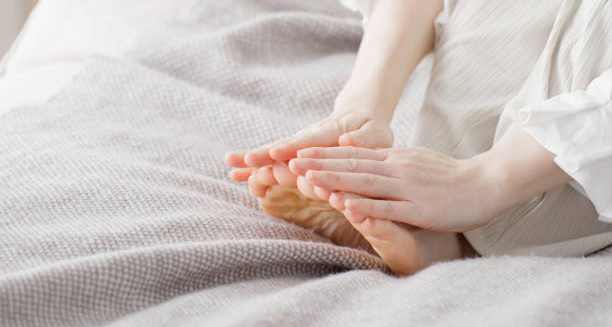
Person gently touching feet affected by chilblains while resting in bed

Complications and Recovery from Chilblains

Complications and Recovery from Chilblains Complications and recovery from chilblains depend on how quickly they are recognised and treated. While most cases of chilblains resolve without issue, ignoring symptoms or delaying care can lead to avoidable complications, especially for those with poor circulation or chronic conditions. 1. Skin Infection One of the most common complications is bacterial infection of broken or scratched skin. Signs include: Antibiotic treatment may be required to prevent spreading or worsening. 2. Ulceration and Scarring Persistent or untreated chilblains can lead to skin ulcers that are slow to heal. These open sores may result in long-term scarring or pigment changes, especially if repeatedly scratched or exposed to cold again. 3. Chronic Chilblains | Complications and Recovery from Chilblains In some individuals, chilblains may recur every winter or remain unresolved for weeks. Chronic cases may signal an underlying condition like: These should be investigated if symptoms persist or are unusually severe. 4. Impact on Quality of Life Chronic pain, swelling, and irritation can interfere with daily activities, particularly those involving the hands or feet. In children, itching may affect sleep and mood. 5. Recovery Timeline With proper care: Avoiding cold exposure and maintaining good skin care throughout the winter helps prevent recurrences. 6. Preventive Measures | Complications and Recovery from Chilblains To reduce the chance of complications: Managing complications and recovery from chilblains is straightforward in most cases — with vigilance, care, and early action preventing long-term issues. [Next: Back to Overview →]

Complications and Recovery from Chilblains Read More »

Scroll to Top