Mental Matters

Author name: admin

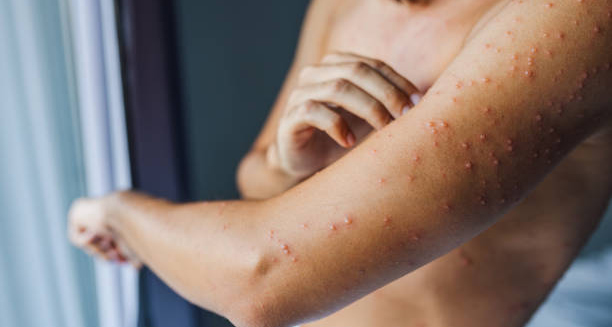
Adult with visible chickenpox rash on arm and torso

Chickenpox

Chickenpox – Overview Chickenpox is a highly contagious viral infection caused by the varicella-zoster virus (VZV). Most commonly seen in children, it presents as an itchy, blister-like rash that usually spreads across the face, chest, and back, before affecting the rest of the body. While it is generally mild in healthy children, chickenpox can cause serious complications in adults, infants, pregnant women, and people with weakened immune systems. The infection typically starts with flu-like symptoms such as fever, fatigue, and loss of appetite, followed by the appearance of red spots that quickly turn into fluid-filled blisters. These blisters eventually burst, scab over, and heal within one to two weeks. This condition spreads easily through respiratory droplets (coughing or sneezing), direct contact with an infected person, or touching items contaminated by the fluid from blisters. It is contagious from about 48 hours before the rash appears until all spots have crusted over. Chickenpox Although a single infection usually provides lifelong immunity, the virus remains dormant in the body and can reactivate years later as shingles, a painful rash that occurs along nerve lines. Vaccination has significantly reduced the number of these cases worldwide. In countries where the varicella vaccine is routine, outbreaks are rare, and those infected typically experience a milder illness. Chickenpox is uncomfortable but manageable for most people. Prompt diagnosis and supportive care help reduce symptoms and prevent complications. [Next: Causes of Chickenpox →]


Chickenpox Read More »

3D illustration of varicella-zoster virus causing chickenpox

Causes of Chickenpox

Causes of Chickenpox Causes of chickenpox stem from infection with the varicella-zoster virus (VZV), a member of the herpesvirus family. The virus is extremely contagious and primarily affects children, although anyone who hasn’t had chickenpox or received the vaccine is at risk. Understanding the causes of chickenpox is crucial for prevention and control. 1. Varicella-Zoster Virus (VZV) VZV is the single cause of chickenpox. Once a person is exposed, the virus enters through the respiratory tract or conjunctiva (eye lining), then spreads through the bloodstream to the skin, where it causes the characteristic rash. 2. Transmission | Causes of Chickenpox Chickenpox is spread through: The virus is most contagious from 1–2 days before the rash appears until all blisters have crusted over — typically 5–7 days after rash onset. 3. At-Risk Groups While chickenpox is most common in children under the age of 10, certain groups are more susceptible to severe disease: 4. Reactivation: Shingles Even after recovery, VZV stays dormant in the nervous system. It can reactivate years later as shingles (herpes zoster), especially in older adults or people with weakened immunity. Shingles is not chickenpox but can cause chickenpox in unexposed individuals. 5. Vaccine Failure | Causes of Chickenpox Rarely, vaccinated individuals can develop a mild form of chickenpox known as “breakthrough chickenpox.” These cases tend to have fewer spots, little to no fever, and a quicker recovery. By understanding the causes of chickenpox, people can take proper steps to protect vulnerable individuals, reduce transmission, and ensure vaccination coverage is maintained. [Next: Symptoms of Chickenpox →]

Causes of Chickenpox Read More »

Child scratching red chickenpox rash on back and shoulders

Symptoms of Chickenpox

Symptoms of Chickenpox Symptoms of chickenpox typically appear 10 to 21 days after exposure to the varicella-zoster virus. While the hallmark feature is a widespread rash, chickenpox also causes systemic symptoms that affect the whole body. Knowing the symptoms helps with early detection, proper care, and limiting the spread of the virus. 1. Early Symptoms In the early phase (1–2 days before the rash), people may experience: These flu-like symptoms are often subtle in children but may be more pronounced in adults. 2. The Rash The rash is the most recognisable feature of chickenpox and usually progresses in three distinct stages: New spots appear in waves, so all three stages may be visible at once. The rash can cover the entire body, including the scalp, mouth, eyelids, and genitals. 3. Itching and Discomfort | Symptoms of Chickenpox The rash is extremely itchy and can lead to discomfort and sleep disturbances. Scratching increases the risk of skin infections and scarring, particularly if fingernails are untrimmed. 4. Other Symptoms In some individuals, especially adults, chickenpox can cause: 5. Duration | Symptoms of Chickenpox The full illness typically lasts 5 to 10 days. Most people recover without complications, though adults and immunocompromised individuals may experience more severe symptoms. Recognising the symptoms of chickenpox early — particularly the pre-rash phase — is important for isolation, preventing spread, and managing symptoms effectively. [Next: Diagnosis of Chickenpox →]

Symptoms of Chickenpox Read More »

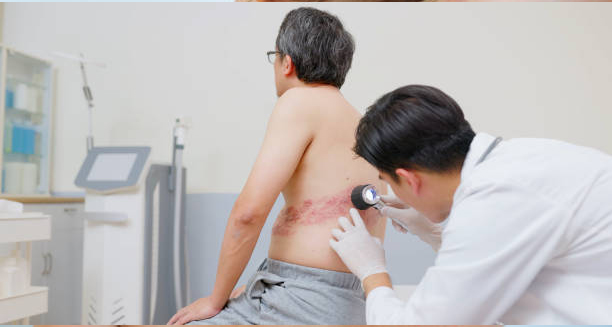
Doctor examining red rash on a male patient's back for chickenpox diagnosis

Diagnosis of Chickenpox

Diagnosis of Chickenpox Diagnosis of chickenpox is often clinical — based on the characteristic rash and symptoms — but additional tests may be used in uncertain or severe cases. Accurate diagnosis of chickenpox ensures appropriate care and helps prevent complications, especially in vulnerable patients. 1. Clinical Examination Doctors usually diagnose chickenpox by: The presence of lesions in different stages (red spots, blisters, scabs) is highly suggestive of chickenpox. 2. Patient History | Diagnosis of Chickenpox A thorough history is essential, especially to determine: In vaccinated individuals, breakthrough chickenpox can be harder to recognise due to milder symptoms. 3. Laboratory Tests (if needed) Although usually not necessary, the following tests may be used in complex or hospitalised cases: These tests are especially useful in adults, pregnant women, or immunocompromised individuals where chickenpox could be mistaken for other illnesses. 4. Differential Diagnosis | Diagnosis of Chickenpox Other conditions that may resemble chickenpox include: An experienced healthcare provider can usually differentiate these based on history and clinical signs. A confident diagnosis of chickenpox helps avoid unnecessary medications, ensures timely treatment, and supports effective infection control in households and healthcare settings. [Next: Treatment of Chickenpox →]

Diagnosis of Chickenpox Read More »

Doctor examining chickenpox rash on young girl’s chest

Treatment of Chickenpox

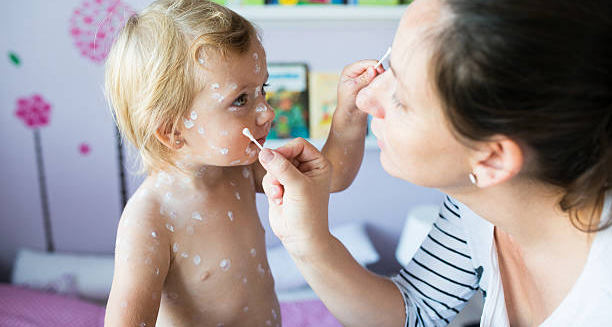
Treatment of Chickenpox Treatment of chickenpox is mainly supportive, aimed at relieving symptoms and preventing complications. Although chickenpox resolves on its own in most cases, certain groups may require antiviral medication or hospital care. Timely and appropriate treatment of chickenpox ensures a smoother recovery. 1. Symptom Relief For mild to moderate cases, treatment focuses on easing discomfort: Children should be kept cool and dressed in loose-fitting clothing to minimise skin irritation. 2. Preventing Scratching Scratching can lead to scarring or skin infections. To reduce this: 3. Antiviral Medication | Treatment of Chickenpox In high-risk patients, antivirals such as acyclovir may be prescribed. These are most effective when started within 24–48 hours of symptom onset. Indications include: 4. Hydration and Nutrition Ensure plenty of fluids to prevent dehydration, especially if fever is present. Soft, bland foods are best for those with mouth ulcers or sore throats. 5. Hospital Admission | Treatment of Chickenpox Hospital care may be necessary for: Although usually mild, treatment of chickenpox can be more complex in adults and vulnerable groups, making medical advice essential when symptoms are severe or unusual. [Next: Complications and Recovery from Chickenpox →]

Treatment of Chickenpox Read More »

Mother applying lotion to child with chickenpox rash

Complications and Recovery from Chickenpox

Complications and Recovery from Chickenpox Complications and recovery from chickenpox vary depending on the person’s age, immune status, and how well symptoms are managed. For most healthy individuals, chickenpox resolves without long-term effects. However, complications can arise, especially in at-risk groups. 1. Common Complications 2. Risks in Vulnerable Groups 3. Shingles (Later in Life) The varicella-zoster virus remains dormant in the body after recovery. It can reactivate years later as shingles, a painful rash that often affects one side of the body or face. Vaccination against shingles is available for older adults and those with weakened immunity. 4. Recovery Timeline Once all the spots have crusted over, the person is no longer contagious. 5. Prevention of Spread | Complications and Recovery from Chickenpox While most recover quickly, understanding complications and recovery from chickenpox helps reduce risks and supports safer outcomes, especially in children and vulnerable groups. [Next: Back to Overview →]

Complications and Recovery from Chickenpox Read More »

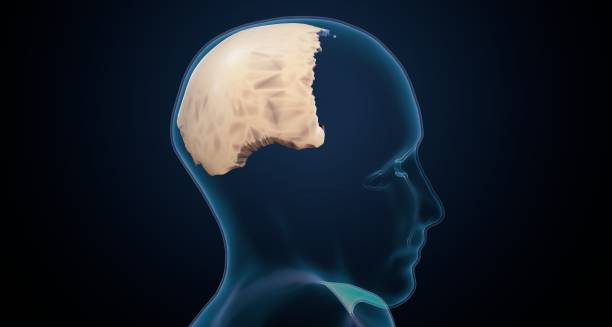
Medical illustration of Chiari malformation affecting the brain

Chiari Malformation

Chiari Malformation – Overview Chiari malformation is a structural defect in the base of the skull that causes brain tissue to extend into the spinal canal. Specifically, the lower part of the brain known as the cerebellum pushes down through the foramen magnum — the opening at the bottom of the skull where the spinal cord connects to the brain. This condition can interfere with the flow of cerebrospinal fluid and put pressure on the brain and spinal cord. There are several types, with Type I being the most common and often discovered incidentally during scans for unrelated issues. It may remain asymptomatic or present later in life. Type II, also known as Arnold-Chiari malformation, is more severe and usually diagnosed in infancy or early childhood. Less common types (Types III and IV) are more serious and often associated with other neurological abnormalities. Chiari Malformation Symptoms vary widely. Some people have no symptoms, while others may experience headaches, balance issues, numbness, muscle weakness, and coordination problems. In more severe cases, it may lead to difficulties with swallowing, vision problems, or even sleep apnoea. The condition may be congenital (present from birth) or acquired later in life due to trauma, spinal fluid drainage problems, or infection. This condition can occur alone or alongside other disorders like syringomyelia (a fluid-filled cyst in the spinal cord), scoliosis, or hydrocephalus. Although this condition is rare, awareness is increasing due to improved imaging techniques like MRI. Diagnosis is often confirmed with brain scans, and treatment depends on symptom severity — ranging from regular monitoring to surgical decompression. [Next: Causes of Chiari Malformation →]

Chiari Malformation Read More »

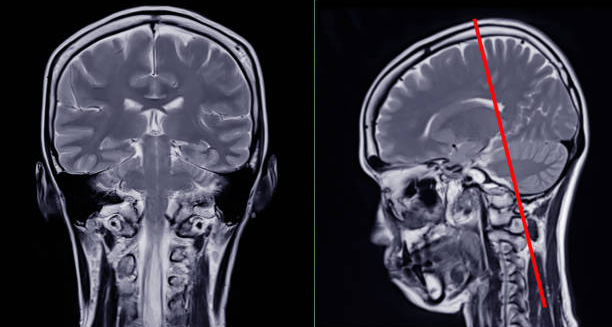
MRI scans showing structural brain abnormalities linked to Chiari malformation

Causes of Chiari Malformation

Causes of Chiari Malformation Developmental abnormalities primarily cause Chiari malformation, though acquired conditions that alter brain or spinal cord structure or pressure dynamics can also lead to it.. Understanding the causes of Chiari malformation helps explain the wide variation in presentation and progression. 1. Congenital (Primary) Chiari Malformation Most Chiari malformations are congenital — meaning they are present from birth. What typically cause this is: In congenital Chiari malformation, the brain tissue is squeezed downward during fetal development due to the limited space within the skull. 2. Acquired (Secondary) Chiari Malformation | Causes of Chiari Malformation In rare instances, Chiari malformation may develop later in life due to: These acquired forms alter the pressure balance or anatomy of the skull and spine, resulting in brain tissue descending into the spinal canal. 3. Structural Brain and Skull Imbalance The mismatch between brain size and skull volume is a key factor. In some individuals, the cerebellum is not necessarily too large — the skull is simply too small to contain it. This relative crowding forces part of the brain downward. 4. Associated Conditions | Causes of Chiari Malformation Chiari malformations are often associated with other neurological or skeletal disorders, including: While the exact trigger of congenital Chiari malformation isn’t always known, early diagnosis and genetic insight help guide treatment and family planning. The causes of Chiari malformation may be complex, but timely recognition of contributing factors can lead to earlier diagnosis and better long-term outcomes. [Next: Symptoms of Chiari Malformation →]

Causes of Chiari Malformation Read More »

Woman holding her head in pain showing symptoms of Chiari malformation

Symptoms of Chiari Malformation

Symptoms of Chiari Malformation Symptoms of Chiari malformation vary significantly depending on the type, severity, and age of onset. While some people remain asymptomatic for years, others develop noticeable and sometimes debilitating signs. Identifying symptoms early can lead to more effective treatment and a better quality of life. 1. Headaches Headaches are the most common symptom, especially in Chiari Type I. These are typically located at the back of the head and neck and may worsen with: They are sometimes mistaken for migraines or tension headaches. 2. Neck Pain and Stiffness People with Chiari malformation often experience neck discomfort or stiffness. This may accompany headaches and worsen with certain movements or activities. 3. Balance and Coordination Issues The cerebellum controls movement and balance. Pressure on this area may cause: In children, this may present as clumsiness or delayed motor milestones. 4. Numbness and Tingling | Symptoms of Chiari Malformation Compression of nerves can lead to sensory issues such as: These symptoms may come and go or progressively worsen. 5. Visual and Hearing Disturbances Chiari malformation can affect cranial nerves, leading to: 6. Other Neurological Symptoms | Symptoms of Chiari Malformation Additional signs may include: Symptoms of syringomyelia, such as back pain and muscle wasting, may appear if a spinal cyst is present. Because symptoms of Chiari malformation mimic those of many other conditions, diagnosis often requires a high level of suspicion and detailed neurological examination. [Next: Diagnosis of Chiari Malformation →]

Symptoms of Chiari Malformation Read More »

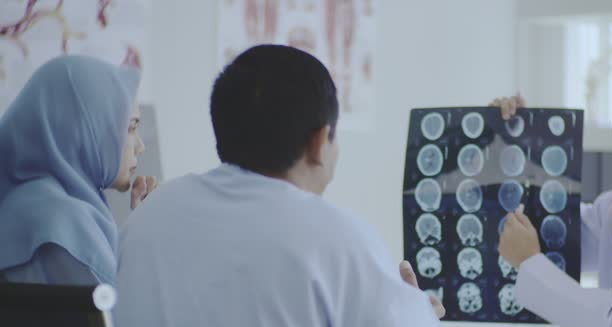
Neurologist reviewing MRI brain scans for Chiari malformation diagnosis

Diagnosis of Chiari Malformation

Diagnosis of Chiari Malformation Diagnosis of Chiari malformation involves a combination of clinical evaluation and imaging tests to confirm the structural changes at the base of the skull. Since Chiari malformation symptoms can resemble other neurological conditions, accurate diagnosis is essential for effective treatment. 1. Medical History and Symptom Assessment Doctors begin by reviewing the patient’s symptoms, duration, and severity. They’ll ask about: A neurological examination will assess reflexes, strength, sensation, eye movement, and gait. 2. Magnetic Resonance Imaging (MRI) MRI is the gold standard for diagnosing Chiari malformation. It provides detailed images of the brain and spinal cord, allowing doctors to see: MRI is also used to rule out other conditions such as tumours, multiple sclerosis, or structural anomalies. 3. CT Scan | Diagnosis of Chiari Malformation While less detailed than MRI, a CT scan may be used in emergencies or when MRI is not suitable. It can detect bone abnormalities at the skull base and identify signs of hydrocephalus. 4. Cine MRI (CSF Flow Study) This specialised MRI assesses the flow of cerebrospinal fluid (CSF) around the brain and spine. It helps determine whether the herniated tissue is disrupting normal CSF movement, which may influence treatment decisions. 5. Genetic Testing and Family Screening In cases where Chiari malformation runs in families or is associated with syndromes like Ehlers-Danlos, genetic consultation may be recommended. 6. Paediatric Considerations | Diagnosis of Chiari Malformation In infants or young children, additional tests like ultrasound (for open fontanelles), sleep studies, or developmental assessments may support diagnosis. An early and accurate diagnosis allows doctors to monitor the condition and intervene before complications develop, improving outcomes and preventing long-term damage. [Next: Treatment of Chiari Malformation →]

Diagnosis of Chiari Malformation Read More »

Scroll to Top