Mental Matters

Author name: admin

Treatment of Knee Cartilage Damage

Treatment of Knee Cartilage Damage

Treatment of knee cartilage damage is a complex and evolving field, driven by advances in regenerative medicine, surgical techniques, and physiotherapy. As cartilage does not have its own blood supply, healing takes longer and often stays incomplete. This makes treatment of knee cartilage damage very important for people who deal with pain, poor movement, and joint problems. Doctors choose treatment based on the amount and place of damage, age, activity level, and whether the ligaments or menisci are also hurt. Many people start with simple methods to treat knee cartilage damage. These include resting the knee, changing daily activities, and using anti-inflammatory medicines like ibuprofen or naproxen. These drugs help ease pain and lower swelling. They let the joint rest and heal from minor injuries. Ice and gentle pressure can also help in the early days of an injury. However, these treatments only ease symptoms. They cannot fix or grow back the cartilage. So, they are best for mild or surface-level damage. Physical Therapy and Injections in Treatment of Knee Cartilage Damage Physical therapy plays a big part in both early care and after surgery. A strong rehab plan can make the muscles around the knee stronger. This gives the joint more support and reduces stress on the cartilage. The therapy includes stretching, strength training, and balance exercises. Some people also do light workouts like swimming or cycling. These improve movement without putting too much pressure on the joint. The main goal is not just to ease pain but to stop the damage from getting worse. If these steps do not help, doctors may try injections. Corticosteroid shots can lower swelling and give short-term relief. But they should not be used too often since they can cause more cartilage loss. Another option is hyaluronic acid shots. These improve the fluid in the joint, which helps it move more smoothly. Results vary, but some people feel less pain and move better after getting these shots. New Options in the Treatment of Knee Cartilage Damage Newer treatments in regenerative medicine are becoming more popular for the treatment of knee cartilage damage. One of these is platelet-rich plasma (PRP) therapy. It uses the person’s own blood platelets to heal the knee and reduce swelling. Another method is stem cell therapy. It takes special cells from bone marrow or body fat to help grow new cartilage. These treatments are still being studied. But early results show they may help younger people with small cartilage injuries. When none of these methods work, surgery is the next step. The kind of surgery depends on how bad the damage is. Arthroscopic debridement is a small operation. It removes loose bits of cartilage and smooths rough areas to stop more damage. While it helps in the short term, especially for younger patients, it cannot replace lost cartilage. Doctors often use it with other methods. Surgical Techniques for Treating Knee Cartilage Damage Microfracture surgery is a more advanced method. It creates tiny holes in the bone to grow new cartilage from bone marrow. This new cartilage is not as strong as the original but can reduce pain and delay bigger surgeries. This method works best for young, active people with small areas of damage. Another option is autologous chondrocyte implantation (ACI). This two-part process takes healthy cartilage cells from the person’s knee and grows them in a lab. Later, doctors put the new cells into the damaged area during a second surgery. ACI shows good results in rebuilding cartilage and making the joint work better. It is complex and usually for people under 50 with limited damage. MACI, or matrix-induced autologous chondrocyte implantation, is a newer version of ACI. It places the grown cells on a special patch that is then added to the joint. This helps spread the cells more evenly and improves how they connect with the rest of the cartilage. Long-term results look good, helping people return to normal life and slowing the start of arthritis. Advanced Surgeries and Lifestyle in Treatment of Knee Cartilage Damage Sometimes, if the damage is large or the knee is out of alignment, doctors do an osteotomy. In this surgery, they cut and shift the bones to move weight away from the bad area. This can help the joint last longer and put off the need for full knee replacement, especially in younger people. If the damage becomes too bad and other treatments do not work, knee replacement may be needed. This could be a partial or full knee replacement. Newer tools and surgery methods have made knee replacements very successful. They help reduce pain and bring back movement. Still, since these artificial joints wear out over time, doctors usually suggest them for older people or those with severe problems. After surgery, recovery is key. Healing may take several months. It includes physical therapy, lifestyle changes, and sometimes using walking aids. Sticking to the rehab plan makes a big difference in how well the knee works long term. Besides medical care, daily habits also matter a lot in the treatment of knee cartilage damage. Keeping a healthy weight eases the load on the knee. Eating healthy foods that lower swelling can help your joints. People should also avoid hard-impact sports like running on hard ground or jumping, as these can make the damage worse. Final Thoughts on the Treatment of Knee Cartilage Damage In short, treatment of knee cartilage damage offers many options. These range from simple care and injections to new cell-based methods and surgery. The right choice depends on the person’s needs and how bad the damage is. With early action and a plan made just for them, many people can move freely again and protect their joint health for a long time. [Next: Complications of Knee Cartilage Damage →]

Treatment of Knee Cartilage Damage Read More »

Complications of Knee Cartilage Damage

Complications of Knee Cartilage Damage

Complications of knee cartilage damage can have long-lasting effects on mobility, joint stability, and overall quality of life. When left untreated or poorly managed, even minor cartilage injuries can worsen and lead to more serious joint problems. Understanding the complications of knee cartilage damage helps patients, doctors, and caregivers act early and prevent permanent joint damage. One of the most common complications of knee cartilage damage is osteoarthritis. Cartilage cushions the bones in the knee joint and allows smooth movement. When cartilage breaks down, bones rub together, causing friction and inflammation. This leads to joint breakdown over time. Osteoarthritis causes pain, stiffness, swelling, and limits movement. Eventually, it can become severe enough to need knee replacement surgery. Chronic pain is another serious complication. Pain may continue long after the injury or surgery. It can result from inflammation, nerve irritation, or bone spurs forming where the joint wears unevenly. Chronic pain affects both physical and mental health. It can disrupt sleep, reduce daily activity, and cause frustration, anxiety, or depression. Patients may rely on pain medicines, which have risks and side effects. Joint instability and misalignment in complications of knee cartilage damage Knee cartilage damage can also cause joint instability and reduced mobility. Cartilage loss changes how the knee moves. Supporting muscles and ligaments can become strained or unbalanced. This instability increases the risk of falls and further injury. Many patients find walking, climbing stairs, or exercising difficult. Less physical activity can cause muscle weakness, weight gain, and poorer heart health. Another complication is joint misalignment. When cartilage wears unevenly, weight shifts incorrectly. This can cause knock-knee (valgus) or bow-leg (varus) deformities. Misalignment speeds up cartilage loss and joint damage. Some patients need surgery to realign the joint, such as osteotomy, or may eventually require knee replacement. Joint effusion, or “water on the knee,” is swelling caused by extra fluid in the joint. This fluid buildup causes warmth, tightness, and swelling. Repeated effusions might need joint drainage or steroid injections. However, these treatments only relieve symptoms temporarily and don’t fix cartilage damage. Loose bodies are small bits of cartilage or bone that break off and float inside the joint. These fragments can get stuck during movement, causing the knee to lock, catch, or hurt suddenly. Loose bodies often require arthroscopic surgery to remove them, especially for active people. Psychosocial and surgical complications of knee cartilage damage Psychosocial complications are often missed but important. Chronic knee problems can lead to emotional distress, low self-esteem, and social withdrawal. Athletes unable to return to sport or people forced to give up activities may lose a sense of identity and life satisfaction. The cost of treatment, time off work, and disability can also cause financial and emotional stress for patients and families. In younger patients, cartilage damage can delay growth or joint development if it happens before growth plates close. This mainly affects adolescent athletes who injure their knees in sports. Early and active treatment is critical to prevent long-term problems and support healthy joint function. Surgery itself can lead to complications. Microfracture surgery often forms fibrocartilage, which is less durable than normal cartilage and may wear out quickly. Autologous chondrocyte implantation (ACI) or MACI procedures carry risks of graft failure, infection, or immune reactions. Joint stiffness or excess scar tissue (arthrofibrosis) after surgery can limit recovery and need further treatment. Rarely, severe cartilage damage can cause avascular necrosis. This happens when the blood supply to the bone under the cartilage is cut off, causing bone death and collapse. Avascular necrosis usually requires joint replacement and long rehabilitation. Prevention and future directions in complications of knee cartilage damage Preventing complications is vital. Early diagnosis, proper treatment, and patient follow-through with rehab help protect the knee. Maintaining a healthy weight, doing physical therapy, and avoiding joint stress reduce damage. Braces or orthotics may also help align the knee and slow wear. Research is ongoing to find better ways to treat and reverse knee cartilage damage. Tissue engineering, gene therapy, and new biomaterials show promise. Although many treatments are still experimental, they offer hope for improved outcomes in the future. In summary, complications of knee cartilage damage can affect physical health, mental wellbeing, and daily life. Problems range from osteoarthritis and chronic pain to joint instability, misalignment, and psychological stress. Acting early with proper care gives the best chance to maintain knee function and prevent lasting disability. [Next: Back to Overview →]

Complications of Knee Cartilage Damage Read More »

Overview of Klinefelter Syndrome

Overview of Klinefelter Syndrome

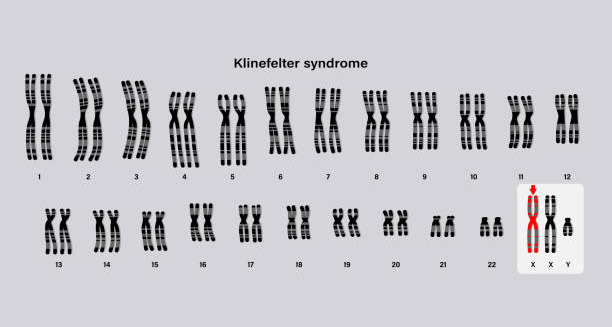
Klinefelter syndrome is a common but frequently underdiagnosed genetic condition that affects males and is characterised by the presence of an extra X chromosome. Instead of the usual XY chromosome pattern found in most males, people with Klinefelter syndrome have a 47,XXY karyotype. This extra chromosome can disrupt male sexual development, testosterone production, and fertility. It may also affect physical growth, thinking skills, and emotional health. Symptoms vary widely, but early diagnosis and treatment can improve quality of life and long-term results. The condition was first described in 1942 by Dr. Harry Klinefelter, who studied men with small testes, infertility, and low testosterone. Since then, research has found that Klinefelter syndrome affects about 1 in every 600 males worldwide. Despite being common, many cases go unnoticed until adulthood, often when men seek help for fertility problems. This happens because symptoms can be mild in childhood and teens, or mistaken for other issues. Genetic basis in the overview of Klinefelter syndrome Genetically, Klinefelter syndrome happens due to a random error in cell division when reproductive cells form in the mother or father. This leads to an extra X chromosome in the child. The extra chromosome is usually not inherited but occurs spontaneously. Rarely, more complex forms appear, like 48,XXXY or mosaicism (a mix of normal and affected cells). These forms often cause more severe symptoms. Common signs include tall height, long limbs, less facial and body hair, enlarged breast tissue (gynecomastia), small testes (hypogonadism), and infertility. Many boys also have learning difficulties, especially with language and reading. They may have delayed motor skills and social problems. If these early problems are not treated, they can lead to low self-esteem, anxiety, or depression during adolescence. Hormonal imbalance is a main concern. Low testosterone is the most serious issue. Testosterone helps male puberty, muscle and bone strength, and mood. Low levels can cause delayed puberty, low sex drive, tiredness, and higher risk of osteoporosis and heart problems later. Luckily, testosterone replacement therapy (TRT) often helps improve these symptoms and promotes physical changes like voice deepening, muscle growth, and body hair. Fertility and psychosocial aspects in overview of Klinefelter syndrome Infertility is common and upsetting for many men with Klinefelter syndrome. Most produce little or no sperm because the testes do not work properly. However, new reproductive technologies, such as testicular sperm extraction (TESE) with intracytoplasmic sperm injection (ICSI), have allowed some men to father biological children. Early fertility checks and specialist advice can offer helpful options. Klinefelter syndrome also affects mental health and social wellbeing. Boys and men may struggle with school, self-image, and social skills. Without proper help, they risk bullying, isolation, or mental health problems like anxiety and depression. Support at school, counselling, and tailored care can help these individuals succeed and enjoy life. It is important to note that intelligence is not always affected. Some boys have mild learning problems, but many have normal or above-average intelligence. Difficulties often lie in verbal skills, memory, and attention. These can affect school success if not recognised early. Speech therapy, occupational therapy, and special education can be very helpful. Diagnosis and management in overview of Klinefelter syndrome Klinefelter syndrome diagnosis can happen at any age. Some are diagnosed in early childhood due to delays or physical signs. Others only find out in adulthood when facing infertility. A karyotype test, which checks chromosomes in cells, confirms the diagnosis. Recently, non-invasive prenatal testing (NIPT) can detect the extra X during pregnancy, though this is not routine. Managing Klinefelter syndrome needs a team approach. This includes endocrinologists, geneticists, fertility doctors, speech therapists, psychologists, and educators. Early support, especially in childhood, improves language, confidence, and social skills. Hormone therapy, mental health care, and fertility treatments help men live healthy, active lives. In conclusion, the overview of Klinefelter syndrome shows it is a common but under-recognised genetic condition caused by an extra X chromosome in males. Symptoms vary widely, but early diagnosis and full care greatly improve outcomes. Raising awareness among doctors, teachers, and the public ensures those affected get the support they need from childhood to adulthood. [Next: Causes of Klinefelter Syndrome →]

Overview of Klinefelter Syndrome Read More »

Causes of Klinefelter Syndrome

Causes of Klinefelter Syndrome

The causes of Klinefelter syndrome lie in a genetic error that results in an extra X chromosome being present in a male’s cells. Most males have a 46,XY chromosome pattern. Individuals with Klinefelter syndrome typically have 47,XXY. This extra X chromosome happens randomly during the formation of sperm or egg cells. The causes of Klinefelter syndrome are not inherited. They do not come from anything the parents did before or during pregnancy. Instead, they are spontaneous errors in cell division that happen by chance. One key cause is called nondisjunction. This means chromosomes fail to separate properly during meiosis, the process that forms sperm and eggs. Nondisjunction can happen in the mother or the father. This results in a sperm or egg with an extra X chromosome. When this abnormal cell combines with a normal cell from the other parent, the embryo ends up with an XXY pattern. This disrupts normal male sexual development and other body processes. Genetic factors behind causes of Klinefelter syndrome It is important to stress that Klinefelter syndrome is not inherited. The genetic changes happen randomly and do not pass from parent to child. This means couples with one affected child do not have a much higher chance of having another. This unpredictability can make it hard for families to prepare, especially since the condition often stays hidden until adulthood. Some factors might slightly raise the risk. Advanced maternal age is one. Studies show older women may have a slightly higher chance of chromosomal abnormalities like Klinefelter syndrome. However, most cases happen in pregnancies of women under 35. The impact of advanced paternal age is less clear and needs more study. Besides the common 47,XXY pattern, there are more complex types. These include 48,XXXY; 48,XXYY; and 49,XXXXY syndromes. These forms involve extra X and/or Y chromosomes. They are rarer and usually cause more severe symptoms. Their cause is similar—nondisjunction during meiosis—but the greater chromosome number leads to stronger effects. Mosaicism and biological impact in causes of Klinefelter syndrome Mosaic Klinefelter syndrome is another form. Here, some body cells have the normal 46,XY pattern, while others have 47,XXY. This happens due to cell division errors after fertilisation, early in embryo growth. People with mosaicism usually show milder symptoms. They may keep fertility and normal testosterone. This variation shows how symptoms can differ, even though the causes come from random chromosome errors. The extra X chromosome affects the testes’ development and male hormone production like testosterone. Both males and females have X chromosomes, but in Klinefelter syndrome, the extra X changes how genes work. These genes control sexual development, growth, and brain function. The altered gene expression causes the diverse symptoms in affected males. Scientists continue to study causes of Klinefelter syndrome to better understand how these genetic differences affect body and mind development. They look at gene activity, epigenetics (how genes turn on or off without DNA changes), and chromosome interactions. These studies help improve diagnosis, treatment, and personalised care. Prevention, screening, and understanding causes of Klinefelter syndrome Despite genetic progress, it is impossible to prevent the random chromosome errors that cause Klinefelter syndrome. But knowing about the condition and detecting it early can improve outcomes. Early treatment like hormone therapy, learning support, and fertility help can make a big difference. Prenatal screening tests, such as non-invasive prenatal testing (NIPT) and chorionic villus sampling (CVS), can detect chromosome abnormalities including Klinefelter syndrome during pregnancy. These tests are not routine but offered when there is a specific reason. In summary, the causes of Klinefelter syndrome come from random errors in chromosome separation during sperm or egg formation. This leads to a male child with an extra X chromosome. The errors are not inherited and have no clear warning. While factors like older maternal age may raise risk slightly, most cases happen spontaneously. Understanding these genetic causes helps doctors support patients better and helps families understand the diagnosis. [Next: Symptoms of Klinefelter Syndrome →]

Causes of Klinefelter Syndrome Read More »

Symptoms of Klinefelter Syndrome

Symptoms of Klinefelter Syndrome

The symptoms of Klinefelter syndrome vary widely from one individual to another and often differ depending on age, severity of the chromosomal variation, and whether the condition is mosaic or non-mosaic. Many of the symptoms of Klinefelter syndrome are subtle. They often go unnoticed during childhood. These signs usually appear during puberty or adulthood. This wide range in how symptoms show up explains why doctors often miss the diagnosis until later in life. Yet it remains one of the most common sex chromosome disorders in males. Early developmental symptoms of Klinefelter syndrome In infancy and early childhood, symptoms tend to be vague. Common signs include slow speech and language development. Some children also struggle with learning. Babies may have low muscle tone, which makes it hard to sit, crawl, or walk when expected. These signs often get overlooked. Many parents and doctors may blame them on other causes. That can delay finding out what’s really going on. As school age begins, new symptoms may appear. Boys may find reading, spelling, and verbal understanding hard. They may struggle to stay focused or keep up in class. Verbal memory and processing words can also be hard. Alongside these learning problems, personality traits such as shyness, low confidence, and staying away from others are common. Sometimes, people mistake these symptoms of Klinefelter syndrome for ADHD or autism. That makes the diagnosis even more difficult. Puberty reveals major symptoms of Klinefelter syndrome One of the clearest signs of the condition becomes visible during puberty. Many boys go through delayed or incomplete puberty. This may include less facial and body hair, small testicles, and weak muscles. The testicles often stay small and hard and do not make enough testosterone. This leads to breast tissue growth (gynecomastia), which can feel upsetting or embarrassing. The voice may not get deeper. Muscle growth and bone strength may also remain low. Infertility is one of the most serious long-term effects. Many men seek help because they cannot have children. Most cannot make sperm because the testicles do not work well. Some men, especially those with mosaic forms, still have some fertility. But in most cases, having children naturally is hard or not possible without treatment. Learning about this can be very tough, especially for those who didn’t know they had the condition. Physical and emotional symptoms of Klinefelter syndrome Some people with the condition grow taller than average. They may have long legs and arms. Some may also develop a curved spine or gain fat around the belly and hips. Not everyone shows these traits, but when they appear, they can help doctors make a diagnosis. Many also have low bone strength, which can cause weak bones or breaks later in life. Adults often deal with emotional and mental health challenges. These include feeling sad, anxious, or having low self-worth. They may also struggle to plan, stay organised, or manage time. Making and keeping relationships can be hard. These symptoms of Klinefelter syndrome often come from a mix of low hormone levels, early childhood delays, and the stress of living with a lifelong and often hidden condition. Late discovery of symptoms of Klinefelter syndrome In some people, the signs stay so mild that no one ever finds out about the condition. Others only learn they have it during tests for unrelated problems. Many are diagnosed after years of trouble with fertility or learning, or when odd hormone levels show up. Because the symptoms vary so much, doctors must consider the condition in boys and men who show any mix of learning, hormone, or fertility issues. Hormone tests in the teen years or later may show low testosterone. This is a common clue. But since many symptoms of Klinefelter syndrome are shared with other conditions, a chromosome test (karyotyping) is the only way to confirm the diagnosis. Finding it early helps. It gives time to start hormone treatment, offer learning help, and provide counselling for fertility. These steps can really improve life in the long run. Some people have mosaic Klinefelter syndrome, which tends to cause fewer or lighter symptoms. They may still have children, grow up with normal puberty, or show fewer learning problems. Still, many with mosaic forms face emotional or social difficulties. Support is just as important for them. Why recognising symptoms of Klinefelter syndrome matters In conclusion, the symptoms of Klinefelter syndrome include a wide range of changes in growth, mood, learning, and hormones. These symptoms often start in childhood, grow stronger in puberty, and last into adult life. Because the condition touches many parts of life—from school to social skills to having kids—spotting it early is key. Raising awareness about the many ways it shows up can help doctors make faster diagnoses and give better care to those who need it. [Next: Diagnosis of Klinefelter Syndrome →]

Symptoms of Klinefelter Syndrome Read More »

Medical file labelled Klinefelter Syndrome on desk with stethoscope and medication

Diagnosis of Klinefelter Syndrome

The diagnosis of Klinefelter syndrome can often be delayed or missed entirely, as the condition presents with a wide spectrum of symptoms that may be subtle, non-specific, or mistaken for other developmental or hormonal issues. Because symptoms vary so much, doctors often only diagnose Klinefelter syndrome much later in life. Many men only find out when they visit a doctor for fertility problems or low testosterone. But thanks to better awareness and easier access to genetic testing, it’s now more possible to spot the condition earlier. Early detection can lead to better treatment and improved quality of life. Klinefelter syndrome happens when a male has an extra X chromosome. This changes the typical 46,XY chromosome pattern to 47,XXY. Doctors can discover this extra chromosome at different stages of life, from pregnancy to adulthood. Even though this condition affects about 1 in every 600 males, most boys are not diagnosed in childhood. In fact, many may never know they have it. In babies and young children, signs like weak muscles, slow development, or speech delays may raise concerns. But since these problems also show up in many other conditions, they rarely lead directly to a diagnosis of Klinefelter syndrome. More clues often appear during puberty. At that time, expected changes like testicle growth, deeper voice, and stronger muscles may not happen as expected. Some boys may grow breast tissue or have long legs with a thin body, which can also raise suspicion. Signs and testing during puberty and adulthood Teens with the condition may also struggle in school, especially with reading and writing. They may feel anxious in social settings or have low self-esteem. While these problems may suggest something is wrong, they are not unique to Klinefelter syndrome. So, doctors sometimes miss the diagnosis or make the wrong one. In many cases, the condition is only found in adulthood. Often, men go to the doctor because they can’t have children. This leads to hormone and genetic tests. One of the main tests used is a karyotype. This checks the number and shape of chromosomes in a blood sample. It clearly shows the extra X chromosome and confirms the diagnosis. This test remains the best and most reliable method. In certain cases, doctors may use more detailed tests like FISH or PCR. These can find mosaic forms of the syndrome, where only some cells have the extra chromosome. Hormone testing also helps with diagnosis. Blood tests may show low testosterone and higher levels of FSH and LH. These hormone patterns suggest the body is trying to activate underperforming testes. When testosterone is low—especially along with small testes, breast tissue, or trouble conceiving—doctors are more likely to consider Klinefelter syndrome. Diagnosis of Klinefelter Syndrome in early life Sometimes, the condition is found before birth. This can happen during tests like chorionic villus sampling (CVS) or amniocentesis. These are done for other reasons, such as a mother’s age or family history. These tests can show the extra X chromosome, but finding out this early brings up ethical concerns. Parents may need support and advice to understand what this diagnosis means. Doctors might also use imaging tests. For example, bone scans can reveal weaker bones, which often result from low testosterone over time. If breast growth is obvious, an ultrasound or MRI can check the tissue. Still, while these tools can help, they can’t diagnose the condition on their own. Knowing about the condition helps explain symptoms and allows for treatment to begin early. Testosterone therapy, help with speech and language, academic support, and mental health care can all improve long-term health. Also, the diagnosis helps doctors monitor other health risks like diabetes or weak bones. Increasing diagnosis of Klinefelter Syndrome Even with good testing available, most people with Klinefelter syndrome don’t get diagnosed. Experts believe only about 25–30% ever find out. Many men only learn about it after tests for unrelated health issues. This is because symptoms are not always clear and many people, including doctors, don’t know what to look for. To change this, we need more education for doctors, especially those who work with children, hormones, or fertility. If more professionals understand the condition’s signs, they’ll be quicker to test for it. Public awareness also matters. If people know what signs to watch for—especially trouble having children—they can ask for the right tests sooner. Improving the diagnosis of Klinefelter Syndrome In short, diagnosing Klinefelter syndrome takes several steps. Doctors must review symptoms, check hormone levels, and confirm the extra chromosome through genetic testing. Catching it early makes a big difference. With early care, men can live healthier lives and avoid many of the problems linked to the condition. Boosting knowledge, improving testing, and encouraging teamwork among medical experts will help more people get diagnosed and get the support they need. [Next: Treatment of Klinefelter Syndrome →]

Diagnosis of Klinefelter Syndrome Read More »

Treatment of Klinefelter Syndrome

Treatment of Klinefelter Syndrome

Treatment of Klinefelter syndrome focuses on managing the symptoms and improving the quality of life for those affected by this chromosomal condition. While there is no cure to remove the extra X chromosome, doctors treat Klinefelter syndrome using a team approach. This plan helps with physical, emotional, hormonal, and fertility problems. Early care and ongoing support allow many people to live full and active lives. Klinefelter syndrome is a condition in males where an extra X chromosome is present. This usually leads to a 47,XXY pattern. The extra chromosome affects how the testes grow. As a result, testosterone levels stay low. This often causes infertility and changes in body shape, thinking, and behaviour. Since signs can appear at any age, from babyhood to adulthood, treatment must match each person’s age, symptoms, and goals. Hormone Therapy in the Treatment of Klinefelter Syndrome One of the main treatments for Klinefelter syndrome is testosterone replacement therapy (TRT). Doctors often begin this around puberty, when the body should start making more testosterone. If puberty is late or incomplete, TRT helps the body change. It can build more muscle, deepen the voice, grow body hair, and boost energy. Testosterone also keeps bones strong, improves sex drive, and lifts mood and mental focus. Doctors start TRT after confirming the diagnosis and checking hormone levels. People can get TRT as shots, gels, patches, or implants. The method and dose depend on age, hormone levels, and what the person prefers. Regular check-ups are key to see how well the treatment works and to spot side effects. These could include mood changes or a rise in red blood cells. Starting TRT early may also boost self-confidence, social skills, and thinking ability. Fertility and Developmental Therapies Fertility support is another big part of the treatment of Klinefelter syndrome. Most men with this condition can’t have children naturally due to no sperm in the semen. Still, new medical techniques offer hope. Some men with milder forms or small amounts of sperm may still father children. Doctors use testicular sperm extraction (TESE) along with intracytoplasmic sperm injection (ICSI) to help. Getting a diagnosis early and speaking to a fertility expert can help families make plans. Many boys with Klinefelter syndrome have trouble speaking clearly or learning words. These issues can hurt school work and social life. Starting speech therapy early can really help. It improves how well they speak and understand, making it easier to succeed in school and make friends. Educational and Emotional Support Some children also need extra help in school. Problems with reading, memory, or focus can happen. Not everyone has these issues, but enough do that schools should stay alert. Special learning plans or tutoring can make a big difference. Teachers should know about the condition. That way, they can give more time on tests or help with reading and writing when needed. Mental health care is another vital part of treatment. Teens and adults with Klinefelter syndrome may feel unsure of themselves. They might face worry, sadness, or stay away from others. Some may also struggle with how they look or feel about gender. Counselling or therapy can help people deal with these feelings. Group sessions or talking to others with the same condition can ease loneliness and build confidence. Physical Health, Nutrition, and Long-Term Monitoring Some boys have weak muscles or poor coordination. Physical and occupational therapy can help with strength, balance, and movement. Starting this support early can prevent delays and help kids stay active. A healthy diet is also part of treatment. People with Klinefelter syndrome may gain weight more easily or face problems like diabetes or heart disease. This happens partly because low testosterone leads to more body fat and changes in how the body uses sugar. Good eating habits, exercise, and regular doctor visits lower these risks. As people get older, check-ups become even more important. Adults with Klinefelter syndrome may face higher risks for bone thinning, blood clots, breast cancer, or immune system issues. Doctors should check bone strength, blood pressure, and sugar and fat levels often. Catching problems early and staying on top of care leads to better long-term health. Family and Genetic Counselling in the Treatment of Klinefelter Syndrome Family support matters too. When parents and caregivers understand the condition, they can stand up for the child’s health and school needs. Counselling may help the family cope and support the child better. Lastly, genetic counselling should be part of the treatment of Klinefelter syndrome. It helps families understand how the condition happens, whether it could happen again, and what choices they have for future pregnancies. In conclusion, the treatment of Klinefelter syndrome needs many kinds of care and must fit each person’s needs. With early help, expert support, and regular care, most people with Klinefelter syndrome can live full, healthy lives. Starting treatment early brings better results for the body, brain, emotions, and social life. [Next: Complications of Klinefelter Syndrome →]

Treatment of Klinefelter Syndrome Read More »

Speech therapy session with young child with Down syndrome and female therapist

Complications of Klinefelter Syndrome

Complications of Klinefelter syndrome can significantly affect various aspects of physical, psychological, and social well-being throughout a person’s life. Although the syndrome is not deadly, it can still cause long-term problems. If not treated early, the complications of Klinefelter syndrome can lead to health problems, emotional struggles, and lower quality of life. Some people may also feel left out socially. That’s why knowing about these issues early helps guide proper care and prevent bigger problems later on. Infertility and Emotional Impact One of the biggest challenges is infertility. Most people with this condition cannot make enough healthy sperm. Their testicles do not grow as they should. The tubes that should make sperm often do not work. Because of this, many men with Klinefelter syndrome have no sperm in their semen. This can be very upsetting, especially for those who want children. Thankfully, medical advances now offer hope. Some men can still have biological children through methods like testicular sperm extraction (TESE) and intracytoplasmic sperm injection (ICSI). These methods work best when done early. Hormonal Issues and Bone Health Another major issue is low testosterone. This hormone plays a big role in the body. Without enough of it, people may feel tired, weak, or lose muscle. Their bones may become thin, and they may gain weight or lose interest in sex. If left untreated, low testosterone can lead to other health problems like diabetes, heart disease, and high cholesterol. Taking testosterone and checking hormone levels often helps prevent these problems. Osteoporosis is a serious problem for people with low testosterone. Weak bones can break easily. Some people don’t know they have bone loss until they break a bone. Because of this, regular bone checks are important. Treatment often includes hormone therapy, exercise, vitamin D, calcium, and safer habits to avoid falling. Complications of Klinefelter Syndrome and Heart Health Heart-related problems also fall under the complications of Klinefelter syndrome. Many people with this condition have high blood pressure, poor cholesterol levels, and trouble with insulin. These issues raise the risk of heart attacks and strokes. To stay healthy, regular check-ups are important. Eating better, staying active, and avoiding smoking can also lower the risk. Doctors can help manage these problems before they get worse. Risk of Breast Cancer and Mental Health Struggles Men with Klinefelter syndrome have a much higher risk of getting breast cancer than other men. This happens because of hormone changes, like higher levels of oestrogen. It’s important to check for signs like lumps or nipple discharge. Regular exams and knowing what to look for can catch problems early. Mental and emotional health problems are common too. Many people feel shy, sad, or unsure about themselves—especially during their teenage years. Some may feel different or left out. The stress of not being able to have kids, school problems, and body image issues can all lead to anxiety or depression. Talking to a counsellor and joining support groups can help. Getting help early makes it easier to manage these feelings. Learning Challenges and Social Problems Some children may have delays in talking, reading, or remembering things. These issues do not mean the child has low intelligence, but they can still struggle in school. If these problems are not addressed, they may lead to poor grades or fewer job options later in life. Early help from speech therapists or special teachers makes a big difference. Tools like memory games and learning support can also help a lot. Social issues are also part of the complications of Klinefelter syndrome. Many kids have trouble making friends or understanding social cues. As they grow up, these struggles may affect dating or keeping a job. Social skills training and working with therapists can teach better ways to talk and connect with others. A supportive school or workplace can also help people feel more included. Autoimmune, Blood, and Hormonal Problems Some people with Klinefelter syndrome are more likely to get autoimmune diseases. These include lupus, rheumatoid arthritis, and Sjögren’s syndrome. The extra X chromosome may affect how the immune system works. Watching for symptoms like tiredness, joint pain, or swelling is important. Early treatment can keep these problems from getting worse. There is also a greater chance of getting blood clots, like deep vein thrombosis or lung clots. This may happen due to hormone problems or being less active. To prevent these, people should move often, stay a healthy weight, and manage heart risks. Doctors may also recommend tests or medicine when needed. Hormone problems do not stop with testosterone. Some people may also have thyroid issues or trouble with blood sugar. These problems need regular testing and may need medicine to stay under control. Family, Work, and Daily Life Complications of Klinefelter syndrome can affect a person’s ability to finish school or hold a job. Trouble learning and making friends may limit chances for success at work. In many cases, employers and doctors don’t fully understand the condition. This leads to missed chances and poor support. Raising awareness and asking for fair treatment at work can help. Support at school also plays a big part in success. Relationships may also suffer. Parents may feel stress while helping a child with school or health problems. In adult relationships, infertility or low desire may cause tension. Talking openly and working with a counsellor helps couples stay connected. Making thoughtful choices together can also make life easier. Managing Complications of Klinefelter Syndrome In conclusion, the complications of Klinefelter syndrome affect many areas—health, emotions, learning, and relationships. But with early diagnosis and the right care, many problems can be avoided or managed. Ongoing support, good healthcare, and more awareness will help people with Klinefelter syndrome live fuller, healthier lives. [Next: Back to Overview →]

Complications of Klinefelter Syndrome Read More »

Doctor explaining kidney stones using anatomical kidney model

Overview of Kidney Stones

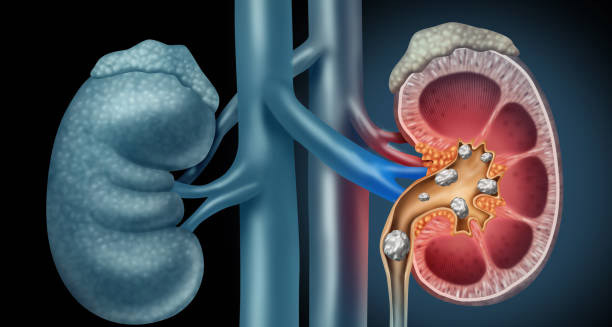
Kidney stones are hard mineral and salt deposits that form within the kidneys and can cause severe pain and complications when they move through the urinary tract. Kidney stones affect millions of people each year. They are common and range from mild to severe depending on their size, where they are, and if they come back. While most can be treated with changes in lifestyle or simple procedures, they can become serious if not treated in time. The kidneys work like filters. They clean the blood by removing waste and extra water, which then becomes urine. But when you’re dehydrated, eat poorly, or have certain health problems, minerals in the urine can stick together and form stones. These stones can be tiny like grains of sand or as large as golf balls. Bigger ones can block urine flow, cause infections, or damage the kidneys. Most kidney stones appear in adults between ages 30 and 60. However, children can also get them. Men get them more often than women, although this is changing. More women are now affected due to diet and lack of physical activity. Where you live matters too. People in hot areas are more at risk due to dehydration, which makes the minerals in urine more concentrated. Types of Kidney Stones The different types of kidney stones depend on what they are made of: Knowing the type of stone helps doctors choose the right treatment. It also helps in planning how to stop new stones from forming. Risk Factors and Global Prevalence of Kidney Stones Kidney stones can form due to many reasons. The main one is dehydration, especially in hot places. Eating too much salt, sugar, or meat also raises the risk. Being overweight, not moving much, stomach problems like Crohn’s disease, or taking too many vitamins or supplements also play a part. If kidney stones run in your family, you’re more likely to get them. Also, once you’ve had a stone, there’s a 50% chance you’ll get another one within 5 to 10 years unless you take steps to prevent it. Kidney stones are becoming more common across the world. Around 10% of people will get one at some point. They are especially common in richer countries, where bad eating habits and inactive lifestyles are major contributors. How Kidney Stones Form The body forms kidney stones when the urine has too many minerals and not enough liquid to keep them dissolved. When this balance breaks, the minerals clump into crystals. These crystals can stick to the kidney wall and grow over time. Small stones might pass without pain. But large ones can get stuck in the ureters—the tubes that carry urine from the kidneys to the bladder. This blockage can cause sharp pain, infections, or even kidney damage. Urine contains some helpful substances like citrate and magnesium. These stop stones from forming. But when substances like calcium, oxalate, or uric acid are too high, they encourage stone growth. Your diet, how much you drink, and how your body works all affect this balance. Why Early Detection of Kidney Stones Matters Finding kidney stones early makes treatment easier and avoids problems. Small stones often pass on their own with lots of water and pain medicine. But if not found early, stones can block urine, cause infections, or damage the kidneys. Some people don’t feel any symptoms until the stone starts to move. That’s why it helps to know the risk factors and get checked early using scans like ultrasounds or CTs. Finding out what the stone is made of also helps doctors plan treatment. For example, uric acid stones can be treated with medicine that changes the urine’s acid level to prevent new stones. Prevention and Lifestyle Management for Kidney Stones The best way to manage kidney stones is to stop them from forming in the first place. Simple steps like eating less salt and meat, avoiding foods high in oxalate (like spinach, chocolate, and nuts), and drinking plenty of fluids can make a big difference. Doctors may also suggest: If stones keep coming back, a full 24-hour urine test may be needed. This helps find out the exact cause. Then doctors may give medicine, like thiazide diuretics for calcium stones or allopurinol for uric acid stones. The Emotional and Physical Toll of Kidney Stones Kidney stones can affect your body and mind. The pain, often described as the worst pain a person can feel, may need hospital treatment and keep you from working or enjoying life. People who get stones more than once often feel anxious or scared about future attacks. Managing a special diet, taking medicine, and going for regular tests can feel stressful. That’s why a full approach that includes patient education, emotional care, and support works best. A Public Health Perspective on Kidney Stones Kidney stones are becoming a wider public issue. With more cases, hospitals and clinics see more emergency visits, tests, and surgeries. Teaching people about hydration, diet, and regular check-ups can lower these numbers. Public health campaigns at schools and offices—especially in high-risk areas—can spread awareness. Encouraging people to drink more water and eat better from a young age helps avoid future problems and reduces healthcare costs. Understanding Kidney Stones for Better Outcomes In conclusion, kidney stones are a growing concern worldwide, affecting individuals across all demographics and leading to a range of symptoms and health risks. By spotting them early, choosing the right treatment, and following a healthy lifestyle, most people can avoid serious problems. Knowing how kidney stones form, what causes them, and how they affect both health and emotions helps patients and doctors work together. Long-term changes in diet and routine can lower the chance of getting more stones in the future. [Next: Causes of Kidney Stones →]

Overview of Kidney Stones Read More »

Illustration of kidney with stones showing internal buildup and blockage

Causes of Kidney Stones

Causes of kidney stones are multifactorial and involve a complex interaction between genetic, environmental, dietary, and metabolic influences. Understanding the causes of kidney stones is key to stopping them early. This common issue affects people of all ages, lifestyles, and backgrounds. Kidney stones form when the levels of certain substances in the urine—like calcium, oxalate, or uric acid—get too high. When that happens, crystals start to form. These crystals can clump together and grow into hard stones. Many things can lead to kidney stones. Some factors can be changed, such as what you eat or how much water you drink. Others, like family history or certain health problems, cannot be changed. By knowing these factors, people and doctors can create better ways to prevent kidney stones or stop them from coming back. Dehydration and Low Fluid Intake One major cause of kidney stones is not drinking enough water. When you don’t stay hydrated, your urine becomes too strong. That means it holds more minerals and waste in a small amount of fluid. This makes it easier for crystals like calcium and oxalate to form. People who live in hot places or work out a lot without drinking enough water are at higher risk. This includes athletes, outdoor workers, or anyone without easy access to clean water. A good way to check hydration is by looking at your urine. If it’s pale yellow or clear, you’re likely fine. If it’s dark, you may need to drink more. Dietary Factors That Influence Stone Formation Diet plays a big part in the causes of kidney stones, especially when it comes to calcium oxalate or uric acid types. Several eating habits can increase your risk: Sugary drinks, especially those with fructose, also increase the risk. They affect how your body handles uric acid, which plays a role in stone formation. Genetic and Familial Causes of Kidney Stones Genetics also play a strong part in the causes of kidney stones. If someone in your family has had them, your risk is higher. Some inherited conditions, like cystinuria, make the body pass too much cystine in urine. This often leads to early and frequent stone formation. Other people may be born with a tendency to pass high levels of calcium, oxalate, or uric acid. You may not know this unless you get tested. So, a strong family history helps doctors know when to look more closely. Medical Conditions That Increase Risk Some health conditions also raise the risk of kidney stones. They change the way your kidneys work or affect what your urine contains. These include: Also, some urinary tract infections (UTIs) caused by bacteria like Proteus can lead to struvite stones. These grow quickly and may fill large parts of the kidney. Medications and Supplements as Causes of Kidney Stones Some drugs and supplements can lead to kidney stones. Common examples include: Doctors usually monitor people on these medications with urine and blood tests, especially if they already have risk factors for stones. Causes of Kidney Stones Linked to Obesity and Inactivity Modern lifestyles have made obesity and lack of exercise common. These are hidden causes of kidney stones. Extra weight affects how your body uses energy and makes your urine more acidic. That makes it easier for stones to form. Overweight people often also have high blood pressure or diabetes. Both of these increase stone risk. Also, when you don’t move much, your kidneys work less efficiently. This may slow urine flow, helping crystals form. Regular physical activity can help prevent stones, especially in those with a history of them. Recurrent Infections and Structural Problems Some people get kidney stones because of repeated urinary infections or unusual shapes in their urinary tract. Problems like narrow ureters or horseshoe kidneys can block normal urine flow. When urine stays in the body too long, crystals have more time to form. People with spinal injuries or long-term catheters often face this problem. Infections and poor urine flow work together to create stones, especially struvite ones. Hormonal and Gender Differences in Stone Risk Men have had a higher risk of kidney stones in the past. But that is changing. More women are getting stones too. This is likely due to shifts in diet and lifestyle. Hormones may play a role. Things like oestrogen levels or menstrual cycles might change how urine is made. But experts are still studying this. Pregnant women may be at risk because their urine flow changes, and they pass more calcium. However, stones in pregnancy are not very common and usually happen when other risks exist. Conclusion: Managing the Causes of Kidney Stones To sum up, the causes of kidney stones are many and often linked together. While some people have a family history that raises their chances, most can avoid stones by changing daily habits. Drinking more water, eating less salt and meat, treating health issues early, and using medications wisely can make a big difference. Doctors recommend staying hydrated, eating a balanced diet, and checking for hidden health problems if you’re at high risk. With better knowledge of the causes of kidney stones, people and doctors can create good plans to stop them and keep kidneys healthy in the long run. [Next: Symptoms of Kidney Stones →]

Causes of Kidney Stones Read More »

Scroll to Top