Mental Matters

Author name: admin

Woman holding lower abdomen in pain indicating symptoms of kidney stones

Symptoms of Kidney Stones

Symptoms of kidney stones can range from mild discomfort to severe, debilitating pain, depending on the size, location, and movement of the stones within the urinary tract. Many people first notice a kidney stone when it starts to move or blocks urine flow. The urinary system has narrow tubes and soft tissues, so even a small stone can cause strong pain. Spotting the symptoms of kidney stones early helps you get the right treatment fast. This can also stop serious problems like infection or kidney damage. Sometimes, a stone may pass quietly with little trouble. Other times, it gets stuck in the ureter and causes a sudden, sharp pain. The level of pain depends on how the stone moves, its size, and whether it blocks the flow of urine or causes infection. Sudden and Severe Flank Pain One of the most common symptoms of kidney stones is sharp pain in the lower back or side, also called renal colic. This pain starts suddenly and can spread to the belly or groin. It happens when a stone gets stuck in the ureter, the tube that links the kidney to the bladder. This pain usually feels: Walking or changing positions usually doesn’t help and may make the pain worse. Renal colic is serious and needs quick medical care. Painful or Difficult Urination Another clear sign is pain during urination, called dysuria. When the stone gets close to the bladder, it rubs against the urinary tract, causing a burning feeling when you pee. You might also notice: These symptoms can feel like a urinary infection. Sometimes, both can happen at once. So, it’s important to find the real cause with proper tests. Blood in the Urine (Haematuria) Blood in your urine is another sign of kidney stones. When the stone scratches the walls of the ureter or bladder, it can break tiny blood vessels and cause bleeding. The urine might look: However, not all bleeding is easy to see. Sometimes, only lab tests can find the blood in urine. That’s called microscopic haematuria and is very common in people with kidney stones. Symptoms of Kidney Stones and Digestive Upset The strong pain from kidney stones can upset the stomach. This happens because the kidneys and stomach share nerve signals. Nausea and vomiting may follow. This is more likely if: If you feel sick and vomit along with severe back or belly pain, your kidney stone may need urgent care. Fever and Chills Sometimes, symptoms of kidney stones come with a fever or chills. This happens when a blocked ureter causes an infection. Germs get trapped behind the stone and the infection can spread fast. Watch for these warning signs: These signs mean you need emergency help. You may need antibiotics and a hospital stay before the stone can be treated. Urinary Changes With Symptoms of Kidney Stones Many symptoms of kidney stones show up as changes in how you pee. These include: Some of these problems may last even after the stone passes. That’s because your urinary system may stay sore or you may have another issue causing stones. Referred Pain from Kidney Stones Sometimes, the pain from kidney stones shows up in places you wouldn’t expect. This is called referred pain, where pain is felt somewhere other than where it starts. For example: This kind of pain can confuse doctors. That’s why kidney stones are sometimes mistaken for period pain, hernias, or even appendix problems. Silent Stones Not all symptoms of kidney stones are obvious. Some people have “silent” stones that don’t cause pain or other signs. These often show up by accident during tests for other health issues. Silent stones might: Even without symptoms, big stones or those that might block urine later still need treatment. Catching them early helps avoid trouble. When to Seek Medical Attention for Symptoms of Kidney Stones Knowing when to get help is key. Talk to a doctor if you have: Getting help early can stop infection, save your kidneys, and help avoid surgery. Waiting too long can make things worse. Conclusion Understanding the symptoms of kidney stones enables individuals to act swiftly and seek appropriate care before complications arise. From excruciating flank pain and painful urination to blood in the urine and fever, these symptoms can vary widely in intensity and impact. Recognising the warning signs and distinguishing them from other conditions is a key step in managing and resolving kidney stones effectively. With accurate diagnosis and prompt treatment, most people recover fully and can take steps to reduce recurrence in the future. [Next: Diagnosis of Kidney Stones →]

Symptoms of Kidney Stones Read More »

Medical illustration showing kidney stones with diagnostic focus and anatomical overlay

Diagnosis of Kidney Stones

Diagnosis of kidney stones is essential for determining the most appropriate treatment and for preventing serious complications such as infection, urinary obstruction, or kidney damage. The diagnosis of kidney stones is a crucial step that helps avoid serious problems. Kidney stones often cause pain that mimics other conditions, such as urinary infections or digestive problems. Because of this, an accurate and timely diagnosis of kidney stones ensures patients receive the right care. Doctors use several tools to confirm the diagnosis of kidney stones. These include a medical exam, lab tests, and imaging. Early diagnosis can help avoid surgery. In repeat cases, the diagnosis also uncovers hidden causes such as poor diet or body chemistry problems. Clinical Assessment The first step in the diagnosis of kidney stones begins with a clinical check. Doctors will take a full medical history and perform a physical exam. Common symptoms include sharp pain in the side or back, blood in the urine, or trouble urinating. The doctor may ask about: During the exam, the doctor may press the belly or back to check for sore spots. While this step cannot confirm the stone on its own, it helps guide the next tests. Urinalysis One of the main tools in the diagnosis of kidney stones is a simple urine test. It can show signs that a stone may be present or causing problems. Key findings include: Urinalysis is quick, painless, and helps spot issues like poor hydration or infection risk. Blood Tests Blood tests support the diagnosis of kidney stones by checking for causes and effects of stone formation. Doctors usually test: Blood tests also help guide treatment, especially if the stones keep coming back. Imaging Studies Scans are a vital part of the diagnosis of kidney stones. They let doctors see the stone’s size, shape, and location. This guides treatment decisions and shows if there’s a blockage. The main scans used are: 1. Non-contrast Helical CT Scan 2. Ultrasound 3. X-ray (KUB) Each imaging option helps in a different way. The doctor chooses based on patient needs and safety. Stone Analysis (Post-Passage) After the stone passes naturally or is removed, doctors send it for testing. This helps confirm the type and guide future prevention. Common types include: Knowing the exact type supports changes in diet, medicine, or lifestyle to stop stones from forming again. Metabolic Evaluation (for Recurrent Stones) For patients with repeat stones, a full metabolic test is part of the diagnosis of kidney stones. This helps find hidden causes. Steps may include: This testing is key for younger people, those with stones on both sides, or those with a strong family history. The results help tailor long-term plans. Differential Diagnosis Not every case of pain or blood in the urine is caused by stones. The diagnosis of kidney stones includes ruling out other serious conditions, such as: Lab tests and scans help doctors quickly find the right cause and avoid delay in treatment. Paediatric Considerations Children can also get kidney stones. Their diagnosis needs special care. Stone cases in kids are rising due to diet and rising obesity. Ultrasound is often the first scan used. In children, a full metabolic workup is usually done. This helps find early signs of health problems or genetic risks that may not show up otherwise. Conclusion The diagnosis of kidney stones relies on a mix of careful questions, lab tests, and scans. Each step gives doctors more information about the size, cause, and effect of the stone. From urine tests to CT scans, every tool plays a role. With early and accurate diagnosis of kidney stones, doctors can offer fast relief, reduce risks, and stop stones from returning. With proper follow-up, most patients avoid serious long-term damage. [Next: Treatment of Kidney Stones →]

Diagnosis of Kidney Stones Read More »

Digital illustration of kidneys highlighting treatment for kidney stones

Treatment of Kidney Stones

Treatment of kidney stones depends on several key factors, including the size, location, and composition of the stone, as well as the severity of the patient’s symptoms and their overall health. The treatment of kidney stones often starts with simple care, especially if the stone is small. In these cases, no surgery is needed. But for larger stones or ones causing problems, doctors may need to take stronger steps. The main goal of the treatment of kidney stones is to ease pain, remove the stone, stop infections, and prevent new stones from forming. Doctors do more than just treat the pain and blockage. They also try to stop new stones from forming. This often includes a mix of medicines, changes in daily habits, and sometimes surgery. Each case is different and needs its own approach. Conservative Management for Small Stones Small stones, usually less than 5 millimetres wide, can often pass without surgery. In these cases, the treatment of kidney stones helps the stone pass naturally and keeps pain under control. Drinking More Fluids Doctors tell patients to drink 2 to 3 litres of water daily. This helps clean out the urinary system. More fluids can push the stone through faster. Easing the Pain Common painkillers like ibuprofen help reduce swelling and pain. If the pain is very bad, doctors may give stronger medicine or muscle relaxers. Helping the Stone Pass Some medicines, like alpha-blockers (for example, tamsulosin), help relax the muscles in the ureter. This can make it easier for the stone to move. This treatment works best when the stone is in the lower ureter. Even though these steps are simple, doctors watch the patient closely. If the stone doesn’t pass in a few weeks, or if the pain gets worse, other treatments are needed. Medical Management Based on Stone Composition The treatment of kidney stones changes based on what the stone is made of. Knowing the type of stone helps doctors choose the right medicine. Calcium Oxalate or Calcium Phosphate Stones Uric Acid Stones Cystine Stones Struvite Stones (linked to infection) This type of treatment of kidney stones helps protect the kidneys and lowers the chance of getting more stones in the future. Interventional and Surgical Treatments for Kidney Stones Sometimes, simple care doesn’t work, or the stone is too big to pass. In these cases, the treatment of kidney stones must involve surgery or special tools. Many options are available today and are less risky than before. Shock Wave Lithotripsy (SWL) How it works: High-energy sound waves break the stone into smaller bits, which pass in the urine.Best for: Stones in the kidney or upper ureter under 2 cm.Pros: No surgery; quick recovery.Cons: May need more than one session; not for very hard stones. Ureteroscopy How it works: A thin tube goes through the bladder into the ureter. A laser breaks the stone, or the doctor removes it.Best for: Stones in the ureter or lower kidney.Pros: No cuts; doctors take out the pieces.Cons: Usually needs general anaesthesia. Percutaneous Nephrolithotomy (PCNL) How it works: A small cut is made in the back to reach the kidney. The doctor removes the stone directly.Best for: Big or hard-to-reach stones.Pros: Works well for large stones.Cons: More invasive; hospital stay needed. Open or Laparoscopic Surgery This is rare and only used when other methods don’t work.The doctor removes the stone through a cut. Thanks to these modern tools, the treatment of kidney stones is now safer and faster, with good results and shorter healing time. Pain Management and Supportive Care Even when doctors use surgery or strong medicine, comfort care is still important in the treatment of kidney stones. Pain relief is key while the stone is passing or after surgery.If the stone causes sickness in the stomach, anti-nausea medicine helps.If doctors think there’s an infection, they give antibiotics. Since pain can come and go and be very strong, patients need a mix of fast and long-lasting pain medicine, based on how they feel. Prevention of Recurrence The long-term treatment of kidney stones is about more than just removing the stone. Preventing another one is just as important, especially in people who’ve had them before. Lifestyle Changes Follow-up and Checks When patients stick to these steps, they lower the chance of getting new stones. Treatment of Kidney Stones in Special Populations Some people need a different approach. The treatment of kidney stones must be adjusted for: These cases often need a team that includes kidney and urinary doctors, and sometimes diet experts. Conclusion The treatment of kidney stones ranges from simple hydration and pain relief for small stones to advanced surgical procedures for complex or obstructive cases. By understanding the stone type, size, and the person’s health, doctors can choose the right plan. With the right care and lifestyle habits, most people fully recover and avoid future kidney stones. [Next: Complications of Kidney Stones →]

Treatment of Kidney Stones Read More »

Woman in visible pain holding abdomen due to kidney stone complications

Complications of Kidney Stones

Complications of kidney stones can range from manageable side effects to serious, long-term health risks. While many people pass kidney stones without lasting harm, it’s important to understand that complications of kidney stones can develop when the stones are large, recur frequently, or obstruct the flow of urine. These complications may affect not only the kidneys but also the urinary tract and other vital systems. Identifying and managing such issues early is critical to avoiding permanent damage and maintaining kidney function. Kidney stones, though common, are not always harmless. When they get stuck in the urinary tract or cause repeated infections, they can disrupt kidney function. This leads to ongoing pain, swelling, and infection. Over time, untreated problems can even result in kidney failure or blood infections, which may be life-threatening if not handled quickly. Urinary Tract Obstruction from Complications of Kidney Stones One of the first complications of kidney stones is blockage in the urinary tract. A stone can stop the flow of urine, which causes pressure to build in the kidney. This pressure leads to swelling, known as hydronephrosis. The result is strong pain and a drop in kidney performance. These problems may include: Even a short-term blockage can hurt the kidney’s filters, called nephrons. If this keeps happening or isn’t treated, long-term kidney issues may follow. Recurrent Infections Caused by Stones Complications of kidney stones often lead to repeated urinary tract infections. This happens when a stone holds bacteria or gets in the way of normal urine flow. Common signs of infection include: Infections linked to kidney stones are harder to treat. The bacteria can stay in or near the stones, making medicine less helpful. If the infection spreads, it can reach the kidneys and even the bloodstream. Chronic Kidney Damage Repeated stone problems can slowly damage the kidneys. One of the more serious complications of kidney stones is chronic kidney disease (CKD). In this condition, the kidneys stop working well and can’t remove waste or control fluids properly. Things that raise the risk of kidney damage include: Scars may form due to swelling, infection, or long-term blockage. Sadly, damaged kidney tissue cannot grow back. In late stages, patients might need dialysis or even a transplant. Sepsis – A Dangerous Result A rare but serious complication of kidney stones is sepsis. This occurs when an infection travels from the kidney into the blood. It causes widespread swelling in the body and can lead to failure of several organs. Watch out for these signs of sepsis: Sepsis is an emergency. Doctors must act fast with IV antibiotics and fluids. If the infection comes from a blocked kidney, quick surgery might be needed to drain it. Bleeding and Injury in the Urinary Tract Some complications of kidney stones cause harm to the walls of the urinary tract. Sharp stones can cut or scrape the ureters or bladder as they move through or are removed. These injuries can cause: A little bleeding is common and usually not serious. But more damage may need surgery. Over time, scar tissue may form and block the flow of urine, leading to more stones. Repeat Stones and Ongoing Problems A major complication of kidney stones is how often they come back. Without changes in diet or habits, many people will face new stones within five years. Risk factors for new stones include: To stop this cycle, doctors often suggest diet changes, medication, and regular check-ups. Repeat stones can lead to more health issues and increase stress and medical costs. Mental Health Effects of Complications of Kidney Stones Many people overlook how complications of kidney stones can affect emotional well-being. The intense pain, fear of new stones, and missed work or travel plans can cause emotional stress. People may struggle with: Some people with long-term pain may feel depressed. They may also rely too much on painkillers, which brings its own risks. At-Risk Groups for Complications of Kidney Stones Some people face higher risks or worse complications of kidney stones, such as: These groups need fast diagnosis and careful care to avoid serious outcomes. Preventing Long-Term Complications of Kidney Stones The best way to avoid complications of kidney stones is to prevent stones in the first place. Helpful steps include: Regular check-ups, scans, and urine tests can catch problems early. Education and support also help people stay on track with lifestyle changes and protect kidney health over time. Final Thoughts on Complications of Kidney Stones While kidney stones often pass with little harm, the complications of kidney stones can be severe or even deadly if ignored. These risks—such as blockage, infections, chronic disease, or sepsis—highlight why quick treatment and long-term prevention matter so much. With the right steps, most people can stay healthy and avoid repeat problems. [Next: Overview of Kidney Infection →]

Complications of Kidney Stones Read More »

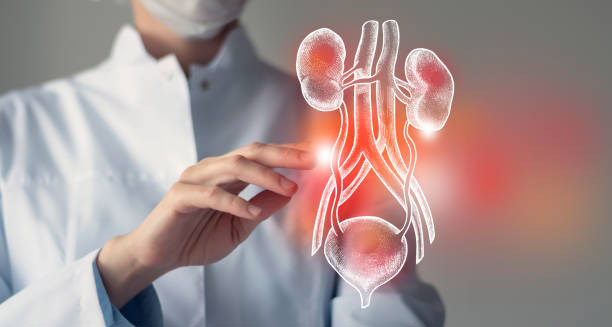
Doctor pointing at a digital illustration of inflamed kidneys indicating kidney infection

Overview of Kidney Infection

Kidney infection is a serious type of urinary tract infection (UTI) that happens when bacteria or viruses travel up the urinary tract and reach one or both kidneys. Also called pyelonephritis, this infection can cause significant discomfort. If untreated, it may lead to long-term kidney damage or life-threatening problems. Though more common in women due to anatomy, kidney infections can affect people of all ages and genders, including children and older adults. Recognising the seriousness of a kidney infection is key. Timely treatment can prevent complications and help patients fully recover. The kidneys filter waste from the blood and regulate fluid balance, electrolytes, and blood pressure. Infection disrupts these vital roles and can spread to the bloodstream, causing urosepsis—a medical emergency. That is why quick diagnosis and treatment matter. Understanding the Urinary Tract To understand kidney infection better, it helps to know how the urinary tract works. The main parts are: Most UTIs start in the urethra or bladder. Bacteria then travel upward through the ureters to the kidneys. This ascending infection is the usual route, with Escherichia coli (E. coli) as the most common cause. Who Is at Risk? Anyone can get a kidney infection, but these factors increase risk: Types of Kidney Infections Kidney infections can be: Early recognition and antibiotics are essential in both types. Common Pathogens Involved While E. coli causes most infections, other bacteria may be involved, especially in hospitals or immune-compromised people. These include: Viral kidney infections are rare but may occur after organ transplants or in weakened immune systems. How Infections Reach the Kidneys There are two main ways: Both cause inflammation and kidney tissue damage, leading to pain, fever, and malaise. Signs of Severity A kidney infection is more serious than a simple bladder infection. Warning signs include: If these occur, urgent medical care is needed to prevent worsening illness. Long-Term Consequences Most people recover well with timely antibiotics. However, delayed or improper treatment may cause: Prevention and Early Intervention Prevent kidney infection by: People with frequent UTIs may need a urology evaluation or preventive antibiotics. Final Thoughts Kidney infection is not just a common UTI—it is a serious condition requiring prompt diagnosis and treatment. Knowing the signs, risk factors, and seeking early care are crucial to prevent complications. Kidney infections affect all ages and should never be ignored. With proper care, most patients recover fully and avoid serious problems. [Next: Causes of Kidney Infection →]

Overview of Kidney Infection Read More »

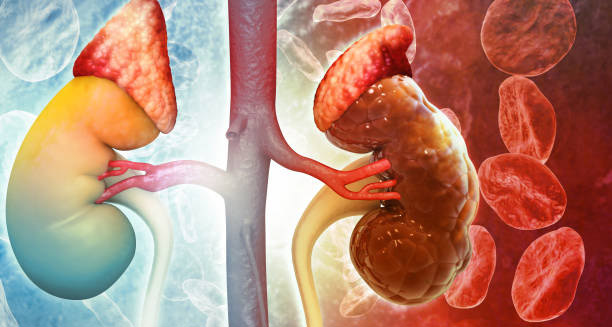
Illustration comparing a healthy kidney with an infected kidney showing tissue damage

Causes of Kidney Infection

Kidney infection is usually caused by bacteria that enter the urinary tract and travel upward to infect one or both kidneys. This infection, called pyelonephritis, often starts as a lower urinary tract infection (UTI) that spreads if untreated or poorly managed. Anyone can get a kidney infection, but some risk factors and body mechanisms increase the chance of getting one. Knowing the causes helps prevent recurrence and long-term damage. Most kidney infections are part of a broader urinary tract issue involving the bladder and urethra. Here are the main causes: 1. Bacterial Ascension from the Bladder or Urethra Most kidney infections are caused by Escherichia coli (E. coli), bacteria commonly found in the gut. E. coli enters through the urethra and moves to the bladder. If not cleared, bacteria travel up the ureters to the kidneys.This ascending route is more common in women because their urethra is shorter and closer to the anus. Sexual activity, poor hygiene, and irritating feminine products increase bacterial spread. 2. Urinary Tract Obstruction Blockages in the urinary tract stop urine from draining properly. Stagnant urine encourages bacterial growth, leading to infection. Common causes include: 3. Vesicoureteral Reflux (VUR) VUR occurs when urine flows backward from the bladder to the kidneys. This backflow carries bacteria directly to the kidneys, causing infection. VUR mostly affects children, especially those with repeated UTIs, and may be present at birth or develop later.Undiagnosed VUR raises the risk of kidney infections and scarring. Some cases improve with age, but others need surgery or long-term antibiotics. 4. Compromised Immune System Weakened immunity increases the risk of kidney infection. A poor immune response allows bacteria to grow and makes infections harder to fight. Causes of immune suppression include: 5. Catheter Use and Hospitalisation Urinary catheters drain urine in immobile, surgical, or very sick patients. If not kept sterile, catheters can introduce bacteria into the urinary tract. This may lead to bladder infections that spread to the kidneys.Hospital-acquired infections often resist antibiotics and involve tough bacteria like Pseudomonas or drug-resistant E. coli. Strict hygiene and monitoring are vital during catheter use. 6. Pregnancy-Related Changes Pregnancy increases risk of UTIs and kidney infections due to hormone and body changes. Progesterone relaxes ureter walls and slows urine flow, while the growing uterus presses on the urinary tract, causing urine buildup.Also, the immune system adjusts during pregnancy to protect the fetus, reducing its ability to fight infection. Kidney infections in pregnancy can cause premature labour, low birth weight, or widespread infection. Prompt treatment is critical. 7. Poor Personal Hygiene and Sexual Activity Wiping from back to front after bowel movements can move bacteria from the anus to the urethra, especially in women. Sexual activity can introduce bacteria into the urinary opening.Use of diaphragms, spermicides, or some lubricants may raise infection risk. Urinating after sex and good genital hygiene help lower this risk. 8. Congenital Abnormalities Some people are born with urinary tract issues that disrupt urine flow. These problems may remain hidden until childhood or adulthood and cause repeated infections or kidney infection symptoms.Treatment may require surgery or long-term antibiotics to avoid kidney damage. Early diagnosis through imaging or specialist care is key. 9. Bloodborne (Haematogenous) Infection Rarely, bacteria reach the kidneys through the bloodstream from infections elsewhere, such as skin abscesses, pneumonia, or infected IV lines.This type often affects both kidneys and may quickly lead to sepsis. Early detection and strong antibiotic treatment are necessary. Final Thoughts Knowing the causes of kidney infection helps prevent this serious condition. From good hygiene to managing chronic diseases, many factors affect risk. Identifying and treating underlying causes reduces recurrence and protects kidney health. [Next: Symptoms of Kidney Infection →]

Causes of Kidney Infection Read More »

Woman clutching her abdomen in pain, showing symptoms of a kidney infection

Symptoms of Kidney Infection

Kidney infection often comes with a mix of urinary, whole-body, and sometimes stomach symptoms. These can appear suddenly or build up slowly, depending on how bad the infection is and the person’s overall health. Because kidney infections are more serious than simple urinary tract infections (UTIs), spotting symptoms early is very important. Early treatment helps stop kidney damage or sepsis. 1. Fever and Chills A main symptom of kidney infection is a high fever, usually above 38.5°C (101.3°F), with chills and shaking. The body raises its temperature to fight the bacteria. Unlike bladder infections, kidney infections cause a stronger whole-body reaction, so fever is a key sign.Chills may come in waves and be strong enough to make the teeth chatter. Anyone with these signs, plus pain or urinary problems, should see a doctor quickly. 2. Flank or Lower Back Pain Pain on one or both sides of the lower back or just below the ribs is a classic kidney infection sign. The pain can be sharp, throbbing, or dull and last a long time. It usually stays on the side of the infected kidney.Sometimes, the pain spreads to the lower belly or groin. It often gets worse with movement and can make walking or lying down uncomfortable. Unlike muscle back pain, this pain gets worse with infection and comes with other body symptoms. 3. Painful or Frequent Urination Since kidney infections often start as urinary tract infections, urinary symptoms are common: 4. Cloudy or Foul-Smelling Urine Kidney infections often change urine’s look and smell. It may be: These changes are warning signs, especially with fever and pain. 5. Nausea and Vomiting The infection can cause stomach upset, especially in more severe cases. Nausea and vomiting happen because of chemicals released by the infection, fever, and bacterial toxins in the blood.These symptoms are worrying since they can cause dehydration and hurt kidney function. Hospitals often give fluids and medicine to stop vomiting. 6. Fatigue and Malaise People with kidney infection often feel very tired, weak, and generally unwell. This is the body’s normal response to infection and can last even after other symptoms fade.Fatigue may be stronger in older adults or those with diabetes, kidney problems, or weak immune systems. Sometimes, tiredness comes before more obvious signs like fever or pain. 7. Confusion in Older Adults Older people may not show typical symptoms. Instead, they may become confused, disoriented, or act strangely. These signs might be mistaken for dementia or stroke. This sudden confusion, called delirium, is a medical emergency. It usually results from infection-related inflammation or dehydration.Caregivers and doctors must watch for these changes and check for kidney infections if confusion happens. 8. Pelvic or Abdominal Discomfort Some people, especially women, may feel a dull ache or pressure in the lower belly or pelvic area. This can feel like menstrual cramps or stomach upset but usually comes with urinary pain or fever.Men may feel discomfort between the anus and scrotum if the infection involves the prostate. These symptoms help tell apart different conditions. 9. Shivering and Sweating Shivering and heavy sweating, especially at night, are common. The body swings between feeling cold and hot as it tries to control fever.Sweating can cause fluid loss and upset body salts, so drinking fluids and watching for worsening infection is important. 10. Urine Retention or Difficulty Passing Urine Less often, some patients find it hard to pee or cannot pee at all if swelling or inflammation blocks urine flow.This happens more in men with enlarged prostates or those with kidney stones or urinary problems. Immediate medical help is needed to avoid more damage. Final Notes on Symptom Recognition Knowing the symptoms of kidney infection early can improve treatment and recovery. Many signs overlap with other urinary problems like cystitis or prostatitis, so proper medical checks are key. Anyone with high fever, side pain, or lasting urinary discomfort should get medical help fast.Quick action stops infection from reaching the blood, where it can cause life-threatening sepsis or permanent kidney injury. Spotting symptoms early can save lives, especially in the elderly, babies, or people with weak immunity. [Next: Diagnosis of Kidney Infection →]

Symptoms of Kidney Infection Read More »

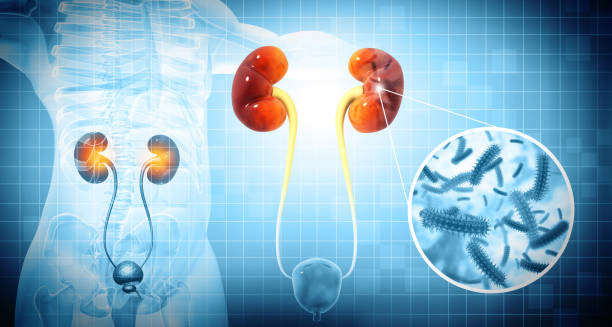
Medical illustration showing kidney infection diagnosis with bacteria magnification

Diagnosis of Kidney Infection

Kidney infection diagnosis is an essential clinical process that ensures appropriate treatment and prevents long-term health consequences. Because a kidney infection can mimic other urinary or abdominal conditions, doctors must use a combination of patient history, symptom review, physical examination, and laboratory tests to confirm the presence of the infection. Without proper diagnosis, this potentially serious condition could lead to complications such as sepsis, renal scarring, or impaired kidney function. Understanding the Diagnostic Approach A kidney infection, also called acute pyelonephritis, usually starts as a lower urinary tract infection and moves up to the kidneys. Detecting this early is very important. Doctors begin by taking a full medical history, then perform a physical exam. They also use urine tests, blood tests, and sometimes imaging scans. This approach helps show how bad the infection is, if complications exist, and if any conditions might cause repeated infections. Medical History and Symptom Review The first step is to gather detailed medical history. Patients describe their symptoms, including when they started, how strong they are, and if they have changed. Doctors ask questions like: Doctors also check risk factors like past urinary tract infections, urinary tract problems, pregnancy, diabetes, or weak immune systems. In women, recent sexual activity or use of spermicides may increase infection risk. Knowing this helps doctors tell kidney infection apart from bladder infections, kidney stones, or gynecological issues. Physical Examination The physical exam looks for signs that support kidney infection. One important test is pressing on the back below the ribs where the kidneys sit to check for pain. This is called costovertebral angle tenderness. If present along with fever and urinary symptoms, it strongly suggests kidney infection rather than a bladder infection. Other signs may include: Though these symptoms are not only in kidney infections, they add to the suspicion and justify further tests. Urinalysis and Urine Culture Urinalysis is a key test. A clean midstream urine sample is checked for: Microscope checks can find bacteria, pus cells, and kidney-specific white blood cell casts. These casts point directly to kidney infection instead of a bladder infection. A urine culture then grows the bacteria to find the exact germ causing the infection. This guides doctors to choose the best antibiotic, especially if initial treatment fails. While E. coli is most common, other germs like Klebsiella, Proteus, or Enterococcus may appear in hospital or complicated cases. Blood Tests For moderate to severe infections, blood tests provide important clues. These include: Blood test results help assess infection severity, hospital needs, and risk of kidney injury. Imaging Studies Imaging is not always needed for simple cases but is important when diagnosis is unclear, treatment fails, or complications are suspected. Scans help find kidney stones, blockages, abscesses, or structural problems. Common imaging tools include: Imaging is especially important for men, children, and patients with repeated infections, as these groups often have underlying causes. Special Populations ChildrenDiagnosing kidney infection in children can be hard because symptoms may be vague. Babies may only have fever, poor feeding, irritability, or vomiting. Early diagnosis is key to prevent kidney scarring. Pregnant WomenPregnancy increases risk due to changes in hormones and pressure on the urinary tract. Diagnosis uses urine tests and often ultrasound to protect the baby and mother. Older AdultsOlder adults may show unusual signs like confusion, weakness, or loss of bladder control instead of typical fever and pain. This makes lab tests even more important. Differential Diagnosis Doctors must rule out other conditions that look like kidney infection, such as: Lab tests and imaging help make the right diagnosis and avoid wrong treatment. Summary Diagnosing a kidney infection means combining patient history, exam, urine and blood tests, and sometimes imaging. Getting the diagnosis right prevents serious problems like sepsis, chronic kidney disease, or permanent damage. Early detection and treatment are vital, especially in children, pregnant women, and the elderly. [Next: Treatment of Kidney Infection →]

Diagnosis of Kidney Infection Read More »

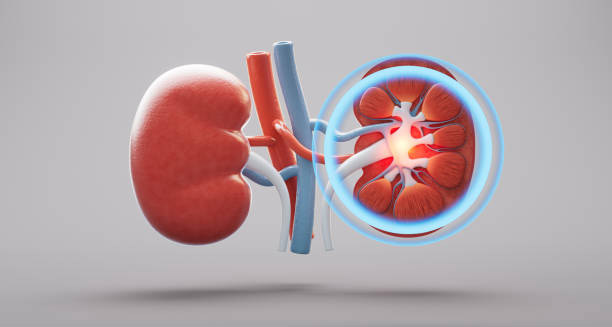
3D rendering of kidney with highlighted infection area under treatment

Treatment of Kidney Infection

Treatment of kidney infection is essential to prevent the condition from worsening or leading to severe complications such as kidney damage, sepsis, or chronic urinary issues. Prompt and proper care not only eases symptoms but also protects long-term kidney health. A treatment plan should match the infection’s severity, the patient’s health history, and any other medical concerns to get the best results. Most kidney infections happen when bacteria travel from the bladder up to the kidneys. These bacteria cause inflammation and infection. So, the main goal in treatment is to kill the bacteria with antibiotics, keep the patient hydrated and healthy, and stop the infection from coming back by following up or fixing any body issues. Antibiotic Therapy for Kidney Infection Antibiotics form the core of treatment for kidney infection. Doctors choose them based on likely bacteria or urine test results. Often, treatment starts before test results return, using broad antibiotics that fight common germs like E. coli. For mild to moderate infections: For severe infections: Pain Management Kidney infections often cause strong pain in the side or back. This pain can make sleeping, eating, and moving difficult. Pain relief is an important part of treatment. Paracetamol is usually the first choice for pain. Doctors may recommend NSAIDs like ibuprofen, but only if kidney function is good. Drinking enough fluids and resting also help reduce symptoms faster. Good pain control lets patients stay comfortable while fighting the infection. Hydration and Supportive Care Drinking plenty of fluids helps flush bacteria out of the urinary tract and keeps blood flowing well to the kidneys. Patients should drink as much as they can unless a doctor limits fluids because of other health problems. In hospital, doctors watch fluid and mineral levels, especially if patients vomit or become dehydrated. IV fluids may be needed when patients cannot drink enough. Proper hydration supports antibiotics and helps the body heal during treatment. When to Admit to Hospital Not all kidney infection cases can be treated at home. Some need hospital care, including: In hospital, patients get IV antibiotics, fluids, and constant monitoring. They leave when stable, fever-free, and able to take medicine by mouth. Special Care for Pregnant Women Pregnant women with kidney infection face higher risks like early labour, low birth weight, or pre-eclampsia. Treatment must protect both mother and baby. Doctors often use IV antibiotics like ceftriaxone or ampicillin. They avoid drugs like tetracyclines or fluoroquinolones that can harm the fetus. Hospital stays are common, especially later in pregnancy. Careful antibiotic choice and close checks keep treatment safe and effective. Treatment in Children Children, especially babies and young kids, often need hospital care for kidney infections. Quick treatment helps prevent scarring and long-term harm. Doctors may start with IV antibiotics such as cefuroxime or gentamicin. When children improve, they switch to oral antibiotics for 7 to 10 days. Follow-up scans check for reflux or urinary tract issues. Teaching parents to spot urinary infection signs helps avoid repeated infections. Managing Recurrent Kidney Infections Some people get kidney infections again and again. Treatment then means curing the current infection and preventing new ones. Prevention steps include: If a problem like urine flowing backward or blockage is found, surgery may be needed to stop further infections. Follow-Up and Monitoring After treatment, follow-up ensures the infection is gone and catches any problems early. Doctors may repeat urine tests 1–2 weeks later to confirm bacteria are gone. Imaging scans may be needed if the infection was severe, repeats often, or unusual. Patients should report any new symptoms quickly and finish all medicine. Proper follow-up helps keep kidneys healthy. Alternative and Supportive Treatments Some patients try extra methods alongside antibiotics. These can include: It is important these do not replace medical treatment but may help when used together. Conclusion Treating kidney infection needs a mix of timely antibiotics, hydration, pain control, and close monitoring. Whether at home or in hospital, the aim is to clear infection, ease symptoms, and avoid kidney damage. Special care is key for children, pregnant women, and older adults. With proper and timely treatment, most people recover well and avoid serious health problems. [Next: Complications of Kidney Infection →]

Treatment of Kidney Infection Read More »

Man sitting on bed holding lower back in pain due to kidney infection complications

Complications of Kidney Infection

Complications of kidney infection can pose serious risks to long-term health if the condition is not managed effectively and without delay. When treatment is late or incomplete, problems can become severe. These may include sepsis, kidney scarring, chronic kidney disease, high blood pressure, and sometimes kidney failure. These risks show why early diagnosis, full antibiotic treatment, and proper follow-up care are so important. The kidneys filter waste and balance fluids and minerals. When infection damages these tasks, the results can be life-threatening or permanent. Although most kidney infections get better with antibiotics and fluids, the chance of complications grows when treatment is late, stopped early, or does not work well. People with weak immune systems, urinary tract problems, or long-term illnesses like diabetes face higher risks. Children and older adults also have more danger because their immune defenses are not strong. Knowing what complications can happen helps patients, families, and doctors stay alert. Permanent Kidney Damage (Renal Scarring) Renal scarring, or permanent kidney damage, is one of the most common long-term problems from kidney infection. When the kidney tissue gets inflamed, it can scar and lose function. This damage usually cannot be fixed and may worsen over time without obvious symptoms. In children, kidney scarring can cause slow growth, high blood pressure, and future kidney troubles. Adults may develop chronic kidney disease if infections happen again and again. The risk of scarring is higher if infections are left untreated for more than two days or if urinary system problems slow healing. Preventing scarring means treating infections quickly and watching high-risk patients closely. Sepsis and Septic Shock Sepsis is a life-threatening complication of kidney infection. It happens when bacteria from the infection enter the bloodstream and cause a body-wide inflammatory reaction. Sepsis can quickly turn into septic shock, which causes dangerously low blood pressure, failure of several organs, and death. Signs of sepsis include: Sepsis needs urgent hospital care with IV antibiotics, fluids, and sometimes intensive care. The chance of dying from sepsis rises sharply if treatment is delayed. That is why any serious symptoms from a kidney infection must be treated as a medical emergency. Chronic Kidney Disease (CKD) Chronic kidney disease means the kidneys lose their ability to work well over time. Severe or repeated kidney infections can cause or speed up this problem. CKD is one of the most serious long-term complications of kidney infection. When kidney tissue scars or fails, the organs cannot filter blood, balance minerals, or control fluids properly. This leads to: In advanced CKD, people may need dialysis or a kidney transplant. Those with diabetes, high blood pressure, or existing kidney issues should be checked carefully after a kidney infection. High Blood Pressure (Secondary Hypertension) High blood pressure often occurs after kidney infection because the damaged kidneys cannot control blood pressure well. The kidneys normally keep blood pressure steady by managing fluids and hormones. Scarring or ongoing inflammation can cause blood pressure to stay high. This can speed up kidney damage and raise the risk of stroke, heart attack, and heart failure. Managing infections well, checking blood pressure often, and making healthy lifestyle choices help reduce this risk. Abscess Formation An abscess is a pocket of pus that forms from bacterial infection. In kidney infections, abscesses may grow inside the kidney (renal abscess) or around it (perinephric abscess). These abscesses are rare but serious. Signs include: Abscesses usually need surgery or needle drainage along with long antibiotic courses. If not found quickly, they can burst, cause sepsis, or cause lasting kidney harm. CT scans or ultrasound help doctors spot abscesses when patients do not get better as expected. Pregnancy Complications Kidney infections during pregnancy can harm both mother and baby. Risks include early labour, low birth weight, and a condition called pre-eclampsia. Pregnant women get more urinary infections because hormones and the growing womb press on the urinary tract. A kidney infection in pregnancy can worsen fast and may cause sepsis if not treated quickly. Doctors treat urinary infections firmly in pregnancy to prevent this. Hospital care, IV antibiotics, and close monitoring of the baby are often needed. After treatment, doctors usually do scans to check for any urinary problems. Recurrent Infections Repeated kidney infections cause more worry and damage. They may happen due to problems such as: Having many infections raises the risk of permanent kidney damage, especially in children or people with urinary tract issues. Treatment may include preventive antibiotics, surgery, or specialist care. Drinking enough water, good hygiene, and regular check-ups with kidney or urinary specialists can help stop repeat infections and protect the kidneys. Delayed Development in Children Children with repeated kidney infections or urinary reflux may grow slowly, develop late, or have learning problems. These issues come from ongoing illness and low red blood cell counts. Early diagnosis, fixing urinary problems, and long-term check-ups help avoid these setbacks. Children who had kidney infections should have regular scans to watch kidney growth and health. Conclusion Most people get better after a kidney infection with fast and proper treatment. However, complications of kidney infection can be serious or deadly if ignored. These include kidney scarring, sepsis, chronic kidney disease, high blood pressure, abscesses, and pregnancy problems. The chance of infections coming back and causing lasting damage means patients must finish treatment, do follow-ups, and fix any body problems. By knowing the possible complications of kidney infection, patients and doctors can act early and protect kidney health. [Next: Back to Overview →]

Complications of Kidney Infection Read More »

Scroll to Top