Mental Matters

Author name: admin

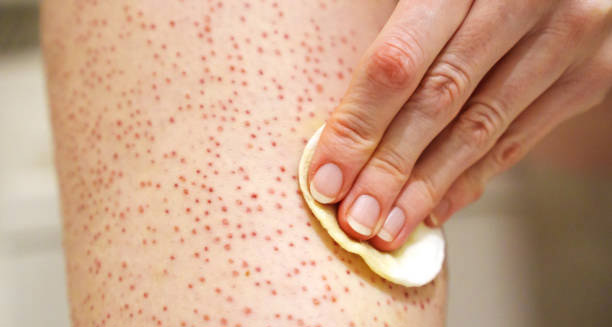
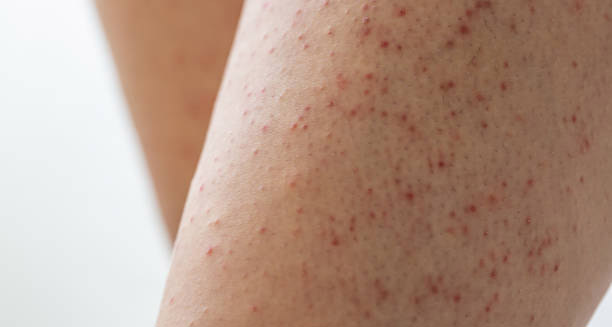
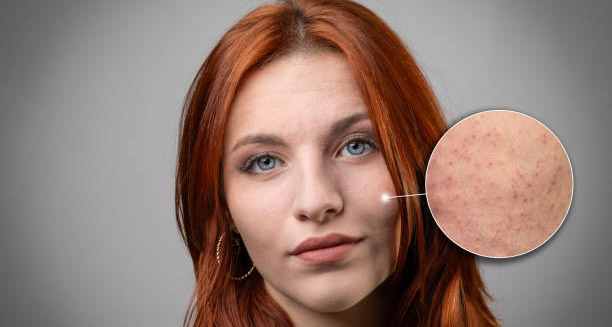
Close-up of skin with red bumps caused by keratosis pilaris on the thigh

Overview of Keratosis Pilaris

Keratosis pilaris is a common, benign skin condition characterised by small, rough bumps typically found on the upper arms, thighs, cheeks, or buttocks. This skin issue happens when keratin, a hard protein that protects the skin, builds up inside hair follicles. Instead of falling away, the keratin clogs the tiny openings of the follicles. This creates rough, raised bumps on the skin. Most people notice keratosis pilaris during childhood or teenage years. But adults can also get it. People with dry skin, eczema, or a family history of skin problems tend to develop it more often. The bumps don’t spread from person to person. They rarely cause pain. Still, many people, especially teens, feel upset or embarrassed about how it looks. Prevalence and Demographics of Keratosis Pilaris Keratosis pilaris affects a large number of people across the world. Experts estimate that up to 50% of adults and 80% of teenagers may get it at some point. The bumps tend to show up more in winter when the air is dry and skin loses moisture. Both males and females can develop this condition. However, it may be slightly more common in females. This might be because women often notice or worry about changes in skin more than men. This skin issue often appears along with others. Some people with keratosis pilaris also have eczema, ichthyosis vulgaris (which causes very dry skin), or hay fever. These problems suggest the skin reacts more easily than usual, often due to family traits. Causes and Pathophysiology The main reason keratosis pilaris happens is due to too much keratin building up in the skin. The body should naturally shed keratin, but sometimes it gets trapped. This creates small plugs in the hair follicles, which become bumps. Sometimes, these bumps turn red or sore if the area gets irritated. The exact reason for this keratin build-up is still not completely clear. But family history seems to play a big role. Many people with keratosis pilaris have parents or siblings with the same issue. Other factors can also make it worse: Because bacteria or fungi do not cause keratosis pilaris, it doesn’t improve with antibiotics or antifungal creams. Instead, the best way to treat it is through gentle skincare, good moisture, and regular exfoliation. Recognising Keratosis Pilaris Keratosis pilaris usually looks like lots of small, rough bumps. These bumps can be the same color as your skin or slightly red, white, or brown. They are usually under 1mm wide and feel dry or bumpy. You’ll often find them on: The bumps don’t usually hurt, but they can itch a little, especially when the air is dry or cold. The condition doesn’t lead to any serious health issues. Over time, the bumps might fade or change color. But without care, they rarely go away completely. Season changes, stress, and how you take care of your skin can all affect how severe the bumps get. Psychosocial Impact of Keratosis Pilaris Even though keratosis pilaris is not dangerous, it can affect how people feel about themselves. Many people feel shy or sad because of how their skin looks. This is even more common when the bumps show on places people can see, like the arms or face. This can lead to: Teenagers often feel these effects the most. During those years, how someone looks can feel very important. That’s why it helps to explain what keratosis pilaris is and remind young people it’s common and nothing to be ashamed of. Prognosis and Long-Term Outlook Keratosis pilaris is a long-lasting condition, but you can manage it well. For many people, the bumps improve with time. Often, the condition becomes much milder by the late twenties or early thirties. Still, some people will always have it unless they stick to a regular care routine. There is no cure, but daily use of moisturisers and gentle exfoliants can help a lot. In tougher cases, treatments like chemical peels or laser therapy may make the skin look better. Even though keratosis pilaris doesn’t turn into anything serious like skin cancer, it does need time and care to manage well. More than anything, it’s about helping people feel better about their skin. Keratosis Pilaris and Related Conditions Many people with keratosis pilaris also have other skin or allergy issues. These may include: These links may point to a deeper body connection or inherited pattern. But even people who are otherwise healthy can get keratosis pilaris. Looking at the bigger picture can help doctors and patients create a care plan that works for the whole body, not just the skin. Final Thoughts on Keratosis Pilaris In conclusion, keratosis pilaris is a common skin condition that many people deal with at some point in life. While it doesn’t harm your health, it can affect how you feel. With steady care, the right products, and clear guidance, most people can take charge of the condition. Over time, they can get smoother and healthier-looking skin. The next parts of this guide will go over the Causes of Keratosis Pilaris, then move into its Symptoms, Diagnosis, Treatment, and Complications. Each part aims to help you understand and manage your skin better. [Next: Causes of Keratosis Pilaris →]
Overview of Keratosis Pilaris Read More »

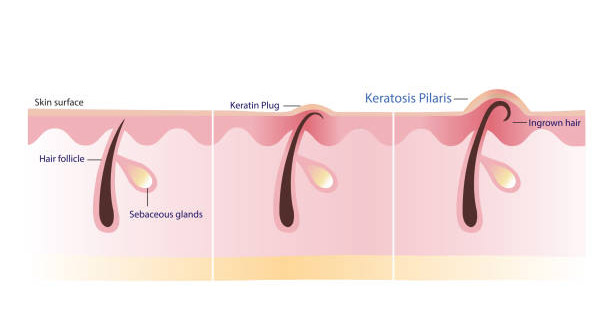
Illustration showing the causes of keratosis pilaris with keratin plugs and ingrown hair

Causes of Keratosis Pilaris

The causes of keratosis pilaris are largely rooted in genetics and skin physiology, though environmental and lifestyle factors can also play a contributing role. Understanding the causes of keratosis pilaris helps with better control. The condition often lasts for years and may get worse or better with seasonal shifts, hormone changes, or overall health. At its core, keratosis pilaris happens when the skin does not shed properly. Dead skin cells build up and block hair follicles. This causes the rough, bumpy patches seen on the skin. Though harmless, it can cause emotional stress, especially for teens and adults who worry about how their skin looks. By learning what causes it, people and doctors can build better skincare plans and realistic goals to manage this common skin problem. Genetic Role in the Causes of Keratosis Pilaris Genetics play the biggest role among the causes of keratosis pilaris. Research shows the condition often runs in families. If one or both parents have it, their children are more likely to get it too. This pattern is called autosomal dominant, which means only one parent needs to have the gene for it to pass on. In some families, keratosis pilaris happens along with other skin issues like ichthyosis vulgaris. This condition causes dry, flaky skin. When genes affect how the skin makes and uses keratin, the hair follicles can become blocked. As a result, the skin becomes bumpy. Most people with a family history start showing symptoms in childhood. The condition may last into adulthood if not managed well. Keratin Build-Up and Follicle Blockage Keratin is a tough protein found in skin, hair, and nails. One of the most direct causes of keratosis pilaris is when the body makes too much keratin. This causes the top skin layer to thicken. Instead of shedding, the extra keratin gets stuck in hair follicles and forms plugs. These plugs make the skin feel rough and cause small bumps. Often, the skin around these bumps also looks red, especially in people with lighter skin. While experts are not sure why keratin builds up this way, both genes and surroundings seem to play a part. Dry Skin, Weather, and Skin Routine Dry skin makes keratosis pilaris worse. Without enough moisture, skin flakes more and sheds unevenly. This leads to more blocked follicles. That’s why symptoms often get worse in winter or in places with dry air. Heating systems indoors can also dry out the skin. People who don’t use moisturiser daily are more likely to have flare-ups. Harsh soaps, hot showers, and frequent washing also remove natural oils, drying out the skin more. To prevent this, it’s important to stay hydrated and protect the skin barrier. Hormonal Triggers for Keratosis Pilaris Hormone shifts can affect the causes of keratosis pilaris. Puberty, pregnancy, and menopause often bring changes in how much oil the skin makes, how skin cells behave, and how well the skin holds moisture. Teens often notice keratosis pilaris at the same time they get acne or dandruff. This suggests a hormone link that speeds up keratin build-up. Although it affects both sexes, it shows up more often in women, likely due to hormonal cycles and different skin moisture levels. Other Skin Conditions and Immune Links Keratosis pilaris often shows up with other skin and immune problems like: These problems are part of what’s called the “atopic triad.” They share common roots in both the immune system and family history. If someone has one, they are more likely to get another. This means immune or genetic patterns may play a key part in the causes of keratosis pilaris. Poor Exfoliation and Skincare Myths Keratosis pilaris is not caused by being unclean. However, if skin isn’t exfoliated enough, keratin can build up faster. People with slow skin turnover or who don’t exfoliate often might notice more bumps. But scrubbing too hard or using rough products can damage the skin. This can lead to more irritation and worse symptoms. Also, it’s important to clear up myths. The condition is not contagious. You can’t catch it by touching someone or from shared surfaces. Teaching others about these facts is key, especially for kids or teens feeling embarrassed about their skin. Causes of Keratosis Pilaris and Metabolic Links Some research hints at a link between obesity and the causes of keratosis pilaris. Problems like insulin resistance might change the skin barrier or boost keratin production. This could make symptoms worse in people who already have a genetic risk. Also, extra weight means more friction and sweat in skin folds. These areas often get irritated and may show worse signs of keratosis pilaris. While this isn’t a direct cause, staying at a healthy weight and eating well may help improve skin health overall. Friction from Clothes and Skin Irritation Wearing tight or rough clothing may make keratosis pilaris worse. This is common on the thighs, buttocks, or upper arms where the skin rubs more. The constant rubbing can inflame the skin or weaken the skin barrier. This makes it easier for keratin to block the follicles. Although friction doesn’t cause the condition, it can make it more noticeable. Loose, breathable clothing—especially made of cotton—can reduce flare-ups, especially during exercise or hot weather. Final Thoughts on the Causes of Keratosis Pilaris The causes of keratosis pilaris come from many sources: genes, environment, hormones, and habits. The condition is not harmful, but knowing its root causes can help people take action early. When you understand what causes it—like extra keratin, dry skin, or family history—you can better manage it. This means using gentle skincare, staying moisturised, and knowing when to expect flare-ups. Learning about the condition also helps stop the false ideas and stigma that surround it. With the right care and knowledge, people can manage their symptoms and feel more confident in their skin. [Next: Symptoms of Keratosis Pilaris →]

Causes of Keratosis Pilaris Read More »

Close-up of a woman with visible symptoms of keratosis pilaris on her cheeks

Symptoms of Keratosis Pilaris

The symptoms of keratosis pilaris are distinctive, often appearing as small, rough bumps on the skin that resemble goose pimples or the texture of sandpaper. These bumps can look flesh-coloured, red, white, or brown. Their colour depends on skin tone and any irritation. Although they usually don’t hurt, they may cause stress, especially when they show on the upper arms or face. Most people don’t feel discomfort. Instead, they feel upset about how it looks and how it affects their self-confidence. Understanding the signs well can help people notice the condition early. It also helps them manage it better and avoid confusing it with other skin problems. Even though keratosis pilaris is harmless, knowing how it behaves helps avoid worry and wrong treatments. Typical Presentation of Bumps One clear sign of keratosis pilaris is tiny, raised bumps that feel rough. These often show up in groups on places like: These bumps form when too much keratin—a natural skin protein—blocks hair follicles. This makes the skin feel bumpy or uneven. Most of the time, they don’t itch or hurt. But they can sometimes get swollen, turning red and making the skin look blotchy, especially in people with light skin. Variation by Skin Tone The colour of the bumps changes with skin tone. On light skin, the bumps often look pink or red. On darker skin, they may look brown, purple, or just darker than the rest of the skin. This can confuse people, making them think it’s acne, eczema, or another skin condition. In people with darker skin, these bumps may also leave dark spots after they heal. This happens because of post-inflammatory hyperpigmentation. These dark marks can stay for a while, causing more concern about looks. Dryness and Texture Changes Dry skin is another common sign. The affected areas feel dry and rough, like sandpaper. In cold or dry weather, the skin may get even rougher. That’s because of less moisture and more keratin buildup. People might see flaky patches near the bumps. Scratching or rubbing these areas can make them sore. Dryness may also spread to skin nearby, making a larger area feel rough. Redness and Inflammation When keratin plugs cause swelling, it becomes keratosis pilaris rubra. This type includes red skin along with the usual bumps. It often shows on the cheeks or upper arms. The redness might look like rosacea, especially on the face. But unlike rosacea, this condition doesn’t cause flushing, broken blood vessels, or pus-filled bumps. Instead, the redness is steady and looks like a mild rash. Itching and Irritation Most people don’t feel itchy. But some may feel mild itching, especially during cold or dry months. Itching can worsen when people: People with sensitive skin or eczema might itch more. If they scratch a lot, the skin may break and get infected. That can lead to more swelling and discomfort. Facial Symptoms in Children In babies and young children, the cheeks are often affected. The skin may feel dry and bumpy and look red. Parents might think it’s baby acne or an allergy. Even though facial keratosis pilaris may get better with age, it can stay into the teen years or adulthood. Things like cold air, sun, or wind can make the cheeks redder and more noticeable. Symptoms of Keratosis Pilaris Can Change with the Seasons This condition often gets worse in winter. Dry air and indoor heating remove moisture from the skin. Without good skincare, bumps and roughness increase. In summer, many people feel better. The air is more humid, and sun exposure helps. But for some, sweat and heat make things worse. Tight clothes or synthetic fabrics trap heat, which can cause flare-ups. Emotional and Social Effects of Symptoms of Keratosis Pilaris Even though it’s not dangerous, keratosis pilaris can deeply affect self-esteem. The visible bumps, especially on exposed areas like arms or face, may lead to: These emotional issues often get ignored but are a big reason people look for treatment, even if the skin doesn’t hurt. Misdiagnosis and Confusion with Other Conditions Since keratosis pilaris can look like other skin problems, doctors sometimes misidentify it. It may be confused with: Getting checked by a skin doctor helps. This is especially true when the bumps don’t go away with basic treatment. Final Thoughts on the Symptoms of Keratosis Pilaris The symptoms of keratosis pilaris are easy to spot once you know what to look for. They differ by skin type, weather, and personal health. The classic bumps, along with redness and dry skin, can bother people physically and emotionally. Knowing that the condition often changes with the seasons, tends to appear in certain spots, and affects how people feel about their appearance, helps in managing it better. The next section will cover how keratosis pilaris is diagnosed, highlighting clinical approaches, differential diagnosis, and when to seek professional advice. [Next: Diagnosis of Keratosis Pilaris →]

Symptoms of Keratosis Pilaris Read More »

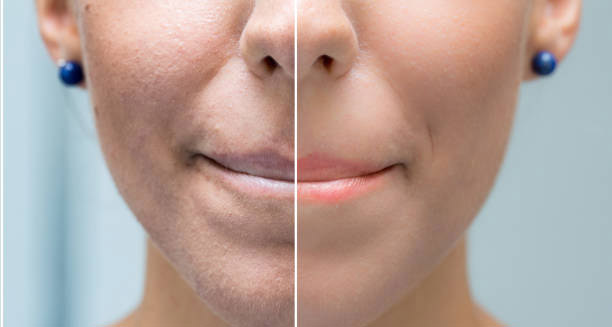
Before and after comparison of facial skin affected by keratosis pilaris

Diagnosis of Keratosis Pilaris

The diagnosis of keratosis pilaris is typically straightforward, relying primarily on clinical observation and patient history. Doctors can usually recognise this condition just by looking at the skin. It shows up as small, rough bumps—often on the arms, thighs, or cheeks. These signs help confirm the diagnosis of keratosis pilaris during a simple check-up with a family doctor or skin specialist. Usually, no tests or procedures are needed. The whole process is fast and non-invasive. However, doctors still need to make sure it isn’t another skin problem that looks similar. That way, the right treatment can be given. Knowing how doctors make this diagnosis helps patients understand what’s happening. It also makes it easier to tell keratosis pilaris apart from more serious skin issues. First Look and Physical Signs The first thing a doctor does is check the skin closely. They look for: These bumps don’t usually hurt. But sometimes, people feel a bit itchy. The fact that there are no blackheads or pus-filled spots helps tell keratosis pilaris apart from acne or other skin issues. Doctors also ask about age, family history, and other skin problems like eczema. These extra clues help confirm the diagnosis of keratosis pilaris. They also guide the best treatment. Medical History and Symptom Details Asking about past symptoms helps doctors make a better diagnosis. They will ask questions like: Most people say their bumps started in childhood or teen years. This fits with how keratosis pilaris often runs in families. Many people also have dry skin, asthma, or allergies. These extra signs point to a higher chance of this condition. If the pattern of bumps seems unusual, doctors might check for other possible causes. Dermatoscope Check Most of the time, a close-up tool isn’t needed. But in some cases, doctors may use a dermatoscope—a small magnifying device—to look at the bumps in more detail. This tool can show: This helps rule out other conditions like acne, fungal infections, or lichen spinulosus when the symptoms are not clear. Ruling Out Other Conditions Even though the signs of keratosis pilaris are clear in most cases, some other skin issues can look similar. That’s why it’s important to rule these out before confirming the diagnosis of keratosis pilaris. Some look-alike conditions include: Doctors may ask more questions or suggest a specialist if they are unsure. When a Biopsy Is Needed In rare cases, a skin biopsy may be done. This happens only when the bumps don’t go away or look unusual. A small piece of skin is taken and looked at in a lab. Under a microscope, doctors may see: This step is only used if there might be another serious skin problem. For most people, a biopsy is not needed to confirm the diagnosis of keratosis pilaris. Diagnosis of Keratosis Pilaris and Genetics This condition often runs in families. Many patients say a parent or sibling has the same skin bumps. While no special genetic test is used, knowing it’s inherited helps doctors feel more sure of the diagnosis. In rare cases, keratosis pilaris may be part of a bigger issue like Noonan syndrome or Cushing’s syndrome. If there are other signs—like short height, hormone changes, or delays in development—then other doctors may need to help with the diagnosis. When to See a Skin Specialist Most regular doctors can diagnose keratosis pilaris. But sometimes, they may send a patient to a dermatologist. This happens when: A skin doctor can offer stronger treatments and help manage the condition better. They can also support people who feel embarrassed by how their skin looks. Explaining the Condition to Patients Once doctors make the diagnosis, they should explain the condition clearly. Patients need to know that keratosis pilaris is: It’s important to set honest expectations. There is no full cure. Still, most people can make the bumps look and feel better with daily care. Final Thoughts on Diagnosis of Keratosis Pilaris The diagnosis of keratosis pilaris is mostly based on how the skin looks and what the patient shares. It’s not dangerous, but knowing what it is helps avoid confusion and worry. Usually, a quick exam is enough. Extra tests are only used when something doesn’t seem right. When patients understand the process, they feel more at ease and more able to manage their skin. [Next: Treatment of Keratosis Pilaris →]

Diagnosis of Keratosis Pilaris Read More »

Applying exfoliating pad to treat keratosis pilaris on the skin

Treatment of Keratosis Pilaris

The treatment of keratosis pilaris focuses on improving the skin’s appearance and texture rather than providing a permanent cure. Keratosis pilaris is harmless but often lasts a long time. Treatment helps reduce bumps and roughness using daily care, exfoliation, and sometimes medicine. However, it takes time to see results. Regular care is needed to stop the bumps from coming back. Even though the condition isn’t harmful or contagious, it can upset people—especially if symptoms are severe. Thankfully, many products and treatments can help. Daily Skincare and Moisturisation in Treatment of Keratosis Pilaris The most important step is sticking to a simple skincare routine. Dry skin often makes the bumps worse. So, moisturising twice a day can really help smooth things out. Helpful moisturisers include: Choose fragrance-free and allergy-safe products to avoid irritation. For better results, apply them after a shower while the skin is still moist. Exfoliation Techniques Getting rid of dead skin cells helps unclog pores. But be gentle. Harsh scrubbing can make things worse. Options include: Chemical exfoliants often work better than scrubs. They go deeper into the skin without causing scratches. Mixing them with moisturisers can improve results while keeping the skin calm. However, don’t overdo it. Too much exfoliating can cause redness, dryness, and soreness. Always adjust how often you use these products based on how your skin reacts. Topical Treatments Several creams and gels help in the treatment of keratosis pilaris. These include: Use retinoids at night and start slowly, especially if your skin is sensitive. Always wear sunscreen while using them because they can make skin more sensitive to sunlight. Medical Treatments and Professional Care For tough cases, dermatologists may suggest stronger treatments. These often give quicker results but may cost more and need follow-up visits. Options include: These treatments work best for people with lots of bumps or who want fast results. Still, they are not cures. Most people need to keep using home care afterward. Lifestyle Choices to Support Treatment of Keratosis Pilaris Small changes at home can also help: These steps help keep the skin calm and more comfortable. Stay Consistent with Treatment The biggest key to success is sticking with your routine. No matter what method you choose, you need to apply it daily. Most people see better skin in 4 to 6 weeks. But stopping treatment too soon often brings the bumps back. Keep your expectations realistic. The treatment of keratosis pilaris may not remove all bumps, but it can make your skin look and feel much better over time. Treatment in Children Children and teens often get this condition too. For them, simple care works best: In many cases, keratosis pilaris gets better with age. Some kids grow out of it. But if it causes stress or discomfort, a children’s skin doctor can help choose gentle treatments. Emotional Support and Patient Education Because this condition is seen as a cosmetic issue, many patients feel ignored. That’s why it’s important to educate and support them. Doctors should take the time to explain the condition. They should also listen to concerns and offer helpful tips. Teenagers especially need extra support, as skin problems can hurt confidence. Online support groups and skin clinics can also help. They give useful advice and remind patients they’re not alone. Final Thoughts on the Treatment of Keratosis Pilaris The treatment of keratosis pilaris works best when you combine gentle skincare, moisture, and the right treatments. There’s no cure, but big improvements are possible. Your results depend on how bad the symptoms are, what your skin can handle, and how steady you are with care. With the right help and knowledge, you can manage your skin and feel more confident. [Next: Complications of Keratosis Pilaris →]

Treatment of Keratosis Pilaris Read More »

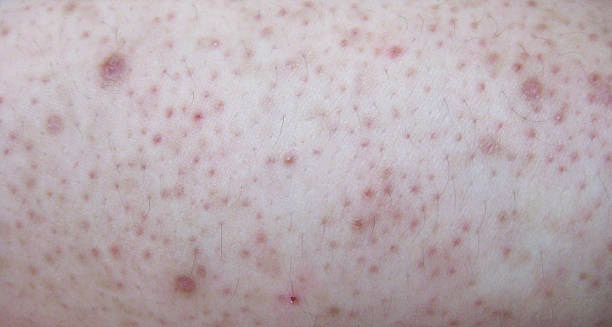
Close-up of severe keratosis pilaris with inflamed bumps and scarring

Complications of Keratosis Pilaris

The complications of keratosis pilaris are generally not medical emergencies but can significantly affect an individual’s quality of life and psychological well-being. Keratosis pilaris is harmless and not contagious. However, its look, ongoing nature, and symptoms can cause other problems. These effects often get ignored, yet they can harm mental health, damage the skin, and lower self-esteem—especially when the condition is more severe or red and swollen. Knowing the complications of keratosis pilaris helps those dealing with it long-term. It also helps doctors and nurses provide better care. Early treatment, good education, and emotional support all help reduce the impact. They also improve long-term results. Emotional and Psychological Impact of Complications of Keratosis Pilaris One major problem is how it affects emotions and self-image, especially for teens and young adults. The bumps often show on the arms, face, or thighs. This visibility causes shame, awkwardness, and low self-worth. These feelings worsen in public or during summer when skin is exposed. People may start to feel: These feelings get stronger if the skin is red or sore. They also increase when others don’t understand what the person is going through. When this happens, therapy or counselling may be helpful. Skin Inflammation and Redness While keratosis pilaris often doesn’t cause inflammation, sometimes the bumps get red, sore, or puffy. This happens if there is too much rubbing or the skin gets treated harshly. A common type called keratosis pilaris rubra makes the skin look even worse and slows healing. When inflammation occurs, people might: Cold air, dry skin, and lack of moisture often make it worse. Using strong scrubs, rubbing too hard, or picking at the bumps also leads to more redness. Skin Pigmentation Changes Some people develop dark or light spots on the skin. This change happens because of repeated irritation or swelling. It’s called post-inflammatory hyperpigmentation or hypopigmentation. This is a bigger concern for people with darker skin, where these marks stand out more and take longer to fade. Common causes include: These colour changes don’t pose a health risk. Still, they can make people feel self-conscious. Even with treatment, it can take months for the skin tone to even out. Scarring and Skin Thickening In some cases, especially if left alone or handled the wrong way, keratosis pilaris can cause scars or thickened skin. While not common, this often happens when someone scratches a lot or uses the wrong products. Scars might appear as: These changes usually result from skin damage—not from keratosis pilaris itself. The risk goes up if other skin problems are also present or if people use strong, unsuitable treatments. Complications of Keratosis Pilaris Affecting Confidence and Clothing Many people adjust their clothing to hide their skin. This means skipping sleeveless tops, shorts, or anything that shows the arms and legs. These changes may seem small. But they often reflect deep worries. People may: This shift in habits lowers confidence and affects how free someone feels to be themselves. It can lower joy in everyday life, especially when people feel forced to cover up. Pregnancy-Related Complications of Keratosis Pilaris During pregnancy, keratosis pilaris often gets worse for a while. Hormones can make the skin drier, redder, and itchier. This may cause more discomfort. Treating the condition during pregnancy is also harder. Some creams, like retinoids, are unsafe to use. Because of this, managing symptoms becomes more challenging. The changes to skin can also affect body image, adding stress to an already emotional time. Misdiagnosis and Lack of Knowledge One big problem is when doctors mistake keratosis pilaris for something else. It is often confused with acne, eczema, or a rash. This leads to: When patients and healthcare workers don’t understand the condition, proper care gets delayed. The bumps may worsen. That’s why education and early help from a skin doctor are so important. Financial Burden and Treatment Stress Living with keratosis pilaris can get expensive. Many treatments cost money, and medical insurance usually doesn’t cover them since it’s seen as a cosmetic problem. People often spend money on: These costs can cause stress, especially when results take time. Setting clear goals and finding affordable options makes it easier to stay on track. Final Thoughts on the Complications of Keratosis Pilaris Keratosis pilaris may not be dangerous. Still, its complications—physical and emotional—can deeply affect people. From skin scars and redness to low confidence and isolation, these side effects show why full understanding is so important. Thankfully, a steady skincare routine, emotional care, and medical support can reduce most of these issues. Early action and kindness from others help improve both the skin and the person’s overall well-being. [Next: Back to Overview →]

Complications of Keratosis Pilaris Read More »

Close-up image of a raised, pink keloid scar on human skin

Overview of Keloid Scars

Keloid scars are a type of abnormal scarring that occurs when the body’s healing process becomes overly active. Instead of stopping once the wound is closed, the scar continues to grow, often expanding beyond the original injury. These scars do not fade with time and can last for years without shrinking. They appear as raised, firm, and often shiny patches on the skin. The color may range from flesh-toned to red or dark brown. Common areas include the chest, shoulders, earlobes, and upper back—though they can form anywhere on the body. Keloids are not dangerous or contagious, but they can be uncomfortable and emotionally distressing. Some people experience itching, tenderness, or pain. Others feel self-conscious, especially if the scars are large or located in visible places. Although they’re not life-threatening, keloids can be difficult to treat and often return after removal. Learning what causes keloid scars, who is at risk, and how to manage them is important for both medical professionals and those who may develop them. Early recognition and care can prevent complications, while tailored treatments offer relief for those already affected. 1. What Are Keloid Scars? Keloid scars belong to the broader category of hypertrophic scars, but they are more aggressive. Unlike hypertrophic scars, which stay within the wound’s borders and may fade over time, keloids grow past the original site and rarely shrink on their own. They form when fibroblasts—the cells responsible for tissue repair—produce too much collagen. This collagen builds up in a disorganized way, creating thick, firm, and sometimes rope-like scars. Keloids can feel tight or even restrict movement, especially if they’re near joints. Under the microscope, they show dense, irregular bundles of collagen and fewer blood vessels. This makes them a type of benign fibroproliferative disorder, meaning they involve excessive tissue growth but are not cancerous. 2. Who Is at Risk for Keloid Scars? Several factors increase the risk of developing keloid scars. Genetics is one of the strongest influences. If keloids run in your family, your chances of getting them are higher. People with darker skin—especially those of African, Asian, or Hispanic background—are also more likely to develop keloids. In African populations, the rate may be as high as 16%, compared to much lower rates in European populations. Age matters too. Keloids most often appear between the ages of 10 and 30. They are rare in young children and older adults. Hormonal changes during puberty or pregnancy may also play a role in scar formation. External triggers include anything that injures the skin. This might be surgery, piercings, acne, insect bites, burns, or even minor scratches. Poor wound care, infections, or repeated trauma to the same spot can raise the risk further. 3. Why Do Keloids Form? The exact cause of keloid scars is still being studied, but researchers believe it involves a mix of immune signals, growth factors, and disrupted healing pathways. Normally, the body stops producing collagen once a wound has healed. In people prone to keloids, that “stop” signal doesn’t work well. Fibroblasts stay active and keep making scar tissue long after it’s needed. Genetic changes may also affect how the body handles inflammation and tissue repair. Some people have higher levels of TGF-β, a growth factor that promotes collagen production. This leads to ongoing growth, long after the wound has closed. 4. How Keloids Affect Daily Life Even though keloids are not harmful to your health, they can still affect your quality of life. People often report feeling embarrassed or frustrated, especially when scars are large or hard to hide. Itching, pain, and tightness can interfere with sleep, daily tasks, or wearing certain clothes. When keloids appear on the face or near joints, they may cause more distress. In children and teenagers, the emotional impact can be especially strong—some face teasing or bullying, which lowers self-esteem. Treatment can also be discouraging. Keloids are known for coming back, even after surgery or laser treatment. That’s why emotional support and counseling are sometimes just as important as physical treatment. 5. Common Sites and Triggers Keloid scars tend to form in areas that experience pressure, stretching, or frequent movement. Common locations include: Even small injuries—like shaving nicks, bug bites, or irritation from tight clothing—can lead to a keloid in people who are genetically predisposed. A scar may start as a small bump and grow over time, even when the original wound seemed harmless. 6. How to Tell Keloids from Other Scars Keloids can look similar to other raised scars, but there are key differences. Hypertrophic scars stay within the boundary of the wound and may shrink over time. Keloids, on the other hand, grow past the original wound and usually stay raised unless treated. Doctors usually diagnose keloids based on their appearance and your medical history. In some cases, a small tissue sample (biopsy) may be needed to confirm the diagnosis. Keloids can sometimes be mistaken for skin nodules or growths like dermatofibromas, so proper evaluation is important. Final Thoughts Keloid scars are a unique challenge in dermatology. While they’re not dangerous, they can have a lasting emotional and physical impact. Their tendency to grow unpredictably, resist treatment, and recur makes them frustrating for patients and doctors alike. Understanding how and why they form can help prevent them or treat them more effectively. Early action and careful wound care are key. As science continues to uncover the biological pathways behind keloid formation, new treatments may offer longer-lasting solutions and relief. [Next: Causes of Keloid Scars →]

Overview of Keloid Scars Read More »

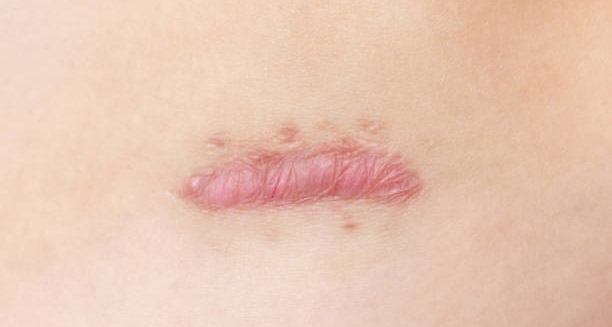
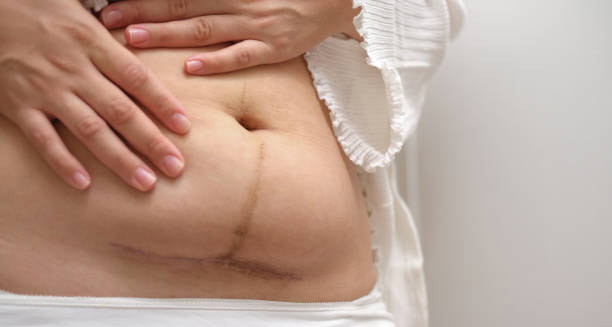
Abdominal scar after surgery indicating potential keloid formation

Causes of Keloid Scars

Keloid scars are caused by an abnormal wound-healing process that results in the excessive growth of fibrous tissue. Unlike normal scars, these continue growing beyond the original wound and may last for months or even years. This ongoing growth happens because the body doesn’t regulate the healing process correctly. Many factors work together here, including genetics, environment, immune function, and body chemistry. While most people recover from cuts or surgery without a problem, others develop keloids due to a stronger and longer-lasting inflammatory response. This reaction leads to thick, raised, often itchy scar tissue. Let’s explore what causes this difference. 1. Genetic Predisposition One of the main causes of keloid scars is genetics. If you have family members with keloids, your risk is much higher. Certain genes involved in healing and collagen control may work differently in your body. These changes lead to overactive fibroblasts, which build too much scar tissue. Keloids are also more common in certain ethnic groups. People of African, Asian, Hispanic, and Middle Eastern descent are more likely to get them. For example, 15–20% of people of African descent may develop keloids, compared to just 1–2% of people with European ancestry. This difference clearly shows that genes play a strong role. 2. Skin Injury or Trauma Any injury to the skin can trigger keloid formation, especially if you’re genetically prone. Even small wounds may lead to keloids. These include: Surprisingly, even tiny scratches can result in a keloid. Sometimes, they even appear without a clear cause, especially in areas with regular tension or rubbing. 3. Inflammation and Delayed Healing The body heals wounds in four steps: bleeding stops, inflammation begins, tissue grows, and the wound remodels. In keloid-prone people, the inflammation and growth stages take longer. This delay keeps fibroblasts active and leads to too much collagen, especially type III collagen, which is common in early scarring. Also, enzymes that break down extra collagen (called MMPs) don’t work well in people who get keloids. As a result, the scar becomes thick and expands beyond the wound’s edge. 4. Hormonal Influences Hormones might also contribute to the causes of keloid scars, especially during times of hormonal change. These include puberty and pregnancy, when hormone levels rise and may affect scar tissue growth. Some small studies and personal accounts suggest that keloids can grow or worsen during pregnancy. This could be linked to changes in oestrogen and progesterone, although more research is needed. 5. Wound Location and Skin Tension Where the injury happens on the body makes a big difference. Keloids tend to form in areas with high skin tension. These include the shoulders, upper chest, back, and jawline. The skin in these places moves often and stretches, which can disrupt healing and trigger more scar growth. The earlobes are also a frequent site, especially after piercings. While this area doesn’t move much, piercing creates a wound that can spark a strong reaction, especially in people at higher risk. 6. Infection or Repeat Injury Wounds that get infected while healing are more likely to form keloids. Infections increase inflammation and delay healing, giving scar-producing cells more time to act. This results in thick, hard scar tissue. Other forms of repeat trauma—such as scratching or rubbing the wound—also make things worse. Poor wound care during the healing phase is another common factor that leads to keloid scar formation. 7. Immune System Problems Recent studies show that the immune system plays a key role in how keloids develop. The immune response controls all stages of healing. If it doesn’t work as it should, it can cause long-term inflammation and overstimulate fibroblasts. People with autoimmune issues or weak immune systems may be more likely to form keloids. High levels of certain immune markers, such as TGF-β and IL-6, have also been found in keloid tissues, further linking the immune system to this condition. 8. Environmental Triggers Sun exposure may also worsen keloids. UV rays cause inflammation and boost pigment cells, which darken scars. They may also trigger scar growth. Protecting healing wounds from the sun—with clothing or sunscreen—can lower this risk. Other outside factors, like air pollution, harsh skincare products, or allergens, may interfere with healing. These irritants can increase inflammation and promote scarring in people who are already prone to it. Final Thoughts The causes of keloid scars are complex and involve many overlapping factors—genetics, injury, inflammation, hormones, and environment. Although many people experience skin trauma, only some go on to form keloids because of how their bodies respond to healing. Knowing these risk factors can help with prevention. Avoiding non-essential piercings, caring for wounds properly, and watching for early signs of abnormal scarring are good first steps. Seeking medical advice early can also help. As researchers learn more about the immune and molecular causes of keloids, better treatments may become available. These advances offer hope for managing and possibly preventing this difficult condition. [Next: Symptoms of Keloid Scars →]

Causes of Keloid Scars Read More »

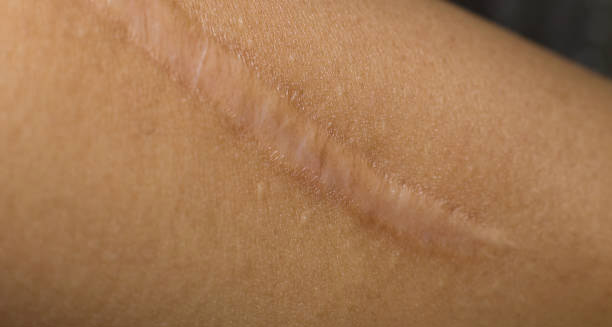
Close-up of a raised keloid scar on dark skin

Symptoms of Keloid Scars

Keloid scars often begin with mild symptoms but can grow into more visible and bothersome problems. These symptoms range from cosmetic concerns to pain and limited movement. Unlike regular scars that fade over time, keloids can grow, itch, and cause discomfort for years. Keloids form when the body produces too much collagen during healing. This results in raised, firm, and often irregular growths that spread beyond the original wound. They can continue to enlarge long after the skin has closed, creating both physical and emotional challenges. 1. Progressive Overgrowth of Scar Tissue The most distinct feature of a keloid is its ongoing growth. A small bump may first appear where an injury—such as a cut, burn, acne spot, or piercing—once was. Over time, this bump can thicken and widen into a firm, shiny mass with rounded edges. Unlike hypertrophic scars, which stay within the wound’s boundaries, keloids extend far beyond. This overgrowth can be especially distressing when it occurs on visible areas like the chest, earlobes, jawline, or shoulders. 2. Skin Discolouration and Texture Changes Colour changes are common with keloid scars. Early on, the scar may look red, pink, or purple due to inflammation and increased blood flow. As time goes on, it may either darken (hyperpigmentation) or lighten (hypopigmentation), depending on your skin tone. Keloids usually feel smooth, firm, and rubbery. Some may be harder or more nodular, while others are softer. These texture changes can be irritating, especially if the scar is in a place that rubs against clothing or moves often. 3. Persistent Itching (Pruritus) Itching is one of the most frustrating symptoms of keloids. It often worsens during the active growth phase and can be triggered by heat, sweat, friction, or dry skin. The itching is caused by nerve irritation in the dense scar tissue. It can last for months—or even years. Repeated scratching can lead to further irritation, possible infection, and even more scar growth, making management harder. 4. Pain and Tenderness Many people with keloids experience pain, especially if the scar is large or growing quickly. The pain may feel sharp, burning, or throbbing and can be constant or triggered by touch or movement. The cause is often nerve compression or irritation by the growing scar tissue. Pain is more common in keloids that form near joints, nerves, or areas that move frequently. 5. Limited Movement Keloids near joints or mobile areas can cause restricted movement. Their stiffness and size can pull on nearby skin and tissues, leading to discomfort or reduced flexibility. For example, a keloid across the knee or elbow can make bending difficult. One on the neck may limit head turning. Over time, this can affect posture, mobility, and even job performance. 6. Sensitivity to Clothing and Friction Some keloids become sensitive to touch. Areas like the shoulders, neck, or chest may be irritated by bra straps, collars, or jewellery. Friction can increase itching, pain, or inflammation. In some cases, even light fabric can trigger discomfort. This sensitivity may cause people to avoid certain clothes or activities, adding to the day-to-day challenges of living with keloids. 7. Emotional and Social Effects Keloids can affect a person’s mental and emotional well-being. Large or visible scars may lead to low self-esteem, social anxiety, or even depression—especially in teenagers and young adults. People may avoid dating, public speaking, or social events. The fact that keloids often return after treatment can make individuals feel discouraged or helpless. In some cases, counselling or support groups may be needed to help manage the emotional burden. 8. Recurrence After Treatment One of the most discouraging symptoms of keloids is their tendency to return. Even after treatments like surgery, steroid injections, or cryotherapy, they often grow back—and sometimes become larger than before. This happens because of a continued abnormal healing response in the skin. Many people must manage their keloids long term. Understanding the risk of recurrence helps set realistic expectations and supports better planning for future care. Final Thoughts Recognising the symptoms of keloid scars is crucial for early diagnosis and better outcomes. These scars are more than just cosmetic—they can cause pain, itching, restricted movement, and emotional distress. By spotting symptoms early, patients and doctors can work together to begin treatment before the scar worsens. A well-rounded care plan, including medical and emotional support, can greatly improve quality of life for people living with keloids. [Next: Diagnosis of Keloid Scars →]

Symptoms of Keloid Scars Read More »

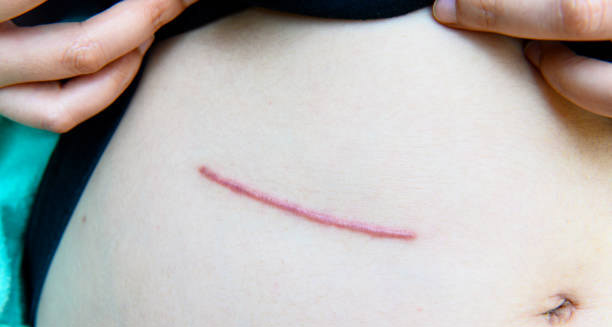
Doctor examining a red, raised scar suspected to be a keloid on the lower abdomen

Diagnosis of Keloid Scars

Keloid scars are usually diagnosed through visual examination and a detailed patient history. Due to their distinct appearance, dermatologists or general practitioners can often identify them by sight. However, a thorough assessment is important to confirm the diagnosis and rule out other skin conditions. Doctors assess the scar’s size, shape, texture, location, and how it has changed over time. They also consider the patient’s medical background and family history. Correct diagnosis is essential, as keloids require specific treatments and have a high chance of returning if not managed properly. 1. Medical History Diagnosis starts with a comprehensive medical history. The doctor will ask about past skin injuries, surgeries, burns, acne, vaccinations, or piercings. These events often lead to keloid formation. Keloids typically appear weeks or months after the skin has healed and may continue growing without new trauma. Family history is also important. Keloids often run in families, and people of African, Asian, or Latin American descent are more prone to them. Knowing this can help support the diagnosis. 2. Clinical Examination A hands-on clinical exam is the most important step in diagnosing a keloid. The doctor will examine several features: The doctor may gently press the area to check for tenderness, warmth, or symptoms like pain and itching. These sensations are common in keloid scars and can help confirm the diagnosis. 3. Differentiating Keloids from Other Conditions It’s crucial to distinguish keloids from similar conditions. The most common confusion is with hypertrophic scars. These are also raised but stay within the wound’s original borders and often flatten over time. Other skin conditions that may mimic keloids include: Correct diagnosis helps avoid unnecessary treatments, such as surgery for a dermatofibroma or medications meant for inflammatory skin diseases. 4. Dermatoscopy and Imaging Most of the time, doctors diagnose keloids by sight and touch. However, in complex cases, they may use tools like dermatoscopy. This handheld device magnifies the skin, revealing patterns of blood vessels, pigmentation, and texture. Ultrasound imaging is sometimes used to check how deep the scar goes. This is useful when planning injections, cryotherapy, or radiation therapy. It can also help distinguish a keloid from a deep cyst or tumor. 5. Skin Biopsy: When Needed A skin biopsy is rarely required for diagnosing keloids. But if the scar looks unusual or keeps growing despite treatment, a biopsy may be done to rule out cancer or other conditions. In this procedure, a small piece of the scar is removed under local anaesthesia. A pathologist then examines the tissue under a microscope. Keloids typically show thick collagen bundles in disorganised patterns and a dense dermis. Biopsies should be used with caution, especially on keloid-prone skin. The incision itself can trigger more scarring. 6. Patient Symptoms and Functional Assessment The patient’s experience plays a key role in diagnosis. Keloids often cause itching, pain, or sensitivity, which help differentiate them from asymptomatic skin conditions. If the scar is near a joint or moves with body motion, the doctor will assess whether it limits mobility or causes friction. These factors are important for planning treatment and monitoring progress. 7. Psychosocial Impact Keloids can affect more than just the skin. People with visible scars may feel embarrassed or anxious. This is especially common in teenagers and young adults. To assess this, doctors may use questionnaires such as the Dermatology Life Quality Index (DLQI). This helps measure how much the scar affects the patient’s emotional well-being and daily life. A full diagnosis should always include mental health as part of the picture. 8. Genetic Testing and Research While not yet routine, genetic testing for keloid risk is being studied. Some genes linked to collagen production and wound healing may explain why some people are more prone to keloids. In the future, genetic testing may help predict who is at risk before elective surgery or cosmetic procedures. For now, doctors rely on family history and ethnic background to assess genetic predisposition. Final Thoughts Diagnosing keloid scars relies mainly on clinical expertise and patient history. Visual inspection and physical examination are usually enough. In rare or unclear cases, tools like imaging or biopsy may help. Early and accurate diagnosis allows for faster treatment and can reduce the risk of further scarring or emotional distress. By considering physical symptoms and mental health together, doctors can create a more complete care plan. Recognising a keloid early is the first—and most important—step toward effective management. [Next: Treatment of Keloid Scars →

Diagnosis of Keloid Scars Read More »

Scroll to Top