Overview of Jellyfish Stings
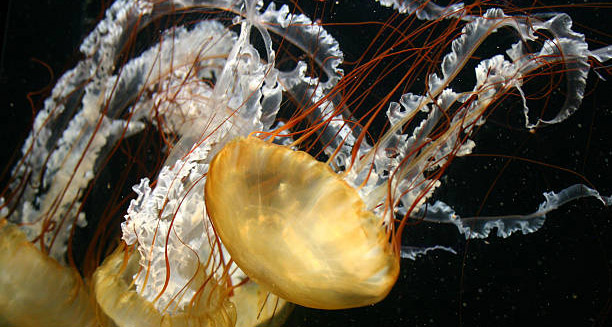
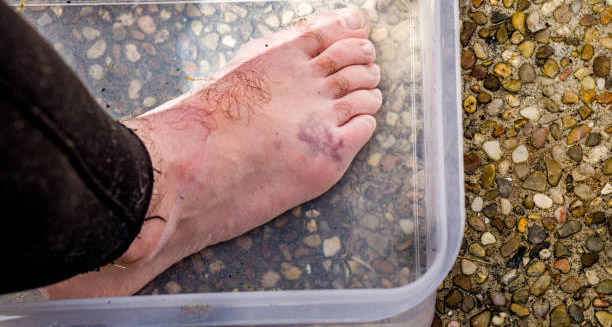
Jellyfish stings are a common marine injury that can range from mildly irritating to potentially life-threatening, depending on the species involved and the individual’s reaction. Every year, thousands of people across the globe experience jellyfish stings while swimming, diving, or walking along coastal shorelines. Although often associated with tropical or subtropical waters, jellyfish inhabit nearly all the world’s oceans, making encounters possible in diverse climates and regions.Therefore, understanding the nature of jellyfish, how they sting, and what signs to look for is essential for preventing injury and ensuring prompt treatment. This comprehensive overview explores the biology of jellyfish, the mechanism of their sting, who is most at risk, and how these incidents are viewed from a public health perspective. 1. What Is a Jellyfish Sting? A jellyfish sting occurs when the tentacles of the jellyfish come into contact with the skin, releasing venom from thousands of microscopic stinging cells called cnidocytes. These cells contain specialised organelles known as nematocysts, which discharge harpoon-like structures that inject toxins into the skin and underlying tissues.As a result, a burning or stinging sensation occurs, which may be accompanied by redness, swelling, welts, or, in severe cases, systemic symptoms such as difficulty breathing, chest pain, or loss of consciousness. Not all jellyfish species are dangerous to humans; however, a few, including the box jellyfish (Chironex fleckeri) and Portuguese man o’ war (Physalia physalis), can be fatal if not treated quickly. 2. The Biology of Jellyfish Jellyfish are free-swimming marine animals from the phylum Cnidaria, a group that also includes corals and sea anemones. Their bodies are composed of 95% water and are distinguished by a gelatinous bell-shaped dome with long, trailing tentacles. These tentacles are where the stinging cells are concentrated.There are thousands of jellyfish species globally, varying in size, shape, colour, and potency of venom. Some are tiny and virtually invisible in water, while others are large and strikingly luminous. Despite their beauty, they can pose real danger to swimmers and divers.Importantly, jellyfish do not sting out of aggression; instead, the sting is a reflexive defence mechanism triggered by physical contact. The venom’s primary purpose is to immobilise prey such as small fish or plankton, but it reacts just as effectively with human skin. 3. Global Prevalence and Risk Jellyfish stings occur worldwide but are especially common in coastal regions of Australia, Southeast Asia, the Gulf of Mexico, the Mediterranean, and parts of the Indian Ocean. In many countries, beachgoers are warned about jellyfish seasons, which correspond with periods of population surges known as blooms.These blooms can result from rising sea temperatures, ocean currents, or changes in fish populations that affect jellyfish prey availability. With global warming and increased human interaction with marine environments, experts suggest that jellyfish encounters are becoming more frequent.Therefore, tourists, water sports enthusiasts, fishermen, and even children paddling in shallow surf are at risk. The use of wetsuits, protective footwear, and awareness of regional marine life is crucial in reducing exposure. 4. Severity and Variability of Reactions The severity of a jellyfish sting depends on several factors: 5. Public Health and Emergency Response From a public health perspective, jellyfish stings are considered a significant marine hazard in many parts of the world. For example, in Australia, national health authorities maintain sting databases and issue regular alerts during jellyfish seasons. Lifeguards are trained in sting identification and response, and warning signs or flag systems are common on affected beaches.However, in more remote or poorly resourced areas, lack of awareness and medical access can result in higher mortality or complications from stings. Education campaigns, beach patrols, and first aid stations play an important role in reducing the health burden.Tourism boards often provide information on jellyfish hazards and how to respond. Wearing stinger suits, avoiding swimming at dawn or dusk, and adhering to local guidance are encouraged. 6. Psychological and Social Impact Beyond the immediate medical concerns, jellyfish stings can have lasting psychological effects. Victims of severe stings may experience trauma, anxiety about returning to the water, or even post-traumatic stress disorder (PTSD) in extreme cases. Parents may become overly cautious or fearful about letting children play in the sea.Moreover, there is also a broader social and economic impact. Popular beaches may experience temporary closures during bloom periods, affecting tourism revenue and local businesses. Communities that rely on the sea for recreation or livelihood can be deeply affected by recurrent jellyfish incidents. 7. Importance of Awareness and Prevention Perhaps the most effective strategy against jellyfish stings is prevention. Swimmers can take simple steps such as: Conclusion Jellyfish stings are a widespread and often underestimated marine health issue that can cause anything from mild skin irritation to life-threatening complications. As global travel and climate patterns change, the frequency and reach of jellyfish encounters may continue to grow.Therefore, awareness, prevention, and early intervention are the cornerstones of effective management. Whether you are a casual beachgoer or a seasoned diver, understanding the risks posed by jellyfish and how to respond appropriately is vital for staying safe in the sea. [Next: Causes of Jellyfish Stings →]