Mental Matters

Author name: admin

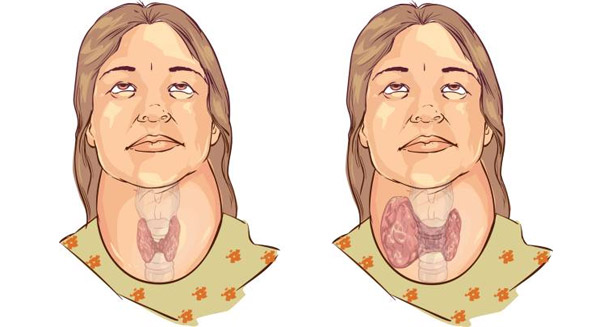
Illustration showing neck swelling due to complications of hypoparathyroidism

Complications of Hypoparathyroidism

Hypoparathyroidism may seem deceptively manageable when stabilised with supplements and routine blood tests. However, this disorder carries a real risk of serious long-term problems when left untreated or poorly controlled. Because parathyroid hormone (PTH) helps regulate calcium and phosphate balance, low PTH affects many parts of the body. The nervous system, kidneys, bones, and soft tissues are all at risk. Knowing the possible complications of hypoparathyroidism is vital for patients and doctors. Acting early helps prevent lasting harm. This section explains how hypoparathyroidism affects the body, even with treatment. Problems can result not only from the hormone shortage itself but also from the treatments used to manage it. This shows why careful and balanced care is so important. Neurological Complications The nervous system reacts quickly to changes in calcium levels. Hypoparathyroidism often starts with tingling or muscle cramps. If poorly managed, it can lead to serious brain and nerve problems. SeizuresSeizures are one of the most dangerous complications of hypoparathyroidism. They happen when calcium levels drop too low. Even patients on treatment can have seizures if calcium swings widely. Paraesthesia and Muscle SpasmsTingling in the hands, feet, or face may become constant. Some patients develop severe muscle cramps or spasms that disturb daily life and sleep. Basal Ganglia CalcificationOver time, high phosphate and low calcium can cause calcium deposits in the brain. This problem, called Fahr’s syndrome, affects movement and may cause tremors or stiffness. Cognitive and Mood ChangesPatients often report brain fog, memory trouble, or mood issues like anxiety and depression. The stress of living with a chronic condition can make these symptoms worse. Renal Complications Treating hypoparathyroidism often keeps blood calcium normal, but it can strain the kidneys. Hypercalciuria and Kidney StonesExtra calcium in urine, called hypercalciuria, is common during treatment. This raises the risk of kidney stones, which can cause severe pain and recur often. NephrocalcinosisToo much calcium in urine over time may lead to calcium buildup inside kidney tissue. This condition, nephrocalcinosis, often starts silently but slowly damages kidney function. Chronic Kidney Disease (CKD)Kidney stones and nephrocalcinosis can lead to chronic kidney disease. CKD complicates care because it changes how the body handles calcium and vitamin D. To reduce kidney risks, doctors check urine calcium often and adjust supplements. Some patients also take thiazide diuretics to lower calcium loss in urine. Skeletal Complications Unlike high PTH, which weakens bones, hypoparathyroidism slows bone turnover. This sounds good at first but creates other risks. Low Bone TurnoverBone density often looks high on scans, but the bone is brittle. This makes unusual fractures more likely even with strong-looking bones. Delayed Growth and Dental Issues in ChildrenChildren with hypoparathyroidism may grow slowly. They can also have late tooth eruption, weak enamel, and abnormal roots. These issues are worse in genetic cases. Cardiovascular Complications Calcium is key for heart health. When levels drop for too long, the heart can suffer. Prolonged QT and ArrhythmiasLow calcium may lengthen the QT interval on ECG. This raises the chance of dangerous heart rhythm problems. Hypotension and Heart WeaknessSome patients develop low blood pressure or even heart failure in severe cases of calcium shortage. Vascular CalcificationLong-term high phosphate can harden arteries, causing hypertension and heart disease later in life. Ocular and Skin Changes Hypoparathyroidism also affects the eyes, skin, and hair. CataractsLow calcium and high phosphate can cause cataracts over time. These usually grow slowly, so regular eye exams matter. Dry Skin and Hair LossPoorly managed cases may cause dry skin, brittle nails, and thinning hair. These often improve once calcium stabilizes. Fungal InfectionsWhen hypoparathyroidism is part of an autoimmune disorder, chronic fungal infections on skin and nails are common. Pregnancy and Neonatal Risks Pregnant women with hypoparathyroidism need expert care to keep calcium stable. Low calcium can cause preterm birth or low calcium in the newborn. Too much calcium during pregnancy can suppress the baby’s parathyroid gland, leading to neonatal hypocalcemia after birth. Doctors often adjust calcium doses and check blood often during pregnancy and breastfeeding. Babies also need calcium checks soon after birth. Risk of Overtreatment Correcting low calcium is important, but too much calcium is also harmful. High calcium can cause confusion, fatigue, and heart rhythm problems. Excess calcium and phosphate can also form deposits in soft tissues. Doctors track these levels closely to avoid problems. Summary The complications of hypoparathyroidism affect many organs, from the brain and kidneys to the heart and eyes. Many problems result from low calcium, while others come from treatment side effects. Success depends on balance: enough calcium to stay well, but not so much that new problems appear. Close monitoring, good education, and new options like hormone therapy help lower risks. Regular visits to specialists ensure that changes are caught early before they become serious. [Next: Outlook for Hypoparathyroidism →]
Complications of Hypoparathyroidism Read More »

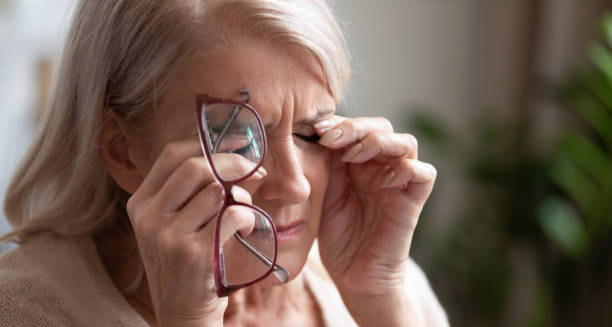
Elderly woman experiencing eye discomfort due to hypoparathyroidism

Outlook for Hypoparathyroidism

The outlook for hypoparathyroidism largely depends on the cause, the age at onset, the quality of ongoing management, and how promptly the condition is diagnosed. Although the disorder is chronic and usually needs lifelong treatment, most people with hypoparathyroidism can live full and active lives with proper medical care. Still, the long-term outcome carries risks. The prognosis varies based on how well calcium and phosphate balance stays under control. Hypoparathyroidism is rare. However, when untreated or poorly managed, its effects can be severe. Thankfully, modern monitoring tools, better education, and new treatments have improved outcomes for many patients. This section explains what individuals with hypoparathyroidism can expect for daily life, future risks, new therapies, and quality of life. Daily Management and Lifestyle Living with hypoparathyroidism needs daily effort. Patients take medicines, track symptoms, and schedule regular blood tests. Most people adjust to these routines over time, especially with strong support from doctors and good education. For many, treatment becomes a habit, like managing diabetes or thyroid disease. Calcium and active vitamin D supplements must be taken every day. Patients also learn to spot signs of low or high calcium. Common signs include tingling, tiredness, and muscle cramps. With proactive care, most people can work, exercise, and enjoy family life without major limits. Still, some situations need closer monitoring. Illness, surgery, pregnancy, or medication changes often require dose adjustments and extra blood tests. Prognosis by Cause The outlook changes based on the cause: Patients who stick to treatment and attend follow-ups generally have better outcomes than those who do not. Risk of Long-Term Complications Even well-managed cases carry a risk of problems if calcium and phosphate levels stay out of range. Over time, imbalances may cause: These risks rise if patients are over-treated or under-treated. Regular blood tests and dose changes help reduce these risks. Outlook becomes worse if kidney disease or seizures develop, especially when diagnosis is late. Advances in Treatment New treatments have changed care for hypoparathyroidism. The biggest step is recombinant parathyroid hormone therapy (rhPTH 1-84). This therapy is not yet available everywhere, but it helps regulate calcium in a natural way. People on this treatment often enjoy: This option may also lower kidney risks and improve bone health. Research is testing new forms, easier dosing, and long-term safety. These advances could make this therapy more common in the future. Paediatric and Adolescent Outlook Children and teens with hypoparathyroidism face special challenges, especially when the condition starts at birth or is genetic. They may have growth delays, dental issues, and learning problems. Early care and proper treatment help most children develop normally. They will need lifelong care. With support from paediatric specialists, dietitians, and schools, they can thrive. Moving from child to adult care should happen carefully to keep treatment smooth, especially during growth and puberty. Psychosocial and Quality-of-Life Considerations Hypoparathyroidism is not visible, but it can affect mental health. Many patients feel anxious about calcium levels, frustrated by side effects, or tired from fluctuating calcium. Support groups, counselling, and online communities help reduce stress. When patients understand their condition, they cope better and feel more in control. Quality of life improves when patients: Outlook for Pregnancy and Family Planning Women with hypoparathyroidism can have healthy pregnancies. Care must be adjusted during pregnancy because calcium and vitamin D needs often rise. Poor control can lead to preterm birth or low calcium in newborns. The outlook during pregnancy is good when managed by an experienced team. Calcium levels need close checks after delivery to avoid big swings during breastfeeding. Men and women can have families safely if their condition stays well controlled. Hypoparathyroidism does not directly affect fertility. A Positive Outlook with the Right Care The long-term outlook for hypoparathyroidism is positive when diagnosed early, treated well, and monitored often. Many patients can live normal or near-normal lives with few limits. Main factors for good outcomes include: As awareness grows and treatment options expand, more patients can achieve stable calcium and avoid serious problems. [Next: Back to Overview →]

Outlook for Hypoparathyroidism Read More »

A woman interacting emotionally with a humanoid AI robot, representing AI companions and loneliness.

AI Companions and Loneliness

AI Companions and Loneliness: Are We Replacing Connection with Code? In today’s hyper-connected world, where messages are instant and information is endless, something surprising has taken root—loneliness. And not just the occasional quiet kind, but the deep, aching loneliness that comes from feeling unseen, unheard, or disconnected from real human warmth. As society struggles to keep up with the pace of modern life, a new solution has quietly emerged: AI companions. From chatbots that promise to listen, to digital “friends” that send virtual hugs, AI is being offered as a modern cure for emotional emptiness. But is it really connection—or just the illusion of it? A Friend in Your Pocket—Any Time, Anywhere The idea sounds comforting at first. You feel down, open an app, and a pleasant voice (or soothing text) responds: “I’m here for you.” You can vent, cry, confess, or laugh, and this AI companion won’t flinch. It won’t ghost you. It won’t judge. Some apps even let you name your AI friend, give them a personality, and choose their tone—funny, empathetic, nurturing. They learn how you speak. They remember your preferences. In a world where genuine relationships take work and vulnerability, this seamless companionship feels…safe. And that’s exactly the appeal. For many, especially those battling social anxiety, depression, or isolation, AI companions offer a form of emotional relief that’s always accessible. No scheduling, no social politics, no fear of rejection. But here’s the question: if it’s not human, can it truly understand human pain? Emotional Simulation vs Real Empathy Artificial Intelligence is incredibly smart. It can analyse your words, mimic empathy, and mirror human emotion through learned patterns. But it doesn’t feel. It doesn’t have lived experience. It doesn’t share your history, nor does it have its own. Every response is generated from code—clever, yes, but ultimately synthetic. So, while your AI companion might say, “That must have been really hard for you,” it does so because it should, not because it knows. That difference might seem subtle—but it’s essential. Humans need to feel truly understood. And while AI can imitate this, it can’t replace the grounding feeling of being seen by someone who has a beating heart, a backstory, and a soul. The Rise of Loneliness in a “Connected” World What’s perhaps most telling isn’t that AI companions are becoming more advanced—but that so many people are turning to them in the first place. We are lonelier than ever. Studies across the globe show rising rates of social isolation, especially among Gen Z, young adults, and the elderly. Social media gives us the illusion of connection, yet leaves many feeling even more alone. Face-to-face conversations are down. Time spent in community has decreased. And emotional burnout is on the rise. Into this vacuum steps AI, promising an easy fix. But easy doesn’t always mean healthy. When AI Helps—And When It Hurts To be fair, AI companions aren’t all bad. For some people, especially those in crisis or living in remote areas, a chatbot might be the only “person” available in the moment. If used thoughtfully, AI can serve as a bridge—a momentary comfort, or a step toward deeper healing. For example: But danger creeps in when AI becomes a substitute for real relationships. When the only emotional support we seek comes from a screen, we risk losing the messiness, joy, and vulnerability that comes from human presence. AI may listen, but it won’t laugh spontaneously with you.It may comfort, but it won’t hold your hand.It may respond instantly, but it won’t show up at your door with takeaway when you’re heartbroken. Rebuilding Human Connection—Together At Mental Matters, we believe technology has a place in wellness—but not at the expense of human connection. We’re not against AI. In fact, we think it can serve as a powerful support tool, especially when integrated with therapy and community. But loneliness is not just a tech problem. It’s a human one. And it will take human effort to heal. That means: Technology will keep evolving. But so must our commitment to what really matters: people. You Are Not Alone If you’re reading this and feeling lonely, we want you to know—there are people who care. Whether it’s a friend, a counsellor, a support group, or a stranger who becomes your safe place, real connection still exists. And while an AI companion might keep you company for now, let it be a stepping stone—not your destination. Because healing doesn’t come from perfectly crafted responses. It comes from imperfect, beautiful, real people who see you.

AI Companions and Loneliness Read More »

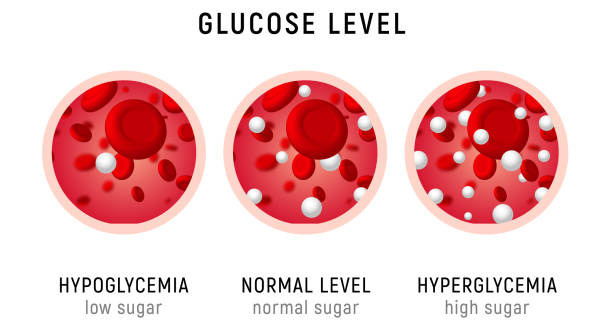
Visual comparison of hypoglycaemia, normal glucose, and hyperglycaemia in blood

Hypoglycaemia

Hypoglycaemia is a medical condition marked by a low level of glucose (sugar) in the blood. Glucose is the body’s main energy source, especially for the brain. Keeping blood sugar steady is key for both body and brain function. When glucose drops too low, the body goes into an emergency state. Symptoms can range from mild confusion and shaking to seizures, loss of consciousness, or even death in severe cases. Understanding hypoglycaemia helps not only people with diabetes but anyone with health issues, metabolic disorders, or those on certain medicines. What Is Considered Hypoglycaemia? Clinically, hypoglycaemia means blood sugar below 70 mg/dL (3.9 mmol/L). However, some people may feel symptoms at higher or lower levels depending on their usual blood sugar and situation. There are three main levels: People with hypoglycaemia unawareness do not get the usual warning signs, so monitoring is vital for them. How the Body Maintains Blood Sugar Normally, hormones keep blood sugar in balance. Insulin lowers blood sugar by helping cells take in glucose. Other hormones like glucagon, adrenaline, and cortisol raise blood sugar when it drops too low. Hypoglycaemia happens when this balance breaks due to: In diabetes, low blood sugar is mostly caused by insulin or medication. In others, causes can be harder to find without proper checks. Who Is at Risk? Many people can get hypoglycaemia, especially: Even healthy people can get reactive hypoglycaemia, where blood sugar falls sharply after eating because of a strong insulin response. Signs and Symptoms Since the brain relies on glucose, most symptoms involve the nervous system. Early signs include: If blood sugar drops more, brain function is affected causing: Catching these signs early helps prevent serious problems. People with frequent lows may lose symptom awareness, raising their risk. Why Hypoglycaemia Is Dangerous The brain cannot store glucose, so it is very sensitive to low sugar. Severe hypoglycaemia can cause: Repeated episodes may harm memory, mood, and thinking, especially in kids or older adults. The Importance of Prompt Treatment Even mild symptoms need quick attention. Eating 15–20 grams of fast sugar (like glucose tablets, sugary drinks, or juice) can restore levels and stop worsening. People at risk should: For severe lows, family may need to use emergency glucagon or call for help. Advances in Monitoring and Prevention Continuous glucose monitors (CGMs) alert users and caregivers to falling blood sugar before symptoms start. This reduces serious episodes in insulin users. Smart insulin pumps and artificial pancreas systems adjust insulin automatically using real-time data, helping people with type 1 diabetes avoid lows. Even those without diabetes benefit from CGMs or frequent testing during fasting, illness, or heavy exercise. This helps spot patterns and avoid unnoticed lows. Conclusion Hypoglycaemia is more than just feeling low energy or hungry. It is a serious imbalance that can disrupt health if severe or repeated. It affects people with diabetes, other health conditions, or due to diet and lifestyle. Raising awareness, using monitoring tools, and personalising care plans are key to lowering risks. With good education and modern technology, many can predict, prevent, and manage hypoglycaemia well—keeping their independence and quality of life. Hypoglycaemia requires quick recognition and action to stay safe. [Next: Causes of Hypoglycaemia →]

Hypoglycaemia Read More »

Red blood cells with glucose particles representing hypoglycaemia causes

Causes of Hypoglycaemia

Hypoglycaemia happens when blood sugar falls below what the body and brain need to work well. Glucose provides energy, especially for the brain, and its level is controlled by hormones like insulin, glucagon, adrenaline, cortisol, and growth hormone. If this balance breaks—due to too much insulin, not enough food, metabolic problems, or organ failure—blood sugar can drop dangerously low. This section looks at many causes of hypoglycaemia, including those related to diabetes and those that are not. Knowing these causes helps with preventing, spotting early, and treating hypoglycaemia. Diabetes and Medication-Induced Hypoglycaemia The most common cause worldwide is medication use in people with diabetes. This includes: Blood sugar can fall too low if people: This type of hypoglycaemia can be mild or severe. Nighttime lows or lack of warning signs (hypoglycaemia unawareness) make it more dangerous. Fasting and Starvation People without diabetes can also get hypoglycaemia from fasting or not eating enough. The liver’s glycogen stores run out, so blood sugar can’t stay normal. This is common in: The body’s usual response—releasing glucagon and adrenaline—may be weaker, causing a bigger drop in blood sugar. Alcohol-Induced Hypoglycaemia Alcohol affects blood sugar by stopping the liver from releasing glucose. This happens especially after drinking a lot on an empty stomach. Alcohol blocks gluconeogenesis, the process the liver uses to make glucose from non-carb sources. Those at risk include: Symptoms may appear hours after drinking. Severe cases can cause seizures or passing out during sleep. Reactive (Postprandial) Hypoglycaemia This happens when blood sugar drops a few hours after a meal high in carbs. It is caused by an overreaction of insulin that lowers blood sugar too fast. It can happen in: Though not usually dangerous, reactive hypoglycaemia causes shakiness, hunger, anxiety, and tiredness. Frequent episodes may reduce life quality and lead to weight gain from constant snacking. Organ Dysfunction Some organ problems can cause hypoglycaemia: In these cases, hypoglycaemia signals a serious health issue. Tests include hormone checks, imaging, and close glucose monitoring. Hormonal Imbalances and Endocrine Disorders Hormones control blood sugar tightly. Deficiencies can cause hypoglycaemia, especially in kids. Examples are: Though rare, these conditions require careful testing. Endocrinologists often collaborate with pediatricians to find the cause. Medication Errors and Overdoses Mistakes in taking medicine are a big cause of hypoglycaemia, especially among: Some non-diabetes drugs can also cause hypoglycaemia, such as: Intentional overdoses, often linked to self-harm, can cause life-threatening hypoglycaemia needing hospital care. Conclusion Hypoglycaemia has many causes—from common diabetes treatment to rare hormone or metabolic issues. Finding the root cause is key to proper treatment and stopping it from happening again. While diabetes-related hypoglycaemia is the most common, doctors should also look for less clear causes, especially if episodes happen often without clear reason. Knowing the causes helps patients and healthcare workers stay alert, prevent lows, and act fast if symptoms appear. The next section will cover the symptoms of hypoglycaemia and what signs no one should ignore. Causes of hypoglycaemia vary widely, so understanding them improves prevention and care. [Next: Symptoms of Hypoglycaemia →]

Causes of Hypoglycaemia Read More »

Woman experiencing dizziness and fatigue from hypoglycaemia

Symptoms of Hypoglycaemia

Hypoglycaemia occurs when blood glucose levels drop too low to meet the body’s energy needs, especially those of the brain. Because the brain depends almost only on glucose, symptoms often start with neurological and autonomic signs. Hypoglycaemia may come on slowly or suddenly. Symptoms can range from mild discomfort to severe issues like seizures and unconsciousness. This section covers the many symptoms linked to hypoglycaemia, how they vary by age and situation, and why spotting these signs early is crucial for proper care. Early Symptoms of Hypoglycaemia When blood sugar falls below 70 mg/dL (3.9 mmol/L), early signs often come from the body’s stress response. These include: These symptoms push a person to eat and raise blood sugar. They are usually noticed quickly and get better after eating carbs. Neuroglycopenic Symptoms If hypoglycaemia worsens and the brain gets less glucose, neurological symptoms appear: If untreated, these can lead to: These severe signs usually happen when blood sugar drops below 50 mg/dL (2.8 mmol/L), but this varies by person. The longer the brain lacks glucose, the higher the risk of lasting harm. Hypoglycaemia Unawareness Some people, especially those with long-term diabetes or frequent lows, may lose their usual warning signs. This is called hypoglycaemia unawareness. People in this group might not feel symptoms until the situation is very dangerous. It often affects: Without early warnings, the risk of severe episodes grows. Continuous glucose monitoring (CGM) and careful medicine changes help manage this risk. Nocturnal Hypoglycaemia Low blood sugar during sleep can be dangerous because it often goes unnoticed. Nighttime hypoglycaemia is common in insulin users or people who drink alcohol late. Signs include: Children may have night terrors or wet the bed due to low glucose at night. Adjusting insulin timing, eating a slow-release snack before bed, or using CGMs can help prevent these episodes. Symptoms in Children Kids may not say they feel symptoms clearly. Instead, they might: Caregivers should watch closely. Babies born to diabetic mothers, premature infants, or those with metabolism problems face higher risk early on. Symptoms in Older Adults Older adults might show subtle signs or confuse hypoglycaemia with other issues like stroke or dementia. Common signs are: Taking many medicines, memory loss, and poor appetite all raise risk in the elderly. Misdiagnosis can delay treatment and cause harm. Emotional and Psychological Effects Hypoglycaemia can also affect feelings and mood. Common effects include: The mental stress of frequent hypoglycaemia often goes unnoticed but greatly impacts quality of life. When to Seek Urgent Care Seek immediate medical help if: Emergency glucagon or glucose by paramedics may be needed. Friends, family, and caregivers must know how to act quickly. Conclusion Symptoms of hypoglycaemia are many, changeable, and sometimes very subtle. They show up as physical feelings, emotional shifts, or thinking problems — all caused by low brain glucose. Spotting these signs early and treating them fast prevents serious harm. Awareness is vital, especially in children, older adults, and people with diabetes on insulin. The next section will explain how hypoglycaemia is diagnosed using history, lab tests, and new tools like continuous glucose monitors. Symptoms of hypoglycaemia give important clues that help save lives and improve care. [Next: Diagnosis of Hypoglycaemia →]

Symptoms of Hypoglycaemia Read More »

Blood glucose test being administered by a healthcare professional using a glucometer.

Diagnosis of Hypoglycaemia

Hypoglycaemia is a clinical condition where blood glucose levels fall below normal, leading to a wide range of symptoms and potentially serious complications. Accurate diagnosis is essential not only for treating acute episodes but also for uncovering the underlying causes, especially in non-diabetic individuals. Understanding Whipple’s Triad Whipple’s Triad is the key framework doctors use to diagnose hypoglycaemia. It has three parts: This triad proves the symptoms come from hypoglycaemia and not other problems like anxiety or medication effects. It is especially helpful when symptoms come and go or are unclear. Confirming Low Blood Glucose Doctors must measure blood sugar during symptoms. This happens through finger-prick tests or blood samples taken from a vein. Venous plasma glucose tests are more accurate and preferred. A reading under 3.0 mmol/L (54 mg/dL) generally shows clinically important hypoglycaemia, but this can vary for children or older adults. If symptoms improve after glucose is given—through food, drink, or IV—it supports the diagnosis of hypoglycaemia. Taking a Medical History A detailed medical history helps find possible causes. Important details include: Knowing when symptoms happen is also useful. For example, episodes a few hours after eating may suggest reactive hypoglycaemia. Episodes during sleep might relate to nocturnal hypoglycaemia or alcohol use. Investigating Underlying Causes After confirming hypoglycaemia, doctors look for its cause. This can be complex, especially without diabetes. Supervised Fasting Test If episodes are rare or hard to catch, a 72-hour fast under medical supervision may be used. Blood tests for glucose, insulin, and other markers happen regularly or when symptoms appear. This test helps find insulinomas (insulin-producing tumors), fake hypoglycaemia caused by hidden insulin or drug use, and hormone problems like adrenal insufficiency. High insulin with low C-peptide suggests injected insulin. High insulin with high C-peptide points to excess natural insulin, as seen in insulinomas or sulfonylurea use. Mixed-Meal Tolerance Test (MMTT) To diagnose reactive hypoglycaemia, the patient eats a carb-rich meal. Blood sugar is then checked over several hours. A delayed drop confirms the diagnosis. Hormonal and Metabolic Tests If hormone problems are suspected, doctors check: These tests are usually ordered by endocrinologists when hypoglycaemia is unexplained or comes back often. Continuous Glucose Monitoring (CGM) CGMs are wearable devices that track glucose levels continuously. They help: CGMs give detailed graphs and alerts, spotting trends missed by finger-prick checks. Some link to insulin pumps to adjust insulin automatically and prevent dangerous lows. Considering Other Causes Not all symptoms like hypoglycaemia come from low blood sugar. Doctors consider: Matching symptoms to blood glucose levels and checking if glucose fixes symptoms helps rule out these other causes. Diagnosing Hypoglycaemia in Children Children, especially newborns, have different glucose limits and causes. Diagnosis includes: Blood tests need to be done quickly because children’s glucose can change fast. Doctors, pediatricians, and metabolic specialists work closely in these cases. Functional vs. Pathological Hypoglycaemia Doctors separate functional hypoglycaemia (like reactive or fasting-related) from pathological causes. Functional types often improve with diet changes. Pathological causes need deeper tests and sometimes lifelong treatment. This difference is based on symptom timing, other health issues, and test results. Conclusion The diagnosis of hypoglycaemia requires more than just finding low blood sugar. Doctors use Whipple’s Triad, review risk factors, examine episode context, and apply lab and monitoring tools to find the cause. Diagnosis is simpler in people with diabetes but more detailed in others. A correct diagnosis leads to better care, fewer future episodes, and improved quality of life. Diagnosis of hypoglycaemia sets the path for safe and effective treatment. [Next: Treatment of Hypoglycaemia →]

Diagnosis of Hypoglycaemia Read More »

Doctor discussing glucose monitoring with an elderly patient

Treatment of Hypoglycaemia

Hypoglycaemia is a medical condition marked by abnormally low blood glucose levels, usually below 3.9 mmol/L (70 mg/dL). If left untreated, it can lead to confusion, seizures, unconsciousness, and even death. Therefore, timely and effective treatment is critical not only for managing immediate symptoms but also for preventing recurrence. Immediate Treatment of Mild to Moderate Hypoglycaemia The first step in treating mild to moderate hypoglycaemia involves quickly taking carbohydrates. This is often called the “15-15 rule.” First, consume 15 grams of fast-acting carbohydrates. These include: glucose tablets, 150 ml of sugary soft drink (not diet), one tablespoon of honey or jam, or 3–4 glucose sweets. Then wait 15 minutes and check your blood sugar again. If blood glucose is still below 3.9 mmol/L (70 mg/dL), take another 15 grams of carbohydrates and repeat the process. Once blood sugar returns to normal, eat a snack or meal with complex carbs and protein, like a sandwich or yoghurt, to keep levels steady. Severe Hypoglycaemia: Emergency Management Severe hypoglycaemia happens when a person becomes unconscious, confused, or cannot eat or drink safely. This is an emergency that needs help from another person. Emergency treatments include: Glucagon Injection Glucagon is a hormone that raises blood sugar by making the liver release stored glucose. It comes in injectable kits or pre-filled auto-injectors. Trained people can use it at home, school, or in public. Doctors recommend it for all patients at risk of severe hypoglycaemia. Intravenous Dextrose In hospitals or ambulances, doctors give 25–50 ml of 50% dextrose solution directly into a vein. This quickly brings blood sugar back to normal and reverses symptoms in minutes. After recovery, the patient needs close monitoring and a meal rich in carbohydrates to prevent another drop. Treating Underlying Causes Treating the immediate low blood sugar is important, but long-term care focuses on finding and fixing the root cause of hypoglycaemia. This differs between people with diabetes and those without. Management in People with Diabetes Adjusting medication is key. People who use insulin may need lower doses or new timing. Doctors might reduce or change sulfonylureas and other oral medicines. They also review basal-bolus insulin plans to balance background and mealtime insulin better. Using continuous glucose monitors (CGMs) helps by giving alerts when blood sugar falls. Diet and meal planning help keep blood sugar stable. Patients eat regular meals and snacks. They choose low-glycaemic index carbs to avoid quick sugar spikes and drops. Educating patients on matching their carb intake with insulin helps them avoid lows. Education and support make a big difference. Structured diabetes education helps patients manage their condition. Patients learn to spot hypoglycaemia signs, treat it properly, and know when to get help. Family members and caregivers also get training to use glucagon in emergencies. Management in Non-Diabetic Hypoglycaemia Reactive hypoglycaemia often happens after high-sugar meals, mainly in healthy people. Management includes eating small, frequent meals and avoiding sugary or high-carb foods. Meals with protein, fiber, and healthy fats help too. Monitoring blood sugar after meals with CGMs can be useful. Fasting hypoglycaemia comes from long fasting or hormone problems. Treatment depends on the cause. Hormone replacement helps in adrenal or pituitary insufficiency. Surgery may be needed for insulinomas, which are rare tumors that produce insulin. Doctors also check and stop medications that lower blood sugar if needed. Management in Children Children need special care because their metabolism and ability to communicate differ. For low blood sugar episodes, rapid glucose delivery through gels, juice, or sweets helps quickly. Careful feeding schedules are important, especially for babies and toddlers. Doctors treat congenital or metabolic causes like glycogen storage diseases. Paediatric glucagon kits are available for emergencies. Children born to diabetic mothers or those with metabolic disorders may need special monitoring in neonatal intensive care units. Feeding plans are made to fit their needs. Management in Older Adults Older adults often have weaker glucose control and may not notice symptoms easily. Treatment plans should be simple. For example, using once-daily basal insulin helps. Doctors reduce or stop sulfonylureas. They watch kidney function because poor kidneys slow down medicine clearance. Setting slightly higher blood sugar targets reduces the chance of hypoglycaemia. Doctors focus on safety and quality of life rather than tight sugar control for older patients. Preventing Hypoglycaemia Unawareness Repeated low blood sugar can cause hypoglycaemia unawareness, where people don’t notice early symptoms. To fix this, patients must keep glucose above 4.5 mmol/L (81 mg/dL) for several weeks. Using CGMs with alarms and alerts also helps. Doctors adjust insulin doses to lower risk. Avoiding alcohol and heavy exercise without food stops sudden lows. Over time, early warning signs may come back once the body resets. Lifestyle and Monitoring Tools New technology helps prevent and manage hypoglycaemia. Flash glucose monitors like FreeStyle Libre and real-time CGMs with phone alerts improve safety. Smart insulin pens and pumps track doses accurately. Wearable fitness devices show how exercise affects blood sugar. These tools give users control to make better lifestyle and medication choices. When to Refer to a Specialist Doctors send patients to endocrinologists or metabolic experts when hypoglycaemia happens often without a clear cause. Referral also happens when genetic or hormone problems are suspected, or medicine adjustments are difficult. Specialists run tests like 72-hour fasts, hormone checks, or scans to find the cause. Conclusion Treating hypoglycaemia well means fixing low blood sugar fast and preventing future episodes. Whether from diabetes, reactive causes, medicines, or hormone problems, quick treatment and personal care plans lower risks. Education, smart technology, and teamwork among healthcare providers help reduce how often and how bad hypoglycaemia can get. Treatment of hypoglycaemia remains essential for safe and healthy living. [Next: Complications of Hypoglycaemia →]

Treatment of Hypoglycaemia Read More »

Woman experiencing dizziness due to severe hypoglycaemia

Complications of Hypoglycaemia

Hypoglycaemia occurs when blood glucose falls below normal levels. While prompt treatment can manage episodes, frequent, severe, or unnoticed lows can cause serious complications. These affect physical health, mental well-being, and daily life. People with diabetes face the highest risks, but non-diabetics can also suffer if the cause remains untreated. This section covers the short- and long-term complications of hypoglycaemia. We explain how repeated or untreated episodes can cause wide-ranging problems. We also look at how complications affect different age groups and daily activities, stressing the need for prevention. Immediate Physical Complications Severe hypoglycaemia deprives the brain of glucose, causing sudden neurological problems. Immediate risks include: These complications can affect even those who usually tolerate low sugar well, especially if the episode is sudden or during sleep. Neurological Consequences The brain needs glucose to work properly. Repeated or prolonged hypoglycaemia can cause: Repeated episodes may lower mental sharpness over time, especially in people with long-term type 1 diabetes. Hypoglycaemia Unawareness Frequent low sugar episodes can dull the body’s warning signs, causing hypoglycaemia unawareness: This cycle worsens with more episodes. However, strict avoidance of lows for weeks can help restore the body’s warning system. Psychological and Social Impact Hypoglycaemia affects mental health and social life: Support groups, counselling, and diabetes education help people cope better. Impact on Daily Living Living with hypoglycaemia often means adjusting routines: These issues can limit daily life even for those who manage their blood sugar well most of the time. Complications in Specific Groups Children and Infants: Pregnant Women: Older Adults: Healthcare System Burden Hypoglycaemia increases healthcare use worldwide: Education, effective treatment, and prevention reduce this burden and improve public health. Conclusion Hypoglycaemia can be managed quickly, but complications may be serious or fatal if not recognised. Immediate dangers include unconsciousness and injury. Long-term effects range from brain damage to mental health decline and social isolation. Education, monitoring, and good treatment plans are key to preventing these issues. Awareness among patients, families, and healthcare providers is essential to reduce hypoglycaemia’s risks. [Next: Outlook for Hypoglycaemia →]

Complications of Hypoglycaemia Read More »

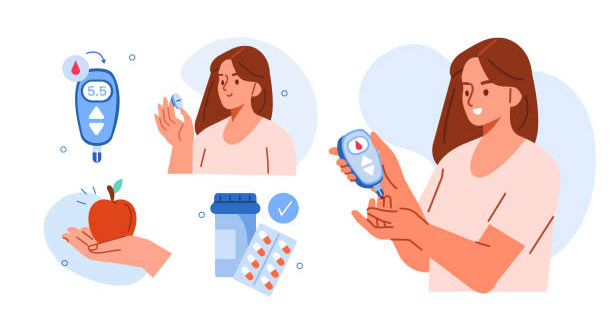
Managing hypoglycaemia with healthy food, medication, and glucose monitoring

Outlook for Hypoglycaemia

Hypoglycaemia is a serious condition. Yet, with the right knowledge, support, and treatments, most people live well while managing their risks. The outlook depends on how often and how severe the episodes are. It also depends on the person’s overall health and how quickly the condition is diagnosed and treated. If left untreated, hypoglycaemia can cause problems. However, education, regular monitoring, and good care can reduce or even prevent these risks. In this section, we review the long-term outlook of hypoglycaemia. We look at factors that affect outcomes and how patients and healthcare providers can work together to improve quality of life. General Prognosis for Hypoglycaemia When caught early and treated well, hypoglycaemia usually has a good prognosis. Many people, especially those with type 1 or type 2 diabetes, learn to control their blood sugar and avoid dangerous lows. Education and proper treatment plans greatly lower the chance of severe or repeated episodes. However, some people face a harder outlook. This includes those who have:• Frequent severe hypoglycaemia episodes• Hypoglycaemia unawareness (no warning signs)• Untreated causes like insulinoma or adrenal problems• Poorly controlled diabetes with unbalanced medication and lifestyle These individuals face higher risks of memory loss, heart problems, injuries, and a lower quality of life. But with the right help, these risks can be lowered. Both patient and healthcare team must stay committed. Prognosis in Diabetes-Related Hypoglycaemia People with type 1 diabetes are at higher risk because they depend on insulin. They may face low blood sugar daily, especially during exercise, missed meals, or at night. Over time, repeated lows can dull their ability to sense warning signs. This is called hypoglycaemia unawareness. Research shows that those with type 1 diabetes who adjust their lifestyle, use continuous glucose monitoring (CGM), and receive education can reduce episodes. Often, hypoglycaemia unawareness improves with better blood sugar control over weeks. People with type 2 diabetes usually have a better outlook. Their blood sugar tends to be steadier. Reducing medication doses or switching to newer drugs like SGLT2 inhibitors or DPP-4 inhibitors can lower hypoglycaemia risk. Prognosis in Non-Diabetic Hypoglycaemia Non-diabetic hypoglycaemia patients fall into groups such as:• Those with reactive hypoglycaemia after high-carb meals• Those with fasting hypoglycaemia from hormonal or metabolic issues• Rarely, those with insulin-producing tumours (insulinoma) For most, prognosis is good once the cause is found. Dietary changes often control reactive hypoglycaemia. Treating the main disorder helps fasting hypoglycaemia. Surgery usually cures insulinoma symptoms. Diagnosis can take time. Many live with unexplained symptoms for years. Early referral to an endocrinologist improves outcomes. Prognosis in Children Children with repeated hypoglycaemia, especially babies and toddlers, risk long-term effects if not treated fast. Glucose is crucial for brain growth. Prolonged lows can cause delays or learning problems. But early diagnosis and good care help most children recover fully. Some outgrow causes tied to immature glucose control. Others with genetic or metabolic disorders may need lifelong care. Still, outcomes improve with medical advances and team care. Prognosis in Older Adults Older adults face higher risks from hypoglycaemia due to other illnesses like heart disease, kidney problems, or memory loss. Severe lows raise chances of falls, hospital stays, and even death. Still, adjusting medications and aiming for safer blood sugar targets can improve safety. Doctors now focus on maintaining independence and life quality in older patients instead of strict glucose control. Regular check-ups and medication reviews—especially for insulin or sulphonylureas—can prevent most episodes. Teaching families also helps monitor older adults. Technological and Therapeutic Advances Recent years brought big improvements for hypoglycaemia care. These include:• Continuous glucose monitors (CGM) and flash sensors• Insulin pumps that stop automatically when glucose is low• “Artificial pancreas” systems that adjust insulin delivery• New diabetes drugs that lower sugar without causing lows• Apps and wearables for real-time alerts and trend tracking These tools cut episode frequency, boost awareness, and help act before crises occur. Importance of Long-Term Follow-Up Ongoing care is vital to improve outlook. This means:• Regular blood sugar and HbA1c tests• Medication reviews• Support for anxiety or fear related to hypoglycaemia• Dietitian help for managing food triggers• Specialist care for complex cases Patients who work closely with their care teams and keep up monitoring tend to avoid complications and enjoy better lives. Final Thoughts Hypoglycaemia remains serious but the outlook is getting better. Modern treatments, tech, and education allow people—even those with complex needs—to avoid severe episodes and live fully. Early diagnosis, active management, and personalized care make this possible. With more awareness and innovation, hypoglycaemia’s impact can lessen for all ages and groups. [Next: Back to Overview →]

Outlook for Hypoglycaemia Read More »

Scroll to Top