Mental Matters

Author name: admin

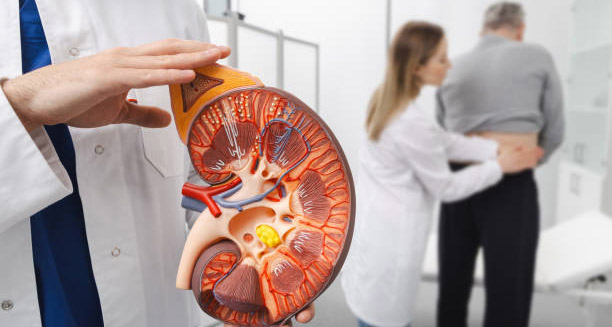
Doctor holding kidney model showing hydronephrosis while patient receives back exam

Hydronephrosis

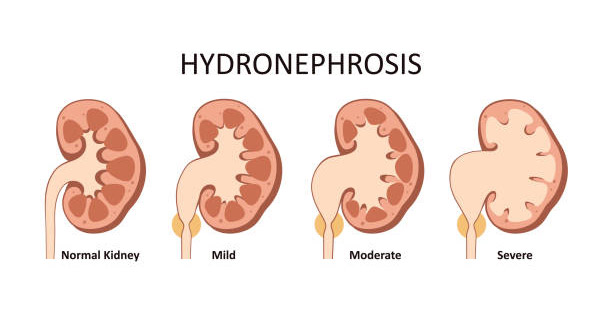
Hydronephrosis is a condition where one or both kidneys swell because urine cannot drain properly into the bladder. This happens when something blocks or slows the flow of urine, causing it to back up into the kidneys. As a result, the kidneys enlarge and come under pressure. The condition can affect just one kidney (unilateral hydronephrosis) or both (bilateral hydronephrosis) and can range from mild to severe. Hydronephrosis is not a disease on its own. It usually signals another problem, such as a kidney stone, urinary tract obstruction, or birth defect. If left untreated, it can lead to permanent kidney damage, infections, and loss of kidney function. Early diagnosis and treatment are critical. Hydronephrosis can happen at any age and is often detected during pregnancy on routine ultrasounds. Anatomy of the Urinary Tract To understand hydronephrosis, it’s helpful to know the basic parts of the urinary system: Hydronephrosis happens when urine flow is blocked anywhere from the kidneys to the urethra, creating pressure inside the kidneys. Types of Hydronephrosis Hydronephrosis can be classified by how long it lasts and what causes it: Knowing the type helps doctors choose the right treatment plan. Who Is Affected? Hydronephrosis can affect anyone, but some groups are more at risk: Symptoms and Presentation Hydronephrosis doesn’t always cause symptoms, especially early on. When it does, common signs include: In babies, symptoms may include an enlarged belly, poor feeding, or frequent urinary infections. Diagnosis of Hydronephrosis Doctors use several tests to diagnose hydronephrosis and its cause: Risks if Left Untreated Untreated hydronephrosis can lead to: The longer the obstruction lasts, the higher the risk of permanent damage. Treatment Goals Treatment focuses on: Some cases only need observation, especially mild prenatal hydronephrosis. Moderate or severe cases may need medication, drainage, or surgery. [Next: Causes of Hydronephrosis →]

Hydronephrosis Read More »

Infographic showing medical causes of hydronephrosis including kidney stones and infections

Causes of Hydronephrosis

The causes of hydronephrosis are many and depend a lot on a person’s age, health history, and body structure. Hydronephrosis happens when urine cannot flow normally from the kidney to the bladder. This blockage causes urine to build up and the kidney to swell. Knowing the causes of hydronephrosis is key to choosing the right treatment because the condition usually happens because of another problem in the urinary system or nearby areas. Causes can be from physical blockages, nerve or muscle problems, or pressure from outside the urinary tract. Some causes are present from birth, while others develop later due to infections, injuries, or illness. Finding the cause quickly helps stop lasting kidney damage. Congenital Causes Some people are born with changes in their urinary system that cause hydronephrosis. These are often found before birth or soon after. Some of these birth defects may get better on their own, need monitoring, or require surgery depending on how bad they are. Kidney Stones Kidney stones are a common cause of hydronephrosis in adults. These hard lumps made of minerals can get stuck in the ureters and block urine flow. Treating stones fast is important to avoid long-term kidney pressure and damage. Ureteral Strictures and Scarring A ureteral stricture means the tube carrying urine from the kidney to the bladder has narrowed. This can happen because of: Doctors often treat strictures with techniques like stretching the ureter, placing a stent, or surgery to fix the damage. Tumours and External Compression Tumours or growths can block urine flow by growing inside the urinary tract or pressing on it from outside. Hydronephrosis from tumours is often a sign of a more serious illness. Scans and biopsies help confirm diagnosis and guide care. Pregnancy Pregnancy commonly causes temporary hydronephrosis because of: This type usually goes away after birth. Doctors watch closely to avoid infections or other problems, treating only if symptoms appear. Neurological and Functional Disorders Some hydronephrosis cases happen without a physical blockage, due to bladder problems affecting urine flow. Fixing the nerve or bladder problem is important to treat this kind of hydronephrosis. Infections and Inflammation Repeated or bad urinary infections can cause or worsen hydronephrosis, especially if anatomy is abnormal. Treating infections quickly helps prevent more damage and hydronephrosis. Post-Surgical or Traumatic Injury Hydronephrosis can develop after surgery or injury to the abdomen or pelvis. Post-surgery hydronephrosis often gets better but needs early detection to avoid lasting harm. Summary The causes of hydronephrosis cover a wide range of physical, functional, infection-related, and systemic problems. From birth defects in babies to kidney stones and tumours in adults, causes vary by age and gender. Finding the exact reason for urine blockage or poor flow is key to choosing the right treatment. Often, imaging and lab tests help find the cause, while some cases need care from different specialists. Knowing the cause improves the chance of recovery and helps stop the problem from returning or harming the kidneys. The next step is to understand the symptoms of hydronephrosis, which can differ depending on how fast and severe the condition is. [Next: Symptoms of Hydronephrosis →]

Causes of Hydronephrosis Read More »

Illustration showing symptoms of hydronephrosis including kidney damage and urination issues

Symptoms of Hydronephrosis

The symptoms of hydronephrosis can vary significantly depending on the underlying cause, the speed of onset, and the severity of the urinary obstruction. Some individuals may experience severe pain and discomfort, while others might remain entirely asymptomatic, particularly in mild or chronic cases. Recognising the symptoms of hydronephrosis early is crucial for prompt diagnosis and treatment, helping to prevent irreversible kidney damage and associated complications. Symptoms of hydronephrosis may appear quickly or slowly. Sudden blockages, like a kidney stone stuck in the ureter, usually cause sharp pain and clear signs. However, long-lasting or birth-related hydronephrosis often brings vague symptoms, especially in babies and older adults. Because of this, doctors must watch carefully for signs. Pain and Discomfort Pain is the most common symptom of hydronephrosis, especially when it appears fast. Urinary Changes Changes in urination are key signs of urinary problems and often the first symptoms noticed in hydronephrosis. In severe cases, total blockage may cause complete urine retention, needing urgent medical help. Changes in Urine Appearance Changes in urine look, smell, or texture can signal infection or blood due to swelling or stones. Watching urine changes can help catch problems early, especially in those with repeat kidney or bladder issues. Signs of Infection In many cases, hydronephrosis leads to infection because urine sits still and bacteria grow. Spotting infection signs is vital, as untreated infections can cause sepsis. Infections happen more in people with long hydronephrosis, catheters, or weak immune systems. Symptoms in Infants and Children Detecting hydronephrosis symptoms in babies and young kids is hard since they cannot explain their discomfort. Early scans and urine tests are key if hydronephrosis is suspected in children. Symptoms in Older Adults Older adults may show unusual symptoms or ignore signs, making diagnosis tricky. Doctors should carefully consider these signs in elderly patients to avoid missed diagnosis. Asymptomatic Cases Sometimes hydronephrosis causes no clear symptoms. This often happens in: Even without symptoms, monitoring is important to prevent silent kidney damage. When to Seek Medical Help Because symptoms may look like minor problems such as bladder infections or back pain, see a doctor if you notice: Early care improves chances of avoiding serious kidney problems or infections. Summary Symptoms of hydronephrosis range from mild to severe, depending on cause, age, and how fast it develops. Flank pain and urination changes are common, but symptoms differ by life stage. Knowing these signs helps find hydronephrosis early, especially in babies and older adults. Watching for changes in urine, pain, and overall health can catch problems before they worsen. By spotting symptoms and acting quickly, patients and doctors can work together to ensure early diagnosis and treatment. [Next: Diagnosis of Hydronephrosis →]

Symptoms of Hydronephrosis Read More »

Visual comparison of kidney stages in hydronephrosis diagnosis

Diagnosis of Hydronephrosis

The diagnosis of hydronephrosis requires a combination of clinical evaluation and diagnostic testing to determine the presence, severity, and cause of kidney swelling. The key to an effective diagnosis of hydronephrosis lies in promptly identifying the underlying obstruction or dysfunction responsible for the impaired flow of urine. Timely diagnosis helps to protect kidney function and prevent complications such as infection, scarring, or even irreversible renal damage. Doctors see patients with many different symptoms—or sometimes no symptoms at all. Because of this, they must stay alert and think about hydronephrosis when checking urinary problems, belly pain, or signs of kidney trouble. Today’s diagnostic tools give clear, non-invasive ways to look at the urinary system and check how well the kidneys work. Initial Clinical Assessment First, doctors take a full history and do a physical exam to start diagnosing hydronephrosis. This information helps doctors decide if more tests are needed. Urine Tests These urine tests give quick clues about urinary tract health and help diagnose hydronephrosis. Urine problems are common when hydronephrosis results from infection, blockage, or stones. Blood Tests Blood tests tell doctors about kidney function and general health. These results support imaging findings and help assess urgency. Ultrasound Imaging Doctors often use ultrasound first because it is safe, quick, and does not use radiation. For unborn babies, routine ultrasounds in the second trimester often catch hydronephrosis early, helping plan care after birth. Computed Tomography Scan (CT scan) CT scans help when ultrasound is unclear or stones are suspected. CT is vital in emergencies to find the cause and how serious the swelling is. Magnetic Resonance Imaging (MRI) MRI is useful when avoiding radiation is important, like in pregnancy or children needing many scans. MRI is less common than CT but valuable in specific cases. Voiding Cystourethrogram (VCUG) This test mainly helps children and checks for urine flowing backward from the bladder to kidneys (VUR). Doctors order VCUG when children have repeated urinary infections or unclear hydronephrosis. Nuclear Renal Scan (Renography) In complex or ongoing cases, nuclear scans measure kidney function and urine drainage. Though specialized, this scan guides treatment and diagnosis decisions. Summary The diagnosis of hydronephrosis involves many steps, from clinical checks to lab tests and imaging scans. It starts with suspicion based on symptoms, then uses ultrasounds and more detailed scans to find the cause and check kidney health. Ultrasound remains the main first step, but CT, MRI, and nuclear scans add clarity in difficult cases. Making a quick and accurate diagnosis helps doctors decide on the best treatment—whether medicine, surgery, or watchful waiting. Early diagnosis allows many people with hydronephrosis to get proper care before problems start. [Next: Treatment of Hydronephrosis →]

Diagnosis of Hydronephrosis Read More »

Treatment of Hydronephrosis

Treatment of Hydronephrosis

The treatment of hydronephrosis is centred on relieving the obstruction and preserving kidney function. Since the condition itself is usually a symptom of an underlying issue, effective treatment of hydronephrosis must also target the root cause. Management strategies vary based on the severity of the swelling, whether one or both kidneys are involved, the duration of the condition, and the patient’s overall health status. Mild cases may go away on their own or with simple care, while moderate to severe hydronephrosis usually needs medicine or surgery. Early treatment matters a lot to stop long-term harm, especially when urine drainage is fully blocked or when infection happens. Quick action can restore normal urine flow and greatly improve results. Conservative Management Sometimes, especially with mild and symptom-free hydronephrosis, a gentle approach works best. This conservative management suits patients who are stable and show no infection or worsening kidney problems. Medical Treatment Medicine is often the first choice when infection or inflammation is present, or when kidney stones are small enough to pass naturally. Medicine alone can fix the problem if the cause is temporary or expected to clear up without surgery. Interventional Procedures If medicine does not work well enough, doctors may use small procedures to help urine flow or lower pressure in the kidneys. These procedures usually happen under local or general anaesthesia and use imaging tools like ultrasound to guide them. Surgical Treatment Surgery is needed when less invasive methods cannot fix the problem or when structural defects must be corrected. After surgery, doctors watch patients closely and do imaging tests to confirm the swelling has gone. Treatment in Special Populations Some groups need special care due to their unique risks or body changes. Tailored care ensures every patient gets the safest and most effective treatment. Follow-Up and Monitoring Long-term success depends on regular check-ups. Problems can come back or cause hidden damage even after treatment. Ongoing care is very important for patients with urinary problems or chronic kidney disease. Summary The treatment of hydronephrosis depends on the cause and how bad the blockage is. Mild cases may improve with simple care and fluids, while others need medicine, drainage procedures, or surgery. The goal is always to lower pressure on the kidneys, restore normal urine flow, and avoid lasting damage. Thanks to modern tools and many treatment options, most people with hydronephrosis can expect good results — as long as care is fast and complete. Checking regularly after treatment helps find any problems early. [Next: Complications of Hydronephrosis →]

Treatment of Hydronephrosis Read More »

Complications of Hydronephrosis

Complications of Hydronephrosis

The complications of hydronephrosis can range from mild urinary disturbances to severe, irreversible kidney damage. Many cases get found and treated early, but untreated or long-lasting hydronephrosis can cause serious health problems. Knowing the complications of hydronephrosis helps both patients and doctors understand why early treatment and regular checks matter to protect kidney function and avoid wider health issues. Hydronephrosis is not a disease by itself. Instead, it shows there is a blockage or problem in the urinary system. If urine builds up for too long, it can stretch and harm the delicate kidney tissues. This damage stops the kidneys from filtering waste and balancing fluids and salts properly. These problems can lower quality of life, raise the chance of infection, and in some cases, cause life-threatening situations. Permanent Kidney Damage One of the most serious complications of hydronephrosis is permanent damage to the kidneys. When urine pressure stays high for a long time, it can squeeze and destroy the tiny filtering parts of the kidney called nephrons. Kidney damage cannot be reversed once it happens. So, finding and treating hydronephrosis early is very important to avoid this. Urinary Tract Infections (UTIs) When urine stays in the kidney too long because of hydronephrosis, it creates a perfect place for bacteria to grow. This raises the risk of urinary tract infections. Women, children, and people with urinary tract problems are more likely to get UTIs linked to hydronephrosis. Sepsis and Septic Shock If an infection from hydronephrosis spreads through the body, it can cause sepsis — a serious and dangerous reaction to infection. This is especially risky for older adults, people with weak immune systems, and those with kidney disease. Electrolyte Imbalance and Fluid Retention Hydronephrosis affects the kidney’s job of balancing fluids and salts in the body, which can cause problems like: These problems can stress other organs, especially the heart. Bladder and Ureter Damage Long-lasting pressure from hydronephrosis can harm the bladder and ureters (the tubes that carry urine from kidneys to bladder). Sometimes surgery is needed to fix these problems and restore normal urine flow. Impaired Growth and Development in Children If hydronephrosis in children goes untreated, it can affect their physical and mental growth. Doctors should carefully watch these children and may need to perform surgery early to prevent long-term damage. Pregnancy Complications Pregnant women can get hydronephrosis more easily because of hormonal changes and pressure from the growing uterus on the ureters. Many cases go away after birth, but some cause problems. Doctors who care for pregnant women and urinary problems need to work closely together to keep both mother and baby safe. Need for Nephrectomy If a kidney becomes badly damaged and stops working, doctors may need to remove it in surgery called nephrectomy. Most people can live well with one healthy kidney. Summary The complications of hydronephrosis show how serious this problem can be when not treated. From permanent kidney damage and dangerous infections to fluid and salt imbalances and surgery, the risks are high. However, catching and treating hydronephrosis early usually prevents these problems. Knowing what can happen helps patients and doctors act fast when they suspect hydronephrosis. Whether it is a short-term blockage or a long-lasting issue, treating it quickly can protect health and improve life quality. [Next: Outlook for Hydronephrosis →]

Complications of Hydronephrosis Read More »

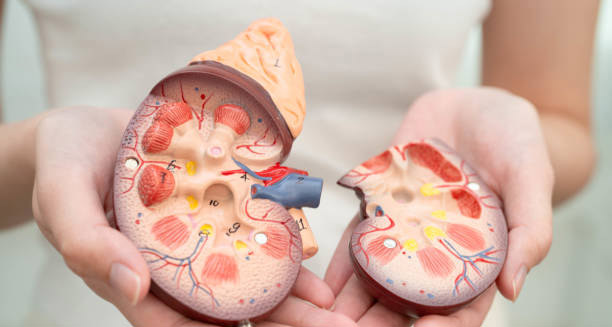
Woman holding her side with visible kidney model, illustrating prognosis of hydronephrosis

Outlook for Hydronephrosis

The outlook for hydronephrosis depends mainly on the cause, how bad the blockage is, how quickly it is found, and how well treatment works. If caught early and treated properly, kidney function often returns to normal, and full recovery is possible. However, untreated or long-lasting cases may have a worse outlook, especially if there is permanent kidney damage or repeated infections. Hydronephrosis affects all ages—from unborn babies and young children to older adults. The results vary widely. Whether caused by a kidney stone, a birth defect, or another problem like an enlarged prostate or tumour, early care is the most important factor in predicting recovery. 1. Favourable Outcomes with Early Intervention When mild to moderate hydronephrosis is treated quickly, the prognosis is very good. Patients usually regain full kidney function after the urine flow is fixed and the cause is addressed. Children diagnosed before or shortly after birth benefit from regular check-ups. Many outgrow the condition or need minor procedures with lasting success. 2. Chronic or Recurrent Hydronephrosis Some patients, especially with structural problems or ongoing risks, may have hydronephrosis that returns or lasts long-term. These cases need ongoing care. Though not always curable, steady kidney function is often possible with good care. 3. Paediatric Prognosis Hydronephrosis outlook in children varies with cause, age, and whether one or both kidneys are affected. Congenital causes like ureteropelvic junction (UPJ) obstruction are common and usually fixable with surgery. Long-term follow-up catches any minor kidney problems early to protect health. 4. Pregnancy-Related Hydronephrosis Hydronephrosis often occurs during pregnancy, mostly on the right side because of the uterus position and hormone effects that relax the ureters. The outlook during pregnancy is usually very good. Obstetricians and urologists work together to keep both mother and baby safe. 5. Risks of Delayed Diagnosis The biggest threat to a good outcome is late or missed diagnosis. The longer urine flow stays blocked, the higher the risk of permanent kidney damage, infection, or failure. Raising awareness about symptoms and regular health checks helps prevent these problems. 6. Long-Term Management and Lifestyle Considerations Even after treatment, some people remain at risk of recurrence and must adopt healthy habits and follow-up care. With education and follow-up, many patients live normal lives without limits from their condition. Summary The outlook for hydronephrosis depends on quick diagnosis and proper care. Early treatment often reverses the problem with little lasting harm. Even when it returns or becomes long-term, modern medicine can protect kidney function and quality of life. For children, pregnant women, and adults, the key is early detection, effective treatment, and monitoring for signs of return. With good care, most people with hydronephrosis have a positive long-term outlook. [Next: Back to Overview →]

Outlook for Hydronephrosis Read More »

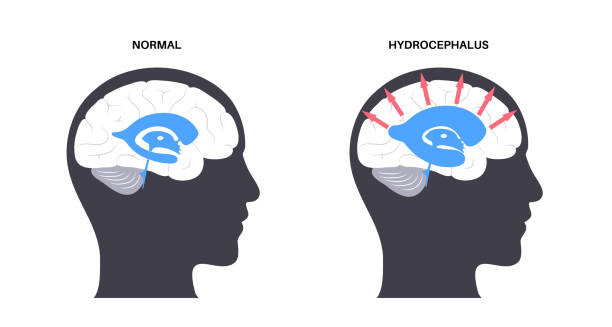
Comparison of normal brain and hydrocephalus showing fluid buildup and pressure

Hydrocephalus

Hydrocephalus is a medical condition characterised by an abnormal build-up of cerebrospinal fluid (CSF) within the ventricles (cavities) of the brain. The term hydrocephalus derives from the Greek words “hydro,” meaning water, and “cephalus,” meaning head — together meaning “water on the brain.” This accumulation of fluid increases intracranial pressure, which can damage delicate brain tissues and result in a wide range of symptoms depending on the patient’s age, underlying cause, and severity of the condition. The brain usually keeps a careful balance by making and absorbing cerebrospinal fluid. CSF protects the brain, brings nutrients, and removes waste. In hydrocephalus, this balance breaks. Either too much fluid is made, the flow is blocked, or the body cannot absorb the fluid well. This causes fluid to build up and press on the brain. This pressure can lead to physical problems and affect thinking. Hydrocephalus can affect anyone but happens most in babies and older adults. In babies, the skull bones are soft, so the head may grow larger than usual. In older children and adults, symptoms often include headaches, vision troubles, and changes in mood or thinking. Without treatment, hydrocephalus can be life-threatening. Still, with quick medical help, especially surgery, many people live full lives. Types of Hydrocephalus There are several kinds of hydrocephalus: Each type presents different challenges and treatment needs. Congenital forms may require lifelong care. Some acquired cases improve if the cause is treated. NPH can be hard to spot because symptoms mimic dementia or Parkinson’s disease. Global Impact and Diagnosis Hydrocephalus rates vary worldwide based on healthcare access and prenatal screening. In rich countries, doctors often find hydrocephalus early through pregnancy ultrasounds or newborn checks. In many poorer regions, late diagnosis is common, increasing the risk of death or disability. Public education and better newborn care can help reduce this burden. Treatment Options Surgery is the main treatment. The most common is placing a shunt, a thin tube that drains excess fluid from the brain to another body part, usually the belly, where it absorbs. Another option is endoscopic third ventriculostomy (ETV). This surgery makes a small hole in the brain’s ventricle floor to let fluid flow around a blockage. Both treatments ease symptoms but can have risks like infection, blockages, or the need for further surgeries. Living with Hydrocephalus Hydrocephalus affects more than just physical health. Children may face learning delays and coordination problems. Adults might struggle with memory, mood, and independence. A team of specialists — neurologists, surgeons, therapists, and educators — helps patients get the best care. Family and caregivers also play a big role. Parents learn to watch for warning signs like vomiting or irritability. Adults may depend on loved ones for daily tasks and medication. Since hydrocephalus can last a lifetime, strong support systems are key. Research and Future Directions Scientists continue studying the genes and environment factors behind hydrocephalus. They also work on improving surgeries and shunt designs. New imaging tools like MRI and CT scans help doctors diagnose and monitor the condition more easily and without pain. The hope is to find less invasive and more natural treatments in the future that balance brain fluid better. Prognosis Outcomes vary. Some recover well after treatment, while others face lasting problems. Early diagnosis, type of hydrocephalus, cause, and quick treatment all affect results. Regular follow-up care improves quality of life. Summary Hydrocephalus is a complex brain condition caused by too much cerebrospinal fluid. It can be dangerous if untreated, but modern surgery and care have improved lives greatly. With proper treatment and support, people with hydrocephalus can live active, meaningful lives. Raising public awareness, improving healthcare access, and continuing research are vital to help those living with this condition worldwide. [Next: Causes of Hydrocephalus →]

Hydrocephalus Read More »

Pregnant woman sitting with ultrasound scan showing concern about hydrocephalus

Causes of Hydrocephalus

Understanding the causes of hydrocephalus is essential to diagnosing and managing this complex neurological condition. The term “hydrocephalus” describes the build-up of cerebrospinal fluid (CSF) within the ventricles of the brain. This extra fluid raises pressure inside the skull. If untreated, it can cause lasting damage to brain tissue. Causes of hydrocephalus vary. They include genetic conditions, developmental problems, infections, injuries, and tumors. Hydrocephalus may start before birth, during infancy, or later in life. Hydrocephalus happens when the production and absorption of CSF are out of balance or when the flow of CSF is blocked. The brain makes CSF to protect itself and remove waste. Normally, the fluid flows through chambers called ventricles and around the brain and spinal cord, then reabsorbs into the bloodstream. When this balance breaks, hydrocephalus occurs. 1. Congenital Causes (Present at Birth) One common cause in infants is congenital abnormalities. These problems develop before birth and often get noticed early. Aqueductal stenosis is a major cause. This means a narrow or blocked channel between the brain’s ventricles stops fluid flow, causing buildup. Spina bifida, especially myelomeningocele, is a birth defect affecting the spine. It often leads to hydrocephalus by disturbing CSF flow. Chiari malformations are structural problems at the skull base and cerebellum that block CSF circulation. Infections in the womb like toxoplasmosis, cytomegalovirus, or rubella may disrupt brain development and lead to hydrocephalus. Some genetic conditions, such as X-linked hydrocephalus caused by mutations in the L1CAM gene, can block CSF flow and run in families. Because these causes start early, babies may show an unusually large head (macrocephaly) — often the first sign that leads to testing. 2. Acquired Causes (Develop After Birth) Hydrocephalus can also develop later in life due to injury, illness, or surgery. Intraventricular hemorrhage, especially in premature babies, causes bleeding inside brain ventricles. This can block CSF flow and cause hydrocephalus. Meningitis, an infection of brain and spinal cord membranes, can scar tissues and stop CSF absorption. Tuberculosis meningitis is a common cause in developing countries. Brain tumors can block fluid flow, especially those near the fourth ventricle. Traumatic brain injury may cause bleeding or swelling that disrupts CSF circulation. Hydrocephalus can appear soon after or much later. Cysts like arachnoid cysts can block CSF pathways, raising pressure. Brain or spinal surgery can sometimes cause scar tissue that stops normal CSF absorption. 3. Normal Pressure Hydrocephalus (NPH) NPH mainly affects older adults. Even though it’s called “normal pressure,” fluid builds up in brain ventricles without showing high pressure on lumbar puncture. NPH may happen after: NPH symptoms mimic Alzheimer’s and Parkinson’s disease, making diagnosis tricky. The main symptoms are walking problems, urinary urgency or incontinence, and memory loss. Brain scans help confirm NPH by showing larger ventricles. 4. Idiopathic Hydrocephalus Sometimes, doctors cannot find the cause of hydrocephalus. This is called idiopathic hydrocephalus. It happens more often in adults. Doctors make this diagnosis by ruling out other causes. Scientists are still researching why it happens. 5. Age-Related Factors Age affects hydrocephalus causes. Babies mostly have congenital or birth-related hydrocephalus. Older adults, especially over 60, often develop NPH or hydrocephalus after injury or stroke. Babies’ skulls are soft and can expand, so head size may grow visibly. Adults’ skulls are hard, so fluid build-up causes pressure symptoms without head changes. Global Differences in Causes Causes of hydrocephalus differ worldwide. Low-income countries see more infections and birth-related issues causing hydrocephalus. High-income countries detect congenital and tumor-related cases earlier due to better healthcare. Global health efforts focus on reducing preventable causes. These include improving prenatal care, vaccinations, and infection control. Conclusion Causes of hydrocephalus vary widely and depend on age, environment, and healthcare access. Whether congenital, acquired, or idiopathic, finding the root cause helps guide treatment and improve outcomes. Advances in diagnosis and newborn screening are helping catch hydrocephalus earlier, leading to better care worldwide. Causes of Hydrocephalus Using “Causes of Hydrocephalus” in headings and text helps readers and search engines find this important information clearly and easily. [Next: Symptoms of Hydrocephalus →]

Causes of Hydrocephalus Read More »

Comparison of normal brain and hydrocephalus showing fluid buildup and pressure in the brain

Symptoms of Hydrocephalus

The symptoms of hydrocephalus can vary widely depending on the patient’s age, the speed at which the condition develops, and the underlying cause of the cerebrospinal fluid (CSF) build-up. How Symptoms Affect the Brain Hydrocephalus raises pressure inside the skull. This pressure changes how the brain works and its shape. Some symptoms are clear and quick, especially in babies. Others are harder to notice, mainly in older adults. Understanding symptoms at different ages helps doctors spot hydrocephalus early. Symptoms might appear slowly or show up fast in sudden cases. Without quick care, hydrocephalus can cause serious problems. Symptoms of Hydrocephalus in Infants Babies with hydrocephalus often show physical signs different from older kids or adults. This happens because their skull bones are soft and can grow to hold more pressure. If not treated early, these symptoms can worsen and lead to delays in growth, thinking problems, or physical issues. Symptoms in Toddlers and Young Children As children grow and their skull bones harden, symptoms change. They often show more brain and behaviour problems. These symptoms develop slowly and may seem like other childhood issues. This makes careful check-ups very important. Symptoms in Adolescents and Adults In teens and adults, hydrocephalus symptoms show as signs of brain pressure and nerve problems. In older adults, hydrocephalus symptoms can be very mild and mistaken for diseases like Parkinson’s or Alzheimer’s, or just normal aging. This is common in normal pressure hydrocephalus, where ventricles get bigger but pressure seems normal. Acute Symptoms and Medical Emergencies Sometimes hydrocephalus develops very fast and needs urgent care. Warning signs include: These symptoms mean pressure in the brain is dangerously high and can be deadly without quick treatment. For people with a shunt to treat hydrocephalus, new headaches, vomiting, or vision changes may mean the shunt is blocked, infected, or broken. Immediate medical help is needed to avoid permanent harm or death. Symptoms of Hydrocephalus in Older Adults (NPH) Normal pressure hydrocephalus mostly affects people over 60. It usually causes three main symptoms: Unlike Alzheimer’s or Parkinson’s, NPH symptoms can improve or reverse with surgery if caught early. This makes quick diagnosis very important. The Importance of Early Recognition Spotting hydrocephalus symptoms early is key for good treatment and outcomes. Early treatment, like shunt surgery or endoscopic third ventriculostomy, can control the condition well. Left untreated, fluid build-up can cause brain damage, severe disability, or death. Everyone should know the warning signs for all ages — parents, caregivers, teachers, and doctors. Regular check-ups and brain development screenings should check for hydrocephalus when symptoms appear. Conclusion The symptoms of hydrocephalus vary by age, type, and how fast it develops. From a big head in babies to subtle thinking and walking changes in older adults, early recognition saves lives and improves quality of life. Hydrocephalus affects many people worldwide, so being watchful and aware helps catch it early and get the right treatment. Symptoms of Hydrocephalus Using the focus keyphrase “Symptoms of Hydrocephalus” here and in headings helps the content stay clear and easy to find for readers and search engines. [Next: Diagnosis of Hydrocephalus →]

Symptoms of Hydrocephalus Read More »

Scroll to Top