Mental Matters

Author name: admin

Doctor examining an infant for signs of hydrocephalus during a medical consultation.

Diagnosis of Hydrocephalus

The diagnosis of hydrocephalus plays a critical role in determining the appropriate treatment and preventing long-term brain damage. Importance of Early Diagnosis Doctors must identify hydrocephalus early. This allows them to start treatment quickly and improve outcomes for all ages. Whether the patient is a newborn, child, or older adult, a careful diagnostic process is needed. It confirms excess cerebrospinal fluid (CSF), finds the cause, and measures how severe the condition is. Modern tools like medical imaging and brain exams have changed how doctors diagnose hydrocephalus. These tools help detect problems in CSF flow, the size of brain ventricles, and brain function. However, diagnosing hydrocephalus can still be hard. This is especially true in older adults because symptoms can be mild or like other brain conditions. Clinical Evaluation and History Doctors start by taking a detailed medical history and doing a physical exam. They ask about when symptoms began and how they have changed. They also ask about past injuries, infections, or family history of brain problems. For babies and young kids, parents may notice fast head growth, delays in development, or fussiness. Older patients might complain of walking problems, memory loss, or bladder control issues. During the exam, doctors look for signs like: These findings guide the next step — imaging and tests. Neuroimaging: Essential for Diagnosis Neuroimaging is the main tool to diagnose hydrocephalus. It shows if the brain’s ventricles are enlarged or blocked. It also finds any masses or spots that block CSF flow. 1. Ultrasound (in infants)For babies with soft skull bones, doctors use ultrasound first. This test is safe, quick, and easy. The probe goes on the soft spot (fontanelle) and shows fluid buildup and brain shape clearly. 2. CT Scan (Computed Tomography)CT scans work well in emergencies or for older kids and adults. They show detailed pictures of brain structure and ventricles. CT helps find sudden hydrocephalus from bleeding, infections, or injuries. Because CT uses radiation, doctors avoid using it often in babies. 3. MRI (Magnetic Resonance Imaging)MRI is the best test for hydrocephalus. It gives clear pictures of soft tissues, CSF paths, and brain parts around them. It helps tell if hydrocephalus is due to blockage or poor absorption. MRI also finds tumours, cysts, or birth defects. In older adults, MRI helps check for normal pressure hydrocephalus (NPH) by showing ventricle size and brain changes. New MRI techniques, like phase-contrast MRI, can even measure CSF flow. This helps with tough or unclear cases. Lumbar Puncture and CSF Analysis Sometimes, doctors do a lumbar puncture (spinal tap), especially if NPH is suspected. They take a small amount of fluid from the lower back with a needle. They measure the pressure and check what is in the fluid. Normal pressure readings do not mean NPH is ruled out. Removing fluid may ease symptoms for a short time in NPH. This is called the CSF tap test and helps confirm the diagnosis. Doctors also check the fluid for infection, blood, or inflammation, which can cause hydrocephalus. Doctors usually avoid lumbar puncture if blockage is obvious. This is because it might cause pressure problems and serious brain injury. Intracranial Pressure Monitoring When symptoms are unclear or decline happens fast, doctors may monitor brain pressure directly. They insert a small sensor into the skull or ventricles. This sensor measures pressure continuously. Though this test is invasive, it gives important information in difficult cases. This is useful in hospital patients, especially after injury or surgery, where acute hydrocephalus risk is high. Neuropsychological Evaluation Older children and adults may undergo cognitive testing. These tests check memory, attention, language, reasoning, and thinking skills. The results help tell hydrocephalus apart from diseases like Alzheimer’s, Parkinson’s, or stroke. They are also key in spotting NPH. Doctors use these tests to track the patient’s brain function before and after surgery. Diagnostic Challenges in the Elderly Diagnosing hydrocephalus in older adults is often tough. NPH symptoms—walking trouble, memory loss, bladder problems—look like other age-related brain diseases. Many patients get misdiagnosed and treated for dementia or other conditions. Doctors must combine brain scans with careful clinical judgement. If NPH is suspected, they might do a CSF tap test or drain fluid over several days to see if symptoms improve. These tests help predict if shunt surgery will help. Genetic Testing (in Specific Cases) Genetic tests may be needed in cases of congenital hydrocephalus, especially if multiple problems or family history exist. Finding gene changes or syndromes helps with counselling, predicting the course, and planning future pregnancies. Doctors do not usually test genetics in acquired hydrocephalus, unless heredity is suspected. Summary Diagnosis of hydrocephalus involves history, physical exam, and imaging. Some cases are clear with obvious signs and images. Others, especially in older adults, need detailed tests and expert judgement. Early diagnosis stops lasting brain damage. With proper diagnosis, patients can get the treatments needed to live healthier, fuller lives. Diagnosis of Hydrocephalus — Remember Using the focus keyphrase “Diagnosis of Hydrocephalus” here in the intro and scattered naturally throughout the content helps SEO. Also including it in headings makes the text easier to find and understand. [Next: Treatment of Hydrocephalus →]


Diagnosis of Hydrocephalus Read More »

Child undergoing MRI scan as part of hydrocephalus treatment and monitoring.

Treatment of Hydrocephalus

The treatment of hydrocephalus focuses on lowering the extra cerebrospinal fluid (CSF) in the brain’s ventricles. This helps ease pressure on the brain and stops further damage. Since hydrocephalus can affect people of all ages and result from different causes, treatment depends on the patient’s age, type of hydrocephalus, and other health issues. Surgery is the main treatment, but medicine and supportive care also play roles. Early diagnosis and fast treatment are key. Without treatment, hydrocephalus can cause lasting brain damage, disability, or death. For most patients, treatment is a long-term process. Many need regular check-ups, and some may need extra procedures for recurring symptoms or complications. Still, with proper care, many people with hydrocephalus live much better lives. Surgical Treatment: The Cornerstone of Management Surgery aims to drain the extra CSF and lower pressure on the brain. Two main surgery types are used: 1. Shunt Placement The most common surgery is to put in a ventriculoperitoneal (VP) shunt. This is a soft silicone tube that moves excess fluid from the brain to another part of the body, usually the belly, where it is absorbed. The shunt has a valve to control the fluid flow and stop too much or too little drainage. In young children, the shunt can be adjusted or replaced as they grow. Other shunt types drain to the heart (ventriculoatrial) or chest (ventriculopleural). Shunts can save lives and greatly improve symptoms but come with risks. Shunts may fail, block, get infected, or need multiple surgeries over time. Patients usually need lifelong check-ups. Some shunts are programmable, letting doctors change flow rates without surgery. 2. Endoscopic Third Ventriculostomy (ETV) ETV is a surgery option for blocked hydrocephalus. A surgeon makes a small hole in the brain’s third ventricle floor. This hole lets CSF bypass the blockage and flow normally to the brain’s surface for absorption. ETV avoids using a shunt, which lowers infection and mechanical failure risks. It works better in older children and adults than in babies. Sometimes, doctors use ETV with choroid plexus cauterisation (ETV-CPC) in infants to lower CSF production. ETV is not suitable for all cases, especially if the problem is poor CSF absorption, but it offers a shunt-free option for some patients. Additional Surgical Considerations If hydrocephalus is caused by tumors, cysts, or brain problems, more surgery may be needed to fix the cause. For example: Medical and Supportive Treatments Surgery handles the fluid build-up, but other care helps with lasting effects. a. Medications Medicines do not cure hydrocephalus but help in certain cases: Medicines support but do not replace surgery. b. Rehabilitation Therapy Many patients, especially kids, need physiotherapy, occupational therapy, or speech therapy to improve movement, thinking, or speaking. Early therapy is key for better development. Rehab helps people gain independence and improve daily skills, especially if brain damage happened before treatment. c. Psychological and Educational Support Hydrocephalus may affect thinking and behavior long term. Support from psychologists and learning specialists helps children succeed at school and socially. Adults may benefit from counselling for mood changes, depression, or memory problems. Long-Term Monitoring and Follow-Up Monitoring is a big part of hydrocephalus care. Shunts can fail suddenly, and ETV holes may close. Signs like headaches, nausea, blurry vision, or behavior changes need quick check-ups. Follow-up includes: Many patients need lifelong care, but new surgical tools and tests improve results. Special Considerations for Normal Pressure Hydrocephalus (NPH) NPH usually affects older adults and shows as walking problems, memory loss, and bladder control issues. Treatment often means shunt surgery, especially if tests show CSF removal helps. Not all patients improve, so careful diagnosis and clear expectations matter. Teams of neurologists, geriatricians, and rehab specialists usually manage care. Emerging and Future Therapies New treatments are being studied, including: These advances may lower risks and improve life quality over time. Conclusion Treatment for hydrocephalus combines surgery with ongoing care, rehab, and emotional support. While there is no cure, most people manage the condition well and live full lives. Advances in surgery and technology bring hope for even better results in the future. [Next: Complications of Hydrocephalus →]

Treatment of Hydrocephalus Read More »

Illustration of a child struggling to speak, showing a speech delay linked to hydrocephalus complications.

Complications of Hydrocephalus

The complications of hydrocephalus can range from mild developmental delays to severe brain damage and even death. These problems happen mainly because too much cerebrospinal fluid (CSF) builds up in the brain, causing high pressure inside the skull. Even with quick treatment, some issues may last if the brain was under pressure for a long time before treatment started. Since hydrocephalus affects people of all ages—from babies to older adults—the complications vary widely. Babies may have delays in brain growth, while adults often face problems with thinking or moving. Careful monitoring and personalized rehab can help lower the impact of these complications, but some damage might be permanent. Knowing these complications is very important for patients, caregivers, and doctors because early spotting and treatment can improve long-term results. Cognitive and Developmental Delays A major complication in babies and young children with untreated or late-treated hydrocephalus is delayed thinking skills. When too much fluid presses on the growing brain, it can stop important connections needed for learning, memory, speech, and movement from forming properly. Children may take longer to learn to talk, read, and solve problems.They may show behavior problems like short attention, hyperactivity, or emotional outbursts. Early surgery and therapy can help reduce these issues, but some learning problems might stay. In adults, especially those with long-term hydrocephalus or normal pressure hydrocephalus (NPH), problems may include short-term memory loss, trouble planning, and poor focus. Motor Impairments and Mobility Issues Many complications of hydrocephalus affect physical movement and coordination. In children, extra pressure can cause: Older adults with NPH may develop a shuffling walk, poor balance, and a higher chance of falling. Falls can cause broken bones or other injuries. Physical therapy is very important to help with these movement problems. Vision and Hearing Difficulties High pressure in the skull can press nerves that control sight and hearing. This can cause both children and adults to have: Quick surgery, regular eye checks, and brain exams help catch and treat these problems early. Seizures Seizures happen fairly often, especially in children with severe or long-lasting hydrocephalus. Causes include: Seizures vary from short lapses in attention to full convulsions. They are usually treated with medicine, but some cases need more brain scans and surgery. Shunt Complications Surgery to treat hydrocephalus often uses shunts, but shunts can cause problems too. Many patients will have several shunt surgeries in their life. This shows why long-term check-ups and fast action on symptoms matter. Psychosocial and Emotional Effects Hydrocephalus causes emotional and social problems beyond physical and thinking issues. Counselling, support groups, and social activities help manage these feelings and improve well-being. Incontinence and Urinary Issues Urinary incontinence (loss of bladder control) is common in older adults with normal pressure hydrocephalus. It often happens with walking problems and memory loss. Types include: Incontinence hurts quality of life and can cause shame or social isolation. Shunt surgery, bladder training, and medicine may help. Reduced Life Expectancy in Untreated Cases Without treatment, hydrocephalus can be deadly due to pressure on vital brain parts. Babies’ skulls may swell to fit fluid, but this can only go so far. Eventually, vital functions like breathing and heartbeat may fail. In older adults, untreated hydrocephalus looks like brain diseases and causes steady decline, more falls, immobility, and infections like pneumonia. Prevention and Risk Management Though not all hydrocephalus problems can be stopped, many risks drop with good care: Conclusion Hydrocephalus causes many problems that can affect almost every part of life. These include thinking problems, physical disability, emotional struggles, and surgical risks. However, with early diagnosis, proper surgery, and long-term care, many complications can be eased or controlled. Knowing and preparing for these issues leads to better outcomes and improves life quality for people living with hydrocephalus. [Next: Outlook for Hydrocephalus →]

Complications of Hydrocephalus Read More »

Young woman engaging in developmental therapy activities, representing the long-term outlook for hydrocephalus.

Outlook for Hydrocephalus

The outlook for hydrocephalus depends on many factors like the patient’s age when diagnosed, the cause, how bad the symptoms are, and how well treatment works. Some people with hydrocephalus have only mild problems and live mostly normal lives. Others face challenges that last a lifetime. Catching hydrocephalus early and managing it well over time improves the outlook a lot. In today’s healthcare, early diagnosis, surgery, and follow-up care have made a big difference. In babies and children, placing a shunt or doing an endoscopic third ventriculostomy (ETV) early can stop delays in development and help normal growth. Adults with normal pressure hydrocephalus (NPH) may see big improvements in walking, bladder control, and thinking skills after treatment. Still, hydrocephalus remains complex and needs long-term care. Outlook in Infants and Children When hydrocephalus is found in babies or young children, the outlook depends on how fast treatment starts and if brain damage happened before treatment. Children who get treatment early and receive ongoing support can live full lives. Those without other brain problems usually do best. Early speech, occupational, and physical therapy help children develop normally. Doctors must check on shunt function, growth, and school progress regularly. Some children might still have learning issues, vision problems, or seizures, especially if treatment was late or if other brain problems exist, like spina bifida or bleeding inside the brain. Careful monitoring and early support services improve the outlook for hydrocephalus in children. Outlook in Adults Adults who develop hydrocephalus from head injuries, brain tumors, or infections have different outcomes based on the cause and how quickly the fluid buildup is treated. Some adults recover fully if treated fast and no lasting damage occurs. For older adults with normal pressure hydrocephalus (NPH), results vary: With regular check-ups, physical therapy, and brain rehab, many adults can have good long-term results. Since NPH looks like other dementias, a correct diagnosis is important to avoid wrong treatments. Lifelong Management and Follow-Up Even after treatment, hydrocephalus often needs lifelong care. Inserting a ventriculoperitoneal (VP) shunt saves lives but has risks: Some people worry about sudden shunt failure, which can affect mental health. A clear follow-up plan with scans and exams helps catch issues early and ease worries. Quality of Life and Independence The outlook for hydrocephalus also depends on quality of life. Proper care can greatly improve this. Many children go to regular schools with or without help. Many adults keep jobs, relationships, and active lives. Things that improve quality of life include: In places with fewer resources, outcomes are often worse due to late diagnosis, no surgery, and little rehab. Global programs work to improve access to shunts and brain surgery in those areas. Emerging Treatments and Research New science is changing the outlook for hydrocephalus. Research focuses on: As knowledge grows, treatments become more tailored, helping people live longer, better lives. Emotional and Social Outlook Hydrocephalus is more than a medical problem—it changes lives. Many patients face depression, anxiety, and social withdrawal, especially if surgeries repeat or problems persist. Children may feel different or fall behind classmates, which hurts confidence. Adults may worry about losing independence if memory or movement decline. Counselling, support groups, and family education are key to helping patients cope. Awareness is growing, and many find strength through advocacy and peer support. The outlook improves when care addresses both physical and emotional needs. Final Thoughts The outlook for hydrocephalus has gotten much better over the last decades. Early diagnosis, better surgery, and more public knowledge help many people live full lives. Success depends on quick treatment, ongoing care, emotional support, and rehab access. With ongoing research and new tools, the future looks brighter. Patients, families, and doctors working together can improve outcomes. Hydrocephalus is no longer a life sentence—it is a serious condition that can be managed well with care, understanding, and teamwork. [Next: Back to Overview →]

Outlook for Hydrocephalus Read More »

Graphic representation of Huntington’s disease with a stylised brain illustration and bold text.

Huntington’s Disease – Overview

Huntington’s disease is a progressive and inherited neurodegenerative disorder that affects the brain’s ability to control movement, cognition, and behaviour. Huntington’s disease happens because of a mutation in the HTT gene. This causes slow damage to nerve cells in parts of the brain like the basal ganglia and cerebral cortex. As the damage grows, people lose motor skills, have emotional problems, and experience cognitive decline. The disease usually starts in middle age but can sometimes begin in childhood. It worsens over 10 to 25 years. Genetic Cause and Inheritance The disease is named after George Huntington, who first described it in 1872. Huntington’s disease is autosomal dominant. This means a person needs only one faulty gene from a parent to develop the disease. Each child of an affected parent has a 50% chance of inheriting the mutation. The HTT gene, on chromosome 4, has a CAG repeat section. People with Huntington’s have an abnormally high number of repeats. More repeats usually mean earlier symptoms and faster worsening. Main Symptoms and Their Progression Huntington’s disease symptoms fall into three groups: motor, cognitive, and psychiatric. Motor symptoms often start small. People may have involuntary movements called chorea, clumsiness, or coordination problems. These movements get worse and make walking, talking, and swallowing very hard. Eventually, full-time care is needed. Cognitive symptoms appear early and get worse slowly. People find it harder to plan, organise, multitask, or concentrate. Memory stays okay at first but declines later. Language problems also grow, making communication difficult. Later, dementia may develop, but it looks different from Alzheimer’s disease. Psychiatric symptoms are common and may show before movement problems. Depression often appears early. Other issues include irritability, anxiety, lack of interest (apathy), obsessive thoughts, and sometimes psychosis. These symptoms can hurt relationships and daily life, even before diagnosis. Variations in Age of Onset Symptoms usually start between ages 30 and 50. Some people show signs much earlier or later. Juvenile Huntington’s disease begins before age 20 and accounts for 5–10% of cases. It progresses faster, with stiffness, learning problems, and seizures more common than chorea. Late-onset Huntington’s is rare but can happen, often in families with milder gene expansions. Treatment and Support No cure exists for Huntington’s disease. Treatment focuses on managing symptoms and improving quality of life. Medicines like tetrabenazine help control chorea. Antidepressants and antipsychotics treat mental health symptoms. Speech, occupational, and physical therapy help maintain function and independence. Genetic counselling is vital for people at risk or planning families. Emotional and Social Impact Huntington’s disease affects whole families, not just the person with the disease. Many live with anxiety and hard decisions about genetic testing for years. Symptoms strain relationships, and caregivers face big challenges. Support groups, mental health services, and long-term care ease the burden. Global Impact and Research Worldwide, Huntington’s disease affects 3 to 10 people per 100,000. It is more common in people of European descent but occurs everywhere. Genetic testing has improved diagnosis and family planning. Research on gene-silencing and neuroprotective treatments offers hope. New trials using RNA interference and CRISPR gene-editing may change the future. Awareness and Stigma Awareness has grown due to advocacy and public cases. This helps with funding and better care. However, stigma remains, especially when psychiatric symptoms appear early, causing misdiagnosis or delayed help. People in early stages may face discrimination or stop activities due to fear or misunderstanding. Educators and employers should know that symptoms come from brain changes, not laziness or unwillingness. Early support can reduce these problems. Life Changes After Diagnosis A Huntington’s diagnosis often marks a big life shift. Once symptoms appear and genetic testing confirms the mutation, people face managing a serious illness and the knowledge they might pass the gene to children. Support services, including counselling and peer groups, help patients and families cope with this reality. Summary of Huntington’s Disease Overview In conclusion, Huntington’s disease is a complex inherited brain disorder affecting body, mind, and emotions. While it is fatal, early diagnosis, good care, and emotional support can improve life quality. Science is making progress, giving hope for future treatments. Until then, a team approach and kind care are the best help for those living with Huntington’s disease. [Next: Causes of Huntington’s Disease →]

Huntington’s Disease – Overview Read More »

Causes of Huntington’s Disease

Causes of Huntington’s Disease

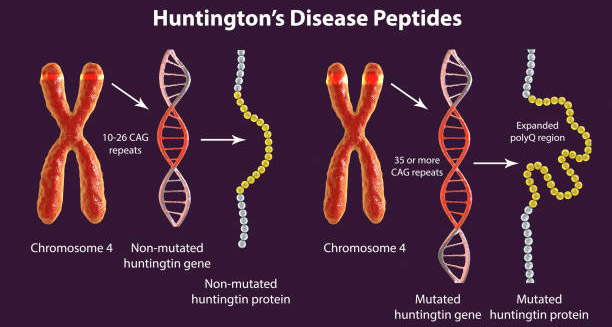
The causes of Huntington’s disease are entirely genetic in nature, making this neurodegenerative condition both unique and devastating. Huntington’s disease happens because of a single inherited mutation. It is an autosomal dominant disorder. This means if one parent has the faulty gene, each child has a 50% chance of getting the disease. This pattern causes the disease to show up in many family generations, often leading to a sad cycle of decline. The Genetic Mutation Behind Huntington’s Disease The main cause is a change in the HTT gene on chromosome 4. This gene makes a protein called huntingtin. Huntingtin is important for nerve cells, especially in the brain, to work well. In people without Huntington’s, the HTT gene has a DNA sequence where three nucleotides — cytosine (C), adenine (A), and guanine (G) — repeat 10 to 35 times. This sequence is called a CAG trinucleotide repeat. In people with Huntington’s disease, this CAG part repeats 36 times or more. The number of repeats affects how bad the disease gets and when it starts. If the repeats are between 36 and 39, some may or may not show symptoms. When repeats reach 40 or more, the disease will almost always develop. How the Mutation Causes Damage The long CAG repeats make the huntingtin protein abnormally long and weak. This broken protein splits into pieces that build up inside nerve cells. This mainly happens in brain areas that control movement, behavior, and thinking, like the basal ganglia and cerebral cortex. These pieces stop normal cell processes, leading to nerve cell death, brain shrinkage, and the worsening symptoms of Huntington’s disease. One worrying feature is called anticipation. This means the number of CAG repeats can grow larger when passed from parent to child, especially from the father. Because of this, symptoms may appear earlier and worsen faster in the next generation. For example, a parent with 42 repeats might pass on a gene with 50 or more repeats, causing a more severe and early form called juvenile-onset Huntington’s disease. Inheritance and Risk Because the mutation is dominant, inheriting one faulty HTT gene from either parent causes the disease. The disease does not skip generations unless the faulty gene is not passed on. People who inherit two normal HTT genes — one from each parent — will not get the disease and cannot pass it on. Causes of Huntington’s Disease and Environment Environmental factors like diet, exercise, smoking, or pollution do not cause Huntington’s disease. But once the disease is present, lifestyle and care can affect how symptoms are managed and improve quality of life. No known outside factor can trigger or stop the genetic mutation causing Huntington’s disease. Genetic Modifiers and Disease Progression Scientists study other genes called genetic modifiers. These may change how fast the disease moves or when symptoms start. These modifiers do not cause Huntington’s but may explain why people with the same CAG repeats have different disease speeds. Genetic Testing and Counseling Because inheritance is certain in affected families, genetic testing is very important. A simple blood test counts the number of CAG repeats in the HTT gene, giving a very accurate diagnosis. However, testing brings hard emotional and ethical choices, especially for those with no symptoms but who are at risk. Many people struggle with whether to get tested, knowing a positive result affects mental health, family planning, and insurance in some places. To help with these choices, genetic counseling is strongly advised. Counselors explain Huntington’s disease, risks of passing it on, and reproductive options. They also offer support to prepare for the emotional effects of knowing the likely future. Reproductive Options People planning families may choose preimplantation genetic diagnosis (PGD). PGD tests embryos made through IVF for the HTT mutation before implantation. Parents can then select embryos without the faulty gene. Prenatal testing is another option, but positive results can lead to difficult decisions. Some countries have legal limits on abortion, which may complicate this testing. Research and Hope for the Future We now fully understand the causes of Huntington’s disease, but we cannot yet fix or cure the gene mutation. Still, researchers work on treatments targeting the genetic cause. These include gene-silencing therapies like RNA interference and CRISPR gene-editing. These aim to lower or block the harmful huntingtin protein. Though still experimental, these treatments offer hope for future generations. Social Impact and Awareness Awareness campaigns and support groups have helped research, testing access, and reduced stigma. However, the emotional and social effects of Huntington’s disease are still very strong. Many people live for years knowing they carry the faulty gene before symptoms appear, causing anxiety, depression, and tough talks with family. Summary of Causes of Huntington’s Disease In conclusion, the causes of Huntington’s disease come from a genetic mutation in the HTT gene. This mutation leads to a harmful protein that damages brain cells. The disease passes from generation to generation and affects people worldwide. While there is no current cure or way to stop it, knowing the genetic cause allows for early diagnosis, smart family planning, and ongoing research into new treatments. [Next: Symptoms of Huntington’s Disease →]

Causes of Huntington’s Disease Read More »

Symptoms of Huntington’s Disease

Symptoms of Huntington’s Disease

The symptoms of Huntington’s disease usually appear gradually and progress over time as the condition damages specific areas of the brain. Because the disease affects both movement and mental function, its symptoms vary widely from person to person. Most people develop symptoms between ages 30 and 50, although earlier or later onset is possible. The condition typically worsens over 10 to 25 years, eventually leading to complete loss of independence. There are three main categories of symptoms: These symptoms may develop in any order, and in some cases, behavioural changes appear long before movement problems begin. Motor Symptoms Motor symptoms are often the first signs of Huntington’s disease. The most recognisable feature is chorea — sudden, involuntary movements affecting the face, arms, and legs. Initially, these may look like restlessness or fidgeting, but they worsen over time and interfere with walking, eating, and speaking. Other motor symptoms include: As the disease progresses, movements become slower and stiffer, leading to bradykinesia (slowness) and dystonia (muscle rigidity). In advanced stages, most people require full assistance for daily activities. Cognitive Symptoms Cognitive decline in Huntington’s disease primarily affects executive function — the brain’s ability to plan, organise, and control behaviour. Unlike Alzheimer’s, memory loss is not the first symptom but develops later. Common cognitive issues include: Eventually, cognitive decline leads to confusion, disorientation, and an inability to manage daily tasks like finances or medication. Psychiatric and Emotional Symptoms Psychiatric symptoms are common and may appear before motor signs. These emotional changes often have the most significant impact on quality of life. The most frequent psychiatric symptoms are: Severe psychiatric symptoms such as psychosis, hallucinations, or delusions may occur, especially in juvenile or late stages. Variability and Progression Symptom progression varies widely. Higher CAG repeat counts in the HTT gene usually mean earlier onset, but severity and progression still vary. Impact on Daily Life As symptoms worsen, individuals lose independence in work, driving, and self-care. Speech issues, cognitive decline, and mood changes often cause social withdrawal and strain family relationships. Caregivers face high levels of stress, especially in later stages when full-time care is required. Palliative care and community support are essential for maintaining dignity and comfort. Early Detection is Key Early recognition of Huntington’s symptoms enables proactive treatment and planning. While there is no cure, therapies such as physiotherapy, speech therapy, occupational support, and psychiatric care help maintain function and improve quality of life. [Next: Diagnosis of Huntington’s Disease →]

Symptoms of Huntington’s Disease Read More »

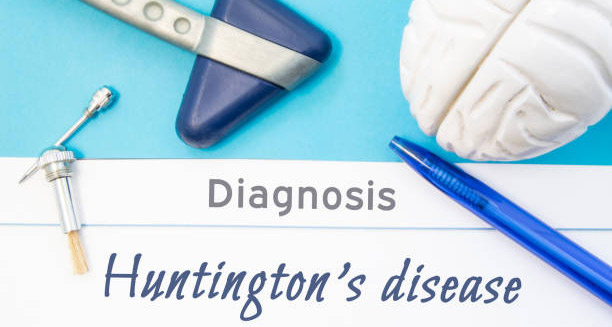
Diagnosis of Huntington’s disease with medical tools and brain model

Diagnosis of Huntington’s Disease

The diagnosis of Huntington’s disease involves clinical assessments, family history analysis, neurological evaluations, and genetic testing. Because the condition is hereditary, diagnosis often begins when symptoms appear in someone with a family history of the disorder. For individuals without known genetic risk, medical evaluations and testing can still confirm the condition. Early diagnosis matters. It gives individuals and families time to plan, begin treatment, and access support before symptoms worsen. Clinical Evaluation The first step in diagnosing Huntington’s disease is a neurological examination. Doctors look for: Emotional symptoms such as depression, anxiety, and mood swings are also assessed. Because symptoms can mimic other conditions (e.g., Parkinson’s disease or psychiatric disorders), accurate evaluation is essential. Family members often provide observations about behavioural or memory changes to help clarify the clinical picture. Medical and Family History Huntington’s disease follows an autosomal dominant inheritance pattern, meaning a 50% chance of transmission if one parent carries the gene. Clinicians review family medical history to identify patterns of neurological decline. If family history is unclear — for example, in adoption cases or early parental deaths — doctors may recommend genetic testing based on symptoms alone. Neurological and Cognitive Testing Doctors may perform structured tests to measure: These tests do not confirm Huntington’s disease on their own but help establish a baseline for symptom progression. Psychiatric Assessment Mental health symptoms often appear early and can resemble unrelated psychiatric disorders. A psychiatric evaluation checks for depression, irritability, obsessive behaviour, or psychosis, ensuring accurate diagnosis and avoiding mislabeling the condition as a primary mental illness. Brain Imaging Brain scans such as MRI or CT can reveal changes in the caudate nucleus and putamen — brain regions most affected by Huntington’s disease. Imaging helps rule out other causes but cannot replace genetic confirmation. Genetic Testing – The Definitive Diagnosis A blood test counts the number of CAG repeats in the HTT gene: Genetic testing is highly accurate but carries emotional and ethical implications. Genetic counselling is essential before and after testing to discuss results, family planning, and support options. Prenatal and Preimplantation Testing Families with a known history of Huntington’s can opt for: These options help break the cycle of transmission but require careful ethical consideration and expert guidance. Challenges in Diagnosis Diagnosis can be delayed if symptoms are subtle, mimic other conditions, or occur in rare juvenile or late-onset forms. Fear, stigma, or denial may also prevent individuals from seeking testing. Public education and improved access to genetic services remain essential. Key Takeaway The diagnosis of Huntington’s disease relies on a combination of clinical evaluation and genetic testing, supported by counselling and family involvement. While genetic testing provides certainty, the emotional weight of knowing one’s status makes professional support critical. [Next: Treatment of Huntington’s Disease →]

Diagnosis of Huntington’s Disease Read More »

Conceptual illustration of Huntington’s disease treatment with brain functions and support

Treatment of Huntington’s Disease

The treatment of Huntington’s disease focuses on managing symptoms and improving quality of life. While there is no cure, a combination of medication, therapy, and supportive care can help individuals maintain independence for as long as possible. Because the disease progresses gradually, treatment must adapt over time. A multidisciplinary approach — involving neurologists, psychiatrists, physiotherapists, speech therapists, and dietitians — is considered the gold standard. Medications for Motor Symptoms Chorea, the involuntary jerking movements, is one of the main symptoms of Huntington’s disease. Treatment options include: Antipsychotics (e.g., haloperidol, olanzapine, risperidone) can help control chorea when behavioural symptoms coexist. However, these drugs must be used carefully to avoid worsening rigidity. For stiffness and muscle spasms, medications like baclofen, benzodiazepines, or amantadine may provide relief. Managing Emotional and Psychiatric Symptoms Psychological symptoms are common and require prompt attention. Treatment may include: Therapies such as Cognitive Behavioural Therapy (CBT), counselling, and support groups help individuals and families cope with emotional challenges. Physical and Occupational Therapy Physiotherapy helps maintain mobility, balance, and strength, reducing fall risk. Occupational therapists assist with: Speech therapy supports communication and swallowing, introducing assistive tools when speech declines. Nutritional Support Weight loss is common due to increased energy use and swallowing problems. Strategies include: Regular monitoring by a dietitian is essential throughout the disease. Emerging and Experimental Treatments Research offers hope for slowing or stopping disease progression. Key areas include: These treatments are still in clinical trials, but progress is promising. Long-Term and Palliative Care Advanced stages require full-time care. Planning should cover: Hospice services may be needed when swallowing difficulties, severe cognitive decline, or recurrent infections develop. The Role of Support Networks Emotional and practical support is as vital as medical care. Families benefit from: Summary The treatment of Huntington’s disease aims to control symptoms, maintain independence, and support emotional wellbeing. Although no cure exists yet, ongoing research brings hope for therapies that may slow or even halt the disease in the future. [Next: Complications of Huntington’s Disease →]

Treatment of Huntington’s Disease Read More »

Elderly man struggling to swallow due to complications of Huntington’s disease

Complications of Huntington’s Disease

The complications of Huntington’s disease develop gradually and affect nearly every aspect of life — from movement and cognition to emotional health and social relationships. These complications place a heavy burden on both individuals and their caregivers. Understanding them is essential for planning care and improving quality of life. Movement-Related Complications One of the most noticeable complications of Huntington’s disease is chorea — involuntary, jerky movements. At first, these movements are mild, but over time they become severe, leading to: As mobility declines, the risk of fractures and injuries increases significantly. Swallowing and Nutrition Problems Difficulty swallowing (dysphagia) often appears in the later stages. Patients may choke on food or liquids, which can cause aspiration pneumonia — a leading cause of death in Huntington’s disease.Other related issues include: In advanced stages, some patients require feeding tubes for adequate nutrition. Cognitive Decline Cognitive problems often start early and worsen over time. These include: As cognition declines, individuals lose the ability to manage finances, healthcare, and personal care without assistance. Mental Health Complications Mental health issues are extremely common. They can appear even before physical symptoms. The most frequent include: Suicide risk is especially high in early stages when patients fully understand their diagnosis. Continuous psychological support is essential. Speech and Communication Issues Huntington’s disease affects muscles used for speaking, leading to dysarthria (slurred speech). Over time, speech becomes hard to understand, causing frustration and social withdrawal. Eventually, patients may need communication devices. Other Common Complications Social and Family Challenges The complications of Huntington’s disease extend beyond health. They include: Managing Complications A multidisciplinary approach offers the best care. Teams often include neurologists, psychiatrists, dietitians, therapists, and social workers. Regular check-ups, nutritional support, and therapy can help manage complications and maintain dignity for as long as possible. Future Outlook Research is ongoing to reduce complications and slow disease progression. Promising approaches include: While no cure exists yet, these treatments may transform Huntington’s care in the future. In summary: The complications of Huntington’s disease affect every area of life — physical, emotional, and social. Recognising these issues early and planning ahead with professional support can ease the journey for both patients and families. [Next: Outlook for Huntington’s Disease →]

Complications of Huntington’s Disease Read More »

Scroll to Top