Mental Matters

Author name: admin

Woman feeling dizzy and holding her head due to low blood pressure

Symptoms of Hypotension

Hypotension, or low blood pressure, is often misunderstood as a harmless or even good condition. While some people naturally have low blood pressure and feel fine, others suffer from many disabling symptoms. These symptoms happen because vital organs like the brain, heart, and kidneys don’t get enough blood. When the pressure in the arteries drops too low, the body sends warning signs. Why Symptoms Occur Symptoms happen because the body doesn’t get enough blood. Blood carries oxygen and nutrients to the brain, muscles, and other organs. When pressure falls, these parts don’t work well. The brain is the most sensitive and often affected first.Normally, the body tries to fix low blood pressure by speeding up the heart or tightening blood vessels. But if these fixes don’t work, symptoms appear. Common Symptoms of Hypotension Postural and Situational Symptoms Symptoms often depend on position or triggers: When Symptoms Signal Emergency Some symptoms may mean a life-threatening problem: Quality of Life Considerations Chronic hypotension symptoms can make daily life hard. Simple tasks like cooking, shopping, or socialising become tough due to dizziness, tiredness, or fear of fainting. This may cause anxiety, depression, and withdrawal, especially in older or sick people.People may avoid standing long, exercising, or eating well if post-meal symptoms occur. Proper treatment—like fluids, reviewing medicines, and exercise—can improve life a lot. Conclusion Symptoms of hypotension range from mild to severe. Early recognition helps avoid harm and ensures timely care. While many cases are manageable, serious or lasting symptoms need medical checks to find and treat the cause. [Next: Diagnosis of Hypotension →]

Symptoms of Hypotension Read More »

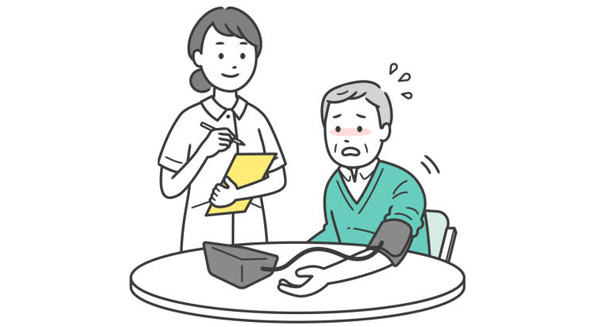
Nurse checking blood pressure of elderly man showing signs of hypotension

Diagnosis of Hypotension

Hypotension, or low blood pressure, may at first appear straightforward to diagnose with a simple blood pressure reading. However, finding and understanding the cause of hypotension requires a much deeper and careful approach. The diagnosis is more than just numbers—it includes looking at symptoms, patient history, possible triggers, and related conditions that may cause low blood pressure. Initial Clinical Assessment Doctors start by doing a detailed clinical check that includes: Blood Pressure Monitoring Techniques Laboratory Investigations Blood and urine tests help find or rule out causes like dehydration, anaemia, infection, or hormone problems. Common tests include: Cardiovascular Testing If heart causes are suspected, doctors use several tests: Neurological and Autonomic Testing If the nervous system may cause hypotension, further tests help: Additional Assessments Depending on the case, doctors may also check: When to Refer Specialist referral is advised if: Importance of Early Diagnosis Early and accurate diagnosis of hypotension can prevent problems like repeated falls, poor blood flow to organs, and heart strain. For some, simple changes in fluids or medicines fix the problem. For others, it may reveal a serious health condition needing special care. Ignoring symptoms like dizziness, fainting, or tiredness delays treatment and risks harm. Diagnosis should be thorough, patient-specific, and active. [Next: Treatment of Hypotension →]

Diagnosis of Hypotension Read More »

Person opening a bottle of water to stay hydrated

Treatment of Hypotension

Hypotension, or low blood pressure, does not always need treatment. Many people—especially young, healthy individuals—naturally have low blood pressure without any problems. However, when hypotension causes symptoms or results from another health issue, treatment becomes important. It helps restore good blood flow to organs and prevents problems like falls, fainting, or organ damage. Identifying the Cause First The best way to treat hypotension is to find out what causes it. Whether it is from dehydration, medicine side effects, nervous system problems, or heart issues, fixing the cause often improves symptoms greatly. For example: Lifestyle Modifications Dietary Support Besides water and salt, eating enough of these nutrients helps: Exercise Therapy Regular, mild exercise improves blood vessel tone and heart regulation. However, people with symptoms should be careful: Medications for Hypotension Medicine is usually for people who still have symptoms despite lifestyle changes or who have chronic low blood pressure from nervous or heart problems. Specialists such as heart, nerve, or kidney doctors start these medicines. They watch closely for effects. Treating the Underlying Condition When hypotension comes from another disease, treating that illness is the main goal. Examples include: Emergency Treatment Severe hypotension from bleeding, infection, or allergic reactions needs fast hospital care. Treatment includes: Monitoring and Follow-Up After starting treatment, patients need regular checks to track: Empowering the Patient Education helps patients manage their hypotension better. They should learn to: Conclusion Treatment for hypotension must suit each person. It can be as simple as drinking more water or as complex as medicine and treating chronic illness. Finding the cause, customizing care, and regular monitoring are keys to success. With the right plan, most people with hypotension live well and avoid serious problems. [Next: Complications of Hypotension →]

Treatment of Hypotension Read More »

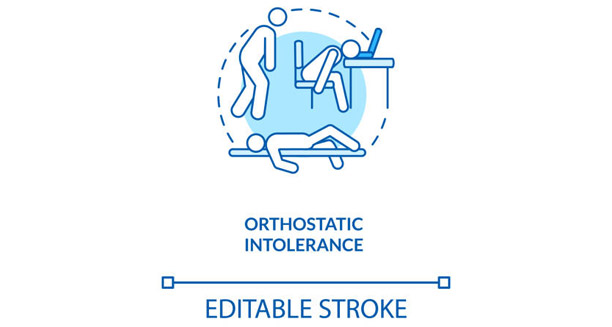
Icon illustration of orthostatic intolerance as a complication of hypotension

Complications of Hypotension

While often overlooked compared to high blood pressure, hypotension can be just as dangerous when it lasts or goes untreated. The body needs enough blood pressure to supply oxygen and nutrients to vital organs. When blood pressure drops too low, even for a short time, it can cause many problems that affect physical health, mental well-being, and quality of life. Cerebral Complications: Impaired Brain Function One of the most immediate risks of hypotension is less blood flow to the brain. Even a brief drop can cause: Cardiovascular Strain and Heart Damage Low blood pressure can also stress the heart and blood vessels. When pressure drops, the heart may beat faster to try to keep blood flowing. This can cause: Renal (Kidney) Complications The kidneys need steady blood pressure to work well. Long-lasting or severe hypotension can reduce their ability to filter waste and keep fluids balanced. This may cause: Injury from Falls and Accidents Hypotension, especially orthostatic hypotension, greatly increases the chance of falls. People may suddenly feel dizzy or faint when standing up, leading to: Gastrointestinal Effects Low blood pressure reduces blood flow to the gut, causing symptoms like: Endocrine and Hormonal Consequences Low blood pressure may both signal and cause hormone problems. Poor blood flow to glands like the adrenals or pituitary can lead to: Fatigue and Reduced Quality of Life Even when not life-threatening, chronic hypotension often causes daily struggles. People report tiredness, low energy, poor focus, and cold hands and feet. These symptoms can: Psychological and Emotional Impact Living with hypotension can harm mental health. Frequent fainting, fear of falling, and unpredictable symptoms lead to: Life-Threatening Complications: Shock Sometimes hypotension becomes so severe that it causes shock. This means blood pressure falls so low the body cannot keep organs alive. Types of shock include: Long-Term Prognosis and Monitoring Many problems from hypotension can be avoided or fixed with good care. However, if untreated, it may cause: Conclusion Hypotension might seem mild at first, but it can cause many serious issues affecting almost every body system. From brain fog to kidney stress and a higher risk of falls, these problems can be both sudden and long-lasting. Recognizing these dangers helps doctors and patients act early to reduce risks, improve daily life, and protect long-term health. [Next: Outlook for Hypotension →]

Complications of Hypotension Read More »

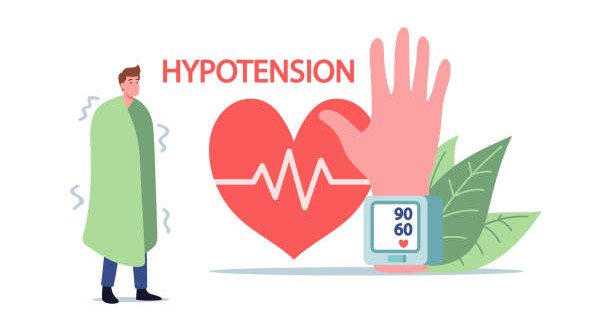
Illustration of hypotension showing low blood pressure and patient with chills

Outlook for Hypotension

The outlook for hypotension can vary widely depending on its underlying cause, severity, and how effectively it is managed. For many individuals, especially those who are young and healthy, hypotension may pose little to no health risk. However, for others—particularly older adults, individuals with chronic conditions, or those experiencing symptomatic drops in blood pressure—the long-term effects can significantly impact quality of life and overall health outcomes. Outlook for Mild or Asymptomatic Hypotension Many people with mild hypotension show no symptoms at all. In fact, low blood pressure may even help reduce the risk of heart problems like stroke or heart attack. For example, athletes or people who exercise regularly often have naturally low resting blood pressure without any issues. The outlook for these individuals is very good. They usually do not need medical treatment as long as they stay well hydrated, eat a balanced diet, and keep active. Outlook for Orthostatic Hypotension Orthostatic hypotension happens when blood pressure drops after standing up. This condition varies in how serious it is. For many younger adults, it can be temporary or happen only sometimes. Lifestyle changes such as drinking more fluids, eating more salt, and standing up slowly often fix the problem.In older adults, orthostatic hypotension may last longer and cause problems like: Outlook for Hypotension Due to Medications Many cases of hypotension come from medicines used to treat high blood pressure, depression, Parkinson’s disease, or heart failure. Often, lowering the dose or changing the medicine helps improve symptoms quickly.If caught early, the outlook is positive. But if low blood pressure continues for a long time because of too much medication, it can reduce blood flow to organs and cause problems. This is especially true for people with heart or kidney issues. Regular checks and patient education help keep risks low. Outlook for Hypotension from Chronic Illness When hypotension happens because of a chronic illness like adrenal failure, heart failure, or nerve diseases, the outlook depends on how well the illness is treated. If doctors control the main illness, blood pressure may improve or stay steady.If low blood pressure gets worse or does not improve despite treatment, it may mean: Outlook Following a Hypotensive Crisis In emergencies like septic shock, heart failure, or severe blood loss, the outcome depends on how fast and well doctors treat the patient. Hypotensive crises are very dangerous and can cause: Outlook in Specific Populations Older Adults Older people often have a more complex outlook. Even small drops in blood pressure can cause memory problems, falls, and loss of independence. Doctors must carefully balance treating high blood pressure while avoiding too low blood pressure. A personalized care plan helps prevent complications and improves long-term health. Pregnant Women Low blood pressure is common during pregnancy, especially in the first and second trimesters. Usually, it is harmless and goes away after birth. However, if symptoms like dizziness or fainting appear, closer monitoring is needed. With good care, both mother and baby usually do well. Children and Adolescents Children with low blood pressure due to dehydration, infection, or fainting spells usually recover fully with simple care. In rare cases, ongoing low blood pressure may point to a hidden illness. With the right diagnosis and treatment, their outlook is very good. Lifestyle and Long-Term Management How well a person adjusts their lifestyle and follows medical advice greatly affects the outlook for hypotension. Helpful steps include: Psychological and Emotional Recovery People with frequent symptoms or who have fallen may also face mental health challenges. Adding psychological support improves recovery.Therapies like cognitive behavioral therapy (CBT), counseling, and education help patients feel more in control, lower anxiety, and boost confidence in managing hypotension. Advances in Treatment and Monitoring New technology helps improve the outlook for hypotension. These include: Conclusion The outlook for hypotension ranges from harmless to serious, depending on the cause and situation. For most people, especially those with mild symptoms or easy-to-fix causes, the prognosis is very good. When hypotension comes with other illnesses, aging, or repeated problems, active and team-based care helps improve outcomes.With the right treatment, lifestyle habits, and regular checks, people with hypotension can live full, active lives and avoid the dangers of untreated low blood pressure. [Next: Back to Overview →]


Outlook for Hypotension Read More »

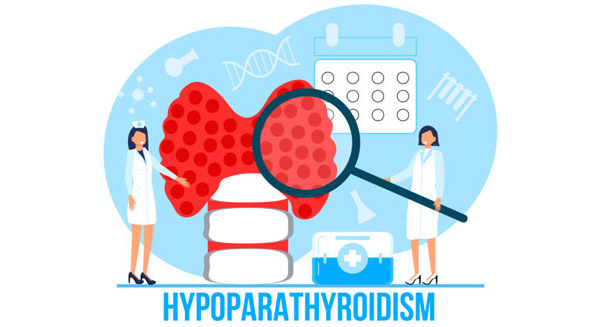
Illustration of hypoparathyroidism with thyroid gland and medical icons

Hypoparathyroidism

Hypoparathyroidism is a rare endocrine disorder characterised by insufficient production or action of parathyroid hormone (PTH), which results in abnormally low levels of calcium in the blood (hypocalcaemia) and elevated phosphorus levels (hyperphosphataemia). This imbalance causes a wide range of neuromuscular, cognitive, and systemic symptoms. Some symptoms can become life-threatening if left untreated. Although hypoparathyroidism is less common than hyperparathyroidism, it poses unique challenges in diagnosis and treatment. What Is Parathyroid Hormone? Parathyroid hormone (PTH) plays a crucial role in keeping blood calcium levels stable. It acts mainly on three organs: These actions help nerves, muscles, and cells work properly. In hypoparathyroidism, low PTH leads to poor calcium release from bones, less absorption in the gut, and too much calcium lost through urine. This combination causes persistent low calcium levels. Defining Hypoparathyroidism Hypoparathyroidism happens when one or more parathyroid glands fail to make enough PTH. This results in dangerously low blood calcium and a rise in phosphate. The condition may appear suddenly, often after thyroid surgery, or slowly develop due to autoimmune or genetic causes. Sometimes it is temporary, but often it is permanent. Unlike many hormonal diseases, hypoparathyroidism does not trigger a feedback loop to increase PTH. The body cannot fix calcium levels on its own, which makes managing this condition challenging. Common Symptoms Most symptoms of hypoparathyroidism relate to low calcium levels and include: Without treatment, symptoms worsen and can cause serious complications like cataracts, brain calcifications, and heart rhythm problems. Early detection is vital. Types of Hypoparathyroidism Hypoparathyroidism comes in several types based on the cause: Who Is at Risk? Though rare, hypoparathyroidism affects certain groups more: Because symptoms can mimic anxiety, epilepsy, or fibromyalgia, hypoparathyroidism is often missed or misdiagnosed. The Global Impact Hypoparathyroidism affects an estimated 24 to 37 people per 100,000 worldwide. Women and patients after surgery represent most cases. Many remain undiagnosed, especially in areas with limited healthcare resources. Raising awareness among doctors and patients can reduce delays in diagnosis. Early treatment greatly improves outcomes. Research continues to develop better management options. Importance of Timely Diagnosis and Care Early diagnosis is critical due to the risk of serious complications. While no cure exists for most cases, daily calcium and active vitamin D supplements help maintain safe calcium levels. New treatments like recombinant PTH therapy offer hope for better control. Patients often need regular monitoring, kidney function checks, and multidisciplinary care to adjust medications and avoid complications like kidney calcifications or heart problems. Summary The overview of hypoparathyroidism shows it is a rare but serious disorder caused by low parathyroid hormone production or function. It affects many body systems and can arise from surgery, autoimmune reactions, genetics, or unknown causes. Despite its complexity, early diagnosis and proper treatment allow most patients to lead stable, active lives. Ongoing research promises further improvements for this challenging condition. [Next: Causes of Hypoparathyroidism →]

Hypoparathyroidism Read More »

Diagram showing causes of hypothyroidism with thyroid illustration

Causes of Hypoparathyroidism

Hypoparathyroidism arises when the body produces too little parathyroid hormone (PTH), disrupting calcium and phosphate balance. This rare condition has many causes. Some develop later in life, while others are genetic or present at birth. Knowing these causes helps doctors diagnose and manage the disorder better. Each cause affects treatment and outlook differently. This section reviews the main causes of hypoparathyroidism. It explains how parathyroid function is affected and how this changes symptoms and disease progress. Post-Surgical Causes of Hypoparathyroidism The most common cause of hypoparathyroidism is accidental injury or removal of the parathyroid glands during neck or thyroid surgery. This is called iatrogenic hypoparathyroidism. Post-surgical hypoparathyroidism can last weeks or months or become permanent if all functioning glands are lost. This cause accounts for over 70% of adult cases in developed countries. Autoimmune Causes of Hypoparathyroidism Autoimmune hypoparathyroidism happens when the immune system attacks the parathyroid glands. It usually occurs as part of a larger autoimmune disease called Autoimmune Polyglandular Syndrome Type 1 (APS-1). APS-1 typically starts in childhood or adolescence. It often includes Addison’s disease and chronic fungal infections of the skin and mucous membranes. Other conditions like diabetes, vitiligo, and reproductive failure may also occur. In autoimmune cases, blood tests detect antibodies against proteins such as NALP5 or calcium-sensing receptors. These antibodies harm the glands. The disease may get worse over time, causing unstable calcium levels and neurological problems if not caught early. Genetic and Congenital Causes Some people are born with hypoparathyroidism due to genetic problems that affect gland development or hormone production. Genetic testing helps diagnose these cases, guide treatment, and advise families. Infiltrative and Metabolic Causes Rarely, other diseases damage the parathyroid glands. These diseases often cause multiple hormone problems and need team care. Radiation-Induced Causes Radiation treatment to the neck or chest, used for cancers like lymphoma, can damage parathyroids. This damage may appear months or years later. High doses and repeated treatments increase risk. Children are especially sensitive due to growing glands. Doctors should screen patients with past neck radiation for calcium problems and neuromuscular symptoms. Functional or Transient Causes Sometimes PTH drops temporarily without permanent gland damage. Idiopathic Hypoparathyroidism Sometimes doctors find no cause despite full testing. These cases are called idiopathic. New research may classify some idiopathic cases as autoimmune or genetic as tests improve. Summary Causes of hypoparathyroidism vary widely. Surgery, autoimmune disease, genetics, infiltrative illness, and temporary metabolic changes all play roles. Identifying the exact cause helps tailor treatment, predict outcomes, and assess family risk. Post-surgical hypoparathyroidism remains the most common cause globally. Autoimmune and genetic forms often affect younger patients and those with syndromes. Testing calcium, PTH, vitamin D, magnesium, and phosphate levels, plus imaging and genetic tests, forms the basis for correct diagnosis and care. [Next: Symptoms of Hypoparathyroidism →]

Causes of Hypoparathyroidism Read More »

Illustration showing symptoms of hypothyroidism including fatigue, weight gain, and constipation

Symptoms of Hypoparathyroidism

Hypoparathyroidism is a rare endocrine disorder that typically presents with symptoms related to low calcium levels (hypocalcaemia) and high phosphate levels (hyperphosphataemia) in the blood. The chemical imbalances affect nerves, muscles, bones, skin, and brain function. Symptoms vary depending on how low calcium drops and how fast the change happens. The effects can be wide, worsen over time, and often disable if not treated well. This section looks at all the symptoms linked to hypoparathyroidism. It covers early warning signs and long-term effects, focusing on how calcium changes impact different body systems. Neuromuscular Symptoms of Hypoparathyroidism Low calcium causes nerves and muscles to become too excitable. This leads to muscle spasms and twitching, which can be painful and upsetting. Cognitive and Psychological Symptoms Low calcium also impacts the brain, causing problems that look like common mental health issues. These symptoms often overlap with other conditions and need blood tests to diagnose properly. Long-term cases may develop calcium deposits in brain areas, which can cause movement problems or seizures, especially if untreated. Seizures and Other Neurological Signs Moderate to severe low calcium can cause seizures. These may be full-body convulsions or smaller, local episodes. They often come without warning. Seizures are serious and require quick calcium correction and ongoing brain monitoring. Other neurological signs include: Most symptoms improve quickly with proper calcium treatment. Musculoskeletal Symptoms Calcium and phosphate imbalance affects bones, muscles, and joints. Skin and Dental Symptoms Over time, the disease affects skin, hair, nails, and teeth. These changes affect both appearance and function, especially if they start early. Cardiovascular Symptoms Calcium is vital for the heart’s electrical system and muscle function. Hypoparathyroidism can cause: Regular heart monitoring is important for patients with long-term hypoparathyroidism. Reproductive and Hormone Effects Hypoparathyroidism may also affect hormone and reproductive health. Some women report: Pregnant women need close care to prevent risks like neonatal tetany, preterm birth, and calcium swings during and after pregnancy. Mild and Hidden Cases Some patients have mild or no symptoms early on. Doctors may find hypoparathyroidism only through routine blood tests or after surgery. Even without symptoms, these patients need treatment to avoid long-term damage. Summary Symptoms of hypoparathyroidism affect many body systems. They range from muscle spasms and seizures to mood problems, heart issues, and skin changes. These symptoms often mimic other illnesses. Recognizing symptoms early, especially in those with surgery or genetic risk, helps reduce complications. With careful calcium control and medical care, many symptoms can improve or disappear. [Next: Diagnosis of Hypoparathyroidism →]

Symptoms of Hypoparathyroidism Read More »

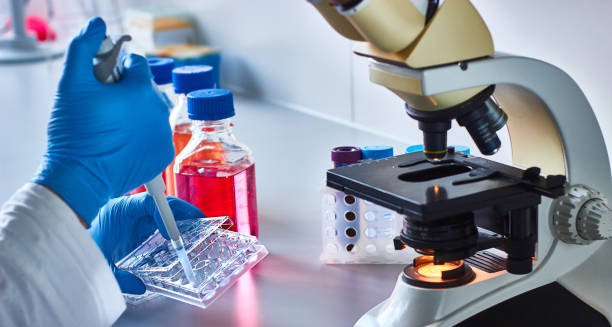
Laboratory testing setup with microscope and pipette used for diagnosing hypoparathyroidism

Diagnosis of Hypoparathyroidism

Hypoparathyroidism is diagnosed based on a combination of clinical presentation and laboratory evidence, particularly low parathyroid hormone (PTH) levels alongside disturbances in calcium and phosphate balance. Doctors suspect hypoparathyroidism when patients show signs of low calcium, like muscle spasms, tingling, or seizures. Since these symptoms can look like anxiety, epilepsy, or vitamin deficiencies, quick and correct diagnosis matters. Early diagnosis helps start treatment sooner and avoid serious problems later. This section explains how doctors evaluate patients step-by-step, from the first visit to lab tests and ruling out other conditions. Clinical Evaluation Diagnosis starts with a detailed history and physical exam. Important clues include: Key Biochemical Tests The main diagnosis comes from blood tests: Urine Testing Measuring calcium in urine helps predict kidney risks and guide treatment. Tests may include: Imaging Tests Imaging may support diagnosis or spot complications: Electrocardiogram (ECG) Calcium affects the heart. An ECG can show: Genetic Testing Genetic tests may be done in infants, children, or patients with syndromes. Common causes include: Autoimmune Testing If autoimmune hypoparathyroidism is suspected, doctors may order: Differentiating From Similar Conditions Doctors rule out other disorders that look like hypoparathyroidism: By combining patient history, tests, and careful examination, doctors confirm or exclude hypoparathyroidism confidently. Summary Diagnosis of hypoparathyroidism needs careful clinical and lab evaluation. Key signs include low calcium, high phosphate, and low or missing PTH. Additional tests like ECGs, imaging, genetics, and autoimmune panels find causes and complications. Because symptoms overlap with other conditions, a clear and structured approach ensures early and accurate diagnosis. This helps patients get the right treatment and avoid serious problems. [Next: Treatment of Hypoparathyroidism →]

Diagnosis of Hypoparathyroidism Read More »

Laboratory scene illustrating treatment development for hypoparathyroidism

Treatment of Hypoparathyroidism

Hypoparathyroidism is a lifelong condition requiring careful and consistent management to correct calcium and phosphate imbalances and to prevent complications associated with both deficiency and overtreatment. The main goal is to restore calcium balance in the body because natural parathyroid hormone (PTH) is low or missing. Treatment of hypoparathyroidism usually involves medication, diet changes, and sometimes hormone therapy. Doctors aim to keep calcium in a safe range, reduce symptoms, and protect the kidneys. Achieving this balance needs regular checkups and strong patient education. Initial Management Steps When hypoparathyroidism causes an emergency, such as seizures, muscle spasms, or heart rhythm problems, doctors act fast to correct low calcium. Intravenous CalciumSevere low calcium requires IV calcium, often calcium gluconate. Doctors give it slowly to avoid heart issues. Patients are closely monitored during this process. Magnesium SupportLow magnesium makes calcium control harder. If magnesium is low, it must be corrected first. Treatment may involve oral or IV magnesium. Active Vitamin DDoctors often add activated vitamin D early. Calcitriol is the most common option because it does not need PTH to work. It helps the gut absorb calcium. Maintenance Therapy for Stability Once the emergency phase ends, long-term care begins. The aim is to keep calcium in the low-normal range without stressing the kidneys. Calcium SupplementsMost patients take calcium carbonate or calcium citrate daily. Typical doses are 1,000–2,000 mg per day, split into smaller amounts for better absorption. Calcium carbonate works best with food, while calcium citrate is better for people with low stomach acid. Activated Vitamin DCalcitriol or alfacalcidol helps the gut absorb calcium. Doctors adjust the dose carefully to avoid too much calcium in blood or urine. Magnesium SupplementsMagnesium remains important. Oral magnesium supports nerve and muscle function and helps regulate calcium. Monitoring and Dose Adjustments Effective treatment of hypoparathyroidism requires frequent blood and urine checks, especially at first. Tests include: The goal is to keep blood calcium slightly low but steady. This helps avoid kidney damage from high urinary calcium. Some patients need thiazide diuretics to lower urinary calcium when diet and dose changes do not help enough. Parathyroid Hormone Therapy A major advance in treatment of hypoparathyroidism is PTH replacement. Recombinant human parathyroid hormone (rhPTH 1-84) acts like natural PTH. It helps control calcium and phosphate more naturally. Benefits of PTH Therapy However, this treatment is costly and requires daily injections. It is usually reserved for patients who do not respond well to standard therapy or who develop kidney problems. Regular monitoring is still necessary to prevent high calcium. Diet and Lifestyle for Better Control Patients benefit from a calcium-rich diet that includes dairy, green vegetables, fortified cereals, and fish with edible bones. At the same time, phosphate intake should be limited. Helpful tips include: Patients should avoid intense physical activity during flare-ups because it may worsen spasms or cause seizures. Treatment During Pregnancy Pregnancy makes treatment more complex because calcium needs increase. Calcium and vitamin D doses often need to rise, and blood calcium checks should be frequent. Poor control can lead to preterm birth or low calcium in newborns. After birth, calcium needs change again, especially during breastfeeding. Mothers require close follow-up, and newborns need early screening for calcium levels. The Role of Education and Support Managing hypoparathyroidism well depends on informed patients. People should know: Support groups and online communities can make coping easier. Talking to others with the same condition often reduces stress and fear. Summary Treatment of hypoparathyroidism focuses on restoring calcium while avoiding new problems such as kidney stones or heart issues. Standard care includes calcium supplements, active vitamin D, magnesium, and sometimes thiazide diuretics. For some, PTH therapy offers better long-term control. Regular monitoring and tailored care plans are essential. With the right treatment and education, most people can live healthy, active lives, even though lifelong follow-up is needed. [Next: Complications of Hypoparathyroidism →]

Treatment of Hypoparathyroidism Read More »

Scroll to Top