Mental Matters

Author name: admin

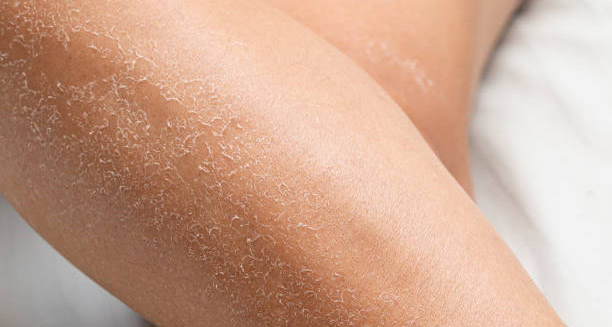
Close-up of leg showing dry, scaly skin caused by ichthyosis

Ichthyosis

Overview of Ichthyosis Ichthyosis is a group of chronic skin disorders characterised by dry, thick, scaly skin that looks like fish scales. The name comes from the Greek word ichthys, meaning “fish.” The condition can range from mild dryness to severe scaling. All types share one key feature: the skin does not shed or renew cells normally. Ichthyosis can be inherited or acquired later in life. Genetic ichthyosis usually appears at birth or in childhood, while acquired ichthyosis develops in adults due to other health problems. Both types cause the same main symptom—scaly, dry skin that does not function as a proper barrier. Common Types of Ichthyosis The most common inherited type is ichthyosis vulgaris, which accounts for most cases. It is often mild and may get worse in cold or dry weather. Rare types, like X-linked ichthyosis or lamellar ichthyosis, can be more severe. These forms sometimes affect the eyes, hearing, or even internal organs.Acquired ichthyosis is different. It often appears with illnesses such as kidney disease, HIV, cancer, or hypothyroidism. It may also be linked to certain medications. How Ichthyosis Affects the Skin Healthy skin constantly renews itself. Old cells shed, and new ones replace them in an invisible cycle. In ichthyosis, this process breaks down. The skin either produces too many cells or fails to shed old ones. This leads to visible build-up.Mild cases show fine white or grey flakes. Severe cases develop thick, plate-like scales. The lower legs, arms, back, and scalp are often affected. Sometimes the palms and soles become thick and crack, causing pain. Symptoms often get worse in cold weather. Physical and Emotional Impact Ichthyosis is more than a cosmetic issue. It causes itching, discomfort, and a higher risk of infection because of the weak skin barrier. Severe forms can also affect body temperature and hydration, especially in babies and young children.The emotional impact is real. Visible skin differences often lead to embarrassment or anxiety. Children and teens may face bullying, and adults may avoid social activities. Managing Ichthyosis There is no cure for ichthyosis, but treatment can help. Daily use of moisturisers, gentle exfoliation, and in some cases, prescription medicines can make a big difference. Treating infections or other health issues is also important for acquired forms. Early diagnosis allows families to plan long-term care and find support. Prevalence and Awareness Ichthyosis vulgaris affects about 1 in 250 to 1 in 1,000 people, making it fairly common. Severe inherited forms are rare, affecting only a few hundred people worldwide. Even so, ichthyosis is a condition dermatologists need to recognise and manage.Genetic research has improved diagnosis and may lead to targeted treatments in the future. Families are encouraged to seek genetic counselling, especially when planning children. Support groups and awareness programs also help reduce stigma and improve quality of life. Moving Forward The next sections will cover the causes, symptoms, diagnosis, treatment, complications, and long-term outlook of ichthyosis. Understanding these aspects is essential for patients, caregivers, and healthcare providers. With knowledge and support, people living with ichthyosis can manage the condition and live meaningful lives. [Next: Causes of Ichthyosis →]
Ichthyosis Read More »

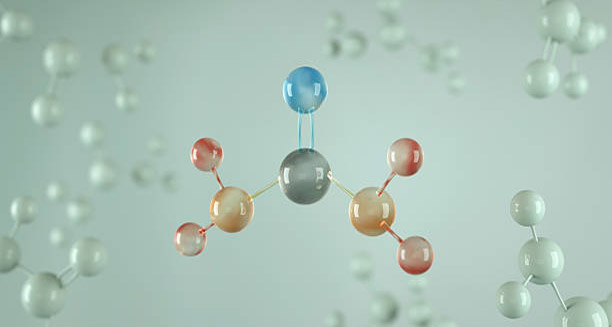
3D rendering of molecular structure representing genetic mutation linked to ichthyosis

Causes of Ichthyosis

Causes of ichthyosis fall into two main types: inherited (genetic) and acquired. Both lead to similar symptoms, such as dry and scaly skin, but the root causes are different. Knowing the causes of ichthyosis is vital for early diagnosis, treatment, and family planning. It also helps prevent complications and guides patient education. Inherited Causes of Ichthyosis Most cases of ichthyosis are inherited. Genetic mutations affect the skin’s outer barrier, called the stratum corneum. This barrier usually protects against water loss, toxins, and germs. When it fails, the skin sheds too slowly or produces too much keratin. This leads to scaling and dryness. Inherited forms usually appear at birth or within the first year of life, though severity varies. One common type is ichthyosis vulgaris, caused by changes in the FLG gene. This gene helps build the skin barrier. A mutation reduces hydration, making the skin dry and scaly. Even one faulty copy of the gene can cause symptoms, but two copies make it worse. Another type, X-linked ichthyosis, affects mostly males. It results from a lack of the enzyme steroid sulfatase. This causes cholesterol sulfate to build up in the skin, which damages its structure. It often starts at birth with dark, plate-like scales on the neck, trunk, and limbs. Severe inherited types include lamellar ichthyosis and congenital ichthyosiform erythroderma. These belong to a group called ARCI (autosomal recessive congenital ichthyoses). They involve mutations in genes such as TGM1, ALOX12B, and ABCA12. Babies with these forms may be born in a shiny “collodion membrane” that peels after birth. These cases need special neonatal care and lifelong treatment. Acquired Causes of Ichthyosis Unlike genetic forms, acquired ichthyosis appears later in life. It is often a sign of another illness. Common causes include hypothyroidism, chronic kidney disease, HIV, and Hodgkin lymphoma. Some medicines, like niacin, hydroxyurea, and statins, can also trigger it. In acquired ichthyosis, the skin usually looks like ichthyosis vulgaris. It often appears first on the legs and then spreads. The exact mechanism is unclear, but experts believe immune problems, lipid imbalance, and slow skin turnover play roles. Syndromic Causes of Ichthyosis Some rare conditions include ichthyosis as part of a larger syndrome. Examples are Netherton syndrome (immune and hair issues), Sjögren-Larsson syndrome (neurological problems), and Refsum disease (vision and hearing loss). These cases require care from multiple specialists. Role of Environment Weather and habits do not cause ichthyosis but can make it worse. Cold, dry climates, harsh soaps, and frequent hot baths without moisturising often trigger flare-ups. People with mild genetic variants may notice symptoms more in winter. Genetic Counselling and Testing Families with inherited ichthyosis should consider genetic counselling. Identifying the mutation helps confirm the diagnosis and assess risks for future children. In severe cases, prenatal testing may be an option. This is especially useful in populations where related parents increase the risk of recessive forms. Differentiating From Other Conditions Not all dry, scaly skin is ichthyosis. Conditions like eczema, psoriasis, or simple xerosis can look similar. Knowing the causes of ichthyosis helps doctors rule out these disorders and choose the right treatment. Summary The causes of ichthyosis range from genetic mutations to other health conditions and medications. Understanding whether it is inherited or acquired is key to treatment and prevention. Research into the genetic basis of ichthyosis offers hope for new, targeted therapies in the future. [Next: Symptoms of Ichthyosis →]

Causes of Ichthyosis Read More »

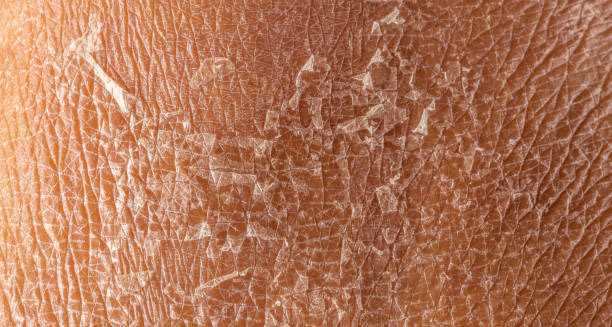
Close-up of dry, scaly human skin with visible flaking and fine cracks.

Symptoms of Ichthyosis

Symptoms of ichthyosis usually include dry, thick, and scaly skin. The severity and areas affected depend on the type of ichthyosis. Symptoms can range from mild dryness to severe changes in skin function and appearance. Knowing the symptoms of ichthyosis helps with early diagnosis, better treatment, and supportive care. Scaling and Dryness Are Common Most forms of ichthyosis cause scaling. The scales can look fine and white, like in ichthyosis vulgaris, or thick and dark, as in X-linked ichthyosis or lamellar ichthyosis. Scaling often appears on both sides of the body, especially on the arms, legs, and trunk. In ichthyosis vulgaris, the face is usually clear, but other types may involve the face too. Dry skin, or xerosis, is another key symptom. It often feels rough and looks cracked, like dry soil. Dryness gets worse in cold or dry weather because the skin loses more moisture. Many people with ichthyosis also feel tightness or stiffness, especially after bathing or early in the morning when skin is driest. Itching and Discomfort Itching, or pruritus, is common and can be severe. Constant scratching may lead to cuts and raise the risk of infection. This can also cause redness, swelling, and more skin irritation. Severe itching can affect sleep and daily life. Severe Signs at Birth In some congenital forms, babies are born in a shiny, tight film called a collodion membrane. When it sheds, red, scaly skin appears. These newborns may also have ectropion (outward eyelids), eclabium (pulled lips), and limited joint movement due to tight skin. These are medical emergencies needing special care to prevent infection and dehydration. Thickened Skin Over Time Repeated damage and inflammation can make the skin very thick, a condition called hyperkeratosis. This is common on palms and soles, where the skin turns hard, yellowish, and prone to cracks. In folds like the groin or underarms, moisture and friction can cause painful splits or soft, macerated skin. Hair, Nails, and Eyes May Be Affected In some forms of ichthyosis, the scalp may flake heavily or even lose hair. Nails may thicken or show ridges. Eyes can also be affected, leading to dryness, irritation, or blinking problems from tight eyelid skin. Emotional and Social Effects The symptoms of ichthyosis are not only physical. Visible skin changes can cause stress, bullying, or low confidence, especially in kids and teens. These problems often last into adulthood and may affect work, relationships, and mental health. Emotional support and counseling are important for coping. Syndromic and Systemic Symptoms Some types of ichthyosis are part of broader syndromes. For example, Sjögren-Larsson syndrome adds nerve issues and learning delays. Refsum disease affects vision and hearing. These forms need care from many specialists. Symptoms Change Over Time The severity of symptoms of ichthyosis often changes. Mild cases may improve in puberty or with regular care. Other types may get worse with age or after illnesses, stress, or cold weather. Sudden flare-ups are common during winter or dry conditions. Symptoms in Acquired Ichthyosis Acquired ichthyosis usually looks like ichthyosis vulgaris but starts in adulthood. It often begins on the lower legs and spreads. It can signal serious health issues like lymphoma or kidney disease. Sudden onset in adults always needs full medical checks. Summary The symptoms of ichthyosis include much more than dry and scaly skin. They affect comfort, appearance, mental health, and sometimes internal organs. Early recognition and a full understanding of these symptoms help patients and doctors plan better care. [Next: Diagnosis of Ichthyosis →]

Symptoms of Ichthyosis Read More »

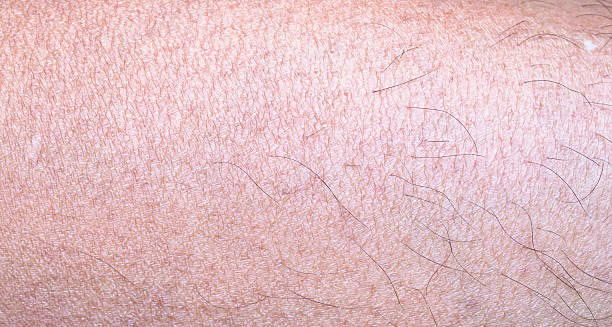
Comparison of dry scaly leg skin and smooth skin to diagnose ichthyosis

Diagnosis of Ichthyosis

Diagnosis of ichthyosis involves a mix of clinical checks, family history, and lab tests when needed. This process is vital because ichthyosis includes many types—from mild to severe syndromic forms. A correct diagnosis helps doctors plan treatment and predict long-term care needs. It also gives families clarity about genetic risks and future options. Physical Exam Comes First The first step in the diagnosis of ichthyosis is a detailed skin check. Doctors, often dermatologists, look at where and how the scales appear. They note the size, colour, and thickness of the scales and check if the scalp or face is affected. They also look for redness or infection. For example, ichthyosis vulgaris often shows fine white scales on the shins and arms, while X-linked ichthyosis has dark, thick scales on the trunk and neck. Medical and Family History Matters Doctors also ask about symptoms, changes with seasons, and family history. They check if other health issues are present. In inherited cases, signs often start in the first year or even at birth. Babies born with a collodion membrane point to certain congenital types. If ichthyosis appears suddenly in adulthood, doctors suspect an acquired form linked to another illness. Skin Biopsy for Extra Clarity Sometimes, a skin biopsy helps rule out other conditions like eczema or psoriasis. In this test, doctors remove a small skin sample under local anaesthesia and check it under a microscope. It shows changes like thick skin layers or retained nuclei. While biopsy may not always confirm the exact type, it is useful for ruling out similar diseases. Genetic Testing Is Key In severe or early-onset cases, genetic tests confirm the diagnosis of ichthyosis. These tests look for gene mutations such as FLG for ichthyosis vulgaris, STS for X-linked ichthyosis, and TGM1 or ABCA12 for congenital forms. The test uses a blood or cheek swab sample, and results take a few weeks. Genetic results help with family planning, prognosis, and research trial eligibility. Extra Tests for Acquired Forms If doctors suspect acquired ichthyosis, they check for underlying diseases. Tests may include blood work for kidney or liver function, thyroid hormones, and cancer markers. Screening for HIV may be needed too. Doctors also review current medications since some drugs can trigger ichthyosis-like symptoms. Syndromic Cases Need Broader Care Some types of ichthyosis come with other health problems such as nerve issues or immune disorders. In these cases, patients need a team of specialists—like neurologists, geneticists, and eye doctors. Tests like MRI, EEG, or metabolic panels may also be needed. Prenatal Testing for High-Risk Families For families with known gene mutations, prenatal testing may be offered. Tests like chorionic villus sampling or amniocentesis check the baby’s DNA during pregnancy. Parents make these decisions with help from genetic counselors. Emotional Support Is Essential The diagnosis of ichthyosis affects more than just the body. Many children and teens feel stress about their appearance or social life. Counseling and emotional support should start early in the diagnostic process to help them cope long-term. Diagnosis in Limited-Resource Settings In areas with few specialists or advanced labs, diagnosis often depends on clinical signs and history. Training for general doctors is vital. Teledermatology and virtual consultations also help give access to expert advice when local care is limited. Summary The diagnosis of ichthyosis involves several steps: physical exam, medical history, biopsy, and genetic tests. Correct diagnosis is key for treatment, mental health support, and family planning. A thorough approach improves care and quality of life for people living with ichthyosis. [Next: Treatment of Ichthyosis →]

Diagnosis of Ichthyosis Read More »

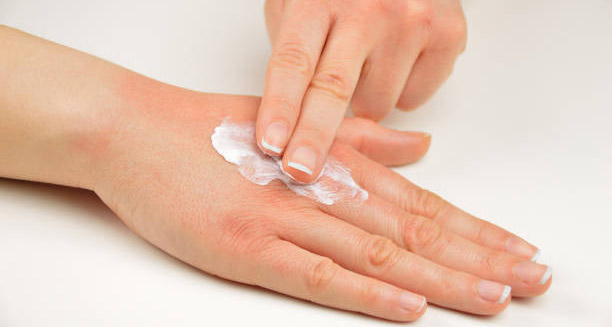
Applying moisturising cream to hand as treatment for ichthyosis

Treatment of Ichthyosis

Treatment of ichthyosis focuses on reducing skin dryness, scaling, and discomfort while improving the skin’s overall barrier function. Hydration and Exfoliation Come First The treatment of ichthyosis aims to manage long-term symptoms, especially for inherited types. While there’s no cure, daily skin care can make a big difference. Mild cases may improve with simple creams and gentle scrubs. More severe cases often need a mix of treatments based on each person’s needs. Understanding these choices helps patients and caregivers build a steady, effective routine for the treatment of ichthyosis. Hydrating and removing dead skin are the key steps. Applying emollients every day keeps the skin moist and reduces tightness. Products with urea, lactic acid, or propylene glycol help both hydrate and loosen dry skin. For example, using a 10% urea cream after a bath can soften rough areas. In stubborn cases, stronger creams (up to 40% urea) may be needed with a doctor’s guidance. Bathing Helps the Skin Bathing the right way helps manage ichthyosis. Soaking in warm water for 10–20 minutes softens the scales. This makes them easier to remove. Use gentle, scent-free cleansers since harsh soaps dry the skin more. After bathing, pat the skin dry and apply moisturiser right away to seal in water. Some people benefit from adding bath oils or oatmeal to soothe the skin and reduce itching. Managing Thick Scaling For thick, hard-to-remove scaling, keratolytic creams can help. These include salicylic acid and alpha hydroxy acids. They break down dead skin, making it easier to shed. But they must be used carefully. In kids or when used on large skin areas, they can irritate the skin or cause side effects. It’s best to use them under a skin doctor’s care. Advanced Medications for Severe Cases When ichthyosis is very severe, doctors may prescribe oral medications called retinoids. These drugs, like acitretin or isotretinoin, help control how skin cells grow and shed. They can greatly reduce scaling, especially in genetic types. But they carry risks such as liver problems, high cholesterol, and serious effects on unborn babies. Because of this, women must follow strict birth control plans during and after treatment. These drugs are not suited for long-term use in everyone. Preventing and Treating Infections Since the skin barrier is weak, infections are common. Bacteria, fungi, or viruses can enter cracked skin and cause redness, swelling, or pus. Quick treatment with antibiotics, antifungals, or antivirals is often needed. Daily skin checks, especially for kids and those with less mobility, help catch infections early. In some cases, doctors may recommend bleach baths to lower the number of harmful bacteria. Future Therapies Show Promise New ideas for treatment of ichthyosis are being studied. These include gene therapy, enzyme replacements, and mRNA-based options. Though still in early testing, they bring hope for more personalised and lasting treatment. As these therapies develop, they may change the future outlook for ichthyosis. Routine and Mental Health Support Matter Because ichthyosis is often lifelong, building a steady daily routine is crucial. Using age-appropriate products makes it easier to stick to the plan. Some families track their progress in a treatment journal. This helps them learn what works best during different seasons or illnesses. Mental health also plays a big role. Living with ichthyosis can affect how people feel about themselves. Joining support groups, talking to a therapist, or getting involved in advocacy networks can ease the emotional load. Sharing experiences and learning from others helps reduce stress and boost confidence. Treating the Cause in Acquired Cases For acquired ichthyosis, treating the main illness is key. For example, skin symptoms may improve once lymphoma or HIV is managed. In these cases, skin treatment should be part of a full care plan. Doctors from different fields—like cancer or infectious disease specialists—may work together to help. Low-Cost Options in Resource-Limited Areas In some places, fancy treatments are hard to find. Even basic remedies like petroleum jelly, coconut oil, or glycerine-based products can help. These keep skin moist and reduce discomfort. Teaching people about simple skin care habits makes a big impact, even with limited resources. Summary and Outlook The treatment of ichthyosis takes a personalised, multi-step approach. Moisturising, gentle exfoliation, infection control, and sometimes medicine all play a part. While a cure remains out of reach for most forms, steady care can lead to great improvements in comfort and appearance. New research offers hope for better treatments ahead. Until then, staying consistent and informed remains the best way to manage this skin condition. [Next: Complications of Ichthyosis →]

Treatment of Ichthyosis Read More »

Complications of ichthyosis showing cracked and scaly dry skin on a close-up view

Complications of Ichthyosis

Complications of ichthyosis can affect both the skin and overall health, especially in severe or syndromic forms. The main sign is dry, scaly skin, but the impact often goes beyond appearance. When the skin barrier breaks, many physical, mental, and medical issues can occur. Understanding the full range of complications of ichthyosis is key to early care, better quality of life, and avoiding long-term harm. Skin Infections Are Common The most common and urgent complication of ichthyosis is infection. Thick, cracked skin gives germs a place to grow. Bacteria like Staphylococcus aureus and streptococcus often cause infections such as impetigo or cellulitis. These can even spread inside the body. Infected skin looks red, feels warm, and may hurt. Severe infections can cause fever and tiredness. Fungal infections like ringworm also happen often because of trapped moisture. Good hygiene, daily moisturising, and fast treatment with medicine help prevent these risks. Heat Intolerance Is a Serious Risk Heat intolerance is another big problem. Thick, scaly skin can block sweat glands. This stops the body from cooling down and raises the risk of heatstroke, especially in hot weather or during activity. Kids with severe ichthyosis are most at risk because they may not notice early signs. To prevent this, wear light clothes, drink water often, avoid extreme heat, and take cooling breaks. Eye Problems Can Happen Some people develop ectropion. This means the eyelids turn outward, pulling away from the eyes. It often happens in harlequin or lamellar ichthyosis. Ectropion causes dry eyes, irritation, and a higher chance of eye injury. Mild cases improve with eye drops. Severe cases may need surgery to protect vision. Pain and Movement Issues Pain and stiff skin are common complications of ichthyosis. Deep cracks on hands and feet can make walking or gripping objects very painful. Kids may struggle to crawl or write, and adults may have trouble at work. Care from skin doctors, pain experts, and occupational therapists is key to keeping independence and comfort. Emotional and Social Challenges Living with ichthyosis can cause social and emotional stress. Many people face bullying, shame, or low confidence because of their skin. Kids may feel lonely at school. Adults may deal with workplace bias or avoid social events. These issues can lead to anxiety or depression. Support from counselors, patient groups, and educating others helps improve mental well-being. Syndromic Forms Affect More Than Skin In rare cases, complications of ichthyosis affect other body systems. For example, Netherton syndrome includes immune problems and fragile hair, which raise infection risks. Sjögren-Larsson syndrome adds nerve issues and learning delays. These patients need care from many specialists, including dermatologists, neurologists, and dietitians, to manage all symptoms. Nutritional and Growth Concerns Babies and young kids with severe ichthyosis often face poor weight gain. Their skin sheds faster and uses more protein and energy. They may need extra calories and vitamins like A, D, and E. A dietitian can make a plan to prevent malnutrition and support healthy growth. Medication Risks Some treatments for ichthyosis bring side effects. Retinoid pills, while helpful for scaling, can harm the liver, raise cholesterol, and cause birth defects. Doctors check blood often to keep these safe. Strong creams with urea or salicylic acid can irritate skin if used wrong. Sleep Problems Are Common Itching, heat, and discomfort often disturb sleep, especially in kids. Poor sleep causes irritability and low focus at school or work. A bedtime routine, cool bedding, and medicines for itch can improve rest. Financial Stress Adds Pressure Managing ichthyosis can cost a lot. Families pay for doctor visits, special creams, and even custom clothes. For those without insurance, this can feel overwhelming. Support programs, cheaper generic medicines, and stronger health coverage can help ease this burden. Final Thoughts The complications of ichthyosis affect nearly every part of life. They include infections, pain, heat stress, emotional struggles, and money problems. Holistic care is vital—this means skin treatment, mental health support, and family education. As research grows and better treatments appear, awareness of these issues remains critical for doctors, patients, and caregivers. [Next: Outlook for Ichthyosis →]

Complications of Ichthyosis Read More »

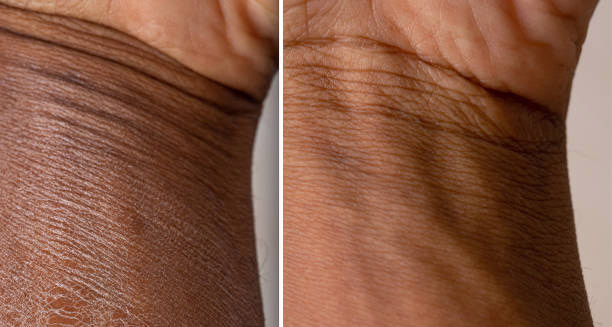
Side-by-side comparison of dry and treated skin on a person’s wrist affected by ichthyosis.

Outlook for Ichthyosis

The outlook for ichthyosis varies widely depending on the specific type, severity, and presence of associated conditions. Better Care Improves Life While there is no cure for inherited ichthyosis, new skin care methods, early treatment, and regular routines help improve life. The key to a good outlook for ichthyosis is a proactive plan. People need long-term treatment, support, and a clear understanding of the condition. Mild Forms Have Good Results In mild types like ichthyosis vulgaris—the most common form—the outlook for ichthyosis is often good. Most people have dry, scaly skin on the arms, legs, and trunk, especially in cold weather. With daily moisturizers, gentle scrubs, and small lifestyle changes, symptoms improve a lot. People can live active lives with little trouble. However, daily skin care is still important to avoid pain or flare-ups. Severe Types Need Ongoing Care For moderate or severe inherited forms like lamellar ichthyosis, X-linked ichthyosis, or congenital ichthyosiform erythroderma, things are more complex. These appear at birth and need lifelong treatment. Some people face heat problems, widespread scaling, and frequent infections. Still, with regular care and strong medical support, many manage well. Treatments like emollients, keratolytics, and in some cases, oral retinoids can help the skin and improve overall well-being. Syndromic Types Are More Complex Some forms, such as Netherton syndrome or Sjögren-Larsson syndrome, affect more than the skin. They can also cause nerve issues, growth delays, or immune problems. Here, the outlook for ichthyosis depends on the whole syndrome. Patients often need help from many specialists, including skin doctors, neurologists, and therapists. The skin issues may improve, but long-term health depends on other complications. When Ichthyosis Develops Later Acquired ichthyosis starts later in life. It usually links to other illnesses like lymphoma, HIV, or kidney disease. In these cases, the skin problem may go away if the main illness is treated. For example, hormone therapy or HIV treatment can help improve the skin. So, the outlook for ichthyosis depends on how well doctors treat the main illness. New Research Brings Hope Genetic studies and new treatments give hope for better results. Trials are looking at gene therapy, RNA treatments, and advanced creams. These are still in testing, but they could bring big changes in the future. Patient groups and research teams help push this work forward and connect people to new options. Mental Health Matters Too The mental outlook for ichthyosis is as important as the physical one. Many people feel stress, social fear, or sadness because of their skin or daily care needs. Thankfully, awareness is growing. Support groups and mental health care make a big difference. Education and connection help people feel strong and improve their quality of life. School and Work Are Possible Ichthyosis rarely stops people from doing well in school or work. Kids may need help from teachers for skin care or staying cool during sports. Adults may need flexible work spaces or air conditioning. Supportive schools and employers help people succeed and feel included. Families Shape Outcomes Families play a key role, especially for children. Strong routines, love, and open talk with doctors help kids grow with confidence. Parent groups and counseling also give support during hard times like teenage years. Most Cases Are Not Life-Threatening Ichthyosis often lasts a lifetime but is not usually deadly. Rare types, like harlequin ichthyosis, need intense care, especially at birth. Even then, better baby care and skin treatments have improved survival and quality of life. Early checks and special care plans help babies move past danger and live stable lives. Final Thoughts The outlook for ichthyosis is more positive today than ever. There is no cure yet, but constant progress in treatment, genetic research, and mental health support means people can live full, happy lives. Whether mild or severe, inherited or acquired, strong care and good support make a big difference in outcomes. [Next: Back to Overview →]

Outlook for Ichthyosis Read More »

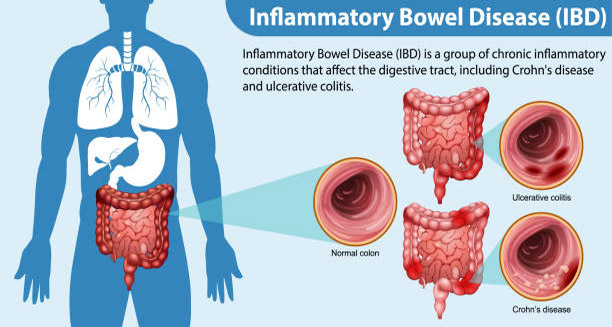
Diagram illustrating the digestive tract and types of inflammatory bowel disease, including Crohn’s disease and ulcerative colitis.

Overview of Inflammatory Bowel Disease

Overview of Inflammatory Bowel Disease Inflammatory bowel disease (IBD) is a long-term condition marked by inflammation in the digestive tract. This ongoing inflammation affects how the gut works. It causes symptoms like belly pain, diarrhoea, tiredness, and weight loss. The two main types of IBD are Crohn’s disease and ulcerative colitis. Both involve an overactive immune system, but they affect the gut differently. Crohn’s disease can strike any part of the digestive tract, from mouth to anus. It also goes deep into the bowel wall. In contrast, ulcerative colitis only affects the inner lining of the colon and rectum. What Causes Inflammatory Bowel Disease? The exact cause of IBD remains unknown. However, experts believe that a mix of genes, environmental triggers, and immune system problems leads to it. In people with IBD, the immune system mistakenly attacks the gut. It treats harmless things like food and friendly bacteria as threats. This results in inflammation that comes and goes without warning. Because of this, people often cycle between feeling well and facing flare-ups. Who Gets IBD? IBD can appear at any age, but it usually starts between ages 15 and 35. It affects men and women equally. More people are getting diagnosed in developed countries. This may relate to diet, cleaner environments, or other lifestyle changes. Family history also plays a role. If a close relative has IBD, your risk goes up. Ethnic background matters too. People of European descent are more likely to develop the disease. Common Symptoms Symptoms vary depending on which type of IBD a person has and how severe it is. Frequent signs include: In severe cases, the gut cannot absorb nutrients well. This can cause weight loss, anaemia, and stunted growth in children. IBD can also affect areas outside the gut. Some people develop joint pain, skin problems, or inflamed eyes. These extra signs show that IBD is not just a gut problem—it can affect the whole body. How Doctors Diagnose It Doctors use several tools to diagnose IBD. They start with medical history and a physical check-up. Then they may order tests, such as: Colonoscopy with biopsy is often the key test. It helps confirm the diagnosis and shows how much of the bowel is inflamed. Treatment Options Managing IBD requires a mix of treatments. These aim to reduce inflammation, ease symptoms, and avoid future problems. Medicines are the first step. They include: If drugs don’t work or cause side effects, surgery might be needed. Surgery removes damaged sections of the bowel and can bring long-term relief. Living with the Disease Daily life with IBD goes beyond medicine. Diet, stress, and emotional health all matter. People with IBD should eat foods that are gentle on the gut. A dietitian can help create a meal plan that maintains good nutrition. Mental health is just as important. The stress and unpredictability of the disease can lead to anxiety or depression. Support groups, therapy, and working closely with a care team can make a big difference. Progress in Research Research into IBD is moving fast. Scientists are studying gut bacteria, the immune system, and genes to better understand the disease. These efforts may lead to more tailored and effective treatments in the future. Awareness is also growing. More people now get diagnosed earlier and receive better care. Summary of the Overview of Inflammatory Bowel Disease This overview of inflammatory bowel disease highlights how it affects many parts of life. Understanding its symptoms, causes, and treatments helps patients and families take control of the condition. In the next sections, we will explore each of these topics in more detail. [Next: Causes of Inflammatory Bowel Disease →]

Overview of Inflammatory Bowel Disease Read More »

Woman sitting with a blood pressure cuff, appearing dizzy or unwell, indicating low blood pressure.

Hypotension

Overview of HypotensionHypotension, commonly referred to as low blood pressure, is a condition in which a person’s blood pressure falls below the normal range, typically defined as less than 90/60 mmHg. While high blood pressure (hypertension) often garners more attention due to its long-term cardiovascular risks, hypotension can also be problematic, particularly when it causes symptoms such as dizziness, fainting, fatigue, or blurred vision. In severe cases, it can be life-threatening if it leads to inadequate blood flow to vital organs like the brain, heart, and kidneys.This opening section covers the definition, types, causes, and general importance of hypotension. We look at how it affects healthy people and those with medical problems. Although some people naturally have low blood pressure with no issues, for others, hypotension signals a serious problem that needs a doctor’s care. What Is Blood Pressure? To understand hypotension, it helps to know what blood pressure means. Blood pressure is the force blood puts on artery walls as it moves. Doctors measure it in two ways: Types of Hypotension Several types of hypotension exist, each with different causes and effects: Is Hypotension Always a Problem? Not always. Some people have low blood pressure all the time without symptoms. Young, healthy people and athletes often fall into this group. In fact, low blood pressure may protect against heart disease and stroke.However, hypotension becomes a concern if it causes symptoms like: Causes of Hypotension The causes of hypotension range from short-term and lifestyle-related to serious and ongoing conditions. Some common causes include: At-Risk Populations Anyone can get hypotension, but some people have higher risk: Impact on Daily Life Mild hypotension might go unnoticed. But if it causes symptoms, it can affect daily tasks. Things like driving, exercising, or climbing stairs may become hard. Older adults with postural hypotension face a greater risk of falls and injuries.Symptoms that come and go can make life unpredictable. Chronic hypotension may leave people tired or foggy-headed, affecting mood and work. When to Seek Medical Advice Occasional dizziness or tiredness may not be serious. But if symptoms last or worsen, see a doctor. A sudden drop in blood pressure with confusion, cold hands or feet, or shallow breathing can be an emergency.Doctors check blood pressure in different positions, run blood tests, and may order heart monitoring or scans to find the cause. Conclusion Hypotension covers many conditions, from harmless low readings to emergencies. Understanding the situation matters — whether a young healthy person has low pressure with no symptoms or an elderly person faints often. Early recognition of the causes of hypotension helps avoid injuries, organ damage, or death. With good care, most people live safely and actively despite low blood pressure. [Next: Causes of Hypotension →]

Hypotension Read More »

Elderly man experiencing dizziness while checking blood pressure at home

Causes of Hypotension

Hypotension, or low blood pressure, can result from a wide range of physiological and pathological conditions. While some individuals naturally have lower-than-average blood pressure with no adverse effects, others may experience serious symptoms when their pressure falls too low. Understanding the causes of hypotension is essential to determining whether the condition is benign, transient, or a sign of an underlying health issue requiring intervention.In this section, we explore the many causes of hypotension, focusing on the mechanisms involved, the role of chronic diseases, medications, and situational triggers. Whether it occurs occasionally or persists over time, recognising the root cause is the first step towards effective management. Primary Categories of Hypotension Causes The causes of hypotension are divided into several main groups: 1. Physiological (Normal) Hypotension Some people, especially young adults and athletes, naturally have lower blood pressure without any problems. In these cases, hypotension is a normal body variation. Their hearts and blood vessels work more efficiently. This means their heart pumps blood with less effort, so their blood pressure reads lower.This type of hypotension does not usually need treatment. However, if symptoms like tiredness or dizziness appear, a doctor should check to rule out other causes. 2. Dehydration and Fluid Loss Dehydration causes hypotension often. When the body loses more water than it takes in, blood volume drops. This happens through heavy sweating, vomiting, diarrhoea, or not drinking enough water. Lower blood volume means less pressure in the blood vessels.For example, heat illnesses like heat exhaustion or heatstroke often cause dehydration-induced hypotension. Also, using too many water pills (diuretics) for health or weight loss can drain fluids quickly.Children and older adults with severe diarrhoea or vomiting lose fluids fast. Without quick fluid replacement, their blood pressure can drop dangerously. Causes of Hypotension in Heart Conditions Several heart problems affect blood pressure control. These include: 4. Endocrine and Metabolic Conditions Hormones control blood pressure. When hormone systems fail, hypotension can occur. This happens because blood vessels relax too much, blood volume drops, or the heart weakens. Common hormone-related causes include: 5. Medication-Induced Hypotension Many drugs lower blood pressure as a side effect or goal. Older adults taking many medicines (polypharmacy) face this risk more. Some examples are: 6. Neurological and Autonomic Disorders The autonomic nervous system controls automatic body functions like heart rate and blood pressure. Damage here can stop vessels from tightening properly. This leads to low blood pressure, especially when standing. Doctors call this autonomic failure or neurogenic orthostatic hypotension.Conditions causing this include: 7. Severe Infections and Shock States Shock causes blood pressure to fall very low, putting organs at risk. It can happen from: 8. Nutritional and Lifestyle Factors What you eat and how you live affect blood pressure. For example: Conclusion The causes of hypotension are many and range from harmless body differences to serious emergencies. To find the exact cause, doctors check symptoms, health history, medicines, and may do tests. While many cases are easy to treat, some need long-term care or urgent help. Knowing the signs early and what causes hypotension helps ensure fast, proper treatment. [Next: Symptoms of Hypotension →]

Causes of Hypotension Read More »

Scroll to Top