Mental Matters

Author name: admin

Outlook for Hepatitis A

Outlook for Hepatitis A

Outlook for Hepatitis A The outlook for hepatitis A is overwhelmingly positive for the vast majority of individuals, especially those who are otherwise healthy. As an acute viral illness that does not lead to chronic infection. The body typically clears the hepatitis A virus (HAV) on its own within a few weeks to months. Most people make a full recovery and go on to develop lifelong immunity. Meaning they will not get the disease again. While symptoms can be uncomfortable and temporarily debilitating. The outlook for hepatitis A remains excellent in both children and adults in most cases. Recovery from hepatitis A follows a predictable course. The initial symptoms—such as fatigue, nausea, abdominal discomfort, and low-grade fever—usually emerge two to six weeks after exposure. As the immune response intensifies, signs of liver inflammation like jaundice and dark urine appear. These peak within a week or two and then gradually subside. Most individuals start to feel better within two to four weeks. Although some symptoms, particularly fatigue and reduced appetite, may linger for up to three months. Outlook for Hepatitis A Children and younger adults tend to recover more quickly and experience fewer complications. In fact, many young children may have no symptoms at all, yet still develop full immunity after infection. This asymptomatic course contributes to the virus’s silent spread in communities but has little effect on long-term health. In contrast, older adults and individuals with underlying liver disease may have a more intense illness and require closer monitoring. However, even in these groups, full recovery is still the most common outcome. A small number of individuals (around 10%) may experience a relapsing course of hepatitis A, where symptoms return after an initial period of improvement. These relapses are generally milder than the original illness and resolve without complications. Most patients who experience relapse do not suffer long-term consequences and still develop lasting immunity. The risk of death from hepatitis A is exceptionally low. In healthy individuals under the age of 50, mortality is almost unheard of. However, older adults—especially those over 60—and individuals with chronic liver disease are at increased risk for complications, including a rare condition called fulminant hepatitis or acute liver failure. This occurs in less than 1% of all hepatitis A cases and requires urgent medical attention, often in a specialised liver unit. Even then, the overall survival rate remains favourable when managed promptly. Outlook for Hepatitis A One of the most comforting things about hepatitis A is that it never becomes a long-term problem. Unlike hepatitis B and C, which can stay in the liver and cause long-lasting harm, hepatitis A goes away after a short time. Once your body clears out the virus, it does not cause any more trouble, and there is no extra risk of liver scarring or liver cancer in the future. This is a big reason why the outcome for people with hepatitis A is usually very good. After you get better, liver blood tests—like ALT, AST, and bilirubin—might stay a little high for a few more weeks. However, they usually go back to normal within three months. Your doctor may ask you to come back for a check-up to make sure you are getting better as expected. During this time, it is a good idea to avoid alcohol, eat healthy meals, and take fewer medicines that can put pressure on your liver. These simple steps can make recovery smoother and faster. Outlook for Hepatitis A The mental outlook is also very positive. For example, finding out you have hepatitis A can feel scary—especially during outbreaks or when you feel sick for many days. Even so, it is very helpful to know you will get better fully and cannot get sick from it again. Talking to a healthcare provider and learning about the illness can calm your mind, especially if you are worried about giving it to others. On a bigger scale, the outlook for controlling hepatitis A in communities also looks good. Thanks to large vaccination programs in both high-risk and low-risk countries, far fewer people are getting sick. In places where children get the hepatitis A vaccine as part of their regular shots, outbreaks almost never happen anymore. Even more, better sanitation, safer drinking water, and more health education have stopped the virus from spreading in poor areas. Outbreaks Even with all these good things, some outbreaks still happen from time to time. These tend to happen in places where not enough people are vaccinated or where clean water and good toilets are missing—like during big storms or in refugee camps. Still, these outbreaks are usually kept under control with quick action from health workers, including vaccinating people who were near someone sick, giving out clean water, and teaching people to wash their hands often. It is also important to know that many countries keep track of every case of hepatitis A. Health workers watch for patterns, find outbreaks early, and act fast to stop more people from getting sick. This careful watching and fast action play a big part in making sure hepatitis A is controlled and even wiped out in some areas. For people at higher risk, the outcome gets even better by taking simple steps like getting the vaccine and learning about the disease. People with long-term liver problems should always get the hepatitis A vaccine, because getting both illnesses at once can make them much sicker. Healthcare workers, travellers going to places where hepatitis A is common, and people without steady homes also stay much safer by following these easy steps. Outlook for Hepatitis A To sum up, the outlook for hepatitis A is very good for almost everyone. Nearly everyone gets completely better, with no chance of long-term infection or lasting liver damage. While some people with higher risk may face problems, these are rare and can usually be avoided by catching the illness early and getting good care. By keeping up with vaccines, clean water, and health education, hepatitis A can


Outlook for Hepatitis A Read More »

Healthcare professional explaining liver anatomy and hepatitis to a patient

Hepatitis

Hepatitis Hepatitis refers to inflammation of the liver, a vital organ responsible for processing nutrients, detoxifying harmful substances, and producing essential proteins for digestion and blood clotting. This inflammation can result from a variety of causes, including viral infections, excessive alcohol consumption, autoimmune reactions, medications, and metabolic conditions. Regardless of the underlying cause, this condition disrupts normal liver function and, if left untreated, can lead to liver scarring (fibrosis), cirrhosis, liver failure, or liver cancer. There are several types of this condition, each defined by its cause and behaviour. The most well-known forms are viral hepatitis, caused by hepatitis A, B, C, D, and E viruses. These viruses differ in transmission, duration, and risk of chronic liver damage. Hepatitis A and E spread mainly through contaminated food or water and usually cause acute infections that clear on their own. In contrast, hepatitis B and C spread through blood and bodily fluids and can cause chronic liver disease. Hepatitis B Hepatitis B is a significant global health concern. Particularly in parts of Asia and sub-Saharan Africa. Where it is often transmitted from mother to child at birth or during early childhood. Vaccination has greatly reduced its incidence in countries with strong public health systems. Furthermore, it remains a leading cause of cirrhosis and liver cancer worldwide. Hepatitis C, on the other hand, is now curable in most cases thanks to advances in antiviral therapies. Though many people remain undiagnosed due to its often silent progression. In addition to viral causes, alcoholic hepatitis occurs after long-term heavy drinking, damaging liver cells and triggering inflammation. This form can vary in severity and may develop into cirrhosis if alcohol use continues. Obesity, diabetes, and metabolic syndrome often cause non-alcoholic steatohepatitis (NASH), a type of non-alcoholic fatty liver disease (NAFLD). NASH is growing more common and may soon become a leading reason for liver transplants. Hepatitis Autoimmune hepatitis is another form, where the body’s immune system mistakenly attacks liver cells. This condition can affect both adults and children and often requires lifelong immunosuppressive therapy. Drug-induced hepatitis may also result from reactions to medications such as paracetamol (acetaminophen), certain antibiotics, or herbal supplements. Symptoms of this condition can vary depending on the type and severity of liver inflammation. In many cases, especially in the early stages, individuals may be asymptomatic. When symptoms do occur, they often include fatigue, jaundice (yellowing of the skin and eyes), abdominal pain, nausea, dark urine, pale stools, and loss of appetite. In acute hepatitis, symptoms may resolve within weeks. While chronic forms may persist for years without obvious signs, silently causing liver damage. Diagnosis is based on clinical history, physical examination, and blood tests to measure liver enzymes, viral markers, and immune function. Imaging and sometimes liver biopsy may be required for further assessment, especially in cases of suspected chronic hepatitis or fibrosis. Viral hepatitis A and E Treatment depends on the cause. Viral hepatitis A and E usually require supportive care only, while B and C may need long-term antiviral medication. Autoimmune hepatitis is treated with corticosteroids and immunosuppressants. Furthermore,d alcohol-related or drug-induced hepatitis is managed by eliminating the offending agent and supporting liver recovery. The prognosis for hepatitis varies. Many acute cases resolve fully with no lasting effects. However, chronic hepatitis can lead to cirrhosis, liver failure, or hepatocellular carcinoma if not detected and managed early. Public health efforts such as vaccination, harm reduction in drug use, safer sex education, screening. Additionally, early treatment play vital roles in reducing the global burden of this disease. Hepatitis In summary, hepatitis encompasses a group of liver conditions caused by viruses, toxins, immune disorders, or metabolic issues. It ranges from mild and self-limiting to severe and life-threatening. Early diagnosis, lifestyle modifications, medical management, and preventive strategies can significantly improve outcomes and reduce long-term complications. [Next: Causes of Hepatitis →]

Hepatitis Read More »

Doctor pointing at liver ultrasound scan to explain causes of hepatitis

Causes of Hepatitis

Causes of Hepatitis The causes of hepatitis are diverse and complex, encompassing viral infections, toxins, medications, autoimmune reactions, and metabolic conditions. Understanding the causes of hepatitis is crucial for effective diagnosis, treatment, and prevention. As each type of hepatitis has its own mode of transmission, risk factors, and long-term implications. Although hepatitis is commonly associated with viral infections. It is important to recognise that many non-infectious triggers can also lead to significant liver inflammation. The most prevalent and widely recognised causes are hepatitis viruses, which include types A, B, C, D, and E: Hepatitis viruses Hepatitis A virus (HAV) is typically transmitted through the faecal–oral route, often via contaminated food or water. Poor sanitation and overcrowded living conditions increase the risk, particularly in developing countries. The infection is usually acute, with symptoms lasting a few weeks. Most people recover completely and develop lifelong immunity. The hepatitis B virus (HBV) spreads mainly through blood and bodily fluids. People catch it during unprotected sex, by sharing needles, through unscreened blood transfusions, or from mother to baby at birth. While many adults clear the infection naturally. Others—especially infants and young children—can develop chronic hepatitis B, which increases the risk of cirrhosis and liver cancer. Hepatitis C virus (HCV) is also blood-borne. With the most common route of transmission being needle sharing among intravenous drug users. Before the introduction of rigorous blood screening, many cases were also linked to transfusions. Unlike hepatitis B, hepatitis C rarely causes symptoms in the early stages but is more likely to become chronic, silently damaging the liver over time. Hepatitis D virus (HDV) is a defective virus that only causes infection in people already infected with hepatitis B. It can worsen liver disease progression significantly. HDV is transmitted through similar routes as HBV and is more common in parts of Eastern Europe, South America, and Africa. Hepatitis E virus (HEV) spreads like hepatitis A—through contaminated food or water. Outbreaks often occur in areas with poor sanitation. HEV typically causes an acute infection, but it can be particularly dangerous during pregnancy. Where it can lead to fulminant liver failure in some cases. Causes of Hepatitis In addition to these viruses, alcohol consumption is a major cause of liver inflammation worldwide. Alcoholic hepatitis develops after prolonged heavy drinking and results in direct injury to liver cells, promoting inflammation and scarring. While early stages may be reversible if alcohol use stops, continued consumption increases the risk of cirrhosis and death. Alcoholic hepatitis is especially dangerous when accompanied by malnutrition or binge drinking. Drug-induced hepatitis is another significant non-infectious cause. Many medications, herbal supplements, and over-the-counter drugs can cause liver inflammation as a side effect. The most well-known example is paracetamol (acetaminophen) overdose, which is a leading cause of acute liver failure in many countries. Even at therapeutic doses, paracetamol can be toxic to individuals with pre-existing liver disease or those who consume alcohol regularly. Other medications linked to liver injury include antibiotics (e.g., isoniazid, nitrofurantoin), antiepileptics, statins, methotrexate, and some antifungals. Autoimmune hepatitis Autoimmune hepatitis occurs when the immune system mistakenly attacks healthy liver cells, causing ongoing inflammation and liver cell destruction. The exact cause is unknown, but it is believed to result from a combination of genetic predisposition and environmental triggers. This condition is more common in women and may coexist with other autoimmune diseases such as type 1 diabetes, coeliac disease, or thyroid disorders. Without treatment, autoimmune hepatitis can lead to cirrhosis and liver failure, but many patients respond well to immunosuppressive therapy. Metabolic disorders are also responsible for hepatitis in some individuals. A leading example is non-alcoholic fatty liver disease (NAFLD). A condition characterised by fat buildup in the liver in the absence of significant alcohol intake. When inflammation accompanies this fat accumulation, the condition is termed non-alcoholic steatohepatitis (NASH). NASH is strongly linked to obesity, type 2 diabetes, insulin resistance, and metabolic syndrome. It is now one of the most common causes of chronic liver disease globally and can progress to cirrhosis, liver cancer, or liver failure. Causes of Hepatitis Less common causes include Wilson’s disease (a genetic disorder causing copper buildup in the liver). Alpha-1 antitrypsin deficiency, and haemochromatosis (iron overload disorder). These inherited conditions lead to progressive liver damage over time and are usually diagnosed in adolescence or adulthood through specialised blood tests and liver biopsy. In some rare cases, hepatitis can develop in response to environmental toxins. Such as industrial chemicals or poisonous mushrooms (e.g., Amanita phalloides). These agents can trigger sudden, severe liver damage and require urgent medical attention. Acute toxic hepatitis presents with rapid onset of symptoms, including jaundice, nausea, confusion, and bleeding tendencies, and may progress quickly to liver failure if not treated promptly. It is also important to acknowledge that hepatitis can develop as a secondary condition in the context of systemic infections like Epstein-Barr virus (EBV), cytomegalovirus (CMV), or even severe COVID-19 in some cases. Though hepatitis in these instances is often transient, it may aggravate existing liver disease or present diagnostic challenges. In summary, the causes of hepatitis span a broad spectrum—from infectious viruses to alcohol, drugs, autoimmune conditions, and genetic disorders. Identifying the underlying cause is essential for determining the appropriate treatment, monitoring, and prognosis. Early diagnosis and intervention are critical in preventing liver scarring, chronic disease progression, and potentially life-threatening complications such as liver failure or hepatocellular carcinoma. As medical knowledge expands and access to testing improves, the ability to distinguish and treat these causes continues to enhance outcomes for those affected by hepatitis. [Next: Diagnosis of Hepatitis →]

Causes of Hepatitis Read More »

Gloved hand handling blood samples during hepatitis diagnosis

Diagnosis of Hepatitis

Diagnosis of Hepatitis The diagnosis of hepatitis requires a careful and systematic approach that combines medical history, physical examination, and a variety of diagnostic tests to confirm liver inflammation, identify its cause, and assess the extent of liver damage. Because hepatitis may present with vague or no symptoms—especially in its early stages—many cases go undetected unless specifically investigated. Early and accurate diagnosis of hepatitis is essential to prevent long-term complications such as cirrhosis, liver failure, or liver cancer. The diagnostic process begins with a comprehensive clinical history. The healthcare provider will ask about recent symptoms such as fatigue, nausea, jaundice (yellowing of the skin and eyes), dark urine, pale stools, abdominal discomfort, or unexplained weight loss. Questions also focus on potential risk factors, including: Recent travel to areas with poor sanitation (suggestive of hepatitis A or E) History of unprotected sex, intravenous drug use, or tattoos (hepatitis B and C) Blood transfusions before the 1990s or shared needle use Alcohol consumption patterns Use of prescription or over-the-counter medications, herbal remedies, or supplements Autoimmune conditions or family history of liver disease Next, a physical examination is conducted to detect signs of liver inflammation or dysfunction. Findings may include an enlarged liver (hepatomegaly), yellowing of the skin and eyes, abdominal tenderness, and, in more advanced cases, signs of chronic liver disease such as spider angiomas, ascites (fluid in the abdomen), or confusion due to hepatic encephalopathy. Diagnosis of Hepatitis The cornerstone of the diagnosis is a series of blood tests, starting with liver function tests (LFTs). These measure enzymes and substances produced or processed by the liver, including: When liver cells are damaged, they release enzymes called alanine aminotransferase (ALT) and aspartate aminotransferase (AST) into the bloodstream, causing their levels to rise. Alkaline phosphatase (ALP) and gamma-glutamyl transferase (GGT) – elevated in bile duct problems or alcohol-related liver disease Bilirubin – a substance that builds up in the blood when the liver fails to excrete it properly Albumin and prothrombin time (INR) – markers of the liver’s synthetic function Elevated levels of ALT and AST are the most direct indicators of liver inflammation, while abnormalities in bilirubin, albumin, or clotting time may suggest more advanced or chronic disease. Once liver inflammation is confirmed, doctors work to identify the cause. Blood tests called viral serologies help detect hepatitis viruses and reveal whether the infection is acute or chronic: In addition to viral testing, the provider may request autoimmune markers such as ANA (antinuclear antibodies), ASMA (anti-smooth muscle antibodies), and LKM-1 (liver kidney microsomal antibodies) if autoimmune hepatitis is suspected. If drug-induced hepatitis is a concern, the medication history becomes crucial. Although there is no single test for all hepatotoxic drugs, elevated liver enzymes in a patient taking known hepatotoxic medications—such as paracetamol, methotrexate, or certain antibiotics—can suggest drug-induced injury. In some cases, a toxicology screen or paracetamol level test may be ordered, especially in acute overdose scenarios. Diagnosis of Hepatitis When metabolic or genetic conditions are suspected, additional blood tests may include: Iron studies (for haemochromatosis) Ceruloplasmin and serum copper (for Wilson’s disease) Alpha-1 antitrypsin levels Fasting blood sugar and lipid profiles (for metabolic syndrome or NAFLD) To evaluate the extent of liver damage, imaging studies are commonly used. These may include: Abdominal ultrasound: A non-invasive test that assesses liver size, texture, and fat content. It can detect cirrhosis, fatty liver, tumours, or bile duct obstruction. CT scan or MRI: More detailed imaging for suspected liver masses or structural abnormalities. Elastography (FibroScan): A specialised ultrasound that estimates liver stiffness and helps assess fibrosis or cirrhosis without a biopsy. Diagnosis of Hepatitis Doctors may perform a liver biopsy when the diagnosis is unclear or when they suspect autoimmune or chronic hepatitis. This involves taking a small sample of liver tissue using a needle for examination under a microscope. A biopsy can provide valuable information on the degree of inflammation, fibrosis, and the exact cause of hepatitis. Screening for co-infections or complications may also be part of the workup. Doctors test people with hepatitis B for hepatitis D and screen those with hepatitis C for HIV. When they suspect cirrhosis, they order imaging and blood tests to check for oesophageal varices, ascites, or liver cancer. The diagnosis is not complete without assessing the duration and progression of the disease. Doctors classify hepatitis as acute if symptoms and lab results improve within six months. If inflammation or viral markers last longer, they diagnose chronic hepatitis, which needs long-term treatment to avoid complications. Diagnosis of Hepatitis In summary, the diagnosis of hepatitis involves a combination of history-taking, physical examination, blood tests, imaging, and sometimes biopsy. Determining the cause and severity of liver inflammation is critical for guiding treatment and preventing long-term liver damage. Timely and accurate diagnosis helps doctors manage most hepatitis cases effectively. This approach improves patient outcomes and lowers the risk of serious complications. [Next: Treatment of Hepatitis→]

Diagnosis of Hepatitis Read More »

Treatment of Hepatitis

Treatment of Hepatitis

Treatment of Hepatitis The treatment of hepatitis depends largely on its underlying cause, the severity of liver inflammation, and whether the condition is acute or chronic. While some forms of hepatitis resolve without intervention, others require lifelong management or complex medical therapy. Advances in medical science have significantly improved the treatment of hepatitis, particularly for viral and autoimmune types, reducing the risk of complications such as cirrhosis, liver failure, and liver cancer. For acute viral hepatitis, such as hepatitis A and E, treatment is usually supportive. These forms are self-limiting and typically resolve within weeks. Patients should rest, drink plenty of fluids, eat light meals, and avoid alcohol or medications that could strain the liver. They may take over-the-counter pain relief such as paracetamol, but only with medical supervision, since high doses can worsen liver damage. In most cases, full recovery occurs without the need for hospitalisation. Treatment of Hepatitis Hepatitis B treatment depends on whether the infection is acute or chronic. In acute hepatitis B, supportive care is generally sufficient, as most healthy adults will clear the virus naturally. However, if symptoms become severe or persist, doctors may prescribe antiviral medications such as tenofovir or entecavir. For chronic hepatitis B, long-term antiviral therapy is typically recommended—especially for patients with elevated liver enzymes, a high viral load, or signs of liver fibrosis. These medications suppress the replication of the virus and help prevent disease progression but do not offer a complete cure. Regular monitoring of liver function, viral load, and screening for liver cancer (with ultrasound and alpha-fetoprotein testing) is essential in managing chronic hepatitis B. The landscape for hepatitis C has changed dramatically in recent years. Previously managed with interferon and ribavirin (which had limited success and significant side effects), hepatitis C is now considered curable in most cases thanks to direct-acting antiviral (DAA) therapies. These oral medications—such as sofosbuvir, ledipasvir, velpatasvir, and glecaprevir—target specific steps in the viral replication cycle. Treatment usually lasts 8 to 12 weeks and boasts cure rates of over 95%, even in people with advanced liver disease. Access to DAAs has revolutionised the treatment of hepatitis C, although cost and availability remain barriers in some regions. Hepatitis D Hepatitis D, which only occurs in conjunction with hepatitis B infection, is more difficult to treat. The goal is to manage both viruses simultaneously. While antiviral therapy aimed at HBV can reduce viral load, interferon-based therapies are sometimes used for HDV. Research is ongoing into more effective drugs for hepatitis D, and new agents such as bulevirtide are beginning to offer hope for improved outcomes. In the case of autoimmune hepatitis, treatment typically involves immunosuppressive therapy to reduce immune system activity and halt liver inflammation. Corticosteroids, such as prednisolone, are often the first-line therapy, either alone or combined with azathioprine, a drug that helps prevent immune-mediated liver damage. Many patients require long-term maintenance therapy, and the goal is to induce and sustain remission. For those who cannot tolerate these medications or who fail to respond, alternatives such as mycophenolate mofetil or ciclosporin may be used. Regular liver function monitoring and careful tapering of medications help reduce the risk of relapse. Alcoholic hepatitis requires immediate cessation of alcohol consumption, which is the most critical step in improving liver function. Supportive treatment includes nutritional support, especially with high-protein and vitamin-rich diets, and corticosteroids may be prescribed in severe cases. Abstinence from alcohol can result in significant recovery, while continued drinking significantly worsens prognosis and increases the risk of death. In advanced cases with liver failure, evaluation for liver transplantation may be necessary. Treatment of Hepatitis Non-alcoholic steatohepatitis (NASH), a metabolic form of hepatitis, is primarily managed through lifestyle modification. This includes weight loss, dietary changes (reducing sugar and saturated fats), increased physical activity, and the control of associated conditions such as diabetes, hypertension, and high cholesterol. There are currently no specific medications approved solely for NASH, though several are under investigation. Managing the metabolic syndrome holistically can slow or even reverse the progression of liver inflammation and fibrosis. For drug-induced hepatitis, immediate withdrawal of the offending medication or substance is the priority. If caught early, liver inflammation typically resolves with supportive care. In cases of paracetamol overdose, the antidote N-acetylcysteine (NAC) is highly effective if administered within a few hours. NAC replenishes glutathione stores in the liver, preventing further cellular damage. Severe or fulminant hepatitis caused by toxins or drugs may require intensive care support or liver transplantation. In cases of advanced hepatitis—regardless of cause—that progress to cirrhosis or liver failure, treatment becomes more focused on managing complications and maintaining liver function. This may include: Diuretics for fluid retention (ascites) Beta-blockers to reduce the risk of variceal bleeding Lactulose for hepatic encephalopathy Antibiotics for spontaneous bacterial peritonitis Regular screening for hepatocellular carcinoma For some individuals with irreversible liver damage, liver transplantation remains the only curative option. Transplantation is considered in those with decompensated cirrhosis, severe acute liver failure, or liver cancer within transplant criteria. Post-transplant care includes immunosuppressive therapy and long-term monitoring, but most recipients go on to lead normal, healthy lives. In addition to medical management, patient education and support are crucial in the treatment of hepatitis. Individuals should be advised on: Avoiding alcohol and hepatotoxic drugs Vaccination against hepatitis A and B (if not already immune) Safe sex practices and needle hygiene to prevent transmission Dietary adjustments to support liver health Public health measures—such as harm reduction programmes, needle exchange services, screening of blood products, and universal hepatitis B vaccination—also play a critical role in controlling the spread of hepatitis and reducing the burden of liver disease on healthcare systems. Treatment of Hepatitis In summary, the treatment of hepatitis varies depending on the underlying cause but typically includes a combination of antiviral medications, immunosuppression, lifestyle modification, and in some cases, liver transplantation. With early diagnosis, access to appropriate therapy, and ongoing follow-up, many forms of hepatitis are now highly treatable or even curable, giving patients a much-improved outlook and quality of life. [Next: Complications of

Treatment of Hepatitis Read More »

Woman holding liver illustration over abdomen indicating hepatitis complications

Complications of Hepatitis

Complications of Hepatitis The complications of hepatitis can be wide-ranging and severe. Particularly when the condition is left untreated or progresses silently over time. While some forms of hepatitis resolve on their own without causing lasting damage, others—especially chronic or untreated types—can result in irreversible liver injury. Understanding the complications of hepatitis is essential for patients and healthcare providers alike. As it informs the urgency of treatment, the need for monitoring, and strategies to prevent life-threatening consequences. One of the most significant complications is chronic hepatitis, where the inflammation of the liver persists for longer than six months. Chronic forms are most commonly caused by hepatitis B, hepatitis C. Autoimmune hepatitis, and metabolic conditions such as non-alcoholic steatohepatitis (NASH). Chronic inflammation gradually damages liver cells, leading to fibrosis—a process in which scar tissue replaces healthy liver tissue. Over time, this scarring can progress to cirrhosis, a condition in which the liver becomes stiff, nodular, and functionally compromised. Cirrhosis is one of the most serious outcomes of chronic hepatitis. It can remain silent for years but eventually leads to symptoms such as abdominal swelling (ascites), bleeding tendencies. Furthermore, confusion due to hepatic encephalopathy. Cirrhosis also impairs the liver’s ability to detoxify the blood, regulate hormones, and process nutrients and medications. Once cirrhosis is established, the risk of further complications rises significantly. Complications of Hepatitis A common and dangerous consequence of cirrhosis is portal hypertension. Where the scarring of liver tissue increases pressure in the portal vein system. This can lead to: Oesophageal varices – enlarged veins in the oesophagus that can rupture and bleed massively. Splenomegaly – an enlarged spleen, leading to a reduction in platelets and increased bleeding risk. Ascites – fluid accumulation in the abdomen, which may become infected (spontaneous bacterial peritonitis). One of the most feared complications of advanced liver disease is hepatic encephalopathy. A condition where toxins—normally filtered by a healthy liver—build up in the bloodstream and affect the brain. Symptoms range from mild confusion and forgetfulness to disorientation, drowsiness, and even coma. This condition requires immediate treatment and careful management of diet, medications, and contributing factors such as infections or gastrointestinal bleeding. Chronic hepatitis, particularly hepatitis B and C, significantly increases the risk of hepatocellular carcinoma (HCC). A primary form of liver cancer. Individuals with chronic viral hepatitis or cirrhosis of any cause are routinely screened for HCC with abdominal ultrasound and alpha-fetoprotein (AFP) blood tests. Liver cancer is often diagnosed late because symptoms may not appear until the tumour is advanced. Early detection is vital, as curative treatment—such as surgical resection, liver transplantation, or radiofrequency ablation—is only possible in the early stages. Another complication to consider is fulminant hepatitis, a rare but severe form of acute liver failure that can occur with hepatitis A, B, or E, or due to drug-induced liver injury (such as paracetamol overdose). This condition progresses rapidly and is characterised by sudden onset of jaundice, bleeding, mental status changes, and multi-organ failure. Fulminant hepatitis has a high mortality rate and often requires emergency liver transplantation. Complications of Hepatitis Extrahepatic complications of hepatitis are also important to acknowledge. These are effects of hepatitis viruses outside the liver and may include: Cryoglobulinaemia: Seen in hepatitis C, it can cause joint pain, kidney problems, and a purplish skin rash. Glomerulonephritis: An inflammation of the kidneys, often linked with hepatitis B or C. Vasculitis: Inflammation of blood vessels, which may cause fatigue, weakness, and skin lesions. Arthritis and myalgia: Generalised joint and muscle pains. Autoimmune Hepatitis In autoimmune hepatitis, untreated inflammation can lead not only to cirrhosis but also to systemic complications such as thyroid disease, type 1 diabetes, or coeliac disease. These conditions may coexist and further complicate diagnosis and treatment. For those with alcoholic hepatitis, continued drinking significantly raises the risk of rapid progression to cirrhosis, gastrointestinal bleeding, pancreatitis, and fatal liver failure. Alcohol misuse also contributes to poor nutrition and a weakened immune system, which further undermines recovery. People with NASH or fatty liver disease often have other metabolic conditions such as obesity, type 2 diabetes, and cardiovascular disease. These comorbidities increase the risk of heart attacks and strokes, meaning that the complications of hepatitis extend beyond liver-related outcomes. As NASH progresses, it may become the leading indication for liver transplantation, particularly in developed countries. Reinfection or co-infection is another concern. Patients with hepatitis C who are cured can be reinfected if exposed again. Similarly, individuals with hepatitis B may also carry hepatitis D, which worsens the liver disease trajectory. In people living with HIV, hepatitis co-infection increases the risk of liver damage and complicates treatment due to drug interactions and immune suppression. Social and psychological complications also deserve attention. Chronic hepatitis can lead to anxiety, depression, and social isolation, particularly in patients who are stigmatised or unable to disclose their diagnosis. The long-term nature of chronic illness, fear of liver failure or cancer, and the burden of ongoing medical appointments can affect quality of life significantly. Complications of Hepatitis Finally, for some patients, liver transplantation may be the only viable treatment once complications like end-stage liver disease or inoperable liver cancer develop. While transplantation can be life-saving, it requires lifelong immunosuppression and carries its own risks, including rejection, infection, and recurrent disease. In summary, the complications of hepatitis can be profound and multi-systemic, with outcomes ranging from mild, reversible changes to life-threatening liver failure and cancer. Timely diagnosis, access to effective treatments, and structured follow-up are the best defences against these complications. With modern advances in antiviral therapy, lifestyle management, and transplant medicine, many individuals can avoid the most serious outcomes and live long, fulfilling lives with well-managed liver disease. [Next: Prevention of Hepatitis →]

Complications of Hepatitis Read More »

Hands holding liver illustration symbolising hepatitis prevention and liver care

Prevention of Hepatitis

Prevention of Hepatitis The prevention of hepatitis is a critical public health priority given the global burden of liver disease and the serious complications that can arise from both acute and chronic forms of hepatitis. As hepatitis can result from a range of causes. Including viruses, toxins, alcohol, autoimmune reactions, and metabolic syndromes—the strategies for prevention of hepatitis must be equally diverse, targeting both individual behaviours and population-level risks. Fortunately, many forms of hepatitis are preventable through vaccination, education, lifestyle changes, and access to safe medical practices. Vaccination is one of the most effective ways to prevent the disease, especially vaccines for hepatitis A and B. Many countries include the hepatitis B vaccine in their routine childhood immunization programs. It offers over 95% protection when the full series is completed. Adults at higher risk. Such as healthcare workers, people with multiple sexual partners, men who have sex with men, intravenous drug users, and those living with infected individuals—should also get the hepatitis B vaccine. In some areas, doctors may give hepatitis B immunoglobulin (HBIG) along with the vaccine after exposure. Such as for newborns born to infected mothers. Doctors recommend the hepatitis A vaccine for people traveling to areas with poor sanitation. Those with chronic liver disease, and people at higher risk because of their jobs. Hepatitis A spreads through contaminated food or water, so practicing good hygiene and drinking clean water are also key to preventing it. Prevention of Hepatitis While there is no vaccine for hepatitis C, prevention relies on reducing blood-to-blood transmission. This includes: Using sterile needles and syringes: Programmes that provide clean injection equipment and safe disposal reduce transmission among intravenous drug users. Safe blood transfusions: In countries where blood is rigorously screened, transmission through transfusion is now rare. However, ensuring the availability of high-quality screening remains crucial, particularly in low-income settings. Healthcare professionals must sterilise all instruments properly and dispose of single-use equipment immediately after use to ensure safe medical and dental procedures. Avoiding sharing razors, toothbrushes, or other personal items that might be contaminated with blood. In healthcare settings, universal precautions—including the use of gloves, proper disposal of sharps, and routine testing of blood donors—are central to hepatitis prevention. Staff should also be trained in post-exposure protocols to manage accidental needlestick injuries. Safe sexual practices can also reduce hepatitis transmission, particularly for hepatitis B and, to a lesser extent, hepatitis C. This includes consistent use of condoms, regular STI screening for sexually active individuals, and informing partners if one has a hepatitis infection. For those with chronic hepatitis B, antiviral treatment can reduce viral load and minimise the risk of transmission. Pregnant women should be screened for hepatitis B and C during antenatal care. Preventing mother-to-child transmission involves administering hepatitis B vaccination and immunoglobulin to the infant within 12 hours of birth. This dramatically reduces the risk of neonatal infection, which is particularly important as babies infected at birth have a high likelihood of developing chronic hepatitis B. Prevention of Hepatitis In the context of hepatitis E, prevention revolves around improving sanitation and food safety, especially in areas where the virus is endemic. Hepatitis E is transmitted through contaminated water and food, so boiling water, washing vegetables thoroughly, and avoiding undercooked meat—especially pork, wild game, and shellfish—are essential. A hepatitis E vaccine exists but is not yet widely available or routinely used outside specific regions such as China. Limiting alcohol consumption is another key step in preventing alcoholic hepatitis and its complications. Public health messaging should promote responsible drinking habits, awareness of liver health, and early intervention for those struggling with alcohol misuse. Screening and brief interventions in primary care can help identify individuals at risk and refer them to counselling or rehabilitation services. Preventing non-alcoholic steatohepatitis (NASH) and fatty liver disease involves addressing metabolic risk factors such as obesity, type 2 diabetes, and high cholesterol. This can be achieved through: Regular physical activity: At least 150 minutes of moderate aerobic exercise per week Healthy diet: Emphasising fruits, vegetables, lean proteins, whole grains, and healthy fats while limiting sugar, refined carbohydrates, and trans fats Weight management: Even modest weight loss (5–10% of body weight) can reduce liver fat and inflammation Management of diabetes and lipid levels: Through medication and lifestyle modification For people with autoimmune hepatitis, prevention focuses on finding the condition early and starting treatment right away. Since the cause of hepatitis is related to the immune system, it can’t be prevented. However, awareness among clinicians, regular monitoring in patients with autoimmune conditions, and avoidance of unnecessary liver stressors (like certain drugs or excessive alcohol) can help mitigate flares and damage. Prevention of Hepatitis Drug-induced hepatitis in patients can be prevented by doctors by using medications responsibly. This includes: Adhering to prescribed dosages, particularly for paracetamol (acetaminophen), which is a leading cause of acute liver failure Avoiding unnecessary use of herbal supplements or traditional remedies not tested for liver safety Informing healthcare providers of all medications and supplements to avoid harmful interactions Monitoring liver function during long-term or high-dose drug therapy, especially with known hepatotoxic agents like methotrexate, isoniazid, or certain antifungals Another important aspect of prevention is routine screening in high-risk groups. These include: People born in regions with high hepatitis B or C prevalence Individuals with HIV Patients undergoing dialysis Blood donors and organ transplant recipients Men who have sex with men Current or past intravenous drug users Screening allows for early diagnosis and linkage to care, reducing the risk of transmission and liver complications. Public awareness campaigns, community outreach, and destigmatisation of hepatitis testing are essential to improve screening uptake and treatment initiation. Finally, public health infrastructure plays a critical role in hepatitis prevention. Ensuring access to clean water, vaccination programmes, affordable antiviral medications, and educational resources are all part of a coordinated global response to reduce the incidence and consequences of hepatitis. Prevention of Hepatitis In summary, the prevention of hepatitis requires a multifaceted approach that includes vaccination, infection control, safe medical practices, lifestyle changes, and public education.

Prevention of Hepatitis Read More »

Liver anatomy model in doctor's office with patient consultation in background

Outlook for Hepatitis

Outlook for Hepatitis The outlook for hepatitis varies widely depending on the type, underlying cause, timing of diagnosis, and access to appropriate treatment. While some forms are acute and self-limiting, others can become chronic and potentially life-threatening. With early intervention and proper care, however, the outlook for hepatitis has improved considerably in recent decades. Advancements in vaccination, antiviral therapy, and public health awareness have transformed what was once a silent epidemic into a manageable group of conditions with increasingly positive long-term outcomes. In cases of acute hepatitis, such as hepatitis A and E, the prognosis is generally excellent. Most individuals recover fully within a few weeks without long-term complications. Once resolved, hepatitis A and E do not cause chronic disease and usually leave the individual with lifelong immunity. Even in cases with jaundice and significant fatigue, recovery is typically complete with rest, hydration, and avoidance of liver toxins such as alcohol and unnecessary medications. However, the outlook becomes more complex in chronic viral hepatitis, particularly with hepatitis B and C. Without treatment, these infections can silently damage the liver over many years, eventually leading to fibrosis, cirrhosis, or hepatocellular carcinoma. Fortunately, hepatitis B can be well-managed with lifelong antiviral therapy in most patients, suppressing viral replication and significantly reducing the risk of liver damage. With proper monitoring and adherence to treatment, many individuals with chronic hepatitis B live normal life spans. Outlook for Hepatitis The situation with hepatitis C has dramatically changed in the past decade due to the development of direct-acting antivirals (DAAs). These medications can cure over 95% of cases within a few months. For those who are successfully treated before significant liver damage occurs, the long-term outlook is excellent, with minimal impact on life expectancy. Even individuals with cirrhosis can benefit from treatment, as it halts further damage and may partially reverse fibrosis over time. However, those with advanced liver disease or previous liver cancer remain at risk and require ongoing surveillance. In autoimmune hepatitis, outcomes are generally favourable with prompt diagnosis and appropriate immunosuppressive therapy. Most patients respond well to corticosteroids and azathioprine, entering long-term remission. If untreated, however, the condition can progress rapidly to cirrhosis and liver failure. The key to a good prognosis lies in early identification, compliance with medication, and regular monitoring. Lifelong treatment may be required, but most individuals can maintain excellent liver function and quality of life. For people with alcoholic hepatitis, the outlook depends heavily on alcohol cessation. Those who stop drinking early and permanently may experience significant recovery—even if liver damage is already present. In contrast, continued alcohol use drastically increases the risk of cirrhosis, liver failure, and death. In severe cases, alcoholic hepatitis can be life-threatening, with mortality rates of 30–50% within three months if untreated. For individuals who achieve sobriety and respond well to medical therapy, however, the prognosis can be greatly improved. Outlook for Hepatitis The outlook for non-alcoholic steatohepatitis (NASH) depends on lifestyle changes and control of metabolic risk factors. With weight loss, dietary changes, and treatment of conditions like diabetes and high cholesterol, liver inflammation can be reduced and fibrosis slowed or even reversed in early stages. However, if untreated, NASH may progress to cirrhosis and liver cancer, especially in individuals with persistent obesity or insulin resistance. Long-term outcomes are highly variable, but patients engaged in sustained lifestyle intervention tend to fare much better. When hepatitis progresses to cirrhosis, the prognosis depends on the degree of liver dysfunction and presence of complications. Compensated cirrhosis (where the liver still performs most of its functions) can remain stable for years, especially if the underlying cause is treated. Decompensated cirrhosis, characterised by symptoms such as ascites, jaundice, or hepatic encephalopathy, has a more guarded outlook and often leads to consideration for liver transplantation. Transplantation offers a high success rate and long-term survival for eligible patients, but it requires lifelong immunosuppression and monitoring. In cases of fulminant hepatitis—a rare but rapidly progressive liver failure typically caused by hepatitis A, B, E, or drug toxicity (especially paracetamol overdose)—the outlook is more serious. Without urgent medical care and access to liver transplantation, mortality is high. However, when treated in time, especially with therapies like N-acetylcysteine in paracetamol overdose, survival rates improve significantly. Outlook for Hepatitis One of the most encouraging aspects of hepatitis management is the growing success of screening and early treatment programmes. Populations that were once considered high-risk—such as individuals with HIV, people who inject drugs, or those born in countries with high hepatitis B prevalence—can now access effective diagnosis and care. Community-based testing initiatives, harm reduction services, and global vaccination campaigns are making a measurable difference in disease control. Another important point in the outlook for hepatitis is the psychological and social well-being of affected individuals. Although the physical outcomes are improving, patients may still experience stigma, anxiety, or depression. These can stem from the diagnosis itself, the lifelong implications of treatment, or the fear of infecting others. Providing holistic care that includes mental health support, education, and patient empowerment is essential in improving overall quality of life. From a global perspective, efforts by the World Health Organization and other agencies to eliminate hepatitis as a public health threat by 2030 have resulted in better access to diagnostics, affordable antivirals, and broader immunisation coverage. However, significant challenges remain in resource-limited settings, where many individuals are unaware of their status or face barriers to accessing care. Expanding education, testing, and affordable treatment remains essential to improving the global outlook. Outlook for Hepatitis In conclusion, the outlook for hepatitis is now more hopeful than ever. While some forms still carry a risk of chronic liver damage and serious complications, early detection and modern treatments have dramatically improved survival and quality of life. Acute forms like hepatitis A and E typically resolve fully, hepatitis C is now curable, and hepatitis B is highly manageable. With sustained public health initiatives, continued research, and global cooperation, the long-term impact of hepatitis can be significantly reduced for future generations. [Next: Back to

Outlook for Hepatitis Read More »

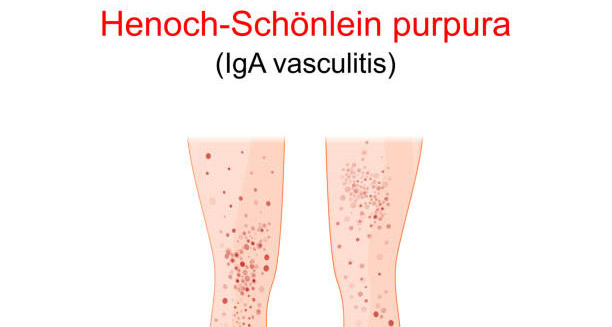
Illustration of Henoch-Schönlein Purpura (IgA vasculitis) with red spots on lower legs

Henoch-Schönlein Purpura

Henoch-Schönlein Purpura Henoch-Schönlein purpura (HSP), also known as IgA vasculitis, is an autoimmune condition that causes inflammation of the small blood vessels, primarily affecting the skin, joints, intestines, and kidneys. HSP happens most often in children aged 2 to 11, but teenagers and adults can get it too. The condition shows up as a purple rash, usually on the legs and buttocks. Along with the rash, people may have belly pain, swollen joints, and sometimes kidney problems.. Although Henoch-Schönlein purpura often resolves on its own, it can occasionally lead to serious complications, particularly involving the kidneys. HSP is classified as a form of small-vessel vasculitis. Meaning that it involves inflammation and damage to the tiny blood vessels known as capillaries. The underlying cause is thought to involve the immune system producing an abnormal response to an infection. Most often a viral or bacterial upper respiratory tract infection. This response leads to deposits of a type of antibody called immunoglobulin A (IgA) in the walls of blood vessels, resulting in inflammation and leakage of blood into surrounding tissues. The classic sign of HSP is raised, reddish-purple spots called palpable purpura. These spots do not fade when you press on them. They usually show up on the lower legs and buttocks. However,, they can also appear on the arms, chest, or face. The rash may be accompanied by a range of symptoms that vary in severity from mild discomfort to more serious systemic issues. Many children also experience joint pain and swelling, especially in the knees and ankles. Which may limit movement but usually does not cause permanent damage. Abdominal pain, cramping, nausea, and vomiting occur in about half of cases and can be severe. Some children develop gastrointestinal bleeding, which may result in the passage of blood in the stool. In rarer instances, the inflammation can cause intussusception. A condition where one part of the intestine slides into another, potentially requiring surgical intervention. Henoch-Schönlein Purpura Perhaps the most concerning aspect of Henoch-Schönlein purpura is its potential effect on the kidneys. Renal involvement may manifest as blood in the urine (haematuria). Protein in the urine (proteinuria), or more serious nephritic or nephrotic syndromes. Kidney symptoms can appear weeks after the rash and may not be accompanied by any pain or discomfortxaking regular urine monitoring essential for all diagnosed individuals. While most children recover without any kidney damage, a small percentage may go on to develop long-term renal problems that require specialist care. The onset of HSP is often sudden and can follow a respiratory tract infection such as a cold, sore throat, or sinusitis. Environmental triggers, certain foods, insect bites, or vaccinations have also been suggested as possible contributors, although no definitive cause is identified in most cases. The condition is not contagious and does not spread between individuals. Diagnosis is usually clinical—based on the typical rash and associated symptoms—but may be supported by blood tests, urine tests, and sometimes a skin or kidney biopsy. Early diagnosis and monitoring are crucial, especially to track potential kidney involvement and to rule out other forms of vasculitis or purpura that might require different management. In most cases, Henoch-Schönlein purpura is a self-limiting illness. Symptoms typically resolve within four to six weeks, although relapses may occur. Usually, pain relief and supportive care work well. However, if the case is more serious—especially when the kidneys or stomach are involved—doctors may need to use corticosteroids or medicines that calm the immune system. Henoch-Schönlein Purpura In summary, Henoch-Schönlein purpura is a condition that causes inflammation in small blood vessels. It happens mostly in children and shows up as a purple rash, joint pain, and sometimes stomach or kidney problems. While it often resolves without long-term complications, close monitoring is necessary to detect and manage any serious outcomes. [Next: Causes of Henoch-Schönlein Purpura →]

Henoch-Schönlein Purpura Read More »

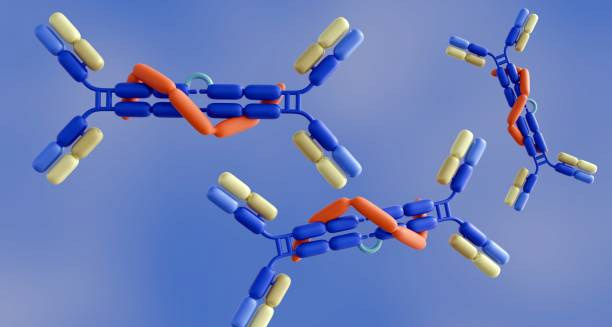
3D illustration of antibodies possibly linked to the causes of Henoch-Schönlein Purpura

Causes of Henoch-Schönlein Purpura

Causes of Henoch-Schönlein Purpura The causes of Henoch-Schönlein purpura (HSP) are not completely understood. Furthermore, the condition is believed to result from an abnormal immune response that leads to inflammation in the small blood vessels. Although HSP is not directly contagious or hereditary in most cases. It frequently occurs following an infection—suggesting that environmental and immunological factors play key roles. Unravelling the causes of Henoch-Schönlein purpura is essential for understanding how the disease develops and why certain individuals, particularly children, are more vulnerable. The most commonly associated trigger is an upper respiratory tract infection. Typically a viral illness such as a cold or influenza. In some cases, streptococcal infections, such as strep throat, cause the problem. The condition often arises one to three weeks after the resolution of the initial infection. Supporting the theory that the body’s immune response—rather than the pathogen itself. Is responsible for initiating the cascade of inflammation. During this process, the immune system produces elevated levels of immunoglobulin A (IgA). Which then deposit in the walls of small blood vessels, especially in the skin, joints, intestines, and kidneys. These IgA deposits cause the blood vessels to become inflamed—a process known as vasculitis. Leading to leakage of blood and proteins into surrounding tissues. This immune complex-mediated response is what produces the hallmark rash. As well as the joint, gastrointestinal, and renal symptoms commonly seen in HSP. While it is not entirely clear why the immune system reacts in this way. It may be that the body mistakenly identifies its own blood vessel components as threats following exposure to a virus or bacterium. Causes of Henoch-Schönlein Purpura Beyond infections, several other environmental and immunological triggers have been associated with Henoch-Schönlein purpura, although none are confirmed as direct causes. These include: Bacterial infections, such as Helicobacter pylori or Group A streptococcus Vaccinations, particularly those administered close in time to illness onset, including MMR (measles, mumps, rubella), influenza, and hepatitis B—though these are rare and do not outweigh the benefits of vaccination Insect bites or stings, which may provoke an immune response in some individuals Exposure to cold weather, which is frequently observed before flare-ups, especially in children Certain medications, including antibiotics (like penicillin), non-steroidal anti-inflammatory drugs (NSAIDs), and ACE inhibitors, which may act as immune triggers Although doctors see these factors in some cases, most people who have them do not get HSP. This shows that a person’s genes and how their immune system reacts probably help decide if they get the disease. Some researchers think an unknown gene may cause certain people to make too much or the wrong kind of IgA when the environment triggers them. Interestingly, Henoch-Schönlein purpura is far more common in children, particularly those aged 2 to 11 years. This may be because their immune systems are still developing and are more reactive to pathogens. The immune systems of young children may be more prone to producing excessive IgA or to generating intense inflammatory responses to common viruses and bacteria. That said, while rare, HSP can occur in adolescents and adults, where it is often more severe—especially in terms of kidney involvement. Causes of Henoch-Schönlein Purpura In adults, the causes may sometimes differ slightly or be less obvious. HSP in adults is more often associated with medications, chronic infections, or autoimmune conditions. In these cases, the disease may present more aggressively and may carry a greater risk of complications, such as long-term kidney damage. The role of immune dysregulation becomes more pronounced in older individuals, especially those with coexisting autoimmune conditions like systemic lupus erythematosus or inflammatory bowel disease. In addition to environmental and immunological factors, there is growing interest in the role of the gut microbiome in regulating immune responses, especially in children. Disruptions in gut bacteria, whether from diet, antibiotics, or infections, could contribute to immune system misfires, including overproduction of IgA. Although still speculative, this area of research may help explain why some children develop HSP following common illnesses while others do not. The seasonality of Henoch-Schönlein purpura also provides clues about its causes. The condition is diagnosed more often in autumn and winter because respiratory viruses spread more during these seasons.. This seasonal trend supports the theory that HSP is commonly a post-infectious immune phenomenon rather than a disease with a singular direct cause. In rare instances, familial clustering of HSP has been observed, suggesting that there may be a genetic component in some cases. However, this is the exception rather than the rule. The vast majority of individuals with HSP have no family history of the disease, and the risk of recurrence in siblings or offspring is extremely low. Finally, it’s important to know that Henoch-Schönlein purpura does not come from poor hygiene, diet, or lifestyle, and it is not contagious. Parents, caregivers, and patients can feel reassured because the condition is not caused by anything they did wrong, and it cannot spread through casual contact. Causes of Henoch-Schönlein Purpura In summary, the causes of Henoch-Schönlein purpura are multifactorial and not yet fully understood. Many people believe the condition happens because the immune system overreacts, usually after a respiratory infection. Genetics, the environment, and how sensitive the immune system is also play a part. While the exact cause may remain elusive in individual cases. Understanding the various factors that can initiate the disease is crucial for early recognition and effective management. [Next: Diagnosis of Henoch-Schönlein Purpura →]

Causes of Henoch-Schönlein Purpura Read More »

Scroll to Top