Mental Matters

Author name: admin

Doctor holding an HPV-labelled test tube, illustrating medical testing and diagnosis procedures

Treatment of Heart Rhythm Problems

Treatment of Heart Rhythm Problems The treatment of heart rhythm problems depends on the type, frequency, severity, and underlying cause of the arrhythmia. While some rhythm disturbances are harmless and require no intervention, others pose serious risks and demand immediate medical attention. The ultimate goals in the treatment of heart rhythm problems are to restore a normal rhythm, control heart rate, prevent complications like stroke or cardiac arrest, and improve the patient’s quality of life. The first step in treatment is determining whether the arrhythmia is causing symptoms or increasing the risk of life-threatening complications. This often involves classifying the rhythm disturbance into categories such as tachyarrhythmias (fast heart rhythms), bradyarrhythmias (slow heart rhythms), and irregular rhythms like atrial fibrillation. Once the arrhythmia type is confirmed, clinicians can choose the most appropriate therapeutic strategy. For benign arrhythmias, such as isolated premature atrial contractions (PACs) or premature ventricular contractions (PVCs), treatment may not be necessary unless the symptoms are distressing or frequent. In many cases, reassurance, lifestyle modifications, and avoidance of known triggers (such as caffeine, alcohol, or stimulant use) are sufficient. Stress reduction techniques, regular sleep, and hydration also help minimise these harmless but sometimes uncomfortable episodes. When treatment is necessary, one of the most common approaches is the use of medications. Antiarrhythmic drugs are designed to restore and maintain a normal rhythm or control heart rate in cases where rhythm correction is not achievable. Common classes of medications include: Treatment of Heart Rhythm Problems Beta-blockers (e.g., metoprolol, bisoprolol): Used to slow the heart rate and reduce palpitations in both atrial and ventricular arrhythmias. They also lower the risk of sudden death in patients with heart failure or prior myocardial infarction. Calcium channel blockers (e.g., verapamil, diltiazem): Effective for controlling heart rate in atrial fibrillation or supraventricular tachycardia. Sodium channel blockers (e.g., flecainide, propafenone): Used in rhythm control but require close monitoring due to proarrhythmic potential. Potassium channel blockers (e.g., amiodarone, sotalol): Widely used for rhythm control in both atrial and ventricular arrhythmias; however, they carry risks of long-term side effects, especially with prolonged use. Anticoagulation therapy is essential in patients with atrial fibrillation or flutter to reduce the risk of stroke. Drugs such as warfarin or direct oral anticoagulants (DOACs) like apixaban or rivaroxaban are prescribed based on a patient’s stroke risk profile, typically assessed using the CHA₂DS₂-VASc score. For patients who do not respond to medication or have intolerable side effects, catheter ablation is a highly effective option. This minimally invasive procedure uses heat (radiofrequency) or cold (cryoablation) to destroy the small areas of heart tissue responsible for the abnormal electrical signals. Catheter ablation is particularly effective in treating: Supraventricular tachycardias (e.g., AVNRT, AVRT) Atrial flutter Atrial fibrillation (especially paroxysmal) Certain types of ventricular tachycardia Success rates vary depending on the type of arrhythmia, but for many patients, ablation provides a long-term or permanent cure, allowing them to discontinue medications and regain full functionality. Treatment of Heart Rhythm Problems Electrical cardioversion is another rhythm-control strategy, particularly in atrial fibrillation. In this procedure, a controlled electric shock is delivered to the heart under sedation to reset the rhythm to normal. Cardioversion is most effective when performed early in the course of the arrhythmia, especially when combined with medications to maintain the restored rhythm. Implantable devices play a critical role in the treatment of heart rhythm problems, especially in those at risk of bradycardia or sudden cardiac arrest: Pacemakers: These are small devices implanted under the skin, typically in the chest, to treat bradyarrhythmias. They send electrical impulses to stimulate the heart when it beats too slowly or pauses unexpectedly. Modern pacemakers are programmable and can adjust pacing based on the patient’s activity levels. Doctors often recommend implantable cardioverter-defibrillators (ICDs) for patients who face a high risk of dangerous heart rhythm problems in the lower chambers. These devices watch the heart’s rhythm all the time. Then, if they detect a serious problem, they send a shock to bring the heartbeat back to normal. People with severe heart failure, past cardiac arrest, or inherited rhythm disorders often use ICDs. Therefore, these devices play a key role in keeping such patients safe. In patients with heart failure and conduction abnormalities such as bundle branch blocks, cardiac resynchronisation therapy (CRT) may be used. CRT devices coordinate the contraction of the heart’s ventricles to improve pumping efficiency and reduce arrhythmia burden. For bradyarrhythmias that result from sinus node dysfunction or atrioventricular (AV) block, pacemaker implantation is the mainstay of therapy. These slow rhythms can cause syncope, fatigue, and confusion, especially in older adults. Pacemakers are highly effective at restoring normal heart rates and eliminating symptoms. Lifestyle Modifications Lifestyle modifications remain a fundamental part of treatment, regardless of arrhythmia type. Patients are encouraged to: Limit caffeine, alcohol, and stimulant use Manage stress through mindfulness, exercise, or therapy Maintain a healthy weight Get regular sleep and treat conditions like sleep apnoea Control blood pressure, diabetes, and cholesterol Sleep apnoea management, particularly with continuous positive airway pressure (CPAP), has been shown to reduce recurrence of arrhythmias, especially atrial fibrillation. Treating this condition is a key step in comprehensive arrhythmia care. Treatment of Heart Rhythm Problems For inherited rhythm disorders like Long QT Syndrome or Brugada Syndrome, treatment may include specific medications, device therapy, and lifestyle guidance (e.g., avoiding certain drugs or vigorous activity). Genetic counselling and family screening are often recommended to assess risk in relatives. Psychological support is also important. Living with a rhythm disorder—especially those requiring a defibrillator or causing fainting—can cause anxiety or depression. Many patients benefit from counselling, peer support groups, and education that empowers them to manage their condition. In summary, the treatment of heart rhythm problems involves a wide array of options—ranging from medications and ablation to implanted devices and lifestyle adjustments. The best approach is highly individualised and often requires a multidisciplinary team. With early diagnosis and the right interventions, most patients can live active, fulfilling lives with minimal impact from their arrhythmia. [Next: Complications of Heart Rhythm Problems

Treatment of Heart Rhythm Problems Read More »

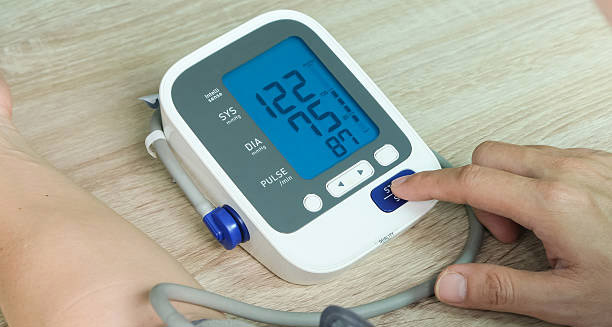
Digital blood pressure monitor showing readings during a cardiac health check

Complications of Heart Rhythm Problems

Complications of Heart Rhythm Problems The complications of heart rhythm problems can range from mildly inconvenient to severely disabling or fatal. While some arrhythmias may seem harmless. Particularly when symptoms are minimal or intermittent, the long-term consequences can be serious if left undiagnosed or untreated. Understanding the complications of heart rhythm problems is vital for clinicians and patients alike. As early intervention can prevent many of these outcomes. One of the most well-known and dangerous complications is stroke, particularly in individuals with atrial fibrillation (AFib). In AFib, the upper chambers of the heart quiver instead of contracting normally. This allows blood to pool, especially in the left atrial appendage, where clots can form. If a clot dislodges and travels to the brain, it can block a cerebral artery and cause an ischaemic stroke. These strokes tend to be more severe and have higher rates of disability or death compared to strokes from other causes. Anticoagulation therapy is therefore critical in reducing this risk. Ventricular Fibrillation Another potentially fatal complication is sudden cardiac arrest. This occurs when a dangerous arrhythmia—most commonly ventricular fibrillation (VF) or ventricular tachycardia (VT). Disrupts the heart’s ability to pump blood effectively. Within seconds, the brain is deprived of oxygen. Leading to unconsciousness, and death follows within minutes unless immediate resuscitation and defibrillation are provided. Sudden cardiac arrest is often the first symptom of underlying heart rhythm disorders, particularly in young people with inherited conditions such as Long QT Syndrome or Brugada Syndrome. Heart failure is another significant complication of chronic or untreated arrhythmias. Irregular heartbeats can weaken the heart over time, reducing its ability to circulate blood effectively. Tachyarrhythmias like uncontrolled atrial fibrillation or frequent premature ventricular contractions (PVCs) can lead to a condition called tachycardia-induced cardiomyopathy. Conversely, bradyarrhythmias or heart blocks can slow cardiac output and result in fluid retention, fatigue, and progressive heart failure symptoms. Complications of Heart Rhythm Problems Cognitive decline and vascular dementia have also been linked to chronic arrhythmias, especially atrial fibrillation. Even in the absence of stroke, AFib is associated with microemboli and reduced cerebral perfusion, which may contribute to subtle brain injury over time. People with AFib are at increased risk of memory loss, attention deficits, and decreased executive function, particularly if the condition is not well controlled. Frequent hospitalisations are a common and burdensome complication. Patients with poorly managed heart rhythm problems often face repeated admissions for symptom flare-ups, medication adjustments, or emergency interventions. Each hospital stay can lead to physical deconditioning, increased medication burden, and a heightened risk of complications such as infections, delirium, or falls—particularly in older adults. Syncope, or sudden loss of consciousness, can result from bradyarrhythmias (such as complete heart block) or tachyarrhythmias that impair blood flow to the brain. Syncope not only poses a danger in itself—leading to falls, fractures, or accidents—but may also be an early warning sign of a more serious underlying rhythm disorder. Unexplained fainting episodes should always be evaluated for arrhythmic causes. Another complication, particularly in individuals with pacemakers or defibrillators, is device-related issues. While these devices are life-saving, they can sometimes malfunction, deliver inappropriate shocks, or lead to infections at the implantation site. In rare cases, lead dislodgement or battery failure may require revision surgery. Although modern technology has significantly improved reliability, device follow-up and remote monitoring are essential. Complications of Heart Rhythm Problems Bleeding complications can occur in patients on anticoagulation therapy for atrial fibrillation or other thromboembolic risk. While these medications are highly effective at preventing stroke, they carry an inherent risk of gastrointestinal bleeding, haemorrhagic stroke, or other bleeding events. Proper risk stratification using tools like the HAS-BLED score and close monitoring of renal function and drug interactions are essential to balance efficacy and safety. Psychological distress is an often-overlooked but impactful complication. Living with a heart rhythm problem can cause chronic anxiety, especially when arrhythmias are symptomatic or unpredictable. The fear of sudden events, reliance on implanted devices, and limitations on physical or social activities can lead to depression, reduced self-esteem, and social isolation. In patients who’ve experienced cardiac arrest or recurrent syncope, post-traumatic stress is not uncommon. Exercise intolerance and reduced quality of life are also major concerns. Even if not immediately life-threatening, frequent palpitations, dizziness, and fatigue can severely limit an individual’s ability to work, engage socially, or maintain physical fitness. Over time, this can contribute to deconditioning, muscle weakness, weight gain, and further cardiovascular decline. Complications of catheter ablation—a common treatment for arrhythmias—can include vascular injury, cardiac perforation, pericardial effusion, and damage to surrounding structures like the oesophagus or phrenic nerve. These complications are rare but highlight the importance of specialist care and informed consent before undergoing invasive procedures. Complications of Heart Rhythm Problems In inherited rhythm disorders, such as Catecholaminergic Polymorphic Ventricular Tachycardia (CPVT) or ARVC, complications may appear early in life and often require aggressive intervention. Family screening is critical to prevent tragic outcomes like unexplained sudden death in young athletes. In these high-risk groups, even seemingly minor symptoms such as brief palpitations or exercise-induced light-headedness should prompt evaluation. Long-term medication side effects are another important consideration. Antiarrhythmic drugs can have significant toxicities. Amiodarone, for instance, is highly effective but associated with thyroid dysfunction, pulmonary fibrosis, liver toxicity, and ocular changes. Ongoing surveillance is vital to detect these adverse effects early and adjust treatment accordingly. In some patients, complications may overlap or interact, creating complex clinical scenarios. For example, a person with AFib may suffer from both heart failure and cognitive decline, while also requiring anticoagulation, rhythm control medications, and a pacemaker. Managing these intersecting risks requires a multidisciplinary approach involving cardiologists, neurologists, geriatricians, pharmacists, and mental health professionals. In conclusion, the complications of heart rhythm problems can be extensive and deeply affect multiple aspects of a person’s health. From stroke and cardiac arrest to psychological distress and diminished day-to-day functioning, arrhythmias pose both immediate and long-term risks. However, with vigilant monitoring, appropriate treatment, and proactive patient education, many of these complications can be prevented or mitigated. Early



Complications of Heart Rhythm Problems Read More »

Smiling woman holding a red heart shape after exercise to promote heart health

Prevention of Heart Rhythm Problems

Prevention of Heart Rhythm Problems The prevention of heart rhythm problems is an increasingly important area of focus in cardiology, given the significant health risks and complications associated with arrhythmias. Although some rhythm problems happen because of genetic changes or heart issues present at birth, many others can still be avoided or put off. In fact, by making healthy lifestyle choices, keeping certain risks under control, and seeing a doctor early, people can lower their chances. As a result, taking action early really makes a difference. The prevention of heart rhythm problems requires a proactive approach that blends personal responsibility with medical support. At the heart of prevention is the concept of cardiovascular health. Many rhythm disturbances are secondary to underlying heart disease, such as coronary artery disease, hypertension, or heart failure. Preventing these root causes also reduces the likelihood of arrhythmias. Maintaining healthy blood pressure, blood sugar, and cholesterol levels through diet, exercise, and routine medical screening is essential. Healthy lifestyle habits Healthy lifestyle habits form the foundation of arrhythmia prevention. A balanced diet rich in vegetables, fruits, whole grains, lean proteins, and heart-healthy fats helps reduce systemic inflammation and vascular stress. Reducing salt intake helps control blood pressure. While limiting sugar and processed foods lowers the risk of obesity and diabetes. Both of which are strong contributors to arrhythmias. Regular physical activity improves cardiovascular efficiency, lowers resting heart rate, enhances circulation, and reduces stress hormones like adrenaline, which can provoke arrhythmias. Experts suggest doing moderate aerobic exercise, like brisk walking, swimming, or biking, for at least 150 minutes each week. However, if someone already has a known heart rhythm problem or certain risk factors, they should talk to their doctor first. This is especially important because, in some cases, hard exercise can set off inherited rhythm problems. So, it’s always better to be careful and get advice before starting a tough workout. Prevention of Heart Rhythm Problems One of the most impactful actions in the prevention of heart rhythm problems is avoiding tobacco and excessive alcohol. Smoking damages blood vessels and increases the likelihood of atherosclerosis, which can impair electrical conduction in the heart. Alcohol—particularly when consumed in large quantities or binges—can trigger atrial fibrillation, even in healthy individuals. This phenomenon, known as “holiday heart syndrome,” demonstrates how sensitive the heart’s electrical system is to chemical disturbances. Limiting caffeine and stimulant use is also important, especially in individuals with a known tendency toward palpitations or tachycardia. Energy drinks, decongestants containing pseudoephedrine, and recreational drugs such as cocaine or amphetamines can all provoke arrhythmias. For those already diagnosed with rhythm disorders, avoiding these triggers can help prevent episodes and reduce the need for medication. Stress management plays a crucial role. Chronic psychological stress activates the sympathetic nervous system, increasing heart rate, blood pressure, and the risk of rhythm instability. Techniques such as mindfulness meditation, yoga, deep breathing exercises, and cognitive behavioural therapy (CBT) can help reduce stress-related arrhythmic triggers. Addressing anxiety and depression is also key to improving cardiac health and adherence to treatment plans. For those with existing cardiovascular conditions, tight medical control is a cornerstone of prevention. It’s important to treat high blood pressure early and seriously. This helps lower the risk of the heart’s upper chambers getting too big, which can later lead to atrial fibrillation. As a result, keeping blood pressure under control plays a key role in preventing rhythm problems. Diabetics should monitor blood glucose regularly and maintain haemoglobin A1c within target range to protect the heart’s electrical and vascular integrity. Individuals with high cholesterol levels may benefit from statins, which not only lower LDL but also reduce inflammation in the heart’s blood vessels. Prevention of Heart Rhythm Problems Sleep health is often overlooked but has a profound influence on cardiac rhythm. Obstructive sleep apnoea (OSA) causes repeated drops in oxygen levels and sudden surges in blood pressure during the night, placing stress on the heart. OSA is strongly associated with atrial fibrillation and other arrhythmias. Early diagnosis through a sleep study and treatment with CPAP (continuous positive airway pressure) therapy can significantly reduce arrhythmia burden and improve cardiac function. Routine cardiac screening for at-risk individuals is another key element in prevention. People over 40, those with a family history of arrhythmia or sudden cardiac death. Additionally, patients with risk factors like diabetes or hypertension should have regular ECGs and physical exams. In certain cases, ambulatory monitors (e.g. Holter monitors) may be used to detect asymptomatic arrhythmias early. For people who have known heart structure problems or inherited rhythm issues, it’s a good idea to get genetic counseling. In addition, their family members should also get checked. This way, doctors can find possible risks early and help prevent future problems. Early detection of conditions like Long QT Syndrome, Brugada Syndrome, or hypertrophic cardiomyopathy can lead to life-saving interventions such as implantable defibrillators, medication adjustments, or activity restrictions. Preventive measures in these populations are often tailored to individual genetic risks. In addition to medical therapies, education and self-awareness empower individuals to take control of their health. Patients should learn how to monitor their pulse, recognise symptoms of arrhythmias, and understand their personal risk profile. Access to accurate information helps individuals make informed decisions and seek medical attention promptly when necessary. Prevention of Heart Rhythm Problems Vaccination is another underappreciated tool. Infections such as influenza and COVID-19 can trigger systemic inflammation and destabilise pre-existing arrhythmias, particularly in older adults. Annual flu shots and COVID boosters can reduce the risk of illness-related rhythm complications. Especially in patients with comorbid heart conditions. Medication management is crucial, particularly in older adults. Some prescription and over-the-counter medications can prolong the QT interval or interfere with cardiac conduction. Patients should always inform their doctors and pharmacists about all medications they are taking, including herbal remedies. Polypharmacy increases the risk of drug-induced arrhythmias, especially when kidney function is impaired or electrolyte levels are imbalanced. Monitoring electrolytes is important for those on diuretics or with conditions that affect potassium and magnesium levels.

Prevention of Heart Rhythm Problems Read More »

Smiling elderly woman holding her hands over her heart, symbolising positive heart health outcomes

Outlook for Heart Rhythm Problems

Outlook for Heart Rhythm Problems The outlook for heart rhythm problems has significantly improved over the past few decades due to advances in diagnostics, medical therapies, catheter ablation techniques, and implantable devices. Many arrhythmias that were once considered life-threatening are now treatable and even curable. However, the outlook for heart rhythm problems varies depending on the type of arrhythmia. Its cause, the presence of other health conditions, and how early it is detected and managed. For most people diagnosed with common rhythm disorders like atrial fibrillation (AFib). The outlook is generally positive if the condition is managed appropriately. AFib itself is not fatal, but it increases the risk of complications such as stroke and heart failure. With the right combination of anticoagulation therapy, rate or rhythm control medication, and lifestyle adjustments, patients with AFib can live long, full lives. Newer anticoagulants (DOACs) have made stroke prevention safer and more convenient than ever before. The prognosis for supraventricular tachycardias (SVTs)—such as atrioventricular nodal reentrant tachycardia (AVNRT) or atrioventricular reentrant tachycardia (AVRT)—is also excellent. These conditions, while uncomfortable and disruptive, are not usually life-threatening. Most can be permanently resolved with catheter ablation, which boasts high success rates and low complication risks. Many patients who undergo this procedure can return to normal life without the need for long-term medication. Outlook for Heart Rhythm Problems For those with bradyarrhythmias, such as complete heart block or sick sinus syndrome, the long-term outlook improves significantly with the implantation of a pacemaker. Pacemakers provide reliable pacing and eliminate symptoms like fainting, fatigue, and confusion caused by slow heart rates. Once stabilised, these individuals often experience a dramatic improvement in quality of life and functional capacity. The outlook for heart rhythm problems becomes more cautious in patients who experience ventricular arrhythmias, especially ventricular tachycardia (VT) or ventricular fibrillation (VF). These arrhythmias can lead to sudden cardiac arrest, which carries a high mortality rate if not treated immediately. For patients with underlying conditions like heart failure or a previous myocardial infarction, the risk of recurrence is higher. Implantable cardioverter-defibrillators (ICDs) significantly improve survival in these cases by providing immediate correction of life-threatening rhythms. People with inherited arrhythmic syndromes, such as Long QT Syndrome, Brugada Syndrome, or Catecholaminergic Polymorphic Ventricular Tachycardia (CPVT), face unique challenges. Their outlook depends heavily on early diagnosis, lifestyle modification, medication adherence, and—in high-risk cases—preventive ICD placement. With proper management and regular follow-up, many individuals with these genetic conditions live well into adulthood with minimal interruption to daily life. Another key determinant of prognosis is the presence of structural heart disease. Arrhythmias occurring in structurally normal hearts tend to have a better outlook than those associated with cardiomyopathies, valvular disease, or chronic heart failure. In these cases, rhythm disturbances are often a symptom of advanced disease and may contribute to a cycle of declining cardiac function. However, effective rhythm control and device therapy can still significantly improve survival and quality of life. Outlook for Heart Rhythm Problems Age and comorbid conditions play a role as well. Older adults with multiple medical problems—such as diabetes, hypertension, chronic kidney disease, or sleep apnoea—may have a more complicated recovery path and face greater risk of recurrence or complications. Nonetheless, these patients can still achieve good outcomes with coordinated, multidisciplinary care that addresses the full spectrum of health concerns. In patients with lifestyle-related arrhythmias, such as those caused by excessive alcohol, caffeine, or stimulant use, the outlook can be excellent if the triggers are eliminated. For example, in “holiday heart syndrome,” abstaining from alcohol usually leads to complete resolution of the arrhythmia. Similarly, arrhythmias caused by stress or dehydration can often be managed with non-invasive interventions and behavioural changes. An important factor in improving the outlook for heart rhythm problems is patient education and self-management. Individuals who understand their condition, follow their treatment plan, and learn to recognise warning signs are more likely to avoid complications and reduce emergency visits. Daily habits like weight monitoring, pulse checking, and medication adherence are simple but powerful tools in maintaining rhythm stability. Technology has also revolutionised arrhythmia management. Remote monitoring systems allow doctors to track pacemakers and defibrillators in real-time, alerting them to early signs of problems. Wearable ECG devices and smartphone apps can detect irregular rhythms and prompt early medical intervention. These tools empower patients to be active participants in their care and have improved outcomes by enabling earlier, data-driven decisions. Outlook for Heart Rhythm Problems In terms of mental health and emotional well-being, the outlook is more variable. Living with a chronic arrhythmia or an implantable device can lead to anxiety, depression, or fear of recurrence. Psychological support, cardiac rehabilitation programmes, and peer support groups are essential in helping patients cope emotionally. With adequate mental health care, even those with complex or high-risk arrhythmias can maintain a strong sense of control and confidence. Looking ahead, ongoing research into gene therapy, advanced mapping techniques. Furthermore, artificial intelligence is expected to further enhance diagnostic precision and personalise treatment plans. These innovations will likely improve the outlook for arrhythmia patients even more in the coming years. In conclusion, the outlook for heart rhythm problems is generally favourable. Particularly when the arrhythmia is diagnosed early and managed effectively. While some types carry a higher risk of complications, modern therapies offer reliable symptom control, reduced hospitalisations, and extended survival. With a combination of clinical care, lifestyle management, technology, and education. Most patients with arrhythmias can look forward to long, active, and fulfilling lives. [Next: Back to Overview →]

Outlook for Heart Rhythm Problems Read More »

Older man clutching his chest in pain, indicating possible symptoms of heart failure

Heart Failure

Heart Failure Heart failure is a chronic, progressive condition in which the heart muscle becomes weakened or stiff, losing its ability to pump blood efficiently throughout the body. This means that oxygen and nutrients cannot reach organs and tissues in adequate amounts. The consequences of heart failure can range from mild fatigue and reduced exercise tolerance to life-threatening complications and hospitalisation. It is a major global health concern and one of the leading causes of morbidity and mortality worldwide. Although often referred to as “congestive heart failure,” the term encompasses more than just fluid buildup. Heart failure can occur with reduced ejection fraction (HFrEF), where the heart’s pumping ability is diminished, or with preserved ejection fraction (HFpEF), where the heart pumps normally but is too stiff to fill properly. Both forms impair the circulation of blood and place strain on various organs, leading to a cascade of physiological effects. The condition typically develops over time as the heart becomes damaged by other underlying diseases. These may include coronary artery disease, long-standing hypertension, previous heart attacks, diabetes, valvular disorders, and certain infections or genetic conditions. As the heart struggles to compensate for its declining function. It undergoes structural changes such as enlargement (dilation), thickening (hypertrophy), and scarring, which further impair its performance. Heart Failure One of the hallmark features of heart failure is fluid retention. Because the heart is not pumping effectively, blood can back up into the lungs, abdomen, or legs. This causes symptoms like breathlessness, swelling (oedema), and weight gain. Patients often feel fatigued or weak, and may notice they need to sleep with extra pillows. Additionally, wake at night gasping for air due to fluid accumulation in the lungs (orthopnoea and paroxysmal nocturnal dyspnoea). Heart failure is often classified according to the New York Heart Association (NYHA) functional classification system: This system helps guide treatment and assess prognosis, although the condition can vary day-to-day depending on factors such as salt intake, medication adherence, and concurrent illnesses. Diagnosing heart failure typically involves a combination of patient history, physical examination, blood tests (e.g., BNP or NT-proBNP levels), ECG, echocardiogram, and sometimes imaging such as cardiac MRI or stress testing. Identifying the underlying cause is crucial, as treatment will often be tailored to address the root problem—whether it’s ischaemic, hypertensive, valvular, or idiopathic in origin. Management of heart failure requires a multidisciplinary approach. It includes lifestyle modifications (e.g., sodium restriction, fluid management, weight control), pharmacological therapy (including ACE inhibitors, beta-blockers, diuretics, and newer agents like SGLT2 inhibitors), and in some cases, device therapy (e.g., implantable defibrillators or biventricular pacemakers). In advanced cases, mechanical circulatory support or heart transplantation may be necessary. Heart Failure While it is a serious diagnosis, heart failure is not a death sentence. With the right care and monitoring, many individuals lead active and fulfilling lives. Patient education and engagement are essential, particularly when it comes to recognising symptom flare-ups and adhering to daily weight monitoring or medication schedules. Preventing heart failure involves controlling the underlying risk factors that damage the heart in the first place. Managing high blood pressure, avoiding smoking, staying physically active, treating diabetes, and adopting a heart-healthy diet can significantly lower the risk of developing the condition. For those already living with heart failure, close follow-up with a cardiologist, regular bloodwork, and participation in cardiac rehabilitation programmes improve both longevity and quality of life. As the global population ages and chronic diseases become more prevalent, the number of people living with heart failure is expected to rise dramatically. This highlights the importance of not only treating the condition but also investing in public health strategies to prevent it through early intervention and education. [Next: Causes of Heart Failure →]

Heart Failure Read More »

Woman holding her chest and gasping for air, showing early signs of heart failure

Causes of Heart Failure

Causes of Heart Failure The causes of heart failure are diverse and often interconnected. Involving a variety of conditions that damage or weaken the heart muscle, reduce its efficiency, or place it under chronic stress. Understanding the causes of heart failure is essential not only for accurate diagnosis and effective treatment. However, this is also important for prevention and long-term disease management. At the centre of most cases of heart failure is a structural or functional abnormality of the heart. These abnormalities can impair the heart’s ability to fill properly during diastole (diastolic dysfunction) or eject blood efficiently during systole (systolic dysfunction). The heart may become stiff, thickened, weakened, or dilated—each of which interferes with normal circulation and oxygen delivery throughout the body. One of the most common causes of heart failure is coronary artery disease (CAD). This condition occurs when the coronary arteries, which supply the heart muscle with oxygen-rich blood, become narrowed or blocked due to atherosclerosis (plaque buildup). When blood flow to the heart is restricted, parts of the muscle may weaken, especially after a heart attack (myocardial infarction), where a section of the heart muscle dies. The resulting scar tissue impairs pumping capacity, making CAD a leading contributor to heart failure with reduced ejection fraction (HFrEF). Hypertension (high blood pressure) is another significant cause. Over time, elevated pressure in the arteries forces the heart to work harder to circulate blood. This increased workload causes the heart muscle—especially the left ventricle—to thicken (left ventricular hypertrophy) and become stiff. Eventually, this rigidity interferes with the heart’s ability to relax and fill effectively, leading to heart failure with preserved ejection fraction (HFpEF). In both cases, prolonged high blood pressure can wear down the heart’s resilience and adaptability. Causes of Heart Failure Cardiomyopathies, which refer to diseases of the heart muscle itself, are also frequent culprits. These can be classified as: Dilated cardiomyopathy, where the heart becomes enlarged and weakened. Hypertrophic cardiomyopathy, involving abnormally thickened heart muscle, often genetic in origin. Restrictive cardiomyopathy, where the heart muscle becomes stiff and less compliant, impairing filling. Arrhythmogenic right ventricular cardiomyopathy, a rare genetic condition involving fibrous and fatty infiltration of the heart muscle. These disorders can be inherited or acquired due to infections, autoimmune diseases, or prolonged exposure to toxins. Causes of Heart Failure Valvular heart disease also contributes to heart failure. When heart valves are damaged—whether through degenerative changes, congenital defects, infections like endocarditis, or rheumatic fever—they may not open or close properly. This can lead to volume overload (as in mitral or aortic regurgitation) or pressure overload (as in stenosis), eventually weakening the heart and disrupting its ability to maintain effective circulation. Arrhythmias, such as atrial fibrillation or persistent tachycardia, may both cause and exacerbate heart failure. When the heart beats too quickly, irregularly, or inefficiently, it reduces the time available for the ventricles to fill and pump blood effectively. Over time, these rhythm disturbances can lead to structural changes and reduced cardiac output. Metabolic disorders also play a crucial role. Diabetes mellitus doubles the risk of heart failure, not only because of its association with coronary artery disease and hypertension but also due to diabetic cardiomyopathy—a condition characterised by metabolic and structural alterations in the myocardium independent of other cardiovascular diseases. Thyroid dysfunction can contribute to heart failure in both directions: hyperthyroidism increases the heart’s metabolic demands and can cause tachyarrhythmias, while hypothyroidism can slow the heart rate, increase peripheral resistance, and cause fluid retention. Causes of Heart Failure Infections, particularly viral myocarditis, can cause inflammation and direct injury to heart muscle, leading to acute or chronic heart failure. Parasitic infections such as Chagas disease are significant causes in certain parts of the world. Bacterial infections affecting the heart valves (endocarditis) can similarly impair cardiac function. Exposure to toxins or drugs—such as excessive alcohol, certain chemotherapy agents (e.g., doxorubicin), recreational drugs (e.g., cocaine), and some illicit anabolic steroids—can damage cardiac muscle cells and precipitate heart failure. Alcoholic cardiomyopathy is a well-recognised example of toxic-induced heart failure that improves with cessation of drinking. Congenital heart defects are another category. Structural abnormalities present from birth—such as septal defects, valve malformations, or single ventricle anomalies—can impair heart function early in life and increase long-term risk of heart failure, even following surgical correction. In some cases, anaemia, severe lung disease, or chronic kidney disease can contribute to a condition called high-output heart failure. In these cases, the heart is not failing because it is weak or stiff, but because it cannot keep up with the body’s increased demands for blood flow. Treating the underlying condition can often resolve this type of heart failure. Pregnancy-related conditions, such as peripartum cardiomyopathy, can also trigger heart failure. This rare disorder develops in the last month of pregnancy or within several months after delivery. Its cause is not fully understood but is believed to involve inflammation, hormonal changes, and vascular dysfunction. Finally, genetic mutations—even in the absence of structural abnormalities—can predispose individuals to heart failure. Inherited channelopathies and mitochondrial diseases may disrupt the heart’s electrical or energy systems, contributing to the development of systolic or diastolic dysfunction over time. Causes of Heart Failure In summary, the causes of heart failure are varied and often cumulative. Multiple risk factors frequently act together—such as a person with hypertension and diabetes who suffers a heart attack and later develops heart failure. Identifying and addressing each contributing factor is crucial for comprehensive treatment and long-term disease control. [Next: Diagnosis of Heart Failure →]

Causes of Heart Failure Read More »

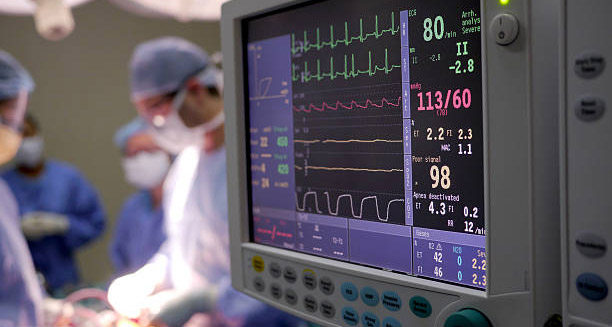
Hospital monitor displaying heart rhythms during surgery in a cardiac operating room

Diagnosis of Heart Failure

Diagnosis of Heart Failure The diagnosis of heart failure involves a comprehensive clinical assessment, including the evaluation of symptoms, a detailed medical history, physical examination, and a combination of laboratory and imaging tests. Because the symptoms of heart failure can overlap with those of other common medical conditions, an accurate and early diagnosis of heart failure is essential for effective treatment and better long-term outcomes. A thorough history is usually the starting point. Patients often report fatigue, shortness of breath (especially on exertion or when lying down), leg swelling, weight gain, and reduced ability to exercise. Some may also mention waking up at night with difficulty breathing, needing extra pillows to sleep comfortably, or noticing a persistent cough that worsens when lying flat. These symptoms may be gradual or sudden and are key red flags prompting further investigation. The clinician will review past and present medical conditions that may contribute to heart failure, such as coronary artery disease, hypertension, diabetes, valvular disorders, arrhythmias, kidney disease, or previous heart attacks. Family history is also relevant, as genetic predispositions can play a role in certain types of cardiomyopathy. Diagnosis of Heart Failure A detailed physical examination is critical. Doctors will assess heart rate and rhythm, check blood pressure, listen to the heart and lungs with a stethoscope, and look for signs of fluid retention—such as jugular vein distension, ankle or leg swelling, and crackling sounds in the lungs. Cool extremities, delayed capillary refill, and low blood pressure can indicate poor perfusion in advanced cases. After the initial clinical assessment, the next step in the diagnosis of heart failure is a series of investigations that confirm the presence of the disease and help determine its underlying cause and severity. One of the first and most useful blood tests is measurement of natriuretic peptides, including B-type natriuretic peptide (BNP) and N-terminal pro-BNP (NT-proBNP). These biomarkers are released by the heart in response to increased pressure and volume overload. Elevated levels strongly suggest heart failure, especially in patients presenting with shortness of breath. Other important blood tests include: Full blood count – to rule out anaemia or infection. Kidney function tests – since renal impairment can both mimic and exacerbate heart failure. Liver function tests – to assess for hepatic congestion in advanced heart failure. Thyroid function tests – as both hypo- and hyperthyroidism can influence cardiac output. Lipid profile and HbA1c – to evaluate cardiovascular risk and screen for diabetes. Diagnosis of Heart Failure The electrocardiogram (ECG) is an essential tool for evaluating heart rhythm, previous myocardial infarction, and evidence of left ventricular hypertrophy or conduction abnormalities. While not diagnostic on its own, the ECG can reveal clues that point towards underlying pathology contributing to heart failure. The cornerstone of structural assessment is the echocardiogram, a non-invasive ultrasound test that visualises the heart in real-time. This test can evaluate: Left and right ventricular size and function Ejection fraction (EF), which helps classify heart failure as HFrEF (EF <40%) or HFpEF (EF ≥50%) Valve structure and performance Wall motion abnormalities suggesting previous infarction Presence of pericardial effusion or intracardiac masses In some cases, more advanced imaging may be required. Cardiac MRI provides detailed information about heart muscle structure, function, and scarring. It is particularly useful in assessing cardiomyopathies and distinguishing between different types of myocardial disease. Cardiac CT is useful for evaluating coronary anatomy, particularly in patients unable to undergo invasive coronary angiography. Chest X-rays are commonly performed in patients suspected of heart failure. They can show signs of pulmonary congestion, cardiomegaly (enlarged heart), pleural effusions, or alternative causes of respiratory symptoms such as pneumonia or lung disease. Diagnosis of Heart Failure For patients with suspected coronary artery disease, a key contributor to heart failure, a stress test may be used. This can be an exercise ECG or a nuclear perfusion scan that evaluates blood flow to the heart under stress. If the results are concerning, coronary angiography—an invasive procedure—may be performed to identify and potentially treat blockages in the coronary arteries. Right heart catheterisation is sometimes used in complex cases, particularly where pulmonary hypertension or advanced heart failure is suspected. This procedure measures pressures in the heart chambers and pulmonary arteries, providing valuable haemodynamic data to guide treatment decisions. Holter monitoring or event recorders may be employed when arrhythmias are suspected as a cause or complication of heart failure. These portable devices record the heart’s rhythm continuously over a day or more, helping detect intermittent disturbances such as atrial fibrillation or ventricular tachycardia. In some patients, especially younger individuals or those with a family history, genetic testing may be recommended to evaluate for inherited forms of cardiomyopathy. This can also help inform family screening and guide therapy. The diagnosis of heart failure does not end with confirmation of the disease. It extends to determining its subtype, cause, and stage. For this reason, clinical guidelines often recommend using validated classification systems such as the New York Heart Association (NYHA) functional class. The American College of Cardiology/American Heart Association (ACC/AHA) stages. Furthermore, the European Society of Cardiology (ESC) algorithms. These systems support treatment decisions and help predict prognosis. Diagnosis of Heart Failure Importantly, diagnosing heart failure early—even in patients without obvious symptoms—can change the course of the disease. Timely intervention may prevent progression, reduce hospitalisations, and improve quality of life. In conclusion, the diagnosis of heart failure requires a multi-pronged approach that combines careful clinical evaluation with targeted testing. The aim is not only to confirm the condition, but to understand its cause, guide treatment, and anticipate complications. Accurate and timely diagnosis is the cornerstone of effective heart failure management. [Next: Symptoms of Heart Failure →]

Diagnosis of Heart Failure Read More »

Man clutching his chest in pain while standing near stairs, showing signs of heart failure

Symptoms of Heart Failure

Symptoms of Heart Failure The symptoms of heart failure can range from subtle to life-threatening, depending on the type, stage, and severity of the condition. Recognising the symptoms of heart failure early is vital for diagnosis, timely treatment, and preventing further damage to the heart and other organs. Since heart failure often develops gradually, individuals may dismiss early signs or attribute them to ageing, weight gain, or lack of fitness—delaying critical intervention. Shortness of breath (dyspnoea) is one of the hallmark symptoms. It occurs when fluid backs up into the lungs due to the heart’s inability to pump blood efficiently. In early stages, breathlessness may be noticeable only during exertion, such as walking uphill or climbing stairs. As the condition progresses, people may experience shortness of breath even at rest or while lying flat (orthopnoea). Many patients begin to sleep with multiple pillows or find themselves waking in the night gasping for air—a condition known as paroxysmal nocturnal dyspnoea. Fatigue and weakness are also common and often described as persistent and unexplained. These symptoms result from reduced blood flow to muscles and tissues, depriving the body of the oxygen and nutrients needed for normal activity. Simple tasks such as grocery shopping or walking short distances may become exhausting. This reduction in stamina severely affects quality of life and can lead to emotional distress and social isolation. Symptoms of Heart Failure Swelling (oedema) is another characteristic feature. It typically begins in the ankles and lower legs but can spread to the thighs, abdomen, and even the sacral area in individuals who are bedbound. The swelling occurs due to fluid retention, as the kidneys receive less blood flow and respond by holding onto sodium and water. In advanced stages, abdominal swelling (ascites) and rapid weight gain may signal severe fluid overload. Persistent cough or wheezing, especially when lying down, may be a sign of fluid accumulation in the lungs. In some cases, the cough is dry and hacking, while in others it may produce white or pink-tinged frothy sputum—a sign of pulmonary oedema, which is a medical emergency. Rapid or irregular heartbeat (palpitations) is another symptom, especially when the heart tries to compensate for its weakened state by beating faster or irregularly. Many patients with heart failure also develop arrhythmias such as atrial fibrillation, which can exacerbate symptoms and increase the risk of stroke. Dizziness, light-headedness, or fainting may occur when the brain receives insufficient blood flow. These symptoms are particularly common in severe or rapidly progressing cases and may indicate dangerously low cardiac output. In some instances, fainting may be the first sign of heart failure or a related arrhythmia. Weight changes—especially sudden weight gain of more than 2–3 kg over a few days—are often an early indicator of fluid retention. Monitoring daily weight is therefore a key part of managing heart failure, as it provides valuable information about the effectiveness of treatment and the possibility of impending decompensation. Symptoms of Heart Failure Reduced appetite and nausea can also develop due to fluid accumulation in the liver and gastrointestinal tract. This symptom is often accompanied by early satiety and discomfort in the upper abdomen. It can lead to nutritional deficiencies, further weakening the individual and complicating overall care. In addition to these physical signs, cold extremities, pale or bluish skin, and slow capillary refill may be seen in advanced heart failure due to poor circulation. These peripheral signs suggest that the heart is struggling to meet the body’s basic metabolic demands. Symptoms of heart failure vary slightly depending on whether the condition predominantly affects the left side, the right side, or both sides of the heart: Left-sided heart failure usually causes pulmonary symptoms like breathlessness, cough, and fatigue. Right-sided heart failure more often results in systemic symptoms such as swelling, abdominal bloating, and liver congestion. Biventricular heart failure (affecting both sides) presents with a combination of pulmonary and systemic symptoms. In children and infants, the symptoms of heart failure can look very different. Babies may struggle to feed, fail to gain weight, or breathe rapidly. In older children, reduced activity, chronic fatigue, and poor growth are often seen. Because children may not be able to articulate their symptoms clearly, these signs should prompt urgent evaluation. Symptoms of Heart Failure The presentation of heart failure is also influenced by its classification: Heart failure with reduced ejection fraction (HFrEF) often presents with more pronounced fatigue and exercise intolerance due to poor cardiac output. Heart failure with preserved ejection fraction (HFpEF) may present with more subtle symptoms, including exercise-induced breathlessness and fluid retention, particularly in older women with hypertension. It’s important to note that the symptoms of heart failure may fluctuate. Patients may experience periods of relative stability followed by acute worsening, known as decompensated heart failure. Triggers for decompensation include poor medication adherence, dietary indiscretion (e.g., excess salt), new arrhythmias, infections, or progressive underlying disease. Because many symptoms are nonspecific and overlap with other common conditions like asthma, anaemia, or kidney disease, heart failure is often misdiagnosed or under-recognised—especially in elderly or sedentary individuals. This underlines the importance of clinical vigilance and timely diagnostic testing. Emotionally, the impact of symptoms can be profound. Constant fatigue, breathlessness, and hospitalisations often lead to anxiety, depression, and diminished mental well-being. Many patients express frustration over their loss of independence and social functioning. As a result, symptom management must include not only physical treatment but also psychological and emotional support. Symptoms of Heart Failure In summary, the symptoms of heart failure encompass a wide array of physical and psychological manifestations. Recognising them early and understanding their progression allows for better disease management, reduced hospital admissions, and improved quality of life. Ongoing education, regular monitoring, and communication between patient and care team are essential to stay ahead of symptom escalation. [Next: Treatment of Heart Failure →]

Symptoms of Heart Failure Read More »

Smiling male doctor in scrubs forming a heart shape with hands, symbolising heart health and treatment

Treatment of Heart Failure

Treatment of Heart Failure The treatment of heart failure is multifaceted and must be tailored to the individual’s symptoms, type of heart failure, underlying cause, and stage of progression. Effective treatment of heart failure aims to alleviate symptoms, slow or reverse disease progression, reduce hospitalisations, and improve overall survival and quality of life. Management strategies typically include lifestyle modifications, pharmacological therapy, device implantation, surgical interventions, and long-term monitoring. The cornerstone of treatment is lifestyle modification, which helps reduce the workload on the heart and prevent symptom exacerbation. Patients are advised to: Limit sodium intake, typically to less than 2 grams per day, to minimise fluid retention. Monitor daily weight, with sudden gains signalling fluid accumulation and early decompensation. Restrict fluid intake, especially in moderate to severe heart failure, usually to 1.5–2 litres per day. Quit smoking and avoid alcohol, both of which can exacerbate symptoms and increase mortality. Engage in supervised physical activity, such as cardiac rehabilitation, to improve cardiovascular fitness and mental well-being. Nutritional counselling and patient education are critical for empowering individuals to manage their condition effectively at home. Understanding symptom patterns and adhering to treatment regimens can dramatically reduce hospital admissions and improve independence. Pharmacological treatment forms the foundation of most management plans. The specific medications prescribed depend on whether the patient has heart failure with reduced ejection fraction (HFrEF) or preserved ejection fraction (HFpEF). Treatment of Heart Failure For patients with HFrEF, evidence-based medications include: ACE inhibitors or ARBs (angiotensin receptor blockers): Reduce afterload and improve survival. Beta-blockers: Slow the heart rate, reduce oxygen demand, and improve heart function. Mineralocorticoid receptor antagonists (e.g., spironolactone): Decrease fluid retention and fibrosis. SGLT2 inhibitors (e.g., dapagliflozin, empagliflozin): Originally used for diabetes, now shown to improve heart failure outcomes in both diabetic and non-diabetic patients. ARNI (angiotensin receptor-neprilysin inhibitor), such as sacubitril/valsartan: Offers superior outcomes compared to ACE inhibitors in many cases. Diuretics, especially loop diuretics (e.g., furosemide), are used to relieve symptoms of fluid overload, such as breathlessness and oedema, though they do not alter long-term survival. In HFpEF, fewer treatments have shown mortality benefit, but symptom control is still vital. Diuretics remain the primary therapy for fluid retention. Managing comorbidities like hypertension, diabetes, and atrial fibrillation is key. Emerging research is exploring the role of SGLT2 inhibitors and other agents in this subgroup. Device therapy is indicated for selected patients, particularly those with electrical conduction abnormalities or high risk of sudden cardiac death: Implantable cardioverter-defibrillators (ICDs): Used in patients with significantly reduced ejection fraction (typically <35%) to prevent fatal arrhythmias. Cardiac resynchronisation therapy (CRT): Recommended for patients with wide QRS complexes and heart failure symptoms, CRT uses biventricular pacing to improve cardiac efficiency. Left ventricular assist devices (LVADs): Employed in advanced heart failure as a bridge to transplantation or as destination therapy in those ineligible for transplant. For patients with valvular disease, surgical or transcatheter interventions may be necessary. Repair or replacement of faulty valves can relieve pressure on the heart and improve function. Similarly, individuals with obstructive coronary artery disease may benefit from coronary artery bypass grafting (CABG) or percutaneous coronary intervention (PCI) to restore adequate blood supply. Treatment of Heart Failure In end-stage heart failure, where symptoms persist despite optimal medical therapy, heart transplantation may be considered. While limited by donor availability and eligibility criteria, transplant remains a life-saving option for carefully selected patients and offers excellent long-term outcomes. A key component of treatment is ongoing monitoring. Regular follow-ups with a cardiologist help assess disease progression, adjust medications, and detect complications early. Remote monitoring tools—including blood pressure cuffs, weight logs, and smartphone-based applications—allow patients to report symptoms and data from home, reducing the risk of hospitalisation. Cardiac rehabilitation is highly recommended after diagnosis or following decompensated episodes. These programmes combine exercise, education, counselling, and lifestyle guidance in a structured setting. They help improve physical function, reduce anxiety and depression, and enhance adherence to treatment plans. Psychosocial support is equally important. Many patients experience depression, anxiety, or frustration due to symptom burden and limitations in daily life. Involving mental health professionals, social workers, or peer support groups can dramatically improve emotional resilience and quality of life. Treatment of Heart Failure Patient and family education is vital to success. Individuals should be taught to recognise warning signs of decompensation—such as sudden weight gain, increased breathlessness, or swelling—and know when to seek medical attention. Family members or caregivers should be involved in learning how to support medication schedules, dietary plans, and emergency responses. The treatment of heart failure is constantly evolving. Recent innovations include novel medications, wearable monitors, gene therapy research, and artificial intelligence tools that predict decompensation. As the understanding of heart failure deepens, more personalised and precise treatments are becoming available, improving prognosis and quality of life. In summary, the treatment of heart failure requires a multidisciplinary approach that blends medical management with lifestyle change, technology, education, and emotional support. When coordinated effectively, these strategies enable patients to live longer, healthier, and more fulfilling lives. [Next: Complications of Heart Failure →]

Treatment of Heart Failure Read More »

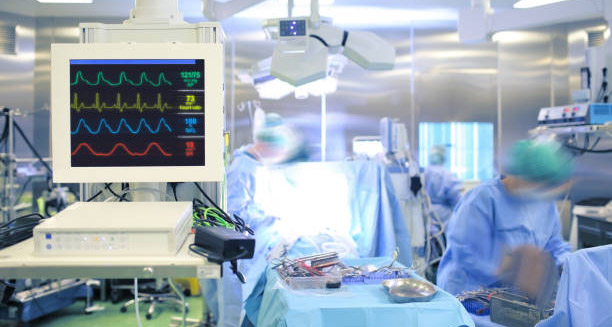
Cardiac monitor displaying vital signs during heart surgery, indicating severe heart complications

Complications of Heart Failure

Complications of Heart Failure The complications of heart failure can be wide-ranging and severe, often involving multiple organ systems and significantly impacting a person’s quality of life and prognosis. As the heart becomes less effective at pumping blood, other parts of the body are affected due to poor circulation, oxygen deprivation, and fluid overload. Understanding the complications of heart failure is essential to comprehensive management, as early recognition and intervention can prevent hospitalisations and extend survival. One of the most common and debilitating complications is fluid overload, resulting in symptoms such as pulmonary congestion, peripheral oedema, and ascites. When the heart cannot pump effectively, blood backs up into the lungs, causing breathlessness, particularly during exertion or while lying down. This can progress to pulmonary oedema, a life-threatening emergency marked by severe breathlessness, frothy sputum, and hypoxia. In the systemic circulation, fluid may accumulate in the legs, abdomen, and even around the liver, causing swelling, discomfort, and poor appetite. Renal impairment, or cardiorenal syndrome, is another major complication. Poor cardiac output reduces blood flow to the kidneys, impairing their ability to filter waste and regulate fluid balance. In turn, reduced kidney function can lead to fluid retention and electrolyte imbalances, which further exacerbate heart failure. This vicious cycle often results in the need for careful medication management, including reduced doses or avoidance of nephrotoxic drugs. The lungs are commonly affected in chronic heart failure. Besides pulmonary oedema, long-standing pressure overload in the pulmonary vessels can cause pulmonary hypertension, leading to right-sided heart failure (cor pulmonale). This exacerbates systemic congestion and can result in liver enlargement, gastrointestinal symptoms, and worsened kidney function. Liver dysfunction, specifically congestive hepatopathy or “cardiac cirrhosis,” may develop as a result of chronic hepatic congestion. The liver becomes engorged due to back pressure from the right side of the heart. This can lead to elevated liver enzymes, jaundice, and impaired clotting ability, complicating both medical and surgical treatment plans. Complications of Heart Failure Arrhythmias are a frequent and dangerous complication of heart failure. Atrial fibrillation is particularly common and increases the risk of stroke due to blood stasis in the atria. Ventricular arrhythmias, such as ventricular tachycardia or fibrillation, are potentially fatal and account for many cases of sudden cardiac death in patients with severe systolic dysfunction. These arrhythmias may require the use of implantable defibrillators or antiarrhythmic drugs for management. Stroke is another serious risk in individuals with heart failure, particularly when associated with atrial fibrillation. Blood clots can form in the atria due to stagnant blood flow, and if one travels to the brain, it can cause an ischaemic stroke. This often results in significant long-term disability or death. Anticoagulation therapy is frequently used in high-risk patients to reduce this threat. Cognitive impairment and depression are often under-recognised complications. Reduced cardiac output and perfusion to the brain can contribute to memory issues, confusion, and decreased executive functioning, particularly in older adults. The psychological burden of living with a chronic, life-limiting illness also contributes to depression and anxiety, which in turn are associated with worse outcomes, including higher hospitalisation and mortality rates. Malnutrition is another concern. Chronic fatigue, early satiety due to ascites, gastrointestinal congestion, and the catabolic effects of heart failure can all contribute to weight loss and muscle wasting—a condition known as cardiac cachexia. This is a strong negative prognostic indicator and is difficult to reverse, especially in advanced stages. Complications of Heart Failure Thromboembolism is an additional danger in heart failure patients. Blood that moves slowly through weakened heart chambers is more likely to clot. These clots can dislodge and travel to the lungs (pulmonary embolism), brain (stroke), or limbs, causing significant damage. This is especially problematic in patients with dilated cardiomyopathy or significant wall motion abnormalities following a myocardial infarction. Frequent hospitalisations are among the most disruptive complications. Many patients experience repeated admissions due to fluid overload, arrhythmias, or infections. Each hospitalisation is associated with further cardiac decompensation, emotional distress, and increased risk of mortality. It is also financially burdensome and often leads to the need for more intensive outpatient care or home support. Medication complications can also arise due to the complex drug regimens involved in treating heart failure. Diuretics can cause dehydration, electrolyte imbalances, or kidney dysfunction. ACE inhibitors and ARBs may lead to cough, hypotension, or elevated potassium. Polypharmacy increases the risk of drug interactions and nonadherence, especially in elderly patients. Infections, particularly respiratory infections, can trigger decompensation in vulnerable individuals. Pneumonia, influenza, or even urinary tract infections can lead to rapid fluid shifts, fever, and increased metabolic demand—overwhelming a heart already operating at reduced capacity. Preventive measures such as vaccination and early treatment of infections are crucial. In advanced cases, patients may develop refractory heart failure, where symptoms persist despite optimal medical and device therapy. These individuals often require palliative care for symptom relief and end-of-life planning. Hospice support may focus on comfort, dignity, and emotional support rather than curative interventions. Lastly, sudden cardiac death is one of the most feared complications of heart failure. Without warning, an individual may collapse due to a fatal arrhythmia. This underscores the importance of risk stratification and considering implantable cardioverter-defibrillators (ICDs) in patients with low ejection fraction or other high-risk features. Complications of Heart Failure In conclusion, the complications of heart failure span a wide range of physiological, emotional, and logistical challenges. From organ dysfunction and arrhythmias to cognitive decline and frequent hospitalisations, each complication significantly influences prognosis and quality of life. Proactive, multidisciplinary management is essential to prevent or minimise these effects, allowing patients to maintain stability and independence for as long as possible. [Next: Prevention of Heart Failure →]

Complications of Heart Failure Read More »

Scroll to Top