Mental Matters

Author name: admin

Heart-shaped bowl filled with healthy foods surrounded by fitness equipment for heart failure prevention

Prevention of Heart Failure

Prevention of Heart Failure The prevention of heart failure is one of the most important priorities in modern medicine, especially as cardiovascular risk factors become more prevalent worldwide. With early intervention and the right strategies, it is possible to reduce the risk of developing heart failure—even in individuals with a family history or existing heart disease. The prevention of heart failure depends on addressing modifiable lifestyle factors, managing chronic conditions effectively, and promoting public awareness of cardiovascular health. At its core, heart failure is a result of prolonged stress or damage to the heart muscle. Most of this damage arises from conditions like hypertension, coronary artery disease, diabetes, and lifestyle habits such as smoking, poor diet, and physical inactivity. Preventing heart failure requires identifying these risk factors early and treating them with a comprehensive and sustained approach. Maintaining healthy blood pressure is one of the most effective ways to prevent heart failure. High blood pressure increases the workload of the heart, causing the muscle to thicken and stiffen over time. This process can lead to both systolic and diastolic dysfunction. Adults should aim for a blood pressure reading below 120/80 mmHg. Regular screening—especially for those over 40 or with a family history—is crucial, as hypertension often has no obvious symptoms. Prevention of Heart Failure Heart-healthy nutrition plays a central role in prevention. Diets rich in fruits, vegetables, whole grains, legumes, and lean proteins support vascular health and maintain a healthy weight. Reducing salt intake to under 2 grams per day can help control blood pressure and reduce fluid retention. Saturated fats, trans fats, and processed sugars should be limited, while heart-protective fats (like those found in fish, nuts, and olive oil) are encouraged. The Mediterranean and DASH diets have both been shown to reduce cardiovascular risk and improve heart function. Regular physical activity strengthens the heart and improves circulation, cholesterol levels, and insulin sensitivity. Adults should engage in at least 150 minutes of moderate aerobic activity each week, such as brisk walking, swimming, or cycling. Exercise not only reduces the risk of heart failure but also improves mental well-being and reduces inflammation throughout the body. For those at risk or living with comorbidities, supervised programmes such as cardiac rehabilitation are ideal. Quitting smoking is one of the most powerful tools for the prevention of heart failure. Tobacco damages blood vessels, raises blood pressure, promotes plaque buildup in arteries, and increases the risk of arrhythmias. The cardiovascular benefits of quitting smoking begin almost immediately and continue to improve over time. Even exposure to second-hand smoke significantly raises heart failure risk. Weight management is also key. Obesity contributes to nearly every major risk factor for heart failure, including hypertension, type 2 diabetes, sleep apnoea, and elevated cholesterol. Even modest weight loss can lower blood pressure and reduce the burden on the heart. Long-term success is best achieved through a combination of dietary improvements, physical activity, behavioural support, and—when needed—medical or surgical interventions. Prevention of Heart Failure Diabetes control is vital in reducing heart failure risk. Persistently high blood sugar damages blood vessels and the heart muscle itself, leading to diabetic cardiomyopathy even in the absence of coronary artery disease. Good glycaemic control through lifestyle measures and medications such as metformin, SGLT2 inhibitors, or GLP-1 receptor agonists has been shown to reduce the incidence of heart failure in people with type 2 diabetes. Managing cholesterol levels helps prevent the development of atherosclerosis, which can cause coronary artery disease and heart attacks—two major precursors of heart failure. Lipid-lowering medications like statins may be prescribed for those with high LDL cholesterol, family history of cardiovascular disease, or existing plaque in arteries. Regular cholesterol screenings allow for early intervention. Stress reduction and mental health support also contribute to heart failure prevention. Chronic stress raises levels of cortisol and adrenaline, which elevate heart rate and blood pressure over time. Stress is also linked to unhealthy coping mechanisms like overeating, smoking, or alcohol misuse. Techniques such as mindfulness, cognitive behavioural therapy, yoga, and adequate sleep are valuable tools in maintaining emotional and cardiovascular health. Alcohol consumption should be kept within recommended limits—or avoided altogether. Excessive alcohol intake can lead to high blood pressure, arrhythmias, and alcoholic cardiomyopathy. When consumed, alcohol should be limited to one drink per day for women and two for men, though even moderate intake should be approached with caution in high-risk individuals. Prevention of Heart Failure Sleep health is often overlooked but plays a key role in preventing heart failure. Conditions such as obstructive sleep apnoea increase cardiovascular strain by causing intermittent oxygen deprivation and blood pressure surges during the night. Anyone who experiences loud snoring, daytime sleepiness, or frequent waking should be evaluated with a sleep study. Treating sleep apnoea with devices like CPAP can reduce heart failure risk, especially in patients with concurrent hypertension or obesity. Vaccination is an important preventive measure for vulnerable individuals, particularly older adults or those with chronic conditions. Infections like influenza and pneumonia can trigger decompensation in individuals with underlying heart dysfunction or silently contribute to cardiac damage. Annual flu shots and pneumococcal vaccines are recommended to lower risk. Regular medical check-ups are essential for early detection of emerging risk factors or asymptomatic conditions. Blood pressure, cholesterol, glucose levels, weight, and family history should be assessed regularly, particularly for individuals over 40 or those with a known history of cardiovascular disease. Public health strategies also play a crucial role. Campaigns that promote heart health, regulate tobacco and food industries, and improve access to care can have widespread benefits in reducing heart failure rates across populations. Community-based screening programmes and employer wellness initiatives offer additional opportunities for prevention. For people who already have risk factors or mild structural heart abnormalities, secondary prevention becomes the focus. This involves more aggressive lifestyle changes. Early pharmacological intervention (e.g., use of ACE inhibitors in high-risk patients), and closer monitoring by healthcare professionals. When applied effectively, these measures can delay or prevent progression to symptomatic heart failure. Prevention of Heart Failure In

Prevention of Heart Failure Read More »

Smiling woman holding a red heart-shaped object, symbolising positive heart health outlook

Outlook for Heart Failure

Outlook for Heart Failure The outlook for heart failure has improved significantly in recent decades due to advances in medication, diagnostics, surgical procedures, and patient education. While heart failure remains a serious and chronic condition, many people are now able to live long, fulfilling lives with careful management. The outlook for heart failure varies depending on numerous factors, including the cause of the condition, how early it is diagnosed, the patient’s response to treatment, and the presence of other health conditions. For patients with mild or well-managed heart failure—particularly those with heart failure with preserved ejection fraction (HFpEF)—the prognosis can be quite good. With consistent lifestyle changes, adherence to medications, and regular follow-ups, many people maintain stable heart function for years. These patients often live active, independent lives and avoid frequent hospitalisations. For those with heart failure with reduced ejection fraction (HFrEF), the outlook for heart failure has also improved thanks to newer medications such as ARNI (angiotensin receptor-neprilysin inhibitors), SGLT2 inhibitors, and modern beta-blockers. These treatments not only relieve symptoms but also slow disease progression, reduce hospital readmissions, and significantly increase survival. Many patients experience a measurable improvement in ejection fraction and quality of life when treatment is optimised and followed carefully. Device therapy also enhances the outlook for eligible individuals. Implantable cardioverter-defibrillators (ICDs) help prevent sudden cardiac death by correcting life-threatening arrhythmias, while cardiac resynchronisation therapy (CRT) improves coordination of the heart’s pumping action. In selected patients, these devices significantly extend life expectancy and reduce hospital admissions. For people with advanced symptoms, left ventricular assist devices (LVADs) and heart transplants can be life-saving options. Outlook for Heart Failure However, the prognosis becomes more guarded in people with advanced-stage heart failure (often referred to as Stage D or NYHA Class IV). These individuals experience symptoms at rest, struggle with daily activities, and frequently require hospital-level care. In such cases, life expectancy can be limited, particularly if the patient has additional complications like kidney failure, diabetes, or chronic lung disease. Nevertheless, palliative interventions and supportive care can provide comfort, dignity, and improved quality of life even in later stages. The outlook for heart failure is also influenced by patient behaviour. Those who monitor their weight daily, follow a low-sodium diet, take medications as prescribed, avoid tobacco and alcohol, and attend regular medical appointments tend to have significantly better outcomes than those who do not. Studies have shown that consistent self-management can halve the rate of hospitalisation and reduce overall mortality. Comorbid Conditions Comorbid conditions can affect prognosis considerably. For example, individuals with poorly controlled diabetes or persistent high blood pressure may experience faster disease progression. Similarly, untreated sleep apnoea, depression, and anaemia can worsen symptoms and increase cardiovascular risk. Integrated care models—where cardiologists, endocrinologists, nephrologists, and other specialists work collaboratively—offer the best approach for managing complex cases. Age is another factor. While older adults are more likely to develop heart failure, they may also have additional frailty, cognitive impairment, or social limitations that affect management. Despite this, many older patients achieve good symptom control and remain independent with the right care and support. Geriatric-focused heart failure clinics can be particularly beneficial in this population. In contrast, younger patients—particularly those with inherited cardiomyopathies or post-viral myocarditis—may face a very different trajectory. Early diagnosis and aggressive management can often return them to near-normal function. In some cases, they may even discontinue certain medications over time under close supervision. However, lifelong monitoring is still necessary due to the risk of relapse or long-term damage. Outlook for Heart Failure A critical element that influences the outlook for heart failure is socioeconomic status and access to care. Individuals without consistent access to healthcare, medications, and nutritional support often fare worse. Delays in diagnosis, medication nonadherence due to cost, and lack of transportation for follow-ups all contribute to higher mortality and hospitalisation rates in underserved communities. Addressing these inequalities through public health initiatives, community programmes, and improved healthcare access is essential for improving outcomes across all populations. Technology continues to transform how heart failure is managed—and its impact on outlook is substantial. Wearable devices, remote monitoring tools, and smartphone apps now allow patients and clinicians to detect early signs of decompensation before they become critical. These tools help prevent hospital admissions, tailor treatment in real-time, and encourage more proactive patient behaviour. Telehealth has also made it easier for patients in remote or rural areas to receive specialist care, further improving outcomes. The emotional and psychological impact of heart failure should not be underestimated. Chronic illness can cause depression, anxiety, and social withdrawal, all of which can worsen physical symptoms and reduce adherence to treatment. However, mental health support, counselling, and peer groups can help patients build resilience, stay engaged, and maintain a positive outlook—even in the face of chronic disease. Looking ahead, the future for heart failure patients is increasingly hopeful. Clinical trials are exploring novel therapies such as gene editing, stem cell regeneration, and targeted molecular treatments. Advances in imaging and artificial intelligence are enabling earlier detection, better risk stratification, and more personalised care. Outlook for Heart Failure In conclusion, the outlook for heart failure depends on early diagnosis, consistent management, access to care, and the presence of other health conditions. While heart failure remains a serious diagnosis, it is no longer a hopeless one. With the right treatment and lifestyle strategies, many individuals can live well for years—even decades—after diagnosis. Empowered patients who actively participate in their care have the best chance of living longer, healthier, and more meaningful lives. [Next: Back to Overview →]

Outlook for Heart Failure Read More »

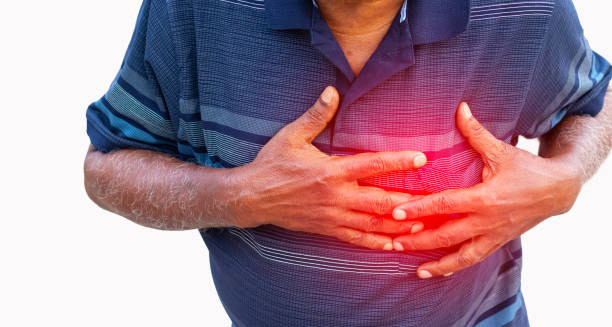
Man clutching his chest in pain with a red glow indicating heart disease symptoms

Heart Disease

Heart Disease Heart disease, also known as cardiovascular disease, encompasses a wide range of conditions that affect the heart’s structure and function. These include coronary artery disease, arrhythmias, congenital heart defects, cardiovascular failure, and valvular disorders. This disease remains the leading cause of death globally, responsible for millions of fatalities each year. Furthermore, it poses a significant burden on healthcare systems worldwide. People often use the term heart disease interchangeably with coronary artery diseases (CAD). CAD refers to the narrowing or blockage of the coronary arteries. Which happens when plaque builds up due to a condition called atherosclerosis. However, this disease is a broader category that includes any disorder affecting the cardiovascular muscle, valves, electrical system, or blood supply. It can develop slowly over time or present suddenly. Additionally, symptoms can range from subtle fatigue and shortness of breath to chest pain and cardiac arrest. Heart Disease This disease can affect people of all ages. However, the risk increases as people get older. In addition, certain factors make the risk even higher, including smoking, high blood pressure, high cholesterol, diabetes, obesity, a sedentary lifestyle, poor diet, and a family history of the disease. Early detection and management are key to reducing complications and improving life expectancy. Preventive strategies, including lifestyle modification and medication, play a crucial role in halting disease progression and promoting cardiovascular health. Prevention and Early Detection Preventive strategies, such as regular physical activity, a cardio-healthy diet, and routine medical checkups, can significantly reduce the risk of heart disease. Early detection through screening for high blood pressure, cholesterol, and diabetes allows for timely interventions. Lifestyle changes such as quitting smoking and managing stress levels can also be crucial in preventing the development of cardiovascular conditions. Managing Heart Disease For individuals already diagnosed with this disease, managing the condition is essential for maintaining quality of life. Medication, surgical interventions, and lifestyle adjustments are key to controlling symptoms and improving heart function. Regular follow-ups with healthcare providers, coupled with adherence to prescribed treatments, can make a significant difference in outcomes and help prevent complications like heart failure or stroke. [Next: Causes of Heart Disease →]

Heart Disease Read More »

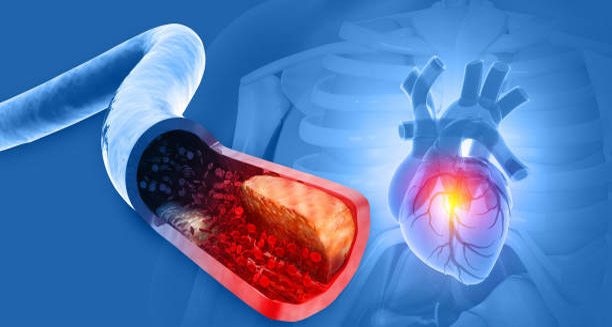
3D illustration showing blocked artery leading to heart with glowing damage zone

Causes of Heart Disease

Causes of Heart Disease The causes of heart disease are complex and multifactorial, involving genetic, environmental, and lifestyle factors. Understanding the causes of heart disease is critical for effective prevention and treatment. The most common cause is atherosclerosis, a condition where plaque—composed of fat, cholesterol, calcium, and other substances—builds up in the arterial walls, narrowing the arteries and restricting blood flow. This process often begins in childhood and progresses silently over decades. Eventually, it may lead to heart attacks, angina, or strokes. Other major causes include: Hypertension (high blood pressure): Chronic pressure on artery walls can damage blood vessels and increase the heart’s workload, contributing to heart failure and other complications. Diabetes: High blood sugar levels damage blood vessels and the nerves that control the heart. Smoking: Tobacco use promotes atherosclerosis, increases blood pressure, reduces oxygen supply, and contributes to clot formation. High cholesterol: Especially elevated levels of low-density lipoprotein (LDL) cholesterol, which promotes plaque accumulation. Obesity: Excess body fat is associated with high blood pressure, diabetes, and lipid abnormalities, all of which increase cardiovascular risk. Physical inactivity: Sedentary behaviour weakens the heart muscle and is linked to numerous metabolic and vascular disorders. Unhealthy diet: Diets high in saturated fats, trans fats, salt, and sugar contribute to inflammation, atherosclerosis, and weight gain. Stress and poor mental health: Chronic stress, depression, and anxiety can raise cortisol levels and affect heart rate and blood pressure regulation. Causes of Heart Disease Genetics and congenital conditions also play a role. Some people are born with structural heart defects, abnormal heart rhythms, or inherited disorders like hypertrophic cardiomyopathy or familial hypercholesterolemia, which significantly raise the risk of heart disease. Infections, including viral myocarditis and rheumatic fever, and autoimmune conditions like lupus can inflame or damage heart tissues, leading to dysfunction. Additionally, certain medications, recreational drugs, and exposure to toxins may also contribute to cardiac injury. Ultimately, the causes of heart disease are closely connected. Because of this, it’s crucial to adopt a comprehensive prevention strategy. This strategy should include changes in lifestyle, behavior, and medical treatments. By addressing all these areas, people can significantly reduce the burden of heart disease. [Next: Diagnosis of Heart Disease →]

Causes of Heart Disease Read More »

Doctor using stethoscope to examine patient's chest during heart disease evaluation

Diagnosis of Heart Disease

Diagnosis of Heart Disease The diagnosis of heart disease involves a thorough evaluation of the patient’s symptoms. Additionally, medical history, lifestyle, and risk factors, combined with a series of diagnostic tests to confirm the presence and type of cardiovascular condition. Early and accurate diagnosis of heart disease is essential for initiating appropriate treatment, preventing complications, and improving long-term outcomes. The diagnostic process often begins with a detailed medical history.Including any family history of heart disease, and an assessment of lifestyle factors such as smoking, diet, physical activity, and stress levels. Common symptoms prompting further investigation include chest pain, shortness of breath, palpitations, dizziness, fatigue, and swelling in the legs or abdomen. A doctor performs a physical examination to check for signs, such as an irregular heartbeat. Abnormal heart sounds, high blood pressure, or signs of fluid retention. Doctors commonly use the following tests based on clinical suspicion: Electrocardiogram Electrocardiogram (ECG or EKG): Records the heart’s electrical activity and can detect arrhythmias. Previous heart attacks, or evidence of strain on the heart muscle. Echocardiogram: Uses ultrasound waves to create detailed images of the heart’s structure and function, assessing valve integrity, wall motion, and ejection fraction. Blood tests: Check for markers of heart damage (e.g., troponins), inflammation (CRP), lipid profiles (cholesterol levels), and blood sugar. Stress testing: Evaluates how the heart responds to physical exertion, helping uncover blockages or arrhythmias that occur during activity. Chest X-ray: Offers insight into heart size and lung fluid levels, which may indicate heart failure. Coronary angiography: An invasive procedure using contrast dye and X-rays to visualise blockages in coronary arteries. Cardiac CT or MRI: Provides detailed anatomical views of the heart and vessels. Often used to evaluate congenital defects, tumours, or complex conditions. Holter monitors or event recorders may be used to capture intermittent rhythm disturbances over several days or weeks. In patients with suspected congenital or inherited conditions, genetic testing and family screening may be indicated. Diagnosis of Heart Disease In summary, the diagnosis of heart disease relies on a combination of clinical evaluation and advanced testing to accurately identify the nature and extent of cardiac involvement. Prompt diagnosis ensures that treatment can be started early, improving prognosis and reducing the risk of severe cardiovascular events.[Next: Symptoms of Heart Disease →]

Diagnosis of Heart Disease Read More »

Older man coughing and clutching chest while sitting, showing symptoms of heart disease

Symptoms of Heart Disease

Symptoms of Heart Disease The symptoms of heart disease vary depending on the specific condition involved. Whether it’s coronary artery disease, arrhythmia, heart failure, or valvular disease—but many signs overlap and may initially be subtle. Recognising the symptoms of heart disease is critical for early intervention, timely treatment, and improved outcomes. One of the most common and well-known symptoms is chest pain or discomfort, also known as angina. This often presents as pressure, tightness, or squeezing in the chest, and may radiate to the arms, neck, jaw, back, or stomach. It is typically triggered by physical exertion or emotional stress and relieved by rest. In some cases, the pain may be mistaken for indigestion or muscle strain. Symptoms of Heart Disease Shortness of breath is another hallmark symptom, often indicating that the heart is struggling to pump effectively. It may occur during activity or at rest, and in severe cases. Patients may experience difficulty breathing while lying flat, a sign of fluid accumulation from heart failure. Other common symptoms include: Palpitations: A sensation of fluttering, pounding, or irregular heartbeats, often associated with arrhythmias. Fatigue: A general sense of tiredness, especially during or after physical activity, due to the heart’s reduced ability to circulate oxygen-rich blood. Swelling (oedema): Most noticeable in the legs, ankles, or abdomen, this can result from fluid buildup associated with heart failure. Dizziness or light-headedness: These symptoms may reflect reduced blood flow to the brain, especially in cases of arrhythmia or severe heart failure. Fainting (syncope): Can occur due to sudden drops in blood pressure or abnormal heart rhythms that temporarily disrupt circulation. Persistent coughing or wheezing: Often due to fluid buildup in the lungs in patients with heart failure. Symptoms of Heart Disease In some individuals—particularly women, older adults, and those with diabetes—symptoms may be atypical or silent. These can include nausea, jaw pain, back discomfort, unexplained fatigue, or general malaise, sometimes occurring without obvious chest pain. Silent heart disease is especially dangerous because it may go undetected until a major event like a heart attack or stroke occurs. Children and young adults with congenital heart disease may present with poor growth, cyanosis (bluish skin), rapid breathing, or difficulty feeding and thriving. Because the symptoms of heart disease can mimic other conditions or appear gradually, it’s important not to ignore early warning signs. Anyone experiencing persistent or unexplained symptoms—especially chest pain, shortness of breath, or sudden weakness—should seek medical attention promptly. [Next: Treatment of Heart Disease →]

Symptoms of Heart Disease Read More »

Doctor holding a red heart model and checking it with a stethoscope at a desk

Treatment of Heart Disease

Treatment of Heart Disease The treatment of heart disease varies widely depending on the type and severity of the condition, but the primary goals are to relieve symptoms, prevent complications, improve quality of life, and prolong survival. Successful treatment of heart disease often requires a combination of lifestyle changes, medication, medical procedures, and ongoing monitoring. For many patients, treatment starts with making lifestyle changes. First, they should quit smoking and switch to a heart-healthy diet, which includes plenty of fruits, vegetables, whole grains, and lean proteins. In addition, increasing physical activity, managing stress, limiting alcohol, and maintaining a healthy weight are all key steps. Not only do these changes help slow the progression of heart disease, but, in some cases, they can even partially reverse its effects. As a result, patients may notice significant improvements in their overall health. Medication is a cornerstone of treatment. Depending on the specific condition, doctors may prescribe: Antihypertensives: Such as ACE inhibitors, beta-blockers, or calcium channel blockers to lower blood pressure. Statins and lipid-lowering agents: To reduce cholesterol and prevent plaque buildup. Antiplatelet drugs or anticoagulants: To prevent clot formation and reduce the risk of heart attack and stroke. Diuretics: To reduce fluid retention in heart failure. Antiarrhythmics: To correct irregular heartbeats. Nitrates: To relieve chest pain and improve blood flow. Treatment of Heart Disease For individuals with advanced or life-threatening heart disease, medical procedures or surgery may be necessary. These include: Angioplasty and stenting: To open blocked arteries and restore blood flow. Coronary artery bypass grafting (CABG): A surgical procedure that reroutes blood around blocked arteries. Pacemaker implantation: For individuals with arrhythmias or heart block. Implantable cardioverter-defibrillators (ICDs): To prevent sudden cardiac death in those at high risk of ventricular arrhythmias. Valve repair or replacement: For those with valvular heart disease. Heart transplant: In end-stage heart failure unresponsive to other treatments. Cardiac rehabilitation is a structured programme offered to many patients after a heart attack, surgery, or heart failure diagnosis. It includes supervised exercise, education, counselling, and lifestyle guidance to optimise recovery and reduce future risk. Treatment of Heart Disease Regular follow-up and monitoring are essential for managing chronic heart disease. Patients often undergo routine blood work, blood pressure checks, ECGs, echocardiograms, and medication adjustments. Mobile health apps and wearable devices are increasingly used to track symptoms and provide remote monitoring. In summary, the treatment of heart disease requires a personalised, multidisciplinary approach. With proper management, many individuals can live full, active lives, significantly reducing the risk of future cardiovascular events. [Next: Complications of Heart Disease →]

Treatment of Heart Disease Read More »

Doctor checking an elderly man's blood pressure, monitoring for heart disease complications

Complications of Heart Disease

Complications of Heart Disease The complications of heart disease can be serious, progressive, and sometimes fatal if not properly managed. These complications affect not only the heart itself but also other vital organs, such as the brain, kidneys, liver, and lungs. Recognising and managing the complications of heart disease is essential to improving long-term health outcomes and quality of life for those affected. One of the most common complications is heart failure. This occurs when the heart becomes too weak or stiff to pump blood effectively. As a result, organs and tissues do not receive enough oxygen and nutrients to function properly. Heart failure can develop suddenly (acute) or worsen over time (chronic). Patients often experience symptoms such as shortness of breath, fatigue, swelling in the legs, and weight gain due to fluid retention. It is a leading cause of hospitalisation in older adults and often requires long-term medication and lifestyle adjustments to manage. Another major complication is a heart attack, or myocardial infarction. This happens when one or more of the coronary arteries becomes blocked, cutting off oxygen supply to part of the heart muscle. Without quick treatment, the affected tissue begins to die, leading to permanent damage. Survivors of heart attacks are at high risk of developing further complications, such as arrhythmias and heart failure. Early rehabilitation and secondary prevention strategies are crucial to avoid recurrence. Complications of Heart Disease Arrhythmias, or irregular heartbeats, are frequently seen in people with heart disease. Some arrhythmias are relatively harmless, but others—like atrial fibrillation or ventricular tachycardia—can be dangerous or even life-threatening. Atrial fibrillation, in particular, increases the risk of stroke due to the formation of blood clots in the heart’s upper chambers. Treatment may involve medications, pacemakers, or catheter ablation. Stroke is one of the most feared complications of heart disease. It often results from embolic events in patients with arrhythmias such as atrial fibrillation or due to atherosclerosis in the carotid arteries. A stroke can lead to lasting neurological damage, speech difficulties, loss of mobility, and cognitive impairment. Immediate intervention and long-term rehabilitation are essential for recovery. Another serious risk is sudden cardiac arrest, which differs from a heart attack. It occurs when the heart suddenly stops beating due to a severe arrhythmia, usually ventricular fibrillation. Without rapid defibrillation, sudden cardiac arrest is almost always fatal. It is one of the leading causes of unexpected death in individuals with undiagnosed or poorly managed heart conditions. Implantable cardioverter-defibrillators (ICDs) are often recommended for those at high risk. Kidney damage is a common but less widely recognised complication. The heart and kidneys are closely linked through the circulatory system. When heart function is compromised, blood flow to the kidneys may decrease, leading to a condition known as cardiorenal syndrome. This can result in the accumulation of waste products, fluid overload, and worsening heart failure. Complications of Heart Disease Liver congestion may occur in advanced cases of heart failure, particularly when the right side of the heart is affected. This leads to a backup of blood in the veins, causing the liver to become enlarged and congested. Over time, this can lead to fibrosis and impaired liver function, a condition sometimes referred to as “cardiac cirrhosis.” Valvular complications are another concern, especially in individuals with rheumatic heart disease or degenerative valve conditions. Diseased valves can become narrowed (stenosis) or leaky (regurgitation), disrupting normal blood flow and placing added stress on the heart. Surgical repair or replacement is often necessary in severe cases. Peripheral artery disease (PAD) is a form of atherosclerosis that affects arteries outside the heart, particularly those supplying the legs and feet. It causes pain when walking (claudication), poor wound healing, and in severe cases, gangrene. PAD is strongly associated with coronary artery disease and increases the risk of heart attack and stroke. Psychological complications are also common. Depression and anxiety frequently affect individuals with heart disease, especially after major events like a heart attack or surgery. These mental health issues can negatively impact recovery by reducing motivation, interfering with medication adherence, and increasing physiological stress on the heart. Complications of Heart Disease In addition to the direct physical complications, people with heart disease are at increased risk of cognitive decline and dementia, possibly due to reduced blood flow to the brain or shared risk factors such as hypertension and diabetes. Monitoring cognitive function and promoting brain health is an important part of comprehensive cardiovascular care in older adults. For women, pregnancy-related complications can also arise if heart disease is present. Conditions like peripartum cardiomyopathy can develop late in pregnancy or shortly after delivery. Pre-existing heart disease can pose significant risks during labour and delivery, requiring careful monitoring by a multidisciplinary team. Finally, hospital readmissions and reduced quality of life are major concerns for people living with heart disease. Repeated hospitalisations due to symptom flare-ups or complications are emotionally and financially burdensome. These repeated health crises can disrupt daily routines and cause ongoing fear and uncertainty. In conclusion, the complications of heart disease can extend far beyond the heart itself. From life-threatening events like stroke and sudden cardiac arrest to chronic issues like kidney failure, liver congestion, and psychological distress, the burden is extensive. Proactive management, routine monitoring, and a patient-centred care approach are essential in minimising these complications and improving long-term outcomes. [Next: Prevention of Heart Disease →]

Complications of Heart Disease Read More »

Apple with heartbeat and heart icon symbolising heart disease prevention

Prevention of Heart Disease

Prevention of Heart Disease The prevention of heart disease is one of the most important public health goals worldwide. Given that cardiovascular conditions remain the leading cause of death globally. Strategies aimed at reducing the risk of developing heart disease are critical. The prevention of heart disease involves addressing modifiable lifestyle factors. Managing existing health conditions, and promoting early detection of potential warning signs before they progress into serious illness. A heart-healthy lifestyle is the cornerstone of prevention. Diet plays a major role in cardiovascular health. Individuals are encouraged to adopt a balanced, nutrient-rich diet. That includes a variety of fruits, vegetables, whole grains, legumes, lean proteins (especially fish), and healthy fats such as those found in nuts, seeds, and olive oil. The Mediterranean diet, in particular, has been shown to reduce the risk of heart disease. Limiting the intake of saturated fats, trans fats, salt (sodium), and added sugars helps control blood pressure, cholesterol, and weight—all major contributors to cardiovascular risk. Regular physical activity is another key pillar. Adults should aim for at least 150 minutes of moderate-intensity aerobic exercise (such as brisk walking or cycling) or 75 minutes of vigorous exercise (like running or swimming) each week. Exercise helps maintain a healthy weight, lowers blood pressure, improves cholesterol profiles, and boosts insulin sensitivity. It also strengthens the heart muscle and enhances overall cardiovascular endurance. Prevention of Heart Disease Tobacco cessation is one of the most impactful changes a person can make. Smoking damages blood vessels, reduces oxygen in the blood, increases blood pressure, and accelerates the buildup of plaque in arteries. Even exposure to second-hand smoke significantly increases risk. Quitting smoking dramatically reduces the risk of heart disease—regardless of how long someone has smoked—and benefits can be seen within weeks of cessation. Alcohol consumption should be moderated. Excessive drinking can lead to high blood pressure, weight gain, heart rhythm problems, and other cardiovascular issues. If consumed at all, alcohol should be limited to no more than one standard drink per day for women and two for men. Some studies have suggested that moderate alcohol intake (particularly red wine) might have a protective effect. However, these findings are not consistent and do not outweigh the risks associated with overconsumption. Weight management is also essential in the prevention of heart disease. Being overweight or obese significantly increases the likelihood of developing high blood pressure, high cholesterol, and type 2 diabetes—all of which strain the cardiovascular system. Even a modest weight loss of 5–10% of total body weight can have substantial benefits for heart health. Sustainable weight loss is best achieved through a combination of dietary changes, increased physical activity, and behavioural strategies. Prevention of Heart Disease Managing chronic conditions is critical. High blood pressure, high cholesterol, and diabetes are three of the most significant risk factors for heart disease. These conditions often have no noticeable symptoms until serious damage has occurred, making regular check-ups vital. Lifestyle interventions are typically the first step in managing these conditions, but many individuals may also require medication. Adhering to prescribed treatments and attending follow-up appointments are essential components of effective prevention. Stress reduction and mental health play a role too. Chronic stress, depression, and anxiety can contribute to high blood pressure and unhealthy coping mechanisms such as overeating, drinking, or smoking. Mindfulness practices, therapy, physical activity, and adequate rest can help manage stress levels and support emotional well-being, which in turn benefits heart health. Routine health screenings and assessments should begin early, especially for those with a family history of heart disease. Regular monitoring of blood pressure, cholesterol levels, blood glucose, and body mass index (BMI) allows for the early detection of risk factors. Early intervention—through lifestyle changes, medication, or both—can prevent progression to full-blown cardiovascular disease. Sleep quality is an often-overlooked factor in cardiovascular prevention. Poor sleep or sleep disorders like obstructive sleep apnoea have been associated with higher blood pressure, irregular heart rhythms, and increased inflammation. Adults should aim for 7–9 hours of quality sleep each night. Those who snore heavily or wake feeling unrefreshed may benefit from a sleep study. Community and workplace wellness programmes can support the prevention of heart disease on a broader scale. These initiatives promote healthy eating, physical activity, smoking cessation, and health education in group settings, improving outcomes for entire populations. Public health policies that reduce access to tobacco, regulate food labelling, and encourage active transport (like walking or cycling infrastructure) also contribute significantly to national heart health. Prevention of Heart Disease Technology can also play a valuable role. Fitness trackers, health apps, and digital coaching tools help individuals monitor their physical activity, sleep, nutrition, and medication adherence. Telehealth services allow for more frequent contact with healthcare providers, especially for those in remote or underserved areas. For high-risk individuals—such as those with strong family histories or multiple risk factors—preventive cardiology clinics offer advanced assessments, including genetic testing, coronary calcium scoring, and more intensive lifestyle management. These tailored services aim to prevent the first occurrence of a heart attack or stroke, rather than reacting once damage has occurred. Importantly, the prevention of heart disease is not a one-time effort but an ongoing commitment. Habits must be sustained over the long term to remain effective. Healthcare providers should empower patients through education, motivation, and support systems that make long-term lifestyle changes realistic and sustainable. In conclusion, the prevention of heart disease requires a comprehensive, multi-faceted approach that combines individual lifestyle changes, regular medical care, community support, and policy-level interventions. With consistent effort, most cases of heart disease can be prevented or significantly delayed, allowing people to enjoy longer, healthier lives.[Next: Outlook for Heart Disease →]

Prevention of Heart Disease Read More »

Doctor listening to elderly woman’s chest with stethoscope during heart health check-up

Outlook for Heart Disease

Outlook for Heart Disease The outlook for heart disease has improved significantly over the past few decades due to advances in medical research, early detection, public health campaigns, and improved treatment protocols. However, the global burden of cardiovascular disease remains high. Furthermore, outcomes can vary widely depending on the type of heart disease, how early it is diagnosed, and how well it is managed. Understanding the outlook for heart disease helps individuals and families plan for long-term health and quality of life. For many patients, especially those diagnosed early and who adhere to treatment recommendations, the prognosis is favourable. Lifestyle changes combined with medication and regular medical care can halt or even reverse the progression of conditions such as coronary artery disease and high blood pressure. People who maintain heart-healthy behaviours—such as regular exercise. Not smoking and managing stress—can often live normal or near-normal lifespans despite having cardiovascular risk factors. In coronary artery disease, which is the most common form of heart disease, early intervention after events like angina or heart attacks is key. Patients who receive timely angioplasty, stent placement, or bypass surgery often recover well. With consistent follow-up care and risk factor management, these individuals can significantly reduce their chance of recurrent events. Outlook for Heart Disease The outlook for heart disease is also promising for those living with heart failure, especially in the early stages. Modern medications such as ACE inhibitors, beta-blockers, ARNI drugs, and SGLT2 inhibitors have dramatically improved outcomes by enhancing heart function and reducing hospitalisation rates. Device therapy—like pacemakers and defibrillators—also helps stabilise cardiac rhythm and prevent sudden death in high-risk patients. Many people with heart failure live for years with good quality of life when treatment plans are closely followed. On the other hand, individuals with advanced heart disease, multiple comorbidities, or poor access to healthcare may face a more challenging outlook. Late-stage heart failure, recurrent arrhythmias, or extensive coronary artery disease may result in a higher risk of hospitalisation, physical disability, and reduced life expectancy. In these cases, palliative care and heart transplant may be considered, although not all patients are eligible due to age or health status. Valvular heart disease outcomes depend largely on the severity of the valve defect and the timeliness of repair or replacement. Surgical and catheter-based interventions have excellent long-term success rates when performed before irreversible heart damage occurs. Aortic valve replacement, for example, can drastically improve survival in patients with symptomatic aortic stenosis. Arrhythmias like atrial fibrillation (AF) have a variable prognosis depending on control of the rhythm and underlying risk factors. With good anticoagulation therapy and rhythm management, most AF patients can avoid strokes and lead active lives. More serious arrhythmias, such as ventricular tachycardia, may require closer monitoring and device implantation but are increasingly manageable with current technologies. Outlook for Heart Disease The outlook for heart disease can also be improved through structured rehabilitation and psychosocial support. Cardiac rehabilitation programmes are proven to lower mortality, improve mental well-being, and increase physical function. These services help individuals regain confidence and adapt to new lifestyles after cardiac events or surgeries. Moreover, addressing depression, anxiety, and stress—common among people with heart disease—can significantly influence recovery and long-term outcomes. For those with congenital heart defects, advances in paediatric cardiology and surgery have allowed many children to survive into adulthood. The prognosis for these individuals varies by the type and complexity of the defect, but ongoing specialist care is essential. Adults with congenital heart disease now represent a growing population who require lifelong follow-up and risk management. Population-wide improvements in the outlook for heart disease depend on access to healthcare, education, and early intervention services. In low- and middle-income countries, cardiovascular mortality remains high due to limited resources and inadequate infrastructure. Addressing these disparities through health policy, community screening, and preventive services is vital for global progress. Outlook for Heart Disease It’s also important to note that genetic and lifestyle factors intersect in determining prognosis. Even individuals with a strong family history of heart disease can improve their outlook by proactively managing diet, exercise, weight, and stress. Conversely, poor lifestyle habits can worsen outcomes even in those with no genetic predisposition. Monitoring is an ongoing part of managing the disease. The use of wearable health technology, home blood pressure monitors, and digital health apps can help patients stay informed and empowered about their condition. These tools also allow for earlier detection of warning signs and more personalised interventions. In conclusion, the outlook for heart disease depends on multiple variables: the type and stage of the condition, patient adherence, access to care, and broader societal support for cardiovascular health. While heart disease remains a leading cause of death, many people can manage it effectively and live long, fulfilling lives. Continued advancements in treatment, early detection, and prevention strategies offer a brighter future for those at risk. [Next: Back to Overview →]

Outlook for Heart Disease Read More »

Scroll to Top