
Mental Matters

Author name: Staff Writer

carlien serfontein counselling stellenbosch

5 Questions I Asked Myself When I Was Unsure About My Relationship

When I started feeling unsure about my relationship, my first thought was that the issue lay with us as a couple. But as I took a closer look, I realised it wasn’t him—I was the one I needed to understand better. If you’re going through something similar, here are five questions I asked myself that led to some major realisations. 1. Am I Happy and Fulfilled in This Relationship? It was a strange question to ask because I felt happy, but not the carefree happiness I had expected. I found myself wondering, Why does this feel so weird? My partner treated me well—really well—and I wasn’t used to that. The unconditional support, the love, and the way he made sure I felt valued felt right, but it also felt unsettling. This question helped me understand that while I was happy, I had doubts about my ability to fully accept that happiness. 2. Do I Feel Safe, Valued, and Respected? When you’ve been in relationships where trust was broken and respect meant little, being treated well can be hard to process. For the first time, I felt safe and respected, but that sense of security was unfamiliar. I wasn’t sure how to respond to it. I realised I was holding on to past experiences, preventing myself from fully enjoying the present and this beautiful relationship. 3. Are We Aligned in Values and Long-Term Goals? We were, and that should have been enough. He was clear about what he wanted, and it matched my vision for the future. But deep down, I found myself questioning whether it was realistic. It wasn’t about our compatibility; it was about my fear that something good would eventually fall apart. I had been burned before, and the idea that it could happen again haunted me. 4. Do We Communicate Effectively and Resolve Conflicts Constructively? We did. We communicated openly, resolved arguments without dragging out past hurts, and truly listened to each other. But I didn’t always know how to handle it. I’d push him away because I couldn’t believe a relationship could be this easy. When he’d say, “I’m not going anywhere,” my first reaction was frustration—not because he was lying or being overbearing, but because I couldn’t believe him. And that was entirely on me. 5. Am I Staying Out of Love or Fear? This was the question that really hit home. The more I thought about it, the clearer it became: I was staying because I loved him, but I was also terrified. Terrified of opening up fully, of trusting him, and of letting myself be loved without conditions. Love is meant to feel safe and secure, but for me, it felt like I was barely holding on. My past experiences made me wary of trusting that something good could last. What I Realised As much as I wanted to point the finger at the relationship, I realised the real problem was me. His love was everything I had wanted but had never known how to accept. It made me confront the parts of myself I had buried under years of doubt and mistrust. It wasn’t about whether he was the right person—it was about whether I could be the right partner for myself. I learned that letting myself be loved was one of the hardest things I had to do. It was a process, one that took time and a lot of self-reflection, but it was worth it. If you’re questioning your relationship, it’s okay to ask these tough questions. Sometimes, the answers are less about the relationship and more about what’s going on within you. It’s a difficult process, but it’s one that can help you understand not just your partner, but yourself. Mental Matters is a resource and information platform. We do not provide medical advice, diagnosis, or treatment. While the information on our website is for general awareness and support, it should not replace professional advice. For any mental health concerns, please consult a qualified healthcare or mental health professional. Why Are We So Defensive About What Men Want From Women? “You’re Crazy” – The Biggest Lie Manipulators Tell Questions Every Woman Should Ask Her Gynaecologist Strong Relationships Start with Questions The Questions I Ask Myself to Stay Connected

5 Questions I Asked Myself When I Was Unsure About My Relationship Read More »
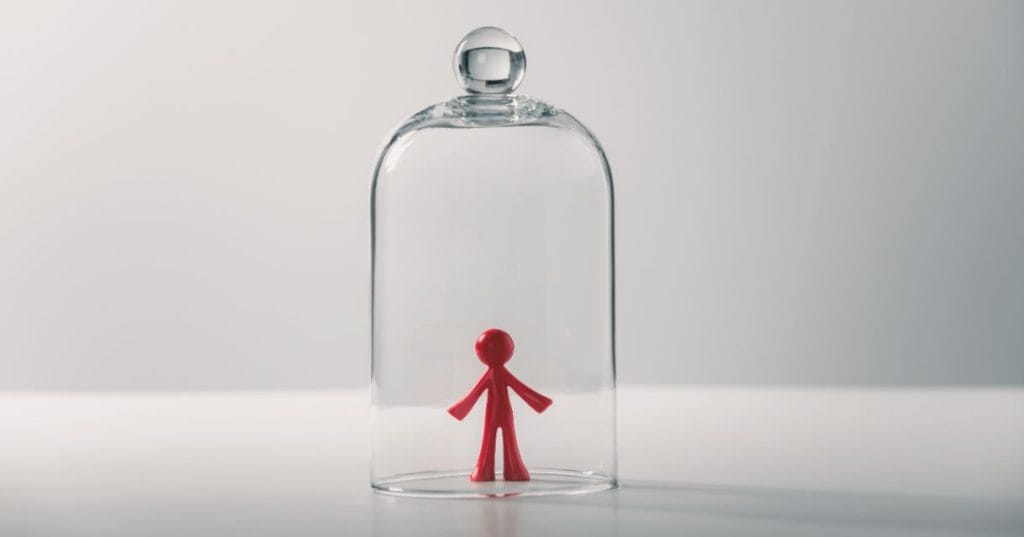
Social Anxiety vs. Being an Introvert

Many people confuse social anxiety and introversion, but they’re not the same. Social anxiety is a mental health condition that involves intense fear or worry about social situations, while introversion is a personality trait describing a preference for quiet, low-stimulation environments. Here’s how to tell the difference and understand each one better. 1. What is Introversion? Introversion is a personality type that’s often characterised by a preference for solitude or small groups. Introverts tend to feel drained by large social gatherings and usually recharge by spending time alone or in quieter settings. It’s not that introverts dislike social interactions; they often enjoy close, meaningful connections. However, they may need downtime to recover after extended periods of socialising. Key Traits of Introverts: 2. What is Social Anxiety? Social anxiety, or social anxiety disorder, is a mental health condition characterised by an intense fear of social situations where one might be judged, embarrassed, or scrutinised. People with social anxiety may avoid gatherings, meetings, or interactions that could put them in the spotlight. This fear isn’t necessarily related to the number of people involved; even small interactions, like speaking with a store clerk, can trigger anxiety. Key Signs of Social Anxiety: 3. How to Tell the Difference Source of Discomfort Avoidance of Social Settings Physical and Emotional Reactions 4. Can You Be Both? Yes, you can be an introvert with social anxiety. An introvert with social anxiety might feel doubly pressured in social settings: they find large groups overstimulating and fear judgment, making social gatherings particularly challenging. 5. How to Cope with Social Anxiety or Manage Introversion While introversion is a natural part of some people’s personalities, social anxiety can benefit from treatment and support. Recognising which one applies to you—or if both do—can lead to healthier interactions and a better understanding of your own needs. Mental Matters is a resource and information platform and does not provide medical advice, diagnosis, or treatment. The information on this site is for general awareness and support. For any mental health concerns, please consult a qualified healthcare or mental health professional. Dr J V Rensburg GP Strand I Prefer Texts Over Calls How to Identify Emotional Triggers Dr V Thomas Pinelands Practical Tips for Managing Social Anxiety in Everyday Situations

Social Anxiety vs. Being an Introvert Read More »

Understanding Eating Disorders

“Your body is not an apology. It’s a beautiful, amazing thing.” — Sonya Renee Taylor For those dealing with eating disorders, food and body image are tied up with a lot more than just diet or appearance. These conditions can deeply affect everyday life, relationships, and self-worth. Here, we’ll go through the most common types, what to watch for, and how to get help. 1. What Are Eating Disorders? Eating disorders involve unhealthy eating patterns and a strong fixation on body weight and shape. There is also an intense fear of gaining weight. These disorders impact more than just food habits. They reshape how a person thinks and feels about food, body image, and self-worth. Eating disorders can affect anyone, regardless of background. They are influenced by a mix of genetics, biology, psychology, and societal pressures. Eating disorders are not choices; they are serious health conditions. These complex conditions require professional care and support. 2. Types of Eating Disorders 1. Anorexia Nervosa What It Is: Anorexia is when someone is really afraid of gaining weight and goes to extreme lengths to keep their weight down. This can lead to hardly eating anything at all and constantly worrying about how they look, often seeing themselves as overweight even when they’re very thin. Symptoms: If you’re dealing with anorexia, you might notice significant weight loss, an obsession with counting calories, and excessive exercise. Consequences: This can lead to serious health problems like malnutrition, weakened immunity, and even organ failure. Unfortunately, anorexia has one of the highest mortality rates among mental health disorders. 2. Bulimia Nervosa What It Is: Bulimia is marked by cycles of binge eating, where someone eats a lot in a short time, followed by trying to get rid of the food through vomiting, fasting, or over-exercising. Symptoms: You might have bulimia if you often eat large amounts of food and then feel guilty afterward, but manage to maintain a normal weight or slightly above. Consequences: It can cause serious issues like gastrointestinal problems, dehydration, and damage to your throat and teeth from frequent vomiting. 3. Binge Eating Disorder (BED) What It Is: BED is when you find yourself eating large quantities of food quickly, often feeling like you’ve lost control during these episodes. Unlike bulimia, you don’t try to purge afterward. Symptoms: If you’re binge eating, you might eat even when you’re not hungry, often alone because you feel embarrassed, and afterwards, you might feel really ashamed or disgusted with yourself. Consequences: This can lead to obesity and related health problems like heart disease and diabetes, as well as mental health challenges like anxiety and depression. 4. Avoidant/Restrictive Food Intake Disorder (ARFID) What It Is: ARFID is when someone avoids certain foods or restricts their intake for reasons other than wanting to lose weight—like being sensitive to textures or fearing choking. Symptoms: You might have ARFID if you eat a very limited variety of foods and experience noticeable weight loss or nutritional deficiencies. Consequences: This can result in poor growth, malnutrition, and difficulties in social situations where food is involved. 5. Other Specified Feeding or Eating Disorder (OSFED) What It Is: OSFED is when someone has eating disorder symptoms that don’t fit neatly into anorexia, bulimia, or binge eating, but are still serious enough to need help. Symptoms: These can vary widely—maybe you restrict your eating or purge without bingeing, or binge eat without any compensatory behaviours. Consequences: OSFED can carry similar health risks as other eating disorders, impacting both physical and mental wellbeing. 3. Signs and Symptoms of Eating Disorders It can be hard to notice when someone is struggling with an eating disorder because the signs often look different from person to person. However, there are some common clues that might suggest someone is dealing with these challenges. Here are a few things to keep an eye out for: If you notice these signs in yourself or someone else, it’s important to get support. Eating disorders can be really complicated and have serious effects, but getting the right treatment can make a big difference. 4. What Causes Eating Disorders? Eating disorders don’t just pop up out of nowhere; they’re often the result of a mix of different factors. Here are some common causes that might contribute to the development of these disorders: 5. Treatment for Eating Disorders Getting help for an eating disorder can feel like a big step, but it’s one of the most important things you can do. Mental Matters is a resource and information platform and does not provide medical advice, diagnosis, or treatment. The information on this site is for general awareness and support. For any mental health concerns, please consult a qualified healthcare or mental health professional. Binge Eating Disorder Causes and Risk Factors of Binge Eating Disorder Diagnosis of Binge Eating Disorder Treatment of Binge Eating Disorder Complications and Living with Binge Eating Disorder

Understanding Eating Disorders Read More »

OCD Explained: Understanding the Condition

Obsessive-Compulsive Disorder (OCD) is a mental health condition that often gets misunderstood. Many people associate OCD with a need for cleanliness or orderliness, but the reality is far more complex. For those living with OCD, it can mean battling with intrusive thoughts that cause intense anxiety and engaging in repetitive behaviours to find relief. These compulsions are not just habits; they can consume significant time and energy, impacting daily life, relationships, and overall well-being. In this article, we’ll take a closer look at what OCD really is, some common symptoms, and the ways that people find relief and support. 1. What is OCD? Obsessive-Compulsive Disorder, or OCD, is a condition that involves two main parts: obsessions and compulsions. Obsessions are those pesky, intrusive thoughts, images, or urges that can create a lot of anxiety or discomfort. On the flip side, compulsions are the repetitive actions or mental routines that people feel they must do to try to ease that anxiety, even if it’s only for a moment. Many with OCD know deep down that these thoughts and behaviours don’t make much sense, but the urge to act on them can be really hard to resist. 2. Common Obsessions and Compulsions OCD can show up in different ways, but there are a few familiar patterns that many people experience: Contamination Obsessions and Cleaning Compulsions Doubt Obsessions and Checking Compulsions Symmetry Obsessions and Ordering Compulsions Harm Obsessions and Mental Rituals 3. What It Feels Like to Live with OCD Living with OCD can be draining. The never-ending cycle of unwanted thoughts and the need to perform rituals can feel like an uphill battle. Many people with OCD may experience feelings of shame or frustration, which can make them avoid situations where their obsessions or compulsions might kick in. This isolation, combined with the constant effort to manage OCD, can really affect relationships, work, and personal goals. 4. Managing OCD The good news is that OCD is manageable with the right treatment and support. Here are some effective strategies: Cognitive-Behavioural Therapy (CBT) CBT is often seen as one of the best therapies for OCD. A specific technique called Exposure and Response Prevention (ERP) helps people face their fears without giving in to the compulsions, gradually easing their anxiety over time. Medication Selective serotonin reuptake inhibitors (SSRIs) are commonly prescribed to help alleviate OCD symptoms. Often, medication works best alongside therapy for improved results. Self-Help Strategies Support Networks Connecting with others who understand what you’re going through, whether in a support group or therapy, can be incredibly helpful. Knowing that you’re not alone in this can lessen feelings of isolation. 5. Reaching Out for Help Living with OCD can be really tough, and it’s easy to feel like you’re all alone in this. Many people have been where you are and have found their way through with the right support and strategies. So, if you’re struggling, don’t hesitate to reach out for help. Whether it’s talking to a friend, a therapist, or joining a support group, there are people who understand what you’re going through. Remember, it’s okay to ask for help—taking that step can lead you toward a more balanced and fulfilling life. You’ve got this! Mental Matters is a resource and information platform and does not provide medical advice, diagnosis, or treatment. The information on this site is for general awareness and support. For any mental health concerns, please consult a qualified healthcare or mental health professional. Natasha Daniels CBT Therapist London Bristol CBT Clinic Psychologist Bristol OCD and Anxiety Clinic of Ontario Psychologist Woodbridge The Different Kinds of Anxiety Disorders Explained What People Get Wrong About OCD

OCD Explained: Understanding the Condition Read More »

The Different Kinds of Anxiety Disorders Explained

Anxiety is a common experience that can range from occasional nerves to persistent, overwhelming fear that disrupts daily life. While everyone may feel anxious at times, anxiety disorders are a set of distinct mental health conditions where anxiety takes on a life of its own. These disorders vary widely, affecting people in unique ways and leading to different symptoms, behaviours, and treatments. In this article, we’ll break down the major types of anxiety disorders, their characteristics, and ways people manage them. 1. Generalised Anxiety Disorder (GAD) What It Feels Like: Imagine a constant, underlying sense of worry that something bad might happen, but without a specific reason. People with Generalised Anxiety Disorder (GAD) experience chronic anxiety and tend to worry about multiple aspects of daily life— from health and finances to work and relationships. Even on quiet days, anxiety can still be present. Common Symptoms: Living with GAD: Living with GAD often means carrying a sense of anxiety that’s always bubbling just below the surface. Therapy, particularly cognitive-behavioural therapy (CBT), and medication can be helpful for many people with GAD. Relaxation techniques, such as deep breathing, and regular physical activity can also play significant roles in managing symptoms. 2. Panic Disorder What It Feels Like: Panic Disorder involves sudden episodes of intense fear that trigger physical reactions when there’s no real danger. These episodes, called panic attacks, often feel like they come out of nowhere, making people feel trapped in fear of when the next one might strike. Panic attacks can mimic symptoms of a heart attack, leading many people to seek emergency help during an attack. Common Symptoms: Living with Panic Disorder: This can feel like an ongoing cycle of fear of the attacks themselves, known as “anticipatory anxiety.” Treatment often combines CBT, which helps people identify and control the thought patterns that lead to attacks, and sometimes medication. Breathing exercises and mindfulness practices can also reduce the impact of an attack. 3. Social Anxiety Disorder (Social Phobia) What It Feels Like: Social anxiety is more than just being shy or nervous in social situations; it’s an intense fear of being judged, embarrassed, or rejected. People with Social Anxiety Disorder often avoid social situations, which can impact relationships, careers, and daily life. Common Symptoms: Living with Social Anxiety: This can feel isolating and limit personal and professional opportunities. CBT is highly effective in helping individuals manage social anxiety. Exposure therapy, which involves gradually facing feared social situations, is another helpful approach. Medications may also be used in some cases. 4. Specific Phobias What It Feels Like: Phobias are intense, irrational fears of specific objects or situations, like heights, flying, spiders, or enclosed spaces. People with phobias often go to great lengths to avoid their triggers, even when they know the fear is out of proportion to the actual risk. Common Symptoms: Living with Specific Phobias: Specific phobias can be incredibly disruptive, especially if the fear is linked to common situations (like driving). Exposure therapy, where individuals gradually face their feared object or situation, is one of the most effective treatments for phobias. 5. Obsessive-Compulsive Disorder (OCD) What It Feels Like: OCD is marked by intrusive, unwanted thoughts (obsessions) and repetitive behaviours or mental acts (compulsions) that a person feels driven to perform to ease the anxiety. The compulsions are often time-consuming and can interfere with daily life. Common Symptoms: Living with OCD: OCD can be exhausting and disruptive. Treatment usually includes CBT, particularly a method called exposure and response prevention (ERP), which helps people gradually resist the urge to perform compulsions. Medication may also be effective in managing symptoms. 6. Post-Traumatic Stress Disorder (PTSD) What It Feels Like: PTSD is an anxiety disorder that develops after experiencing or witnessing a traumatic event. People with PTSD often experience flashbacks, nightmares, and severe anxiety that make it hard to function normally. Common Symptoms: Living with PTSD: This can be a daily struggle that affects relationships and work life. PTSD is typically treated with a combination of therapy—especially trauma-focused therapies like CBT and eye movement desensitization and reprocessing (EMDR)—and, sometimes, medication. 7. Separation Anxiety Disorder What It Feels Like: Separation Anxiety Disorder often brings to mind children, but it can affect adults as well. This disorder causes intense fear about being away from loved ones, sometimes leading to clinginess or even physical symptoms when separation occurs. Common Symptoms: Living with Separation Anxiety Disorder: Separation anxiety can feel overwhelming, often leading people to avoid situations that involve separation. Treatment typically includes CBT, which helps individuals address and reframe fears, and sometimes medications to reduce anxiety levels. Finding Support and Resources Whether it’s through therapy, mindfulness, medication, or lifestyle changes, people can and do learn to manage anxiety disorders effectively. Understanding the different types of anxiety is the first step to finding the right support and ultimately a path to feeling better. Mental Matters is a resource and information platform and does not provide medical advice, diagnosis, or treatment. The information on this site is for general awareness and support. For any mental health concerns, please consult a qualified healthcare or mental health professional. Symptoms and Diagnosis of Agoraphobia Learning to Let Go of What I Can’t Control Mindful Family Rescue Counsellor Edenvale How to Identify Emotional Triggers Practical Tips for Managing Social Anxiety in Everyday Situations

The Different Kinds of Anxiety Disorders Explained Read More »

Clinical Psychologist Ballito

A Guide to Major, Persistent, and Other Types of Depression

Depression isn’t the same for everyone; it shows up in various forms, each with its own set of symptoms and challenges. Knowing the different types can help make sense of why depression looks and feels different for everyone. Here’s a look at some common types, their signs, and where to find support. 1. Major Depressive Disorder (MDD) What It IsMajor Depressive Disorder, or clinical depression, is marked by a continuous, overwhelming sadness that can impact nearly all areas of life. People with MDD often feel hopeless and lose interest in things they once enjoyed. According to the World Health Organisation (WHO), it’s the leading cause of disability worldwide. Common Symptoms Treatment OptionsCognitive Behavioural Therapy (CBT) and antidepressants are typically effective in reducing symptoms, helping people regain interest in life. 2. Persistent Depressive Disorder (PDD) What It IsPersistent Depressive Disorder (dysthymia) is a type of chronic depression lasting two years or more. While it may not be as intense as MDD, it’s ongoing, making it difficult to feel fully happy or engaged. Common Symptoms Treatment OptionsBecause it’s long-lasting, PDD is often managed with ongoing therapy, lifestyle adjustments, and sometimes medication to support daily functioning. 3. Atypical Depression What It IsAtypical Depression includes symptoms that are different from typical depression, such as a short-lived mood boost when something positive happens and strong sensitivity to rejection. Despite its name, it’s actually quite common. Common Symptoms Treatment OptionsCBT and specific medications, such as Monoamine Oxidase Inhibitors (MAOIs), have been shown to help manage atypical depression. 4. Seasonal Affective Disorder (SAD) What It IsSAD is a type of depression that comes and goes with the seasons, usually starting in autumn or winter. Studies suggest that shorter daylight hours and reduced sunlight play a role in triggering it. Common Symptoms Treatment OptionsLight therapy (using a special lamp that mimics natural sunlight) can be very effective. Spending time outdoors and exercise can also help improve mood. 5. Bipolar Disorder (Depressive Episodes) What It IsBipolar Disorder includes both manic (high-energy) and depressive (low-energy) phases. During the depressive phase, symptoms can resemble those of Major Depressive Disorder. Common Symptoms of Depressive Episodes Treatment OptionsPeople with bipolar disorder often use a combination of mood stabilisers, therapy, and support to manage both their depressive and manic phases. 6. Postpartum Depression (PPD) What It IsPPD is a type of depression that affects some new parents, particularly mothers, after childbirth. It’s more severe and long-lasting than the common “baby blues,” and it can affect bonding with the baby. Common Symptoms Treatment OptionsTherapy and support groups tailored for new parents are often recommended for those experiencing PPD, as well as resources specifically for postnatal mental health. 7. Psychotic Depression What It IsPsychotic Depression is a severe form that combines depression symptoms with psychotic symptoms, such as hallucinations or delusions, often tied to negative self-beliefs. Common Symptoms Treatment OptionsPsychotic Depression is usually treated with a combination of antidepressant and antipsychotic medications. For severe cases, Electroconvulsive Therapy (ECT) may be recommended. 8. Situational Depression (Adjustment Disorder with Depressed Mood) What It IsSituational depression is a reaction to a specific life event, such as a major change or loss. Although often temporary, it can still have a serious impact on daily life. Common Symptoms Treatment OptionsTherapy can be especially helpful for situational depression, offering ways to process the change and build coping tools. Finding Support Depression shows up differently for everyone, and recognising the distinct types can be a valuable step in understanding what may be happening within yourself or a loved one. Each form of depression brings its own challenges, which highlights the importance of seeking tailored support. Effective treatments can range from therapy and medication to lifestyle adjustments, with the most effective approach often blending these options to suit individual needs. If you or someone you know is experiencing any of these symptoms, reaching out to a mental health professional can make a meaningful difference. Mental Matters is a resource and information platform. We do not provide medical advice, diagnosis, or treatment. While the information on our website is for general awareness and support, it should not replace professional advice. For any mental health concerns, please consult a qualified healthcare or mental health professional. Causes of Cervical Cancer Daily Steps to Manage Depression Crisis and Support Helplines in South Africa Symptoms of Chronic Pancreatitis Jow’hara Chundra Specialist Psychiatrist Saxonwold

A Guide to Major, Persistent, and Other Types of Depression Read More »

What People Get Wrong About OCD

Obsessive-Compulsive Disorder (OCD) is one of the most misunderstood mental health conditions. From offhand remarks like, “I’m so OCD about keeping my desk organised,” to its portrayal on TV, the real struggles of OCD are often overlooked. Here are some common misconceptions about Obsessive-Compulsive Disorder: 1. “OCD is Just About Being Neat and Organised” Many people think OCD means being a “neat freak” or overly organised. While some individuals with OCD have rituals around cleanliness, the disorder goes far beyond just wanting things in order. It can involve various fears—such as worries about safety, harming others, or even existential questions that feel impossible to escape. Reality: OCD is driven by intrusive, unwanted thoughts (obsessions) and repetitive actions (compulsions) that ease anxiety. Compulsions can include anything from checking and counting to seeking constant reassurance. For those with OCD, it isn’t just about liking things “a certain way”—it’s about trying to find relief from relentless anxiety. 2. “It’s Just a Habit” You might hear people casually say, “I’m so OCD about my schedule,” but for those who live with OCD, it’s not a personality trait or a preference for order. It’s a chronic mental health condition that can be exhausting and difficult to manage daily. Reality: OCD isn’t a “habit”; it’s a recognised mental health condition. It can disrupt daily life, work, and relationships because of the stress from unwanted thoughts and compulsions. Calling it a quirk or a trait downplays the serious impact OCD can have on someone’s life. 3. “People with OCD Should Just Stop Their Compulsions” There’s a misconception that people with OCD should just stop doing their rituals and ignore intrusive thoughts. But for those with OCD, these compulsions often feel like the only way to manage intense anxiety and distress. Reality: Resisting compulsions can feel almost impossible due to the overwhelming anxiety that accompanies intrusive thoughts. Therapy, particularly Exposure and Response Prevention (ERP), can help individuals learn to handle these thoughts without resorting to compulsions, but it takes time and support. 4. “OCD is Always Visible” In movies, OCD is often shown through repetitive behaviours like hand-washing or checking doors. However, many people with OCD have “invisible” compulsions, where the rituals happen mentally. They might engage in internal routines, like counting or mentally reviewing events, that no one else can see. Reality: Not all OCD is visible. Many individuals deal with mental rituals that go unnoticed, making their struggles harder for others to understand. Recognising that OCD isn’t always obvious can foster greater compassion toward those managing it. 5. “OCD is About Control” People often assume OCD is about a need for control, but it’s more complex than that. While individuals with OCD may feel the urge to keep certain things in order, it’s usually not about control—it’s about finding relief from constant, intrusive thoughts. Reality: OCD often stems from intense anxiety triggered by intrusive thoughts. Rituals and routines are coping mechanisms, not necessarily attempts to exert control. Understanding this can help us see OCD as an anxiety-driven condition rather than just a preference for order. Understanding OCD for what it really is, rather than through stereotypes, can help us support those affected by it. OCD is a complex and often isolating condition, but with empathy and awareness, we can make a significant difference in reducing stigma and offering genuine support. Mental Matters is a resource and information platform and does not provide medical advice, diagnosis, or treatment. The information on this site is for general awareness and support. For any mental health concerns, please consult a qualified healthcare or mental health professional. Natasha Daniels CBT Therapist London OCD and Anxiety Clinic of Ontario Psychologist Woodbridge Bristol CBT Clinic Psychologist Bristol OCD Explained: Understanding the Condition The Different Kinds of Anxiety Disorders Explained

What People Get Wrong About OCD Read More »

Reparenting Myself So My Kids Don’t Inherit My Baggage

Growing up, my dad was strict. An 8 pm curfew made sense—miss it, and you were grounded. We could handle that. But with him, it wasn’t just “Who are you going with?” It was also, “Where exactly? How long will you be there? What time are you leaving, and who’s bringing you back?” It felt suffocating at times. My sisters and I would joke, saying, “When I have kids, I’m never doing this!” And while there’s a lot my parents taught me that I appreciate now, there are definitely things about how we grew up, especially as girls, that I don’t want to repeat with my own kids. As I got older, I started reflecting more on my childhood, and it led me to the idea of “reparenting” myself. It’s not just about parenting my kids differently; it’s about understanding and healing from my own experiences. I even had a conversation with my dad about this. That wasn’t easy. My sisters and I often felt he’d have preferred sons. He never said it outright, but we felt it in how he pushed us, in his expectations of how we should act and even look. We constantly felt the need to be “tough” and meet his standards, leaving little room to just be ourselves. He also had a habit of saying “no” without reason. You couldn’t ask why, which made it more confusing. I ended up making excuses to my friends about why we couldn’t do things. After a while, it felt like maybe our wants didn’t really matter. Learning to stand up for myself—and, eventually, for my kids—was a big lesson from those moments. As the youngest, I was always tagging along with my sisters. They hated it, and so did I. It bonded us, yes, but it also blurred our individual identities. Now that we’re scattered across the world, we all appreciate those shared memories. But I’ve realised that the forced togetherness sometimes made it harder for us to figure out who we were individually. Reparenting for me has been about embracing my individuality and worth as a woman. I want my kids to know it’s okay to follow their own interests, even if they’re different. I’ve had to unlearn the idea that my worth is tied to meeting others’ expectations. It wasn’t just my dad’s rules; it was the quiet message that strength and resilience meant proving myself. Now, I approach parenting differently. I encourage my kids to be themselves, to love themselves, and I’m not as burdened by expectations. I’m focusing on creating a more supportive environment where they’re heard and feel like their feelings matter. I’m working to be a parent who listens, respects their voices, and cheers them on for who they are. It’s about breaking that cycle and helping them feel accepted and like they belong—something I didn’t always feel. I also remind myself it’s okay to make mistakes, to learn as I go. My parents had their own struggles, just as I have mine. I’m learning to be kinder to myself, to fill in the gaps with love and understanding, and to forgive myself along the way. Mental Matters is a resource and information platform and does not provide medical advice, diagnosis, or treatment. The information on this site is for general awareness and support. For any mental health concerns, please consult a qualified healthcare or mental health professional. What is Hydrops Fetalis? How to Talk to Your Kids About Mental Health Why Men and Women Experience Anxiety Differently Why Talking to Your Kids About Mental Health Matters Kids at Heart Inc. Paediatric Cardiologist Bloemfontein

Reparenting Myself So My Kids Don’t Inherit My Baggage Read More »

Daily Steps to Manage Depression

Getting through the day with depression can feel overwhelming. A few small, easy steps can help you find a bit of balance and feel more grounded. Here are flexible and realistic steps for a better day: 1. Start Your Day Right 2. A Little Exercise Helps a Lot 3. Nourish Your Body and Mind 4. Set a Few Goals 5. Connect with Someone 6. Take a Breather 7. Ease Into the Evening 8. Rest is Key 9. Reflect a Little 10. Don’t Be Afraid to Ask for Help Remember: Depression can make even simple things feel big. Go at your own pace, and remember that it’s okay if some days don’t go as planned. Any progress is progress, no matter how small. Give yourself credit for every step, because it all counts. Friends, family, support groups, or even online communities can offer encouragement when you need it. Helplines for Mental Health Support in South Africa When you or someone you know needs extra support, here are some helplines that offer confidential help: A daily routine can help you find a sense of control and stability, even when things feel tough. Remember, it’s okay to reach out, ask for help, and take things one step at a time. Mental Matters is a resource and information platform and does not provide medical advice, diagnosis, or treatment. The information on this site is for general awareness and support. For any mental health concerns, please consult a qualified healthcare or mental health professional. Crisis and Support Helplines in South Africa Treatment of Bipolar Disorder Physiolates – Liverpool Pilates Get In Touch Living with Brain Tumours

Daily Steps to Manage Depression Read More »

Rewatching Friends in My 30s

Trying to make sense of how different it feels to rewatch Friends now that I’m in my 30s. One minute, I’m captivated by the carefree lives of Ross, Rachel, Monica, Chandler, Joey, and Phoebe—just climbing the ladder, chasing dreams, and navigating the ups and downs of dating in the city. Fast forward, and suddenly I’m dealing with the weight of responsibilities, family commitments, and all the complexities that come with adulthood. Watching Ross’s breakup with Rachel feels way different now. It’s a far cry from the melodrama of my own relationships, which now come with real-life stakes and consequences. Can someone explain how their love lives felt so simple back then? Speaking of struggles, let’s not forget about Joey’s clueless charm. I used to envy his laid-back approach, but now? It’s a painful reminder that adulting isn’t all fun and games. It’s like looking in a mirror that reflects everything I wish I could escape for just a moment. When Monica stresses over her perfect apartment, I can’t help but laugh while also feeling the pressure of keeping everything in order at home. Their friendship struggles seem light, while mine come with the real challenge of balancing family life and personal goals. The iconic moments, like “We were on a break!” don’t just make me chuckle; they hit harder now. I find myself thinking about my choices, the ups and downs of relationships, and how I’ve had to stand my ground against misunderstandings. There was something about the ’90s and 2000s that felt less controlled by the pressures we face today. Life felt lighter, more spontaneous, and full of possibilities. Now, as I rewatch the show, I see the cracks in their perfect lives that mirror my own. Beyond the infamous Rachel haircut, I appreciate the realness in their storylines. Their journey toward self-discovery and growth hits home for me, showing how far we’ve all come—or how much we’ve changed. Mental Matters is a resource and information platform and does not provide medical advice, diagnosis, or treatment. The information on this site is for general awareness and support. For any mental health concerns, please consult a qualified healthcare or mental health professional. Dr Elizabeth Friend General Practitioner Moreleta Park Happy Thoughts Fix Everything? Ask My Friend Dr Ian Williams GP Brighton Dr Emma Richards GP Brighton Dr Jos Lewis GP Brighton

Rewatching Friends in My 30s Read More »

Scroll to Top