Mental Matters

Health Conditions

Find information on various health conditions affecting people of all ages. This category covers causes, symptoms, diagnosis, and management options for physical illnesses and chronic diseases. Get insights to help you understand different health challenges and make informed decisions about your wellbeing.

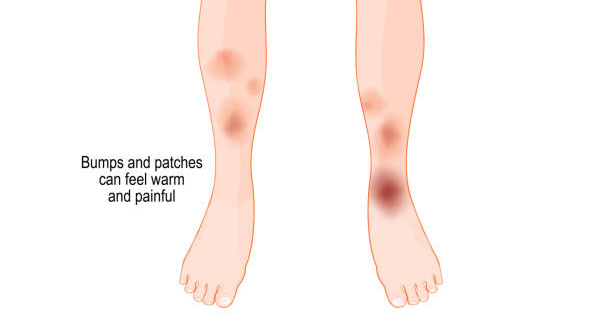
Illustration showing inflamed and painful patches on legs due to erythema nodosum

Complications of Erythema Nodosum

Complications of Erythema Nodosum The complications of erythema nodosum are generally mild, especially when the condition is short-lived and the cause is treated. However, erythema nodosum can lead to physical, emotional, and sometimes systemic issues if it becomes chronic or is associated with an underlying illness. Pain and Reduced Mobility Painful nodules on the legs can make walking or standing difficult. This may result in: Reduced physical activity Difficulty at work or school Temporary reliance on mobility aids in severe cases In children and working adults, this may cause significant disruption to daily routines. Recurrence Some individuals experience recurrent erythema nodosum, particularly when the trigger is not identified or remains untreated. This may occur: During future infections With certain medications In chronic autoimmune or inflammatory diseases Repeated episodes can lead to frustration and reduced quality of life. Skin Discolouration and Scarring Although erythema nodosum typically resolves without scarring, some patients may develop: Bruise-like discolouration for weeks after the lesions fade Hyperpigmentation, especially in individuals with darker skin Thickened or hardened skin, rarely, if inflammation was deep or prolonged Emotional Impact Visible, painful lesions can cause embarrassment, particularly when they affect the legs in warm weather. Patients may feel: Self-conscious about their appearance Anxious about the possibility of recurrence Frustrated by delayed diagnosis or lack of treatment Support and education about the condition help reduce stress and encourage compliance with treatment plans. Complications from Underlying Conditions The most serious complications usually stem from the underlying disease, not from erythema nodosum itself. For example: Untreated TB can lead to lung damage and systemic infection Inflammatory bowel disease may require long-term immunosuppressive therapy Sarcoidosis, if active, can cause lung, eye, or nerve complications Therefore, it is critical to investigate and manage the root cause, not just the skin symptoms. Complications of Erythema Nodosum In South Africa In South Africa, complications may be more common due to late diagnosis, especially in rural areas. Limited access to tests, specialists, or appropriate medication can result in prolonged symptoms or untreated infections. Strengthening referral systems and community awareness can help reduce complications. The complications of erythema nodosum are usually preventable. Early identification, treating the cause, and managing symptoms properly can lead to full recovery with minimal long-term effects. [Next: Back to Overview →]
Complications of Erythema Nodosum Read More »

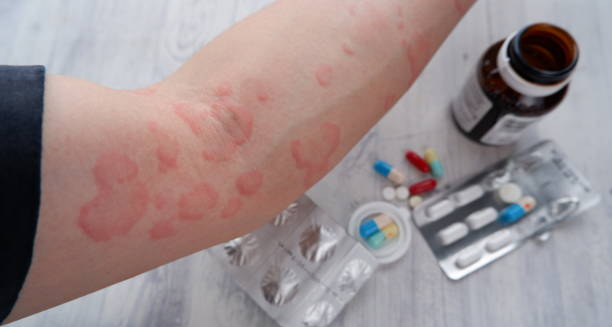
Forearm with red circular lesions from erythema multiforme next to various medications

Erythema Multiforme

Erythema Multiforme Erythema multiforme is an acute skin condition that causes distinctive red or purple target-shaped lesions, often accompanied by itching or burning. This condition typically appears on the hands, arms, legs, and face, and in more severe cases, it can also affect the mouth, eyes, or genital areas. While the condition may look alarming, it is usually self-limiting and resolves within a few weeks. This disorder is often triggered by infections, particularly the herpes simplex virus (HSV). It can also result from certain medications, though this is less common. There are two main types: Erythema Multiforme Minor: which affects only the skin Major: which also involves mucous membranes and may cause systemic symptoms The condition is not contagious but can recur, especially in those with frequent herpes outbreaks. Episodes often follow a predictable pattern, starting with flu-like symptoms before the rash develops. Erythema Multiforme In South Africa, this condition may be under-recognised, especially in rural areas where skin disorders are frequently misdiagnosed. Quick identification and proper management can prevent complications and provide relief. Understanding this condition helps in early detection, accurate treatment, and avoiding unnecessary anxiety about its appearance. [Next: Causes of Erythema Multiforme →]

Erythema Multiforme Read More »

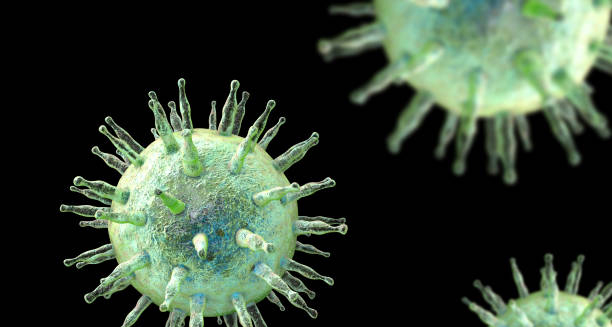
3D rendering of herpes simplex virus, a common cause of erythema multiforme

Causes of Erythema Multiforme

Causes of Erythema Multiforme Infections usually cause erythema multiforme, and certain medications cause it less commonly. Erythema multiforme is considered a hypersensitivity reaction, meaning the immune system overreacts to a trigger, leading to inflammation and the characteristic rash. Infectious Triggers The majority of cases—particularly mild ones—are caused by infections. The most frequent culprits include: Herpes simplex virus (HSV) – The leading cause, especially in recurring cases. The rash often appears a few days after a cold sore or genital herpes flare-up. Mycoplasma pneumoniae – A respiratory infection that is more commonly linked to erythema multiforme major. Other viruses, such as Epstein-Barr virus, cytomegalovirus, and HIV, may occasionally trigger the condition. Fungal and bacterial infections – Though less common, can sometimes play a role. Medication Reactions In some people, drugs can trigger erythema multiforme. Common offenders include: Antibiotics, especially sulphonamides and penicillins Non-steroidal anti-inflammatory drugs (NSAIDs) Anticonvulsants, such as phenytoin and carbamazepine Barbiturates Drug-related cases are more often associated with erythema multiforme major and may take longer to resolve. If suspected, the medication should be stopped immediately under medical supervision. Other Triggers Rare causes include: Vaccinations Radiation therapy Underlying autoimmune conditions Causes of Erythema Multiforme In South Africa In South Africa, limited access to viral testing may make it difficult to confirm the exact cause of erythema multiforme. Many rural clinics may not associate skin eruptions with herpes or pneumonia. Education of frontline health workers is key to identifying patterns and treating the condition early. Prevention is possible in recurring cases by suppressing the triggering infection—often with antiviral medication in the case of HSV. Recognising the causes of erythema multiforme helps guide both treatment and prevention. Identifying the trigger allows for more targeted therapy and reduces the risk of recurrence. [Next: Symptoms of Erythema Multiforme →]

Causes of Erythema Multiforme Read More »

Mild red spots on forearm showing early symptoms of erythema multiforme

Symptoms of Erythema Multiforme

Symptoms of Erythema Multiforme The symptoms of erythema multiforme often appear suddenly and include a range of skin and mucous membrane changes. Erythema multiforme typically starts with general discomfort or mild flu-like symptoms, followed by the appearance of distinctive skin lesions within 24 to 48 hours. Skin Symptoms Target lesions – The hallmark of the condition. These are round spots with three zones: a dark or blistered centre, a pale ring, and a bright red outer ring. Symmetrical rash – Lesions usually appear on both sides of the body, starting on the backs of hands and feet before spreading to arms, legs, and face. Itching or burning – Affected areas may feel irritated. New lesions – May continue to appear for up to a week. Crusting or peeling – In later stages, lesions may scab over or flake off. In mild cases, the rash is limited to the skin and resolves without scarring. Mucous Membrane Involvement In erythema multiforme major, mucous membranes may be affected, especially in the: Mouth – Painful ulcers or blisters that make eating or drinking difficult Eyes – Redness, discharge, or discomfort Genital area – Painful sores or inflammation Involvement of these areas can lead to severe discomfort and requires medical attention. In rare cases, conjunctivitis or corneal ulcers may develop, risking vision if untreated. Systemic Symptoms Before or during a flare-up, some people experience: Low-grade fever Fatigue Joint pain Headache General body aches These symptoms are more common in major cases and usually resolve as the rash improves. Symptoms of Erythema Multiforme In South Africa In South Africa, individuals with HIV may present with more frequent or severe episodes of erythema multiforme due to immune system dysregulation. Co-infections such as herpes simplex virus may also complicate the presentation. Clinics and hospitals should be prepared to treat both the skin condition and any underlying infection. Misidentifying erythema multiforme as another rash—such as measles, allergic reaction, or even Stevens-Johnson syndrome—can delay care. Identifying the symptoms of erythema multiforme early ensures faster treatment and avoids progression to more serious complications. [Next: Diagnosis of Erythema Multiforme→]

Symptoms of Erythema Multiforme Read More »

Doctor examining red skin lesions on a patient's back for diagnosis of erythema multiforme

Diagnosis of Erythema Multiforme

Diagnosis of Erythema Multiforme The diagnosis of erythema multiforme is usually made based on clinical appearance, particularly the presence of characteristic target lesions. Since erythema multiforme can resemble other skin conditions, especially in its more severe forms, accurate diagnosis is important to guide treatment and rule out life-threatening conditions like Stevens-Johnson syndrome (SJS). Clinical Examination Doctors begin by examining: The shape and distribution of lesions Whether the mucous membranes are affected The symmetry of the rash Presence of blisters or crusting Any signs of systemic illness such as fever or malaise The presence of target lesions on the extremities, especially if symmetrical, strongly suggests erythema multiforme minor. If mouth, eye, or genital ulcers are involved, erythema multiforme major may be diagnosed. Patient History A thorough medical history helps identify potential triggers. Doctors ask about: Recent infections (especially herpes or chest infections) Medication use Vaccinations Previous similar skin reactions Chronic illnesses, especially autoimmune or immune-compromised conditions This helps pinpoint the most likely cause and decide whether treatment should include antivirals, antibiotics, or drug discontinuation. Laboratory Tests Blood tests may include: Complete blood count (CBC) – to check for infection or inflammation Liver and kidney function tests – if medication reaction is suspected HSV serology – in recurrent cases, to confirm herpes as the trigger Chest X-ray – if Mycoplasma pneumoniae is suspected These tests are not always necessary but may support the diagnosis in unclear or severe cases. Skin Biopsy In uncertain or severe cases, a skin biopsy may be done. A small sample of affected skin is examined under a microscope. This helps distinguish erythema multiforme from other serious skin conditions like: Stevens-Johnson syndrome Bullous pemphigoid Fixed drug eruptions Lupus erythematosus A biopsy is particularly important in patients with extensive blistering, systemic illness, or suspected drug reaction. Diagnosis of Erythema Multiforme In South Africa In South Africa, many diagnoses are made clinically, especially in rural areas where access to dermatologists or biopsy facilities is limited. Training primary care staff to recognise the condition and refer serious cases improves outcomes. The diagnosis of erythema multiforme relies on accurate pattern recognition and a good clinical history. Early identification allows for symptom control and prevention of recurrence. [Next: Treatment of Erythema Multiforme →]

Diagnosis of Erythema Multiforme Read More »

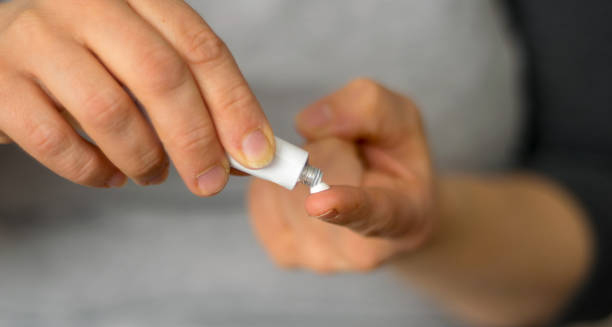
Person applying topical cream from a small tube as treatment for erythema multiforme

Treatment of Erythema Multiforme

Treatment of Erythema Multiforme The treatment of erythema multiforme focuses on symptom relief, removing the trigger, and preventing recurrence. In most cases, erythema multiforme is self-limiting and clears up without scarring within two to four weeks. Severe or recurring cases require closer medical attention. Mild Cases (Erythema Multiforme Minor) For patients with limited skin involvement and no mucous membrane damage: Antihistamines – Help reduce itching and discomfort Topical corticosteroids – Ease inflammation on affected skin Moisturisers – Protect the skin and promote healing Pain relief – Paracetamol or ibuprofen can manage fever or soreness Most cases resolve on their own once the trigger (usually a viral infection) passes. Moderate to Severe Cases If mucous membranes are involved (erythema multiforme major), or the rash is widespread, treatment may include: Oral corticosteroids, such as prednisone, to reduce inflammation Hospital admission, especially if eating or drinking is difficult IV fluids, to prevent dehydration Topical anaesthetic gels, for mouth or genital ulcers Eye drops, if the eyes are involved Severe oral involvement may require a soft diet, nutritional support, and careful oral hygiene. Treating the Underlying Cause Antiviral therapy, such as acyclovir or valacyclovir, is used in patients with HSV-triggered erythema multiforme Antibiotics, if a bacterial infection like Mycoplasma pneumoniae is present Drug discontinuation, if a new medication is the suspected cause In recurrent HSV-related cases, long-term suppressive antiviral therapy may be prescribed to prevent future flare-ups. Treatment of Erythema Multiforme In South Africa In South Africa, access to antiviral medications and steroids is generally available in urban centres but more limited in remote clinics. Public sector stockouts and diagnostic uncertainty may delay treatment. Patient education about triggers, especially viral infections, is essential for early self-reporting and care. The treatment of erythema multiforme is usually effective, particularly when started early. Preventing recurrence and managing discomfort are key goals. [Next: Complications of Erythema Multiforme →]

Treatment of Erythema Multiforme Read More »

Doctor examining a patient’s arm for skin complications related to erythema multiforme

Complications of Erythema Multiforme

Complications of Erythema Multiforme The complications of erythema multiforme vary depending on the severity of the condition and whether mucous membranes are involved. Although erythema multiforme is often mild, serious cases can lead to discomfort, infection, or long-term effects—particularly when not managed properly. Skin and Mucosal Damage In more severe cases, the following complications may occur: Secondary skin infections – Open sores can become infected, especially if scratched or not kept clean Oral ulcers – May lead to difficulty eating, speaking, or swallowing Eye involvement – Redness, irritation, or corneal ulcers that, if left untreated, can affect vision Genital lesions – May cause pain, scarring, or discomfort during urination or sexual activity Persistent symptoms require specialist attention to prevent long-term problems, especially in children or immunocompromised individuals. Dehydration and Nutritional Deficiency If the mouth or throat is affected, pain can make it difficult to eat or drink. This may lead to: Dehydration Weight loss Nutritional imbalances In such cases, intravenous fluids or nutritional supplements may be required to support recovery. Recurrence In people with herpes-triggered erythema multiforme, recurrence is a major issue. Episodes may return with every HSV outbreak, sometimes several times a year. Without antiviral suppression, this can greatly impact quality of life and cause emotional distress. Long-term antivirals can significantly reduce recurrence rates, especially in patients with frequent flare-ups. Psychological and Social Impact Visible skin lesions, especially on the face or hands, may lead to: Embarrassment or low self-esteem Social withdrawal School or work absenteeism Fear of contagion, even though erythema multiforme is not infectious Support and reassurance are important, especially in teenagers and young adults, to reduce anxiety and maintain self-confidence during flare-ups. Complications of Erythema Multiforme In South Africa In South Africa, HIV-positive patients may experience more frequent or severe complications from erythema multiforme. In these cases, immune suppression makes managing infections more difficult and healing slower. Co-treatment of underlying infections and immune support through ART is essential. The complications of erythema multiforme are preventable with prompt, supportive care. By treating the cause and managing symptoms, most people recover fully and without lasting effects. [Next: Back to Overview →]

Complications of Erythema Multiforme Read More »

Blue male gender symbol with a downward arrow representing erectile dysfunction

Erectile Dysfunction

Erectile Dysfunction This condition, Erectile dysfunction (ED) is the consistent inability to get or maintain an erection firm enough for sexual intercourse. This dysfunction affects men of all ages, but it is more common as men get older. While occasional erection problems are normal, persistent issues may signal an underlying physical or emotional concern that requires treatment. An erection depends on a complex process involving the brain, nerves, hormones, blood flow, and mental health. If any part of this process is disrupted, it may lead to ED. The condition can result in stress, relationship difficulties, and low self-confidence. Fortunately, most cases can be treated successfully. Erectile Dysfunction Erectile dysfunction is not just a natural part of ageing. It is often a symptom of a larger medical issue such as cardiovascular disease, diabetes, or hormonal imbalance. Addressing the root cause can improve both sexual performance and overall health. In South Africa, ED is often underdiagnosed due to stigma or embarrassment. Men may avoid seeking help, especially in rural areas, where access to urologists or sexual health services may be limited. Education and openness about male sexual health can make a big difference. Understanding this condition is the first step toward restoring confidence, improving relationships, and identifying potential health concerns. [Next: Causes of Erectile Dysfunction →]

Erectile Dysfunction Read More »

Doctor consulting a male patient about possible causes of erectile dysfunction

Causes of Erectile Dysfunction

Causes of Erectile Dysfunction The causes of erectile dysfunction are usually either physical, psychological, or a combination of both. Erectile dysfunction can be a short-term problem caused by stress or fatigue, or a long-term issue linked to chronic illness or medication. Physical Causes Most cases of ED have a physical origin. Common medical causes include: Cardiovascular disease – Narrowed or blocked blood vessels reduce blood flow to the penis Diabetes – Damages nerves and blood vessels, making it harder to achieve an erection High blood pressure – Affects circulation and may damage penile tissue over time High cholesterol – Contributes to atherosclerosis, which restricts blood flow Obesity – Impacts hormone levels and blood circulation Hormonal disorders, such as low testosterone or thyroid imbalances Neurological conditions – Multiple sclerosis, Parkinson’s disease, and stroke can interfere with nerve signals Pelvic surgery or injury – Can damage nerves or arteries needed for erections Medication Side Effects Several prescription drugs can lead to ED, including: Antidepressants Blood pressure medications (e.g., beta-blockers) Sedatives Cancer treatments Hormone-blocking therapies Psychological Causes of Erectile Dysfunction Mental health plays a major role in erectile function. Common psychological causes include: Stress – Related to work, finances, or daily life Performance anxiety – Fear of failure during sex Depression – Can affect libido and physical response Relationship problems – Poor communication or emotional disconnect Lifestyle Factors Unhealthy habits that contribute to ED: Smoking, which narrows blood vessels Excessive alcohol use, which impairs hormone levels and nerve function Drug abuse, particularly stimulants or depressants Lack of physical activity, which contributes to obesity and poor circulation In South Africa In South Africa, ED may go untreated due to cultural attitudes, traditional beliefs, or lack of healthcare access. Chronic illnesses like diabetes and hypertension—both major risk factors—are also on the rise, especially in urban and peri-urban areas. Addressing these underlying causes is key. Recognising the causes of erectile dysfunction can lead to earlier intervention, better health, and a more satisfying sex life. [Next: Symptoms of Erectile Dysfunction →]

Causes of Erectile Dysfunction Read More »

Distressed man sitting on bed with partner in the background, showing symptoms of erectile dysfunction

Symptoms of Erectile Dysfunction

Symptoms of Erectile Dysfunction The symptoms of erectile dysfunction can range from occasional difficulties to complete loss of erectile function. Since erectile dysfunction may affect men differently, symptoms should be assessed in the context of both sexual performance and overall health. Main Symptoms Difficulty achieving an erection – Unable to get an erection even when sexually aroused Difficulty maintaining an erection – Erections may not last long enough for sexual activity Reduced firmness – Erections may not be firm enough for penetration Decreased sexual desire – Low libido may accompany ED or be part of the underlying cause These symptoms must occur consistently to be considered erectile dysfunction. It is normal for men to occasionally have trouble due to stress, fatigue, or alcohol use. However, when it becomes persistent or starts affecting quality of life, medical evaluation is recommended. Associated Emotional and Psychological Effects Frustration or embarrassment Low self-esteem Avoidance of intimacy Anxiety or depression Tension within relationships ED often has a compounding effect: fear of failure can increase stress, making the problem worse over time. Open communication with a partner and medical support are both vital. Other Clues ED may also be a warning sign of another health condition, especially if it comes on suddenly or in younger men. For instance, cardiovascular disease, diabetes, and hormonal imbalances may show up first as erectile difficulties. Doctors may ask questions about other symptoms, such as: Fatigue Low energy Weight gain Sleep disturbances Mood swings These clues help identify underlying conditions like low testosterone, thyroid disease, or depression. Symptoms of Erectile Dysfunction In South Africa In South Africa, men may not report ED symptoms until they become severe. Cultural norms, shame, and misinformation about sexuality all contribute to this silence. Clinics and pharmacies are starting to offer more discreet treatment options, but awareness remains essential. Recognising the symptoms of erectile dysfunction encourages men to seek timely care. It also allows healthcare providers to detect and treat related medical issues early. [Next: Diagnosis of Erectile Dysfunction→]

Symptoms of Erectile Dysfunction Read More »

Scroll to Top