Mental Matters

Health Conditions

Find information on various health conditions affecting people of all ages. This category covers causes, symptoms, diagnosis, and management options for physical illnesses and chronic diseases. Get insights to help you understand different health challenges and make informed decisions about your wellbeing.

Doctor consulting a male patient about erectile health with anatomical model on the desk

Diagnosis of Erectile Dysfunction

Diagnosis of Erectile Dysfunction The diagnosis of erectile dysfunction begins with a full assessment of sexual health, physical condition, and emotional wellbeing. Since erectile dysfunction may be caused by multiple factors, doctors take a broad approach to identify the underlying issue and recommend the most effective treatment. Medical History and Sexual Health Review Doctors will ask: How often erection difficulties occur Whether the issue is achieving or maintaining an erection If there’s a drop in libido The timing and progression of symptoms Any underlying health conditions such as diabetes, heart disease, or hypertension Lifestyle habits, including smoking, alcohol use, or drug intake Emotional factors like stress, anxiety, or depression These questions help determine whether the cause is more likely to be physical or psychological. Physical Examination A full examination may include: Checking blood pressure and heart rate Examining the penis and testicles Assessing signs of hormone imbalance such as reduced muscle mass or breast enlargement Looking for nerve-related issues such as reduced sensation These observations help detect signs of systemic conditions like low testosterone or nerve damage. Blood and Urine Tests Doctors may order: Blood sugar and HbA1c, to check for diabetes Lipid profile, to assess cholesterol levels Testosterone levels, especially if there are symptoms of low libido or fatigue Thyroid function tests Liver and kidney function tests Prostate-specific antigen (PSA) in older men, to screen for prostate problems Urine tests can also detect diabetes or infections that may contribute to ED. Specialised Tests If the cause remains unclear, further testing may be done: Nocturnal penile tumescence (NPT) test – Checks if erections occur during sleep, suggesting a psychological cause Doppler ultrasound – Measures blood flow in the penis to detect vascular issues Neurological tests – Rule out nerve damage Diagnosis of Erectile Dysfunction In South Africa In South Africa, many clinics focus on symptom-based diagnosis due to limited access to advanced tests. Blood pressure screening and glucose monitoring are commonly available, while hormone tests and Doppler ultrasounds may only be accessible in private or urban facilities. The diagnosis of erectile dysfunction is often straightforward. With a full understanding of the cause, most men can be successfully treated with medication, lifestyle changes, or counselling. [Next: Treatment of Erectile Dysfunction →]


Diagnosis of Erectile Dysfunction Read More »

Man sitting on bed taking a blue pill for erectile dysfunction treatment

Treatment of Erectile Dysfunction

Treatment of Erectile Dysfunction The treatment of erectile dysfunction is highly effective in most cases. Erectile dysfunction can often be reversed or managed through medication, lifestyle changes, therapy, or other medical interventions. Treatment depends on the underlying cause and individual needs. Oral Medications The most common treatment is phosphodiesterase type 5 (PDE5) inhibitors, including: Sildenafil (Viagra) Tadalafil (Cialis) Vardenafil (Levitra) Avanafil (Spedra) Doctors prescribe these medications to improve blood flow to the penis, and patients take them before planned sexual activity. Doctors may also prescribe tadalafil for daily use. Side effects may include headaches, flushing, nasal congestion, and visual disturbances. These drugs require sexual stimulation to work. They are generally safe but should not be used with nitrate medications for heart conditions, as this can cause a dangerous drop in blood pressure. Lifestyle Modifications Improving overall health can restore erectile function: Stop smoking Lose excess weight Exercise regularly Reduce alcohol intake Manage stress and sleep Addressing underlying health conditions such as diabetes or hypertension also improves outcomes. Psychological Therapy If a patient is experiencing anxiety, depression, or relationship issues, doctors may recommend counselling or sex therapy. Therapists often use cognitive behavioural therapy (CBT) to help manage performance anxiety or low self-esteem. Partners may be included in therapy sessions to improve communication and support. Hormonal Treatment If blood tests reveal low testosterone, doctors may offer hormone replacement therapy, such as testosterone gels or injections. Doctors must carefully monitor hormone therapy to avoid side effects like prostate enlargement. Devices and Surgery If other treatments fail: Vacuum erection devices (VEDs) can create an erection using suction and a tension ring Penile implants may be surgically inserted in severe cases Doctors rarely perform vascular surgery and typically reserve it for younger men with a specific injury Treatment of Erectile Dysfunction In South Africa In South Africa, oral ED medications are available at pharmacies and through private healthcare. Access in the public sector may be limited. Men often turn to herbal or traditional remedies, some of which may be unsafe or untested. Education on proven medical options is crucial. The treatment of erectile dysfunction is usually successful when tailored to the individual. With open communication and the right support, most men regain sexual confidence and satisfaction. [Next: Complications of Erectile Dysfunction →]

Treatment of Erectile Dysfunction Read More »

Man looking into his pants with question marks, symbolising complications of erectile dysfunction

Complications of Erectile Dysfunction

Complications of Erectile Dysfunction The complications of erectile dysfunction can affect both physical and emotional wellbeing. While erectile dysfunction is not life-threatening, it often signals other health issues and can significantly impact quality of life if left untreated. Relationship Strain ED can cause: Tension between partners Loss of intimacy and connection Misunderstandings about performance or attraction Fear of rejection or failure Without open communication, these issues may lead to avoidance, resentment, or even breakdown of the relationship. Mental Health Effects Prolonged ED may trigger or worsen: Anxiety Depression Low self-esteem Feelings of inadequacy These emotional struggles can create a cycle where anxiety worsens ED, and ED increases psychological distress. Physical Health Risks ED may be an early sign of: Heart disease – Poor circulation affecting the penis may indicate clogged arteries Type 2 diabetes – High blood sugar damages nerves and vessels needed for erection High blood pressure or high cholesterol – Both contribute to erectile issues Ignoring ED may mean missing the chance to diagnose and treat serious health conditions early. FertilityIssues While ED itself doesn’t reduce sperm quality, it can interfere with the ability to have intercourse and conceive. Men trying to start a family may face frustration or guilt if they cannot perform during ovulation windows. Social Isolation Some men withdraw from social or romantic relationships out of shame. They may avoid dating, intimacy, or even friendships, leading to loneliness and reduced overall wellbeing. Complications of Erectile Dysfunction In South Africa In South Africa, men are often hesitant to discuss sexual health issues. Cultural norms and fear of judgment can delay treatment. Many try over-the-counter herbal remedies or rely on misinformation, which may worsen health or cause harm. Support from healthcare providers, community leaders, and media can help change the narrative. Campaigns that normalise seeking help for ED—just like any other health condition—can encourage men to take action. The complications of erectile dysfunction are avoidable in most cases. With proper treatment, emotional support, and understanding, men can overcome ED and improve both their physical and emotional health. [Next: Back to Overview →]

Complications of Erectile Dysfunction Read More »

Young girl experiencing a seizure while being comforted by a caregiver

Epilepsy

Epilepsy Epilepsy is a neurological condition in which a person experiences recurrent seizures caused by abnormal electrical activity in the brain. These seizures may vary in type, intensity, and frequency. This condition affects people of all ages, races, and backgrounds. It is one of the most common neurological disorders worldwide, with over 50 million people living with the condition. Seizures can present in many different ways. Some people experience convulsions, while others may lose awareness, stare blankly, or make repetitive movements. The unpredictable nature of seizures often makes daily life challenging. Social stigma, anxiety, and physical injury are common concerns for those living with this. There are several types of epilepsy, and each case is different. Some people have seizures only during sleep. Others may have frequent seizures that require intensive treatment. With the right care, many people can manage their condition and live full, active lives. Epilepsy In South Africa, people often misunderstand this condition, especially in rural areas where myths and misinformation persist. Many people incorrectly believe that individuals with epilepsy are “possessed” or dangerous, which leads to social exclusion. Education and awareness are essential to change these perceptions and ensure better care. Understanding epilepsy helps reduce stigma, improve diagnosis, and support people living with this lifelong condition. [Next: Causes of Epilepsy →]

Epilepsy Read More »

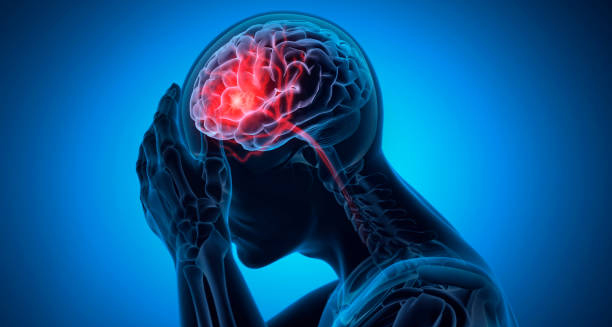
3D illustration of brain with highlighted red region showing neurological disruption linked to epilepsy

Causes of Epilepsy

Causes of Epilepsy The causes of epilepsy are diverse. In many cases, especially among adults, the exact cause may remain unknown. However, epilepsy often results from damage or disruption to brain function due to illness, injury, or genetic factors. Structural Causes Head injury – A blow to the head, especially with brain bleeding, can trigger seizures. Stroke – Interrupts blood flow to the brain and is a leading cause of epilepsy in older adults. Brain tumours or cysts – Can press on brain tissue and cause abnormal electrical signals. Birth injuries – Lack of oxygen during delivery may damage the infant’s brain and lead to seizures. Brain infections – Meningitis, encephalitis, and neurocysticercosis are common triggers. Genetic Factors Some types of epilepsy are inherited. Faulty genes may alter the way brain cells communicate. In these cases, epilepsy may appear in childhood and often runs in families. Genetic epilepsy syndromes may be mild or severe. Metabolic or Chemical Imbalance Conditions that disrupt the body’s chemical balance can cause seizures: Low blood sugar Very low sodium Liver or kidney failure Withdrawal from alcohol or drugs Developmental Disorders Conditions like autism, cerebral palsy, and Down’s syndrome are associated with a higher risk of epilepsy. Seizures may be one of several neurological complications. Causes of Epilepsy In South Africa In South Africa, causes like head trauma from car accidents, infections such as TB meningitis, and HIV-related brain complications are more common than in high-income countries. Neurocysticercosis, caused by tapeworm infection, is also a recognised trigger in areas with poor sanitation. Unfortunately, many cases go undiagnosed or untreated due to lack of access to healthcare or diagnostic tools like MRI and EEG. Rural clinics may also lack trained professionals to identify the condition. Understanding the causes of epilepsy helps guide treatment and, in some cases, prevent it. Better healthcare access and public education remain key to improving outcomes across all communities. [Next: Symptoms of Epilepsy →]

Causes of Epilepsy Read More »

Woman lying on ground during seizure while being helped, representing symptoms of epilepsy

Symptoms of Epilepsy

Symptoms of Epilepsy The symptoms of epilepsy depend on the type of seizure and the part of the brain affected. Since epilepsy is a spectrum disorder, symptoms can range from brief staring spells to intense convulsions. Some people are aware during seizures, while others lose consciousness entirely. Types of Seizures and Symptoms 1. Focal (Partial) Seizures These begin in one part of the brain and may or may not affect awareness. Focal aware seizures – The person remains conscious but may feel unusual sensations, such as: Tingling or numbness Flashing lights or strange smells Sudden fear or déjà vu Focal impaired awareness seizures – The person may seem confused, stare blankly, or perform repetitive actions like chewing or fumbling. They may not respond when spoken to. 2. Generalised Seizures These affect both sides of the brain and usually cause a loss of consciousness. Tonic-clonic seizures (grand mal) – Stiffening of the body followed by jerking movements. May include: Crying out Drooling Loss of bladder control Confusion after the seizure Absence seizures (petit mal) – More common in children. Involve staring into space for a few seconds, often mistaken for daydreaming. Myoclonic seizures – Sudden, brief jerks of the arms or legs, often shortly after waking. Atonic seizures – Sudden loss of muscle tone, leading to falls or head drops. Warning Signs Before a Seizure Some people experience an aura—a set of warning symptoms like nausea, fear, or visual distortions—before a seizure starts. Auras can help people prepare or alert others. After a Seizure (Postictal State) Following a seizure, a person may feel: Confused or sleepy Tired and weak Headachy or disoriented Unable to speak clearly for a short time Recovery may take minutes or hours, depending on the seizure type. Symptoms of Epilepsy In South Africa In South Africa, epilepsy symptoms are often misunderstood. People experiencing seizures may be taken to traditional healers or feared by their community. Misdiagnosis is also common, especially in rural clinics with limited diagnostic tools. Raising awareness of the symptoms of epilepsy is critical for encouraging early medical intervention and reducing stigma. [Next: Diagnosis of Epilepsy→]

Symptoms of Epilepsy Read More »

Doctor analysing digital brain scans for epilepsy diagnosis

Diagnosis of Epilepsy

Diagnosis of Epilepsy The diagnosis of epilepsy involves identifying the cause and type of seizures a person is experiencing. Since epilepsy is not a single condition but a group of disorders, diagnosis requires a detailed medical evaluation and often several tests. An accurate diagnosis is essential to determine the best treatment plan and rule out other conditions. Medical History and Symptom Review The first step in diagnosis includes: A detailed description of the seizure episodes What happened before, during, and after the seizure Family history of epilepsy or other neurological conditions Known head injuries, infections, or developmental delays Witness accounts can be very helpful, especially if the person having seizures is unable to recall the event clearly. Physical and Neurological Examination Doctors perform a full examination to assess brain and nervous system function. This includes checking: Reflexes Muscle tone Balance and coordination Speech and memory While the exam might be normal between seizures, it helps rule out other conditions. Electroencephalogram (EEG) The EEG is one of the most important tools in diagnosing epilepsy. It measures electrical activity in the brain using small sensors attached to the scalp. Doctors look for unusual patterns that may suggest epilepsy, even if the person is not actively having a seizure during the test. Sometimes, a sleep-deprived EEG or video EEG monitoring is needed to capture abnormal activity more clearly. Brain Imaging MRI scans help detect structural changes in the brain, such as tumours, scarring, or malformations. CT scans may be used when MRI is not available, although they are less detailed. Advanced centres may use PET or SPECT scans in complex cases. Blood Tests These are used to check for: Infections or inflammation Metabolic or genetic disorders Medication levels (if already on treatment) Diagnosis of Epilepsy In South Africa In South Africa, access to EEG and MRI scans may be limited in rural or underfunded areas. As a result, epilepsy is often diagnosed based on symptoms and history alone. Where available, mobile health units and referral systems help connect patients to urban centres with diagnostic equipment. The diagnosis of epilepsy must be thorough and timely. A clear diagnosis opens the door to proper treatment and long-term management. [Next: Treatment of Epilepsy →]

Diagnosis of Epilepsy Read More »

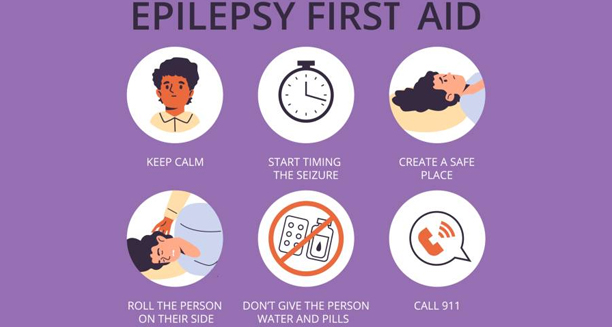
Infographic showing epilepsy first aid steps including seizure management

Treatment of Epilepsy

Treatment of Epilepsy The treatment of epilepsy focuses on controlling seizures, improving quality of life, and preventing complications. While epilepsy is a chronic condition, many people become seizure-free with the right medication and support. Others may need ongoing care and adjustments to their treatment plan. Anti-Seizure Medications Also called antiepileptic drugs (AEDs), these are the first line of treatment. Common medications include: Sodium valproate Lamotrigine Carbamazepine Levetiracetam Topiramate The choice of medication depends on the type of seizures, age, sex, side effects, and whether the person is pregnant or planning to become pregnant. Doctors usually start with a low dose and adjust slowly. Many people respond well to just one medication. If not, a combination may be needed. Side effects vary but may include fatigue, dizziness, weight gain or loss, mood changes, or blurred vision. Regular follow-ups are essential to monitor for side effects and adjust treatment as needed. Lifestyle Management Regular sleep, stress management, and avoiding seizure triggers help reduce episodes Healthy diet and hydration are important Alcohol and recreational drugs should be avoided, as they can interfere with medications or trigger seizures Driving restrictions may apply until seizures are controlled Ketogenic Diet This high-fat, low-carb diet may help some people with drug-resistant epilepsy—especially children. It should be followed under the guidance of a dietitian and medical team. Surgery For some people whose seizures originate from a specific area of the brain and don’t respond to medication. Brain surgery may be considered. This is only done after extensive testing, including video EEG and imaging. Vagus Nerve Stimulation (VNS) A device implanted under the skin sends electrical signals to the brain via the vagus nerve. It can help reduce seizure frequency in some patients. Treatment of Epilepsy In South Africa In South Africa, rural clinics may have limited access to medication, and public hospitals often lack expensive drugs. Non-compliance due to cost or misunderstanding is a major challenge. Public health efforts focus on education, treatment access, and destigmatisation. The treatment of epilepsy requires a long-term, individualised approach. With the right care, many people live full, independent lives. [Next: Complications of Epilepsy →]

Treatment of Epilepsy Read More »

Blurred image of person lying unconscious after a seizure, illustrating epilepsy complications

Complications of Epilepsy

Complications of Epilepsy The complications of epilepsy range from physical injuries to emotional and social challenges. While epilepsy itself is not always dangerous, uncontrolled seizures can have serious consequences. Early treatment and consistent follow-up help reduce risks significantly. Physical Injuries Seizures can occur without warning, increasing the risk of: Falls or head injuries Burns (if near a stove or fire) Drowning (during unsupervised swimming or bathing) Road accidents (if seizures occur while driving) Safety modifications at home and education for caregivers can reduce the likelihood of injuries. Status Epilepticus This is a medical emergency where a seizure lasts more than five minutes or multiple seizures occur without recovery in between. It requires immediate treatment to prevent brain damage or death. Emergency care with oxygen, IV medication, and sometimes intubation is needed. Sudden Unexpected Death in Epilepsy (SUDEP) SUDEP is rare but tragic. It usually happens during sleep and involves breathing or heart rhythm changes. The risk is higher in people with frequent, uncontrolled generalised seizures. Good seizure control is the best way to lower the risk. Cognitive and Emotional Effects Some people with epilepsy experience: Memory problems Learning difficulties Attention issues Depression or anxiety Children may struggle at school due to missed days, stigma, or side effects from medication. Social and Occupational Challenges Living with epilepsy can affect: Education and employment Driving eligibility Personal relationships Self-esteem and independence Stigma remains a major barrier, particularly in South Africa, where epilepsy is often misunderstood or feared. Some people face rejection, isolation, or discrimination due to myths and misinformation. Complications of Epilepsy In South Africa Limited public education and poor access to specialists worsen these complications. Many people delay treatment or stop taking medication due to cost, belief in traditional cures, or social pressure. NGOs and epilepsy support groups are working to improve care, provide information, and protect patient rights. The complications of epilepsy are not inevitable. With the right medication, lifestyle support, and education, people with epilepsy can manage their condition safely and confidently. [Next: Back to Overview →]

Complications of Epilepsy Read More »

Medical diagram comparing normal swallowing and dysphagia related to epiglottitis

Epiglottitis

Epiglottitis Epiglottitis is a rare but life-threatening condition in which the epiglottis—the flap of tissue that covers the windpipe during swallowing—becomes inflamed and swollen. This condition can block airflow to the lungs, making it a medical emergency that requires immediate attention. It can affect both children and adults, although it is more commonly seen in children under five. The epiglottis normally acts as a protective lid, preventing food and liquid from entering the windpipe. When inflamed, this flap can swell so severely that it restricts or completely blocks breathing. Without urgent treatment, suffocation can occur within hours of symptom onset. In children, the condition typically progresses very quickly. Adults may experience a slower onset of symptoms, but still require prompt medical care. Since the introduction of the Hib (Haemophilus influenzae type b) vaccine, cases of childhood epiglottitis have dropped significantly in countries with high immunisation rates. However, this still occurs, particularly in adults and in regions with low vaccine coverage. Epiglottitis In South Africa, disparities in healthcare access and incomplete vaccination schedules may increase the risk of epiglottitis in vulnerable communities. Raising awareness and ensuring up-to-date immunisations remain vital. Understanding epiglottitis is essential for rapid recognition and immediate treatment, which can save lives. [Next: Causes of Epiglottitis →]

Epiglottitis Read More »

Scroll to Top