Mental Matters

Health Conditions

Find information on various health conditions affecting people of all ages. This category covers causes, symptoms, diagnosis, and management options for physical illnesses and chronic diseases. Get insights to help you understand different health challenges and make informed decisions about your wellbeing.

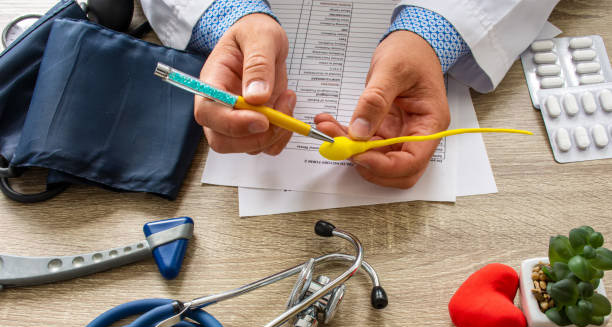
Doctor explaining male reproductive complications with anatomical model

Complications of Infertility

Complications of infertility extend far beyond the inability to conceive. While the main issue is not getting pregnant, infertility brings many other challenges. These include emotional pain, stress, relationship strain, money worries, and medical risks. Many people face repeated setbacks and physical discomfort. They may also deal with pressure from society or family. These added problems often make the experience even harder. Understanding the complications of infertility helps doctors, patients, and loved ones take a fuller approach to care. Emotional and Mental Struggles One of the biggest complications of infertility is emotional distress. Many people feel sadness, guilt, anger, or shame. Some also feel like they’ve lost a part of who they are, especially when having children was a strong personal or cultural dream. These emotions can lead to depression or anxiety. The risk is even higher after repeated failed treatments or miscarriages. Social life often suffers too. People may avoid friends or family with kids because it hurts too much. Infertility also puts strain on relationships. The stress of medical visits, hormone treatments, and money problems can hurt intimacy. Couples may fight about how far to go with treatment or whether to try other options like adoption. Sex can start to feel forced and timed, rather than loving or fun. Without honest talks and strong support, even solid relationships can start to crack. Physical, Financial, and Social Toll The treatments for infertility can take a toll on the body, especially for women. Fertility drugs may cause swelling, headaches, or mood swings. IVF treatments can sometimes cause ovarian hyperstimulation syndrome (OHSS), which leads to pain and bloating. Surgical steps like egg retrieval or laparoscopy come with risks too. These include infection, bleeding, or trouble with anaesthesia. Using hormone treatments again and again might also have long-term effects, although research is still ongoing. Money is another serious issue. Advanced treatments like IVF or donor procedures cost a lot. Many couples need several tries before success. In many places, health insurance doesn’t cover the cost. Expenses add up fast—doctor visits, tests, medicine, travel, and lab fees. Some families run through their savings or take on debt. Failed treatments feel even worse when money is tight. Social pressure adds more stress. In some cultures, having children is tied to status or marriage success. Often, women feel the most blame—even if the medical cause lies with the man. These pressures make people stay silent. They may avoid asking for help or telling their story. For men, infertility can challenge their sense of masculinity. As a result, some avoid diagnosis or treatment out of shame. Complications of Infertility After Pregnancy or Loss Repeated pregnancy losses bring more pain. Along with the grief, some women face medical issues like scarring, weak cervix, or clotting problems. These can affect future pregnancies or treatments. The constant cycle of hope and loss can feel never-ending. Some women even develop trauma symptoms, especially after later miscarriages. Even successful pregnancies from IVF may come with risks. These include multiple births, early delivery, low birth weight, or problems with the placenta. Babies may need more care, and mothers might face health issues too. Older women, who often get pregnant after years of trying, face a higher chance of diabetes, high blood pressure, or C-sections. Ethical and legal issues also come up. When donor sperm, eggs, or surrogates are used, there can be disputes over parenthood or finances. Laws don’t always keep up with new medical options. Couples may also struggle with what to do with extra embryos—keep them frozen, donate, discard, or try again later. Some people remain child-free, either by choice or because treatment didn’t work. Some find joy in other parts of life—work, travel, friends, or giving back. But others carry deep grief or regret, especially as they see their peers become parents or attend child-focused events. Children born through donor treatment may have their own challenges later. They might want to know where they came from. Parents may face hard questions about whether or how to tell them. In places where donor births are still frowned upon, this becomes even harder. Lastly, the complications of infertility affect more than just individuals. Infertility rates are rising due to later pregnancies, unhealthy habits, and pollution. This puts pressure on healthcare systems. More funding is needed for treatment, education, and mental health care. The stress people feel spills over into their work and social life. It becomes a bigger issue for communities too. In conclusion, the complications of infertility stretch far and wide. They touch emotions, bodies, relationships, finances, and even future generations. Medical care has come a long way. But the emotional, social, and financial parts need more attention too. A caring and well-rounded approach can make all the difference. It helps people not only try to conceive—but also stay strong and whole during the journey. [Next: Back to Overview →]
Complications of Infertility Read More »

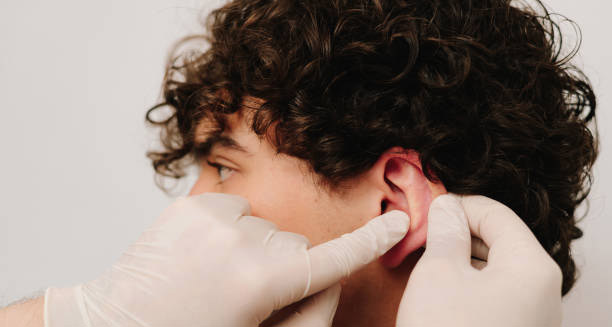
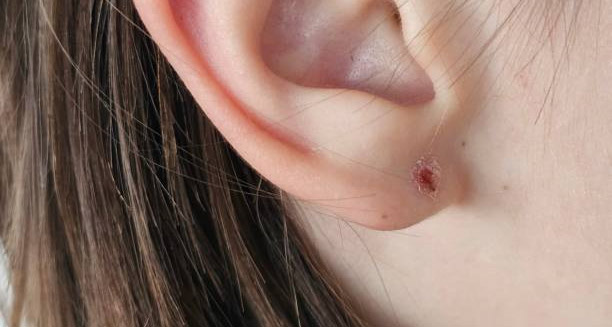
Close-up of an ear with an infected piercing

Infected Piercings

Overview of Infected Piercings Infected piercings are a common concern for individuals who undergo body modification, particularly in the form of ear, nose, or body piercings. While most piercings heal without problems, some do become infected. This happens when bacteria enter the small wound created by the piercing. The infection may start with mild irritation. But without treatment, it can quickly get worse. The overview of infected piercings shows that people of all ages can be affected. New piercings or unclean conditions raise the risk even more. A piercing is basically an open wound. The needle breaks the skin, which allows bacteria to enter. If the piercing studio uses clean tools and gives proper advice, the body usually begins healing well. Good aftercare helps too. But if hygiene is poor during or after the procedure, that open wound becomes a target for infection. Signs to watch for include redness, swelling, heat, pain, fluid discharge, and sometimes fever or spreading redness on the skin. Where Infections Happen Most Some body areas get infected more easily. This depends on how much blood reaches the spot, how often it touches things, and how much movement or friction happens. Cartilage piercings—like those in the nose or upper ear—are more risky than soft earlobe piercings. That’s because less blood flows through cartilage. Belly and genital piercings are also more prone to infection. These areas move more, stay moist, and come into contact with more germs. In some cases, the infection spreads beyond the piercing. This is rare but serious. It can affect nearby tissue or even enter the bloodstream. That’s why early care is so important. Fortunately, most infections respond well to treatment. Doctors may use skin cleaners or prescribe antibiotics. Even so, the best way to deal with infections is to stop them from happening in the first place. Clean equipment and careful aftercare are key. Infection Prevention in the Overview of Infected Piercings Many people choose piercings for cultural, personal, or style reasons. This trend keeps growing, but it’s important to understand the risks. The overview of infected piercings highlights why knowing how to spot and treat problems early really matters. It protects your health and helps your piercing last. By learning what causes infections and how to avoid them, people can enjoy body piercings safely. Proper care leads to better healing and fewer issues in the long run. [Next: Causes of Infected Piercings →]

Infected Piercings Read More »

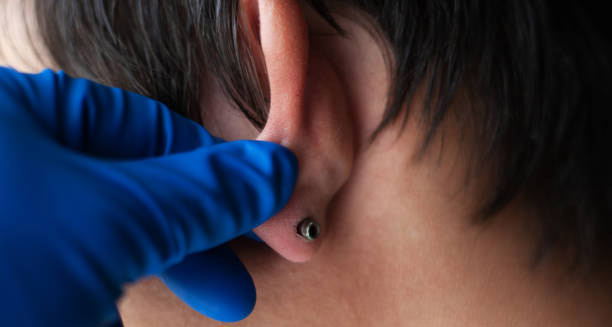
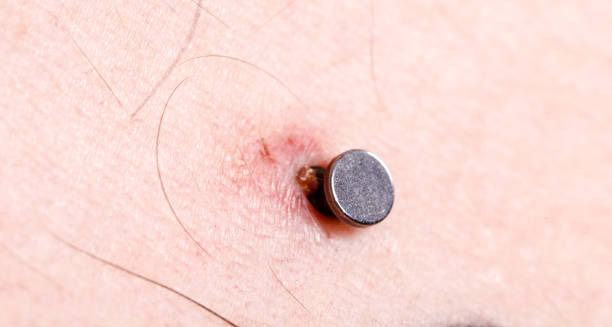
Infected skin around metal piercing on body

Causes of Infected Piercings

Causes of infected piercings stem from a variety of factors, ranging from poor hygiene and improper technique to environmental exposure and compromised immunity. A piercing creates a small wound in the skin or cartilage. The body works to heal this wound, but during that time, it stays open to infection. Many causes of infected piercings come from bacteria getting into the wound—either during the piercing or afterwards. This usually happens because of poor aftercare, bad hygiene, or contamination. Unclean Piercing Practices One of the biggest causes of infected piercings is dirty or unsafe piercing procedures. When the studio or piercer doesn’t use sterile tools, bacteria can enter the wound right away. Using unclean needles, skipping gloves, or inserting non-sterile jewellery can all spread harmful germs. These may include dangerous bacteria like Staphylococcus aureus or Pseudomonas aeruginosa. Infections caused by these bacteria often spread fast and may need medical care. Poor aftercare is another major reason piercings get infected. Once you leave the piercing studio, you must care for the wound properly. Not cleaning it with sterile saline, or touching it with dirty hands, lets bacteria in. Some people use harsh chemicals like alcohol or peroxide. These slow down healing and irritate the skin, which can trigger infection. Wearing tight clothes over new body piercings or sleeping on fresh ear piercings can also trap moisture and germs. Jewellery, Trauma, and Movement Physical injury to the piercing area can also cause infection. This happens when the jewellery gets caught on clothes, pulled by mistake, or twisted too often. These actions damage the skin and create tiny tears. Bacteria can then enter through these weak spots. Moving the jewellery too much also slows healing, making the area more open to infection. The type of jewellery you wear also matters. Some metals, like nickel, can cause allergic reactions. These reactions bring swelling and irritation, which can lead to infection. Safer choices include surgical stainless steel, titanium, or niobium. These metals are less likely to cause a reaction. Cheap or badly made jewellery, especially in places like the nose or nipple, increases infection risks. Environmental and Health Risks Another common group of causes of infected piercings comes from the environment. Swimming soon after piercing, whether in pools, lakes, or hot tubs, exposes the wound to harmful bacteria. Germs like E. coli and Mycobacterium live in water and often cause hard-to-treat infections. Dusty or dirty surroundings also raise the risk, especially if the piercing stays unclean. Some people also have health conditions that make them more likely to get infected. Diabetes can slow healing and weaken the immune system. People on chemotherapy or taking immune-suppressing medicine are also at greater risk. Even a small mistake in hygiene can turn serious in these cases. Changing or touching the jewellery too soon also causes problems. Healing takes weeks—or even months—depending on where the piercing is. Many people assume healing is done once the pain goes away. But inside the tissue is still recovering. Switching earrings or studs early can rip that healing tissue, opening the door to infection. Misinformation and Unsafe Advice Poor advice from friends or the internet can also lead to trouble. Home remedies and online tips often suggest harmful things. Some people apply products like petroleum jelly or scented lotions. These clog the skin and trap bacteria instead of helping it heal. Preventing the Causes of Infected Piercings To sum up, the causes of infected piercings include many factors—bad piercing practices, poor care, injury, wrong jewellery, exposure to germs, and personal health issues. Learning what causes these infections helps you protect yourself. Whether your piercing is for fashion, culture, or personal meaning, good care and smart choices make all the difference. [Next: Symptoms of Infected Piercings →]

Causes of Infected Piercings Read More »

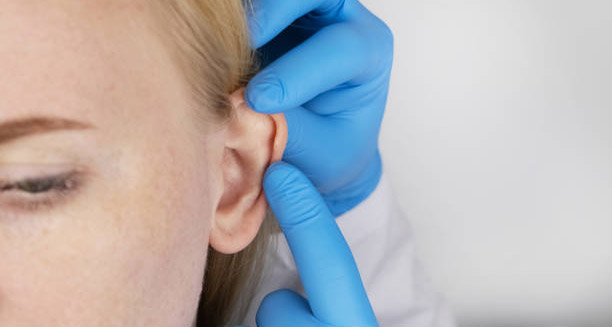
Infected earlobe with swelling, redness, and pus from piercing

Symptoms of Infected Piercings

Symptoms of infected piercings can vary in severity depending on the site of the piercing, the nature of the infection, and how early the condition is identified. Right after getting pierced, mild redness and tenderness are common. But it’s important to spot signs that go beyond normal healing. Catching the symptoms of infected piercings early helps start treatment quickly. This reduces complications and raises the chances of keeping the piercing. Early Skin Changes Around the Piercing One of the first signs is redness around the pierced area. Some redness is normal at first, but if it gets worse or spreads, it may show infection. The area may also feel warm, which signals your body is reacting to something wrong. When redness, heat, swelling, and pain show up together, they usually point to infection. Discharge is another key symptom of infected piercings. While clear fluid is normal in healing, thick yellow, green, or white pus means there are bacteria. The discharge may also smell bad. In worse cases, it crusts around the jewellery or sticks to clothes. If this happens for more than a few days, or gets worse, the area likely needs treatment. Pain, Fever, and Swelling Pain that grows instead of fading is another warning sign. While some soreness is normal, sharp or throbbing pain that affects your daily life often signals trouble. The pain might get worse when touched or moved. In some cases, it spreads beyond the piercing. A fever may also develop, and this is a serious sign. It means the infection could be spreading in your body. This is called a systemic infection. If a fever comes with chills, tiredness, or swollen glands, it’s time to get help right away. Swelling that grows larger or feels firm may be caused by an abscess. An abscess is a pocket of pus under the skin. These can hurt, feel hot, and raise the skin. Some need to be drained by a doctor. Waiting too long can cause scarring or spread the infection. Unusual Signs to Watch For Sometimes infected piercings look bruised or dark. A small bruise right after piercing is common. But if the skin turns purple or black, it may mean blood flow is blocked. This can happen when there’s too much swelling. It’s especially dangerous in cartilage, which already has poor blood flow. Healing that seems to go backward is another clue. If a piercing was healing but suddenly starts hurting, looking red, or leaking fluid again, it could mean a second infection. This often happens from friction, hitting the area, or bacteria exposure—even weeks later. Other symptoms of infected piercings include constant itching or burning. Itching might just be healing or a reaction to jewellery. But if it comes with swelling, redness, or pus, infection is more likely. Scratching can break the skin, making it worse. Serious Complications and General Illness In rare but serious cases, tissue around the piercing may die. This is called necrosis. The skin may turn dark, cold, or black. It’s a medical emergency and needs fast treatment. Necrosis may happen when infection is not treated or if poor jewellery choices cut off blood flow. Symptoms of infected piercings may also affect how you feel overall. You might feel tired, lose your appetite, or just feel unwell. While these aren’t specific, they often appear when the infection spreads. Recognising Symptoms of Infected Piercings Saves Time To sum up, the symptoms of infected piercings include both local signs and whole-body effects. Redness, pain, heat, pus, swelling, and slow healing are common. Fever and tiredness are signs of more serious problems. Spotting these signs early and getting the right care helps avoid scarring or losing the piercing. Knowing what to look for helps keep both your health and your piercing safe. [Next: Diagnosis of Infected Piercings →]

Symptoms of Infected Piercings Read More »

Healing Childhood Trauma

Diagnosis of Infected Piercings

Diagnosis of infected piercings involves a careful clinical assessment of the affected area to confirm whether the signs and symptoms are due to infection or simply part of the normal healing process. New piercings often show some redness, tenderness, and light discharge. These signs can be normal at first. So, it’s important to know when these symptoms are part of healing and when they point to an infection. The diagnosis of infected piercings helps make sure treatment starts early. This avoids bigger problems and helps save the piercing. What Happens During a Check-Up The most useful step in diagnosis is a full check by a trained healthcare provider. They will carefully look at the area for common signs of infection. These include swelling, heat, redness, pus, and pain. The color and type of fluid can help too. Clear fluid may be part of healing, while yellow or green pus is a strong sign of infection. A light touch may be used to feel for swelling or pockets of fluid under the skin. Your doctor will also ask about the piercing itself. When was it done? Was it done by a professional? Was sterile equipment used? These questions help figure out how the infection started. They may also ask about aftercare, whether the area was exposed to dirty water, like in pools or gyms, or if the piercing was bumped or handled roughly. Self-treatment efforts will also be discussed. What Else Could Be Going On? It’s not always easy to tell infection from other problems. Some people react to jewellery, especially if it contains nickel. This kind of reaction might look like an infection but doesn’t include pus or fever. Bumps like keloids or thick scars can look like abscesses too. But they are not caused by germs. If there’s doubt, extra tests can help clear things up. When Infections Don’t Respond If a piercing doesn’t improve with basic treatment, or if it gets worse, your doctor may take a sample of the fluid. This test, called a wound culture, shows which bacteria are causing the infection. It also tells which antibiotics will work best. This is important if there’s a chance of resistant bugs like MRSA. If an abscess is suspected, imaging like an ultrasound may be done. This can find pockets of pus under the skin that are hard to see. It also helps the doctor decide whether the area needs to be drained. For deeper infections, such as in cartilage, scans can check if the infection has spread or done damage. Dealing with More Serious Signs Some signs mean the infection is not just local. These include fever, tiredness, or swollen glands. If these appear, blood tests might be ordered. A CBC checks for signs of infection in the blood. Other tests like CRP or ESR measure inflammation. These help the doctor know how serious the infection is. People with long-term health issues, like diabetes or a weak immune system, may face more risks. Infections in these patients can be harder to spot and may get worse quickly. Tests such as blood sugar checks can show if another condition is slowing down healing. This helps guide the right treatment plan. Diagnosis of Infected Piercings in High-Risk Situations Sometimes the piercing was done at home or in a place that didn’t follow clean methods. In these cases, pieces of metal or other materials may get stuck under the skin. These can trigger or worsen infection. An X-ray or ultrasound may be needed to find and remove them, especially for deep or cartilage piercings. In most cases, the diagnosis of infected piercings comes from the way it looks and feels. Still, when there’s no clear answer or when basic care fails, further tests help figure things out. A mix of questions, visual checks, and tests ensures the right steps are taken. In short, the diagnosis of infected piercings needs a careful approach. Acting early avoids bigger problems and saves the piercing. With a good check-up and the right support, doctors can guide patients to healing—whether through simple care, medicine, drainage, or specialist help. [Next: Treatment of Infected Piercings →]

Diagnosis of Infected Piercings Read More »

Medical professional examining an infected ear piercing

Treatment of Infected Piercings

Treatment of infected piercings focuses on eliminating the underlying infection, relieving symptoms, and preventing complications or loss of the piercing. Catching an infection early makes a big difference. It helps the piercing heal faster and lowers the chance of problems. How you treat it depends on how bad the infection is, where it is on the body, and whether it has spread. How to Handle Mild Infections Mild infections often get better with good hygiene and local care. Clean the area twice a day with sterile saline solution. This washes away bacteria, reduces swelling, and helps the wound heal. You can also use mild antiseptics like diluted chlorhexidine, but stay away from harsh ones like alcohol or hydrogen peroxide. These strong chemicals can hurt the skin and slow down healing. Warm saline soaks help soften crusts and pull out small infections, especially in the earlobe or nose. Keep the jewellery in place unless your doctor says otherwise. Taking it out too soon can close the hole and trap the infection inside. That makes things worse. If the jewellery causes irritation—like when it’s made of nickel—it might need to be swapped for something safer, such as titanium or surgical steel. When Infections Get Worse Sometimes, infections don’t improve with home care. If that happens, a doctor might prescribe antibiotic ointment like mupirocin. If the infection is spreading, oral antibiotics such as flucloxacillin or cephalexin may be needed. Doctors often start with general antibiotics, then adjust the treatment if test results show which bacteria are causing the infection. If a painful lump filled with pus (called an abscess) forms, a doctor may need to drain it. They will make a small cut to let the pus out, reduce pressure, and help healing. This should never be done at home. Trying to pop or squeeze it can spread the infection and make things worse. Treatment of Infected Piercings in Cartilage Cartilage piercings, like those on the upper ear or nose, can be tricky. These areas don’t get much blood, so they don’t heal as well. If an infection sets in, it can quickly lead to tissue damage or permanent changes in shape. These cases need quick and strong treatment with oral antibiotics and close watching. If you get a fever, feel very tired, or notice swollen lymph nodes, get medical help right away. These signs may mean the infection is spreading into the blood. This is very serious and may need hospital care with antibiotics through a drip. While this doesn’t happen often, it’s dangerous if ignored. Allergic Reactions and Pain Relief Sometimes, a reaction to the jewellery can look like an infection. If redness, itching, or swelling don’t get better with antibiotics and there’s no pus or fever, it might be an allergy. In that case, change to hypoallergenic jewellery. Your doctor may suggest allergy medicine or a mild cream to reduce swelling. Pain relief is also important. Medicines like paracetamol or ibuprofen help with pain, swelling, and fever. They also help you rest better while your body heals. Support Your Body While Healing Your body heals better with the right support. Drink lots of water, get enough rest, eat healthy food, and stay away from smoking and alcohol. Try not to bump or pull the piercing. For example, avoid sleeping on a fresh ear piercing or doing heavy workouts that might affect a body piercing. Sometimes, if nothing else works, the piercing may need to be removed. This is usually the last choice. If tissue damage, repeat infections, or scarring occur, a doctor may advise removing it. After healing, you can ask about re-piercing in the future. After the Infection Clears Even when the infection clears up, aftercare still matters. Keep cleaning the area gently for a few more weeks. Watch for signs of the infection coming back. If scarring or skin changes appear, you might ask a skin doctor for help. They can offer creams or other treatments to improve how the area looks. In short, the treatment of infected piercings needs quick action, smart care, and a little patience. Whether it’s a mild problem or a severe case, there are many safe and effective options. Dealing with it the right way helps you keep the piercing and keeps your skin healthy too. [Next: Complications of Infected Piercings →]

Treatment of Infected Piercings Read More »

Close-up of an infected ear piercing being examined

Complications of Infected Piercings

Complications of infected piercings can range from minor delays in healing to serious and potentially permanent damage to tissue and overall health. Although many infections clear up with quick treatment and proper care, ignoring symptoms or using the wrong remedies can make things worse. Understanding the complications of infected piercings helps people see why even small problems need attention and why expert care is often necessary. Prolonged Healing and Tissue Changes One of the most common complications of infected piercings is slow healing. Infections interrupt the body’s normal repair process, which leads to longer-lasting swelling, pain, and poor tissue recovery. A piercing that should heal in weeks may take months. During this time, it’s more likely to get hurt or reinfected. Ongoing inflammation can also cause scar tissue to build up. This not only delays healing but can also change how the piercing looks. In some cases, the area may never fully return to normal. Raised Scars and Abscess Formation in Complications of Infected Piercings Infected piercings often lead to raised scars, known as hypertrophic scars or keloids. These thick, raised patches can itch or feel uncomfortable. Some grow beyond the piercing site and are hard to treat. Doctors may use steroid injections, freezing treatments, or lasers to reduce their size. Another serious issue is abscess formation. An abscess is a painful pocket of pus under the skin. If not treated quickly, it can burst inward, spread infection, and cause cellulitis—a dangerous skin infection. Cartilage piercings, such as those on the upper ear or nose, are more likely to develop abscesses due to low blood flow. Life-Threatening Complications of Infected Piercings In rare cases, infection can enter the bloodstream and cause septicaemia, or sepsis. This is a medical emergency that moves fast. Signs include fever, chills, confusion, fast heart rate, and organ failure. People with weak immune systems are most at risk. Immediate hospital care and IV antibiotics are crucial to survival. Another risk is cartilage necrosis. If infection cuts off the blood supply in areas like the ear or nose, tissue can die. This may cause permanent changes, like a misshapen ear or collapsed nose. In these cases, surgery may be needed to remove dead tissue and rebuild the area. Loss of Piercing and Other Local Effects When an infection gets out of control, the piercing hole may close or no longer support jewellery. This is often upsetting, especially for people who value the piercing for personal or cultural reasons. After a severe infection, re-piercing the same spot may not be possible or safe. Swelling from infection can also cause the skin to grow over the jewellery—a problem known as embedding. This often happens when the jewellery is too small or when the infection causes the skin to swell too much. Surgery may be needed to remove the jewellery and clean the area. If ignored, embedding can cause pressure sores, repeat infections, and permanent scarring. Migration, Rejection, and Other Specific Risks Some piercings may begin to move or be pushed out by the body—this is called migration or rejection. Infections make this worse by inflaming the area and triggering an immune response. When this happens, the jewellery often leaves a scar and can’t be replaced in the same spot. Mouth and genital piercings bring extra risks. Infections in the tongue or lip can swell so much that they block airways or damage teeth. Genital piercings may cause pain during sex, lead to urinary infections, or form scars. These areas also face more friction and contact with bodily fluids, which raises the risk of infection. Mistaken Reactions and Emotional Impact Sometimes, allergic reactions to jewellery are mistaken for infections. Treating an allergy with antibiotics does nothing and may cause rashes or fungal infections. On the flip side, calling a real infection an allergy can delay treatment and allow the condition to worsen. Finally, the emotional effects of infected piercings are often overlooked. People may feel embarrassed, anxious, or regretful—especially if there is visible damage. This is particularly hard for young people who see their piercings as part of their identity or self-expression. Protecting Against the Complications of Infected Piercings In short, the complications of infected piercings range from small annoyances to medical emergencies. Delayed healing, scars, abscesses, tissue death, and widespread infection are all possible if not treated quickly. To avoid these outcomes, people should follow aftercare instructions, act at the first sign of trouble, and always choose good-quality jewellery. These steps help protect both health and personal style. [Next: Back to Overview →]

Complications of Infected Piercings Read More »

Man holding a cardboard sign with the word "HELP" in front of groin area

Overview of Impotence

Impotence, also referred to as erectile dysfunction (ED), is a widespread condition defined by the persistent inability to achieve or maintain an erection sufficient for sexual activity. While most men may face erection problems from time to time, impotence becomes a concern when it happens often. Frequent episodes can lower confidence, harm relationships, and affect mental well-being. The condition affects millions of men worldwide, especially those over 40, though younger men can also struggle with it. Importantly, it’s not just part of getting older. It can point to deeper health problems that need attention. Physical and Emotional Roots Behind the Overview of Impotence Getting an erection involves many systems working together. Blood needs to flow properly to the penis. Nerves must carry signals from the brain. Hormones—especially testosterone—must be at healthy levels. Even emotions need to be balanced. If anything in this chain fails, impotence can occur. Chronic illnesses like diabetes or heart disease often play a part. So do mental health challenges like anxiety or depression. Lifestyle habits also have a big impact. Smoking, heavy drinking, poor diet, and not enough exercise all raise the risk of impotence and make it harder to treat. The Emotional Toll and Growing Openness The overview of impotence would be incomplete without looking at its emotional impact. Many men feel embarrassed, ashamed, or frustrated when they face erectile problems. These feelings often cause even more stress, making the condition worse. Without help, this cycle can be hard to break. The good news is that help is available. Today’s medical treatments work well and treat both the body and mind. With support, many men recover both confidence and sexual function. The Overview of Impotence as a Health Warning Doctors now see impotence as more than just a sexual issue. It can be a sign of bigger health problems. In some cases, it shows up years before heart disease. Because of this, doctors now use it as a red flag for testing heart health and overall wellness. This shift in thinking has changed how men and doctors deal with impotence. Instead of hiding it, men are urged to speak up, check their habits, and take charge of their health early on. Treatment Options in the Overview of Impotence Pills like sildenafil (Viagra) and tadalafil (Cialis) offer quick results. But these medicines work best when paired with lifestyle changes. Eating well, getting regular exercise, and taking care of mental health all help. Relationship support and counselling can also make a big difference. When pills don’t work, other options exist. These include vacuum pumps, hormone shots, or even surgery. Many men find one of these solutions helpful when other methods fail. A Modern View on the Overview of Impotence To sum up, the overview of impotence shows that it’s not caused by just one thing. It involves the body, the mind, and often lifestyle choices. Catching it early and getting help can lead to big improvements—not just in sex, but in overall health and happiness. As people talk more openly about men’s health, the stigma around impotence is fading. More men are getting help, and more are finding lasting solutions that work for them. [Next: Causes of Impotence →]

Overview of Impotence Read More »

Frustrated man sitting on bed with head in hands, struggling with impotence

Causes of Impotence

Causes of impotence are varied and often involve a combination of physical, psychological, and lifestyle factors. Impotence affects men of all ages, especially those over 40. It does not always come from ageing. Often, it signals hidden health problems or habits that affect how the body works. To treat and prevent it well, we must understand what causes it. Finding the exact cause helps doctors choose the best treatment, whether it’s medicine, therapy, or lifestyle changes. The body needs several systems to work together to get and keep an erection. The brain, nerves, blood flow, muscles, and hormones all play a role. If anything in this system breaks down, impotence can result. Physical Causes of Impotence One of the most common causes of impotence is poor blood flow. Conditions like clogged arteries (atherosclerosis), high blood pressure, and high cholesterol damage the blood vessels. These problems reduce blood flow to the penis. Without enough blood, erections become weak or don’t happen at all. Nerve problems also lead to impotence. Illnesses such as multiple sclerosis, Parkinson’s disease, and stroke can block the brain’s messages from reaching the penis. Injuries to the spinal cord or surgeries near the pelvic area can do the same. Diabetes is a top cause of impotence because it damages both nerves and blood vessels over time. Hormones also play a key role. Low testosterone, often from ageing, hormone disorders, or treatments like chemotherapy, can lower sex drive and weaken erections. Other hormone issues, like thyroid problems or high prolactin, can also hurt sexual performance. Medication and Psychological Causes of Impotence Some medicines are known causes of impotence. Pills for high blood pressure, depression, anxiety, or prostate problems may reduce sexual function. Common examples include beta-blockers, water tablets, SSRIs, and antipsychotics. If this happens, doctors may switch to different medicines that don’t affect sex as much. Mental health also matters. The brain starts the erection process, and feelings can block it. Worry, sadness, low self-worth, or trouble in a relationship can all get in the way. For some men—especially those new to ED—fear of failure makes things worse. Often, mental and physical causes of impotence mix together, which makes treatment more complex. Lifestyle-Related Causes of Impotence Many lifestyle choices directly affect erection health. Smoking harms blood flow. Drinking too much lowers testosterone and dulls desire. Drug use, like cocaine or marijuana, changes brain chemistry and weakens erections. Being overweight or inactive raises the risk of heart disease and diabetes, both linked to ED. Sleep also plays a role. Poor sleep lowers testosterone and causes fatigue and mood swings. These changes affect sexual energy and blood flow. Conditions like sleep apnoea make things worse by reducing oxygen levels and harming the body’s healing and hormone systems. Surgical and Age-Related Causes of Impotence Some men experience impotence after surgery, especially in the pelvic area. Prostate or bladder surgery and colorectal cancer treatment can harm nerves and blood flow. Even with careful, nerve-sparing surgery, temporary or lasting erectile problems may follow. Age also plays a part, but it’s not the only reason. As men get older, hormones fall, blood vessels become stiff, and chronic illnesses become more common. These changes increase the chance of impotence. Still, many older men stay sexually active—especially if they take care of their health. In a few cases, the cause stays unknown. This is called idiopathic impotence. When this happens, doctors may order more tests and ask about stress, habits, or hidden health issues. Even when no clear cause appears, treatment is still possible. Understanding the Causes of Impotence In summary, the causes of impotence often connect in complex ways. Health problems like heart disease, nerve damage, and diabetes are common triggers. So are emotional struggles, bad habits, and side effects from medicine. Because erections rely on many body systems, even a small problem can break the process. A full medical review, honest conversation, and a balanced approach to treatment offer the best chance of recovery and better sexual health. [Next: Symptoms of Impotence →]

Causes of Impotence Read More »

Older man sitting on bed with head in hands, showing symptoms of impotence

Symptoms of Impotence

Symptoms of impotence may manifest differently depending on the underlying cause, the individual’s age, and the presence of contributing physical or psychological factors. The most common and defining symptom of impotence is the inability to get an erection, even with sexual arousal. For some men, this happens suddenly after a stressful event. For others, it starts slowly and worsens over time. Weak or rare erections often signal a deeper health issue like diabetes or poor circulation. In either case, struggling with erections can cause stress and lower sexual confidence. Other Key Symptoms of Impotence Another major issue is not being able to keep an erection long enough for satisfying sex. Sometimes, the erection starts strong but fades before or during penetration. This may happen because of poor blood flow, nerve damage, or anxiety. When it happens often, fear of failure grows. That fear can lead to avoiding sex completely, which makes the problem worse. A drop in sex drive is also part of the symptoms of impotence. Men may feel less interested in sex due to low testosterone, tiredness, depression, or relationship problems. When desire fades, it adds to the emotional stress of erectile issues. Some men may avoid intimacy entirely, which can harm their relationships. Anxiety about sexual performance is very common. It shows up as sweating, rapid heartbeat, or muscle tension. These symptoms often begin before or during sex. After a few failed attempts, the fear of failing again becomes strong. This anxiety can spill over into daily life, affecting self-worth and work. It’s important to treat these mental effects as part of the symptoms of impotence, not just as separate issues. Physical Clues in the Symptoms of Impotence Sometimes, other health signs appear along with impotence. For example, a man with diabetes may feel numbness in his hands or feet. Someone with heart disease might report chest pain or high blood pressure. These clues help doctors understand the bigger picture and find the root cause. A common warning sign is a drop in morning erections. Most healthy men, especially those under 50, get erections while sleeping or upon waking. If these stop happening, a physical cause is likely. Tests like sleep studies can measure night-time erections. These help doctors decide if the problem is physical or mental. Relationship Changes from the Symptoms of Impotence Changes in intimacy often affect couples. A man with impotence may pull away emotionally or avoid sex. His partner may feel rejected or confused. Over time, this can create tension or sadness in the relationship. Honest conversations between partners help reduce these problems. Therapy or counselling may also be useful. While impotence mainly affects erections, other sexual changes can occur. Some men notice delayed or absent ejaculation. Others may feel less pleasure during orgasm or see a drop in semen volume. These symptoms don’t always share the same causes as impotence, but they often appear together and should be addressed during evaluation. Recognising the Symptoms of Impotence Early It’s important to know the difference between short-term problems and long-term impotence. Most men have occasional erection issues caused by stress, alcohol, or being tired. But if the issue lasts three months or more, or keeps returning, it may be clinical impotence. At this point, it’s best to talk to a doctor. Waiting too long can make treatment harder. In short, the symptoms of impotence include more than erection trouble. They involve emotional stress, low sex drive, performance anxiety, and relationship strain. These symptoms often reveal larger health problems. By noticing them early and seeking help, men can find the right treatment and rebuild sexual confidence and quality of life. [Next: Diagnosis of Impotence →]

Symptoms of Impotence Read More »

Scroll to Top