Treatment of Frostbite
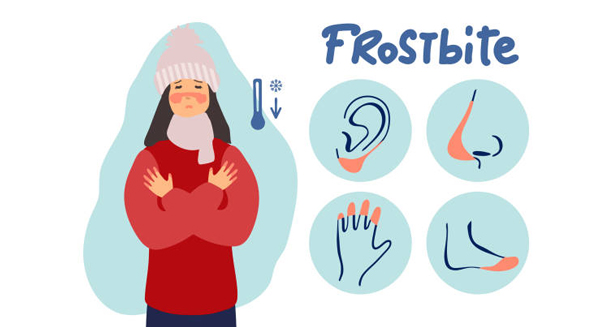
Treatment of Frostbite The treatment of frostbite aims to rewarm the affected area, relieve pain, prevent infection, and preserve tissue. Frostbite treatment must begin as soon as possible, ideally under medical supervision. Delays can result in permanent tissue loss or severe complications. Emergency First Aid If frostbite is suspected: Move the person to a warm, sheltered environment Remove wet clothing and replace it with dry, insulated layers Avoid walking on frostbitten feet or toes, as this may worsen the injury Do not rub or massage the area, which can cause more damage Begin gentle rewarming using warm (not hot) water—between 37–39°C—for 15–30 minutes Avoid rewarming if there’s a risk of refreezing, as this can cause further injury. Pain Management and Wound Care Rewarming can be extremely painful—pain relief (e.g., ibuprofen or morphine) may be necessary Blisters should not be burst, as they protect underlying tissue Apply sterile, non-stick dressings, and keep affected areas elevated to reduce swelling Antibiotics may be prescribed if there is a risk of infection Medical and Surgical Interventions Severe cases may require hospitalisation for monitoring and intravenous fluids Surgeons often delay decisions for 1–3 weeks after injury to fully assess the extent of the damage Surgery may be necessary in advanced frostbite: Debridement to remove dead tissue Amputation in cases of irreversible tissue death Surgeons often delay decisions for 1–3 weeks after injury to fully assess the extent of the damage. Long-Term Management Physiotherapy to improve mobility and function Treatment for chronic pain, cold sensitivity, or nerve damage Psychological support, especially if frostbite leads to amputation or permanent disability Treatment of Frostbite The treatment of frostbite is most effective when started early. Fast intervention can save tissue and prevent lasting harm. [Next: Complications of Frostbite →]