Mental Matters

Health & Wellness

Symptoms of Malignant Brain Tumour

Symptoms of Malignant Brain Tumour

The symptoms of malignant brain tumour can vary a lot. They depend on the tumour’s size, location, how fast it grows, and how much pressure it puts on nearby brain areas. Since the brain controls everything—movement, memory, speech, and more—even a small tumour can cause serious problems. Often, the nature of the symptoms offers the first clue. But these signs are easy to mistake for other health conditions. This section explains the most common and noticeable symptoms of malignant brain tumour. It helps patients, families, and healthcare workers spot early warning signs. Acting early can lead to faster diagnosis and better treatment. Headaches Headaches are one of the most common symptoms of malignant brain tumour. While most headaches aren’t serious, tumour-related ones have unique signs: These headaches happen when the tumour raises pressure in the skull or blocks the flow of brain fluid. Nausea or vomiting often comes with them, especially early in the day. Seizures Seizures often serve as the first sign of a brain tumour. They happen when the tumour irritates the brain or disrupts normal electrical signals. Different types of seizures include: Seizures in adults who’ve never had them before should always be checked further. Cognitive and Personality Changes Tumours in the frontal or temporal lobes can change how a person thinks or behaves. These changes may grow slowly and include: Personality shifts may also appear, such as: These early symptoms of malignant brain tumour can seem like stress or ageing at first. Vision or Hearing Disturbances Some tumours affect eyesight or hearing. Signs may include: Tumours near the optic nerve, occipital lobe, or brainstem are more likely to cause these problems. People don’t always notice these changes until they’re tested. Nausea and Vomiting Ongoing nausea or vomiting—especially without food or illness as a cause—can suggest a tumour. This often happens because of raised pressure in the brain, which activates the vomiting center. It usually occurs early in the morning and may come with a headache. If vomiting continues for no clear reason, seek medical advice. Balance and Coordination Problems Tumours in the cerebellum or brainstem can affect how you move. Symptoms of malignant brain tumour in these areas include: Older adults may confuse these symptoms with normal ageing or inner ear issues. Weakness or Numbness When a tumour presses on brain areas that control movement or sensation, it can cause: These symptoms might appear slowly or suddenly. They can look like signs of a stroke, so quick medical review is vital. Speech and Language Difficulties Some tumours affect brain regions that control speech. As a result, people may: These symptoms usually appear slowly but can greatly affect daily life and communication. Drowsiness and Fatigue Many people with brain tumours feel tired all the time. Causes include: Some people sleep too much, but still feel exhausted. Hormonal or Endocrine Symptoms Tumours near the pituitary gland or hypothalamus can cause hormone problems. These include: These signs point to hormonal imbalance and may need blood tests and imaging to confirm the cause. Symptoms of Malignant Brain Tumour in Children In babies and young children, symptoms may look different. Tumours can cause the skull to enlarge because pressure builds up. Warning signs include: These symptoms need urgent attention and a full neurological check-up. When to Seek Medical Attention Many of these symptoms can happen in less serious conditions. But some red flags need urgent care: If these signs appear—especially in combination—see a doctor quickly to rule out or confirm a tumour. Summary The symptoms of malignant brain tumour can look like many other problems, which makes early diagnosis tricky. At first, signs like headaches or tiredness may not seem serious. Later symptoms, such as seizures, vision loss, or confusion, often mean the tumour has grown. Recognising these signs early gives patients the best chance for prompt treatment and improved survival. [Next: Diagnosis of Malignant Brain Tumour →]

Symptoms of Malignant Brain Tumour Read More »

Diagnosis of Malignant Brain Tumour

Diagnosis of Malignant Brain Tumour

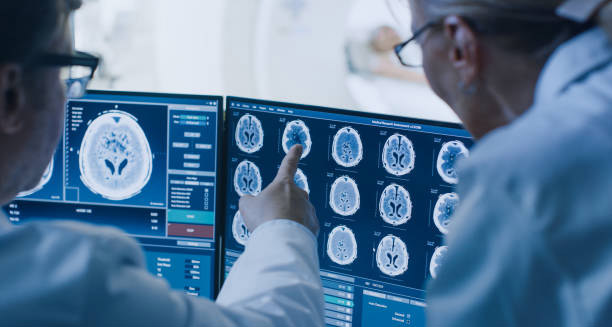
Accurate diagnosis of malignant brain tumour is crucial for starting treatment quickly and improving outcomes. These tumours grow fast and can threaten life. Because symptoms often overlap with other conditions, doctors use a careful step-by-step approach that combines clinical exams and advanced imaging. This section explains the full process of diagnosing malignant brain tumour. We cover symptoms, tests, and tools doctors use to confirm the diagnosis. Initial Clinical Evaluation The diagnosis of malignant brain tumour begins with a detailed patient history and physical exam. Doctors ask about: Next, the neurological exam checks: If doctors find any abnormalities, they use this information to localize the tumour and decide how urgently to do more tests. Imaging Tests Brain imaging forms the backbone of the diagnosis of malignant brain tumour. Two main types are used: Magnetic Resonance Imaging (MRI)MRI provides the most detailed images of brain soft tissues. It uses magnets and radio waves to show: Using contrast dye (gadolinium) improves image clarity. MRI can also map brain activity (fMRI) or blood flow (perfusion MRI) to help grade the tumour. Computed Tomography (CT) ScanCT scans are faster and used in emergencies like sudden seizures or stroke-like symptoms. They detect: CT is less detailed than MRI and usually acts as a first screening tool. Advanced Imaging Techniques To better understand tumour behavior and guide treatment, doctors may order: Magnetic Resonance Spectroscopy (MRS)This test analyzes brain chemicals. Malignant tumours show high levels of choline and low N-acetylaspartate (NAA), helping distinguish tumour types. Positron Emission Tomography (PET)PET scans reveal tumour metabolism. Malignant tumours consume more glucose, which PET detects. PET helps: Biopsy A biopsy gives a definite diagnosis by examining tumour cells. Stereotactic Needle BiopsyDoctors insert a thin needle into the brain using MRI or CT guidance. This is best for tumours deep in sensitive areas. Advantages include: Open Surgical Biopsy (Craniotomy)For accessible tumours, surgeons remove a part of the skull to take a larger sample. This often happens alongside tumour removal surgery. Pathologists analyze biopsy samples to determine: This information guides chemotherapy, radiotherapy, and prognosis. Lumbar Puncture (Spinal Tap) Sometimes doctors perform a lumbar puncture to test cerebrospinal fluid (CSF), especially if the tumour affects the meninges or spinal cord. This test detects: However, this test is avoided if there is high pressure inside the skull because of the risk of brain herniation. Blood Tests Blood tests cannot detect brain tumours directly. Still, they help: Genetic and Molecular Testing Modern diagnosis relies heavily on molecular profiling. Testing tumour samples for gene mutations and protein markers helps: Examples include: Molecular testing is now essential for personalized care. Differential Diagnosis Before confirming malignant brain tumour, doctors consider other conditions with similar symptoms: Accurate imaging and biopsy help tell these apart. Multidisciplinary Review After all tests, a tumour board of specialists—neurosurgeons, neurologists, oncologists, radiologists, and pathologists—reviews the case. Together, they confirm the diagnosis and plan the best treatment. Summary The diagnosis of malignant brain tumour involves many steps. It starts with clinical evaluation, followed by advanced imaging, biopsy, and molecular testing. Early and precise diagnosis allows doctors to plan effective treatment and improve patient outcomes. Advances in technology and genetics make diagnosis more accurate than ever. [Next: Treatment of Malignant Brain Tumour →]

Diagnosis of Malignant Brain Tumour Read More »

Treatment of Malignant Brain Tumour

Treatment of Malignant Brain Tumour

The treatment of malignant brain tumour requires a multifaceted, carefully tailored approach involving a combination of surgery, radiation therapy, chemotherapy, targeted treatments, and supportive care. The choice of therapy depends on several critical factors, including the tumour’s type, location, size, grade, genetic profile, and the patient’s overall health. Because malignant brain tumours are aggressive and can significantly affect neurological function, treatment goals often focus on prolonging life, relieving symptoms, and preserving quality of life. In this section, we explore the various treatments used for malignant brain tumour. We cover standard methods, new therapies, and supportive care options. Surgical Treatment of Malignant Brain Tumour Surgery usually starts the treatment of malignant brain tumours, especially when the tumour is reachable and safe to remove. Surgeons perform a craniotomy, which means removing part of the skull to reach the brain and take out as much tumour as they can. Goals of Surgery: Sometimes, doctors cannot remove the whole tumour because it is close to vital brain parts. In these cases, they remove part of it and follow up with other treatments. Advanced Surgical Techniques: These tools make surgery safer and more effective. Radiotherapy in Treatment of Malignant Brain Tumour Radiation therapy plays a key role, especially when surgery cannot remove the entire tumour or surgery isn’t an option. Types of Radiation Therapy: Patients usually get radiation daily for 5 to 6 weeks. Side effects can include tiredness, hair loss, nausea, and short-term memory problems. Doctors manage these with supportive medicines. Chemotherapy for Malignant Brain Tumour Chemotherapy uses strong drugs to kill fast-growing cancer cells. Doctors use it: Common Chemotherapy Drugs: Chemo can be given by mouth, through veins, or directly into the brain fluid. Tumours can become resistant, so doctors use genetic tests to choose the best drugs. Targeted Therapy Targeted therapy uses drugs that attack specific features or mutations in cancer cells. This approach protects healthy tissue better and is growing in use. Examples include: Doctors often use these when standard treatments don’t work or during clinical trials. Immunotherapy Immunotherapy is a newer approach that tries to help the immune system fight the tumour. Though still being studied, it shows promise. Types of Immunotherapy: Trials are ongoing to test safety and effectiveness, with mixed results so far. Tumour-Treating Fields (TTF) Tumour-treating fields use electric fields delivered by a wearable device to stop cancer cells from dividing. Though still being studied, TTFs may help improve survival when used consistently. Hormonal and Endocrine Management If the tumour affects the pituitary gland or hypothalamus, it can cause hormone problems. Treatment includes: Doctors carefully watch hormone levels to avoid further health problems. Palliative and Supportive Care Because malignant brain tumours grow quickly, supportive care is essential. This care includes: Palliative care often begins early to keep quality of life as high as possible. Clinical Trials and Emerging Therapies Patients often get the chance to join clinical trials. These studies test new treatments that are not yet widely available, including: Joining trials offers hope and helps improve future brain cancer care. Lifestyle and Holistic Approaches While not cures, lifestyle changes and holistic care support treatment by: These actions reduce side effects, improve mood, and help patients cope. Prognosis and Follow-Up After treatment, patients have regular MRI scans and doctor visits to watch for tumour return. Outlook depends on: Even with strong treatment, some tumours may come back. Doctors may suggest more surgery, radiation, or second-line chemo in those cases. Summary The treatment of malignant brain tumour requires a team effort and personalized plan. It blends surgery, radiation, chemotherapy, and newer options like immunotherapy and targeted drugs. Though these tumours remain very hard to treat, advances in brain cancer care bring new hope. With ongoing support, close monitoring, and access to innovative treatments, many patients can keep a meaningful quality of life despite the challenges. [Next: Complications of Malignant Brain Tumour →]

Treatment of Malignant Brain Tumour Read More »

Complications of Malignant Brain Tumour

Complications of Malignant Brain Tumour

The complications of malignant brain tumour can be severe, multifaceted, and life-altering. As these tumours develop within the central nervous system—one of the body’s most sensitive and vital areas—their effects can be widespread, even beyond the immediate site of the tumour. The complications stem not only from the tumour itself but also from the treatments used to control or eradicate it, including surgery, radiotherapy, and chemotherapy. This section explores the main complications of malignant brain tumour. We group them into neurological, cognitive, physical, and emotional effects. We also highlight why a team approach is vital to handle each problem. 1. Increased Intracranial Pressure (ICP) One of the most urgent and dangerous complications of malignant brain tumour is increased intracranial pressure. As the tumour grows, it takes up space inside the skull. This pressure can push on nearby brain tissues, cause fluid buildup, or even lead to brain herniation. Common signs include: Doctors often treat this emergency with corticosteroids to lower swelling. Sometimes, surgery such as draining fluid through a shunt or ventriculostomy is needed. 2. Neurological Deficits from Malignant Brain Tumour Malignant brain tumour complications often cause neurological problems. Depending on where the tumour grows and its size, brain functions can be disrupted badly. Symptoms may include: These problems may appear slowly or suddenly. Physical, occupational, and speech therapy are usually part of recovery plans. 3. Cognitive Decline Cognitive decline is one of the hardest complications of malignant brain tumour for patients and families. The tumour and treatments like radiotherapy and chemotherapy can harm brain function over time. Common signs include: These issues may be mild or severe. They often affect independence, work, and relationships. Doctors use special tests to measure how bad the problems are and to plan help. 4. Emotional and Psychological Challenges Mental health problems often go hand-in-hand with the physical impact of malignant brain tumour. Depression, anxiety, and mood swings are common. These can happen because of the tumour’s location (especially if it affects the frontal lobe), worries about the future, or side effects of treatment. Patients may feel: Counselling, psychiatric care, and support groups help patients and families handle these feelings. 5. Treatment-Related Complications of Malignant Brain Tumour Treatments used to fight malignant brain tumour can cause their own problems. a. Surgical Complications: b. Radiotherapy Complications: c. Chemotherapy Complications: Doctors watch for side effects closely and treat them quickly to keep quality of life as good as possible. 6. Endocrine Dysfunction Malignant brain tumours can press on the pituitary gland or hypothalamus. This pressure can cause hormone problems that lead to serious health issues. Problems might include: Patients need hormone tests and often lifelong hormone replacement to avoid other health troubles. 7. Seizure Disorders Seizures are both a symptom and a complication of many malignant brain tumours. They may continue even after treatment. Patients often need long-term medicines called anticonvulsants. Types of seizures include: Seizures can lower quality of life and make driving or working unsafe. Regular doctor visits and sometimes surgery help control seizures. 8. Functional Decline and Disability Neurological, physical, and cognitive problems together often cause patients to lose independence. This is a tough complication of malignant brain tumour, especially if the disease gets worse or comes back. Common effects include: Early rehab, assistive tools, and caregiver help can slow down decline and keep independence longer. 9. Recurrence and Progression of Malignant Brain Tumour Even after strong treatment, malignant brain tumours—especially glioblastomas—often come back. This recurrence is one of the most serious complications of malignant brain tumour. Recurrence can: Doctors use regular MRI scans to find tumour return early. Treatment options may become fewer in later stages. 10. Terminal Stage and Palliative Needs In late or terminal stages, care focuses on comfort and quality of life. This means: The final stage may include coma, loss of brainstem functions, and failure of multiple organs. Compassionate care is crucial for patients and families during this time. Summary The complications of malignant brain tumour affect all parts of a patient’s life—from brain and body to emotions and social life. They come from tumour growth, treatment side effects, or the tumour’s brain location. While many complications cannot be reversed, spotting them early and using a team of specialists can ease their impact. A team made up of cancer doctors, neurologists, rehab therapists, palliative care workers, and mental health experts helps improve results and keeps dignity for the patient throughout their journey. [Next: Back to Overview →]

Complications of Malignant Brain Tumour Read More »

Overview of Male Menopause

Male Menopause

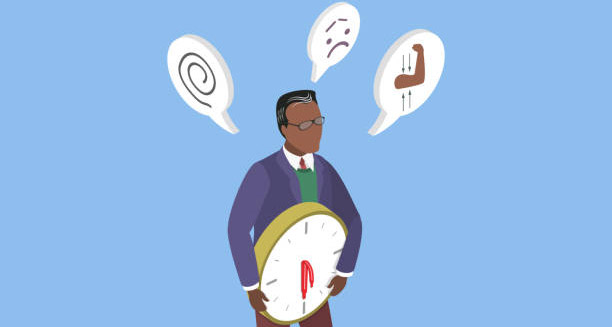
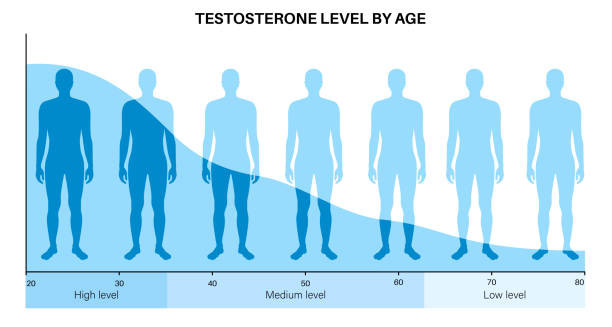
Overview of Male Menopause Male menopause refers to the age-related hormonal changes in men, primarily the gradual decline in testosterone levels over time. Unlike female menopause—which involves a sudden and complete halt in reproductive function—male menopause is a slow process that typically begins in a man’s 40s and progresses with age. It’s also known as andropause, late-onset hypogonadism, or testosterone deficiency syndrome. How Male Menopause Differs from Female Menopause While women experience a sharp drop in estrogen during menopause, men’s testosterone levels decrease gradually—about 1% per year starting around age 30 to 40. Many men notice few or no symptoms during this decline. However, some experience significant physical, emotional, sexual, and cognitive changes as testosterone levels fall. Why Testosterone Matters Testosterone is a vital male hormone responsible for: As testosterone decreases, men may observe changes in appearance, energy, mood, sexual drive, and mental sharpness. Common Signs and Symptoms The effects of male menopause often develop gradually and may be mistaken for normal aging. However, persistent symptoms that interfere with daily life could indicate hormonal changes: Because these symptoms overlap with other health issues—such as stress, obesity, diabetes, cardiovascular disease, or medication side effects—doctors carefully evaluate to rule out other causes. The Debate Around “Male Menopause” Some experts argue the term “male menopause” is misleading since men do not experience a universal or abrupt reproductive shutdown. Instead, andropause describes a gradual, often unpredictable hormone decline affecting some men more than others. Despite this, the symptoms reported can be just as disruptive and deserve medical recognition. Clinical guidelines from organizations like the British Society for Sexual Medicine (BSSM) and the Endocrine Society now accept late-onset hypogonadism as a valid diagnosis, confirmed by consistently low testosterone levels alongside symptoms. Testosterone’s Broader Role Beyond sexual health, testosterone influences cardiovascular and metabolic functions. Low testosterone is linked to higher risks of type 2 diabetes, high cholesterol, and heart disease. Some studies also suggest potential connections to cognitive decline or dementia, though more research is needed. Distinguishing Normal Ageing from Male Menopause Testosterone naturally declines with age, but not all men develop symptoms or need treatment. Diagnosis involves: Social and Relational Impact Male menopause can affect relationships and social life. Reduced intimacy, mood changes, and communication difficulties may strain partnerships. Men might also withdraw socially or experience decreased work performance. Cultural stigma around male hormonal health may delay help-seeking, worsening symptoms. Moving Forward: Support and Treatment Increasing awareness helps men and their partners identify signs early and seek care. Treatment options include: Male menopause is a transitional phase—not a decline without hope. With proper care, many men regain energy, focus, and intimacy well into later life. [Next: Causes of Male Menopause →]

Male Menopause Read More »

Causes of Male Menopause

Causes of Male Menopause

Male menopause, also called andropause or late-onset hypogonadism, primarily results from the gradual decline in testosterone levels that begins in midlife. Unlike the abrupt hormonal changes women experience during menopause, the drop in testosterone in men happens slowly. Understanding the causes of male menopause is key to diagnosis and effective management. While testosterone levels typically decrease by about 1% per year after age 30 or 40, not every man develops symptoms. When symptoms do appear, other factors often accelerate or worsen hormonal decline. Below are the main causes contributing to male menopause: Age-Related Decline in Testosterone Production The fundamental cause is natural ageing. Leydig cells in the testes gradually produce less testosterone over time. Additionally, the hypothalamic-pituitary-gonadal (HPG) axis—which regulates hormone production—becomes less efficient. The hypothalamus signals the pituitary gland less effectively to release luteinising hormone (LH), reducing testosterone stimulation from the testes. Some men tolerate lower testosterone without symptoms, while others are more sensitive to even small declines. Genetics, lifestyle, metabolic health, and overall resilience influence this variation. Chronic Illnesses and Medical Conditions Several chronic diseases are linked to lower testosterone and may worsen male menopause symptoms: Lifestyle-Related Causes Modern lifestyle habits can accelerate testosterone decline: Lifestyle changes can often improve testosterone levels and reduce symptoms without medication. Psychological and Emotional Stressors Emotional wellbeing influences testosterone levels in both directions. Major life changes such as retirement, divorce, financial strain, or loss of loved ones increase stress and suppress testosterone. Depression and anxiety also disrupt the HPG axis. Chronic stress can create a vicious cycle: stress lowers testosterone, which worsens mood and energy, causing more stress. Recognizing this relationship is vital for effective care. Medication-Related Causes Certain medications interfere with testosterone production or mimic male menopause symptoms: If symptoms start after medication changes, patients should consult their doctor about alternatives or dosage adjustments. Environmental Toxins and Endocrine Disruptors Exposure to chemicals that disrupt hormone function is a growing concern and may contribute to declining testosterone: Reducing exposure by using glass or stainless-steel containers, eating organic foods, and avoiding chemical-heavy products may support hormonal health. Genetic Predisposition While most male menopause cases are linked to lifestyle or environmental factors, genetics can play a role. Conditions such as Klinefelter syndrome, hemochromatosis, or congenital hypogonadism cause lifelong testosterone deficiencies that worsen with age. A family history of early-onset andropause or hormonal disorders may increase risk. Although genetics cannot be changed, awareness enables early testing and management. Summary The causes of male menopause are multifactorial. Ageing is the primary driver, but chronic illness, lifestyle, psychological stress, medications, environmental toxins, and genetics all contribute. Understanding these factors empowers men to take proactive steps for hormonal health. In many cases, targeted interventions and lifestyle improvements can alleviate or prevent symptoms. [Next: Symptoms of Male Menopause →]

Causes of Male Menopause Read More »

Symptoms of Male Menopause

Symptoms of Male Menopause

Symptoms of male menopause develop slowly and often go unnoticed until they affect quality of life. Also called andropause or late-onset hypogonadism, it results from a gradual decline in testosterone. Unlike female menopause, which has abrupt hormonal changes, male menopause presents more subtly and varies widely. Symptoms differ from man to man. Some experience mild issues, while others face persistent and disruptive problems. Because many signs resemble natural ageing or other conditions, awareness is key to early recognition and care. Physical Symptoms Physical changes are often the most obvious effects of male menopause as testosterone levels drop. Sexual Symptoms Sexual changes are among the most distressing male menopause symptoms and affect wellbeing and relationships. Psychological and Emotional Symptoms Testosterone supports mood, cognition, and emotional resilience. Its decline impacts mental health significantly. Social and Behavioural Changes Male menopause may cause subtle shifts in behaviour and social interaction, such as: These are often mistaken for midlife crises but often stem from hormonal changes affecting perception and responses. How Symptoms Progress Symptoms don’t appear all at once but develop gradually over years. Fatigue and low libido often come first; muscle loss and mood changes show up later. Severity and combination vary widely, influenced by genetics, lifestyle, other health issues, and mental resilience. When to Seek Help Men experiencing symptoms, especially mood changes, sexual difficulties, or unexplained fatigue, should consult a doctor. Early diagnosis and treatment can greatly improve life quality. Untreated male menopause may lead to serious issues like heart disease, osteoporosis, or severe depression. Conclusion Symptoms of male menopause affect many body systems. From sexual dysfunction and fatigue to mood and cognitive changes, these signs highlight testosterone’s vital role in male health. Recognizing and addressing symptoms early helps prevent complications and restores vitality. [Next: Diagnosis of Male Menopause →]

Symptoms of Male Menopause Read More »

Diagnosis of Male Menopause

Diagnosis of Male Menopause

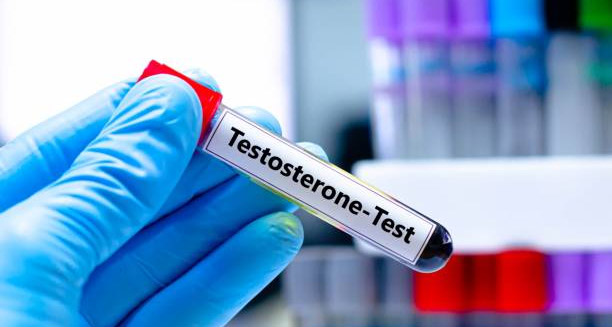
Diagnosis of male menopause requires a thorough and systematic approach because its symptoms often overlap with other medical conditions or are dismissed as natural ageing. Unlike female menopause, which occurs at a clearly defined time due to the cessation of menstruation, male menopause (also known as andropause or late-onset hypogonadism) is more gradual and harder to pinpoint. Accurate diagnosis is essential to rule out other causes, confirm testosterone deficiency, and provide effective treatment. This section outlines how healthcare providers diagnose male menopause through symptom analysis, clinical exams, lab testing, and medical guidelines. Recognising the Symptoms The diagnosis of male menopause often begins with a man reporting ongoing symptoms like low libido, fatigue, mood swings, weight gain, muscle loss, or erectile dysfunction. These signs appear gradually and may be subtle. However, many of these symptoms also stem from other conditions, including: Because these symptoms overlap with various health issues, doctors can’t rely on them alone. A deeper evaluation is necessary. Step 1: Medical History The first step in the diagnosis of male menopause is taking a detailed medical history. Doctors will ask about: Being open and honest during this step ensures more accurate diagnosis and treatment planning. Step 2: Physical Examination A physical exam provides clues about testosterone deficiency and helps identify or rule out other causes. Doctors may check: This step offers insight into hormone levels and possible related conditions. Step 3: Blood Tests – The Critical Factor Lab testing plays the biggest role in confirming the diagnosis of male menopause. These tests measure hormone levels and help pinpoint the cause. Key tests include: These lab results guide diagnosis and help rule out other problems. Step 4: Clinical Guidelines and Diagnosis Criteria Doctors use established guidelines to confirm the diagnosis of male menopause. For example, The Endocrine Society requires both low testosterone and symptoms to be present before starting treatment. It’s not enough to have low testosterone alone. Many men with low levels feel fine and don’t need therapy. Likewise, some men with normal testosterone may have symptoms caused by other issues. Diagnosis must be made using both lab results and a full clinical picture. Step 5: Ruling Out Other Conditions Another key part of diagnosis is excluding other diseases that mimic male menopause. These include: If symptoms remain unclear, doctors may refer the patient to a urologist or endocrinologist for further testing or hormone analysis. The Role of Age Testosterone normally drops by about 1% per year after age 30. This slow decline is part of natural ageing and doesn’t always cause symptoms or require treatment. However, a sharp or early drop—especially if it causes fatigue, depression, or sexual dysfunction—may point to pathological andropause. Age alone should never be the deciding factor in the diagnosis of male menopause. Many men in their 40s or 50s experience hormonal decline due to stress, obesity, or medications. Challenges in Diagnosis Diagnosing male menopause isn’t always straightforward. Hormone levels vary from day to day, and symptoms often resemble other conditions. Some key challenges include: Because of this, accurate diagnosis requires a skilled medical professional who uses a full-body, evidence-based approach. Conclusion The diagnosis of male menopause involves more than just a blood test. It starts with recognising symptoms, taking a complete history, and performing a physical exam. Lab testing confirms hormone levels, and other conditions must be ruled out. A timely and accurate diagnosis of male menopause is vital for long-term health. Without it, men risk complications like osteoporosis, heart disease, and metabolic syndrome. With the right diagnosis, treatment can begin—and symptoms can be reversed or managed effectively. [Next: Treatment of Male Menopause →]

Diagnosis of Male Menopause Read More »

Treatment of Male Menopause

Treatment of Male Menopause

The treatment of male menopause aims to alleviate symptoms, restore hormone balance, and improve the overall quality of life. Because male menopause, or andropause, is often linked to declining testosterone levels and a host of physical and psychological effects, a tailored, evidence-based approach is essential. Treatment of male menopause usually combines hormone replacement therapy, lifestyle changes, management of comorbidities, and psychological support. This section outlines the most effective strategies, including testosterone therapy, natural methods, and when medical intervention becomes necessary. Understanding the Treatment Approach Before starting treatment, it’s important to confirm that testosterone levels are consistently low. A proper diagnosis requires both symptoms and lab-confirmed hormonal deficiency. Treating without these can create unnecessary risks. Several factors guide the treatment plan: The most effective results come from a team approach. This may include GPs, endocrinologists, and mental health professionals working together. 1. Testosterone Replacement Therapy (TRT) The most common medical treatment of male menopause is testosterone replacement therapy (TRT). Its goal is to restore testosterone to normal levels and reduce symptoms. Main forms of TRT include: TRT may improve: However, there are risks: Doctors monitor patients on TRT with blood tests. These track prostate health, liver function, and blood thickness to ensure treatment remains safe. 2. Natural and Lifestyle-Based Treatments For mild cases or borderline hormone levels, lifestyle changes can be enough. These strategies may naturally support hormone balance and ease symptoms. Effective habits include: Useful supplements (with medical approval): While these won’t replace medical treatment, they can support it—especially when combined with lifestyle changes. 3. Treating Related Medical Conditions Sometimes, the symptoms of male menopause come from other health issues. In these cases, fixing the root cause can relieve symptoms without testosterone therapy. Examples include: When low testosterone is a result—not a cause—of another condition, treating that condition first may be best. 4. Emotional and Relationship Support Emotional symptoms like low mood, irritability, and loss of confidence are common. These often affect relationships, work, and daily life. Men can benefit from: Encouraging open conversations helps break stigma and promotes healthier coping. 5. When TRT Isn’t the Right Choice Testosterone therapy doesn’t suit everyone. In fact, it should be avoided in some cases. TRT is not recommended for men who have: In these cases, lifestyle changes or targeted treatment of underlying issues are safer and more appropriate. Monitoring and Long-Term Care The treatment of male menopause is not a one-time fix. Ongoing medical supervision is key to keeping symptoms under control and avoiding risks. Doctors should: Follow-ups are usually scheduled 3–6 months after starting therapy, then once a year. This ensures that benefits continue and risks stay low. Conclusion The treatment of male menopause involves more than just replacing testosterone. It’s about supporting the whole person—physically, mentally, and emotionally. While TRT helps many men, it’s not always needed. Some improve through lifestyle changes, stress reduction, and treating related conditions. Ongoing medical care, open communication, and a commitment to healthy living offer the best path to recovery. With the right approach, men can regain energy, confidence, and quality of life. [Next: Complications of Male Menopause →]

Treatment of Male Menopause Read More »

Complications of Male Menopause

Complications of Male Menopause

The complications of male menopause can have a profound impact on various aspects of a man’s life—physically, emotionally, socially, and even professionally. Also known as andropause or late-onset hypogonadism, this hormonal transition doesn’t only affect testosterone levels—it can influence cardiovascular health, sexual well-being, bone density, mood, and quality of life. These complications often develop slowly, making them hard to detect at first. But over time, they can seriously disrupt daily functioning. This makes early diagnosis and consistent care essential for managing male menopause effectively. Sexual Health and Fertility Problems Many men first notice changes in sexual health. Falling testosterone levels disrupt the body’s sexual response and affect physical performance. Men may experience: For men hoping to maintain fertility, testosterone therapy might not be the best choice. It can lower sperm production by disrupting natural hormone cycles. Instead, doctors may recommend options like hCG injections or SERMs (selective oestrogen receptor modulators), which boost testosterone without harming sperm count. Mental and Emotional Health Effects The complications of male menopause go far beyond the body. Emotional and mental health can suffer when hormone levels shift. These changes often affect how the brain manages mood and focus. Common issues include: Because these symptoms overlap with clinical depression, they can go unrecognised or misdiagnosed. Many men also hesitate to seek help. Support from therapists, partners, or peer groups can make a big difference in recovery. Risks to Heart Health Low testosterone can also raise the risk of heart disease. The relationship between testosterone and the heart is complex, but research links low levels to: These issues may lead to serious conditions like heart attacks, strokes, and diabetes. On the other hand, using too much testosterone—especially without medical supervision—can also cause heart problems. Monitoring testosterone therapy closely is crucial for safety. Bone Loss and Fracture Risk Another complication of male menopause is weaker bones. Testosterone helps keep bones strong, and without it, men face a higher chance of developing osteoporosis. This can lead to: Men often assume osteoporosis is a women’s issue, but it affects them too—especially after age 50. Regular bone scans, resistance training, and calcium plus vitamin D supplements can all help protect bone health. Metabolic Changes and Muscle Loss As testosterone drops, the body tends to lose muscle and gain fat. This combination can lead to fatigue and poor physical performance. Men may notice: Abdominal fat contributes to more hormonal imbalance. It increases oestrogen and insulin resistance, making symptoms worse. Strength training and better nutrition can improve muscle mass and balance hormones naturally. Metabolic Syndrome and Related Conditions One of the more dangerous complications of male menopause is metabolic syndrome. This group of conditions raises the risk of diabetes, heart disease, and stroke. It includes: Testosterone helps regulate insulin and fat metabolism. When levels fall, these risk factors often rise. A healthier diet, regular exercise, and sometimes medications can help control this syndrome and protect long-term health. Sleep and Immune System Disruption Sleep problems are common during male menopause. Poor sleep makes other symptoms worse and slows down recovery. Symptoms include: Lack of rest lowers testosterone even more and may weaken the immune system. Some men also become more prone to infections or chronic inflammation. Sleep studies, CPAP machines, and healthy habits can improve sleep and support the immune system. Social and Relationship Challenges The emotional and physical changes of male menopause can strain relationships and affect social life. Men may become withdrawn, moody, or insecure—leading to misunderstanding and tension at home or work. Other effects might include: Couples therapy, honest conversations, and support from friends or coworkers can help men stay connected and emotionally stable. Conclusion The complications of male menopause reach into nearly every area of life. From fertility problems and heart disease to depression and broken relationships, these issues can seriously affect a man’s quality of life. But male menopause is manageable. With early diagnosis, medical support, and healthy lifestyle changes, many men overcome these complications. By staying informed and proactive, men can navigate this midlife transition with strength and confidence. [Next: Back to Overview →]

Complications of Male Menopause Read More »

Scroll to Top