Mental Matters

Health & Wellness

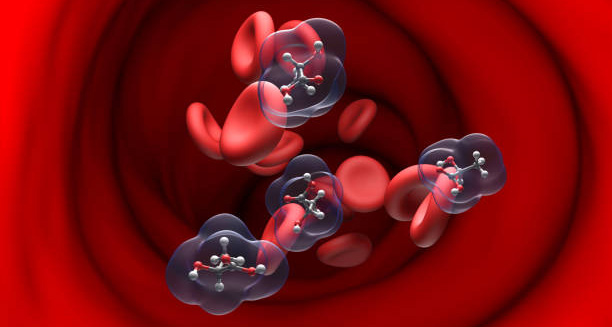
3D molecular representation of isovaleric acid molecules in the bloodstream, linked to Isovaleric Acidaemia

Isovaleric Acidaemia

Isovaleric acidaemia is a rare but serious inherited metabolic disorder that affects the body’s ability to process certain proteins, particularly the amino acid leucine. Isovaleric acidaemia belongs to a group of disorders called organic acidemias. These disorders cause toxic organic acids to build up in the blood. In isovaleric acidaemia, the body lacks an enzyme called isovaleryl-CoA dehydrogenase. This enzyme breaks down isovaleric acid, a byproduct of leucine metabolism. When the enzyme is missing or not working properly, isovaleric acid builds up to harmful levels. This buildup leads to many health problems, some of which can be life-threatening if left untreated. The condition follows an autosomal recessive inheritance pattern. This means both parents must carry a faulty copy of the IVD gene for their child to be affected. Although it is very rare, with about 1 in 250,000 live births worldwide, isovaleric acidaemia occurs in many ethnic groups. It is more common in some regions due to genetic founder effects. Thanks to newborn screening programs in many countries, early diagnosis and treatment are now possible. This has helped improve long-term outcomes. Clinical Forms of Isovaleric Acidaemia Isovaleric acidaemia shows up mainly in two forms: acute neonatal onset and chronic intermittent. The acute neonatal form appears within the first few days of life. It can quickly cause a severe metabolic crisis. Symptoms include vomiting, lethargy, seizures, and sometimes coma. Without prompt treatment, this form can be fatal. The chronic intermittent form usually starts later in infancy or early childhood. It often occurs during times of metabolic stress like infections or fasting. People with this form may seem healthy between episodes but can suddenly develop severe symptoms needing emergency care. One unique feature of isovaleric acidaemia is a “sweaty feet” smell. This odor comes from the buildup of isovaleric acid in body fluids. Although this smell can help with diagnosis, it does not always appear. Therefore, doctors should not rely on it alone. More important are biochemical tests like blood ammonia levels, urine organic acids, and acylcarnitine profiles. These tests confirm the diagnosis and guide life-saving treatment. Managing Isovaleric Acidaemia Treatment focuses on lowering the production and buildup of toxic substances like isovaleric acid. This involves a diet low in leucine, special amino acid-free formulas, and supplements such as carnitine and glycine. These supplements help the body remove harmful compounds. During metabolic crises, patients often need hospital care. This care includes intravenous fluids, sugar (dextrose), and other emergency treatments to stabilise the patient. Long-term care requires regular diet monitoring and metabolic check-ups. Usually, a metabolic specialist and dietitian oversee this care. Like many rare diseases, awareness, early diagnosis, and proactive care are key to avoiding problems and improving life quality. Advances in genetic testing and metabolic medicine help diagnose the disorder earlier, even in newborns without symptoms. However, challenges remain, especially in places where newborn screening is not widely available or where special metabolic care is limited. Overview of This Article This article will explore all aspects of isovaleric acidaemia in detail. The next sections will cover: Although isovaleric acidaemia is rare and not widely known, this article aims to inform families, caregivers, doctors, and the public with clear, honest, and caring information. Raising awareness helps reduce delays in diagnosis, encourages early treatment, and improves the lives of those living with this complex metabolic disorder. [Next: Causes of Isovaleric Acidaemia →]

Isovaleric Acidaemia Read More »

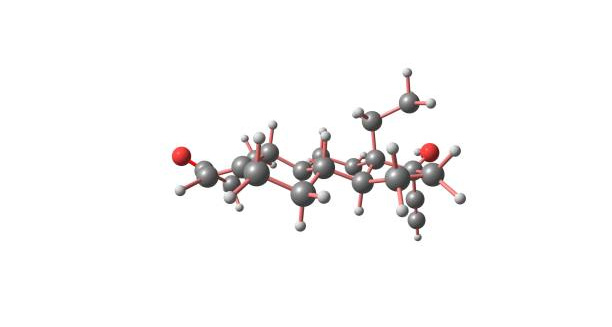
Molecular structure associated with leucine metabolism linked to causes of Isovaleric Acidaemia

Causes of Isovaleric Acidaemia

Isovaleric acidaemia is caused by a genetic mutation that disrupts how the body breaks down leucine, an essential amino acid found in protein-rich foods. This inherited metabolic disorder results from a deficiency in an enzyme needed to safely process leucine. Specifically, mutations in the IVD gene affect the enzyme isovaleryl-CoA dehydrogenase, causing toxic substances like isovaleric acid to build up. These toxins lead to the symptoms and complications of the disease. This section explains the genetic basis, inheritance pattern, biochemical effects, and environmental triggers behind isovaleric acidaemia. 1. Genetic Mutation in the IVD Gene The root cause lies in mutations of the IVD gene on chromosome 15. This gene provides instructions to make isovaleryl-CoA dehydrogenase, a mitochondrial enzyme crucial for breaking down isovaleryl-CoA, a leucine metabolite. Mutations may cause: Over 60 mutations have been found, including missense, nonsense, and frameshift types. The mutation type often influences whether symptoms appear early and severe or later and milder. Even siblings with the same mutation can show different symptom severity, indicating other genetic or environmental influences. 2. Autosomal Recessive Inheritance Isovaleric acidaemia follows an autosomal recessive pattern. A child must inherit two faulty copies of the IVD gene—one from each parent—to develop the disease. Parents who carry one defective gene usually show no symptoms. For two carrier parents: This inheritance explains why the disorder can appear unexpectedly. Carrier testing and genetic counselling help families understand their risks. 3. Disruption of Leucine Metabolism Leucine is a branched-chain amino acid in many protein foods like meat, dairy, and nuts. The body breaks it down in steps, one involving isovaleryl-CoA dehydrogenase. When this enzyme is deficient: 4. Triggers and Environmental Stressors Though genetic, isovaleric acidaemia symptoms often flare during external stress: These triggers pose higher risk for infants and young children, requiring careful management. 5. Genotype–Phenotype Correlation Research shows some link between mutation type and disease severity: Still, symptom severity can vary even with the same mutation, influenced by other genes, metabolism, and environment. This variability highlights the need for personalized care. 6. Carrier Frequency and Ethnic Variability Isovaleric acidaemia is rare but carrier rates differ by population. Some communities show higher carrier frequencies due to founder effects, such as: Knowing these patterns helps tailor screening and education efforts. 7. Prenatal and Preimplantation Genetic Diagnosis Couples with known mutations can use genetic counselling for reproductive planning. Options include: These methods enable early detection and informed decision-making. Conclusion Isovaleric acidaemia results from mutations in the IVD gene causing enzyme deficiency and toxic buildup during leucine breakdown. It follows an autosomal recessive pattern, with symptoms often triggered by metabolic stress, especially in infants. Though rare, the condition can be managed well through early diagnosis, genetic counselling, dietary control, and medical care. Understanding its genetic and biochemical roots paves the way for better outcomes and support for affected families. [Next: Symptoms of Isovaleric Acidaemia →]

Causes of Isovaleric Acidaemia Read More »

Medical scientists performing laboratory tests for Isovaleric Acidaemia diagnosis

Diagnosis of Isovaleric Acidaemia

Diagnosing isovaleric acidaemia can be challenging, particularly due to its rarity and the non-specific nature of many early symptoms. The condition often looks like common illnesses such as sepsis, stomach infections, or brain disorders in newborns and young children. However, as awareness grows and newborn screening expands, detecting isovaleric acidaemia early has become easier. This section explains how doctors diagnose this condition through clinical signs, lab tests, genetic checks, and newborn screening. Early diagnosis helps prevent metabolic crises and allows timely treatment, which improves long-term health. Clinical Suspicion and History Taking Doctors first suspect isovaleric acidaemia when infants show symptoms like poor feeding, tiredness, vomiting, seizures, or unexplained acid buildup in the blood. A “sweaty feet” smell is also a key clue. Family history matters too. If siblings have the condition or parents are related, the chance of inherited metabolic disease rises. Symptoms that start after eating protein may also hint at this disorder. Because these signs overlap with infections or birth injuries, doctors may not think of isovaleric acidaemia at first. But when blood tests show metabolic acidosis with a high anion gap, ketosis, and low blood sugar, metabolic disorders must be considered. Biochemical Testing After suspicion, lab tests confirm the diagnosis by measuring toxic substances from broken-down leucine. a. Plasma Acylcarnitine ProfileThis blood test checks for high levels of isovalerylcarnitine (C5), which is a clear sign of isovaleric acidaemia. It is often done on dried blood spots during newborn screening. b. Urine Organic Acid AnalysisTesting urine shows raised amounts of isovalerylglycine, isovaleric acid, and related compounds, which strongly indicate the condition. c. Blood Ammonia and LactateHigh ammonia and lactate levels may appear during crises. These markers help doctors understand the crisis severity and plan treatment. d. Arterial Blood Gases and Anion GapMetabolic acidosis with a raised anion gap means organic acids build up in blood, prompting more metabolic tests. e. Serum Glucose and KetonesLow blood sugar and ketones may also appear during stress, supporting the diagnosis. Genetic Testing Definitive diagnosis comes from finding mutations in the IVD gene on chromosome 15. This gene controls the enzyme that breaks down isovaleryl-CoA. Genetic tests confirm the diagnosis and allow screening of family members and prenatal testing. Some populations have common mutations, which makes testing easier. Newborn Screening Many countries test newborns for isovaleric acidaemia using tandem mass spectrometry on dried blood spots. This test detects high C5 acylcarnitines within days after birth. Early screening helps by: However, screening can give false positives or negatives, especially in mild cases or premature babies. Abnormal results need further biochemical and genetic checks. Differential Diagnosis Symptoms and lab results in isovaleric acidaemia can resemble other metabolic diseases like: Doctors use biochemical markers and genetic tests to tell these apart. For example, isovalerylglycine in urine points to isovaleric acidaemia, while other acids suggest different disorders. Prenatal Diagnosis Families with a history of isovaleric acidaemia may choose prenatal testing by chorionic villus sampling or amniocentesis. These tests check the fetus for defective IVD genes using: These help families prepare for medical care and early treatment after birth. Enzyme Assays Although rare now, doctors can measure isovaleryl-CoA dehydrogenase activity in cells from skin or blood. Low or absent activity confirms the diagnosis. This method is mostly used in research or where genetic testing is unavailable. Family Testing and Cascade Screening After diagnosis, doctors recommend testing siblings and relatives. Finding carriers or affected people early helps start care and lower risks. Sometimes siblings have mild or no symptoms but still carry the condition. Conclusion Diagnosing isovaleric acidaemia takes clinical awareness, lab tests, genetic analysis, and newborn screening. Though early symptoms may mimic common newborn illnesses, signs like the sweaty feet smell, metabolic acidosis, and high C5 acylcarnitines guide doctors to the right diagnosis. Timely diagnosis saves lives by enabling quick treatment and preventing brain damage. As newborn screening spreads, early detection and care improve, giving hope to families facing this rare but serious disorder. [Next: Treatment of Isovaleric Acidaemia →]

Diagnosis of Isovaleric Acidaemia Read More »

Nurse administering IV treatment to patient with Isovaleric Acidaemia

Treatment of Isovaleric Acidaemia

Isovaleric acidaemia is a lifelong inherited disorder that needs ongoing care to stop toxic substances from building up in the body. Treatment varies for each person. Doctors consider how severe the condition is, the patient’s age, medical history, and whether they were diagnosed early through newborn screening or after symptoms started. The main goals of treatment are to lower isovaleric acid levels, support the body’s metabolism, and prevent metabolic crises. With the right care, many people with this condition can live fairly normal lives, especially if diagnosed early and helped by a team of specialists. This section covers emergency care during metabolic crises and long-term steps to keep metabolism stable and avoid problems. Emergency Care During a Metabolic Crisis When someone with isovaleric acidaemia has a crisis—often caused by infection, stress, fasting, or eating too much protein—they need urgent medical help. The treatment aims to: a. Intravenous Glucose and FluidsHigh-dose sugar solutions are given through a vein to stop the body from breaking down proteins and fats for energy. This stops harmful substances from forming. Doctors also fix dehydration, acid buildup, and imbalances in salts and minerals. b. Protein RestrictionDuring the crisis, protein is stopped temporarily to prevent more toxin build-up. After the patient stabilises, doctors carefully reintroduce protein under close supervision. c. Ammonia ScavengersIf blood ammonia is high, medicines like sodium benzoate help remove nitrogen and protect the brain. d. Carnitine and Glycine Supplements These supplements reduce toxins and help balance metabolism. They can be given by mouth or through a vein depending on how severe the crisis is. Long-Term Diet Management A key part of managing isovaleric acidaemia is a low-protein diet, especially low in leucine. Leucine is the amino acid that causes toxic buildup. a. Leucine-Restricted DietLeucine is in many protein-rich foods like meat, dairy, eggs, beans, nuts, and some grains. A dietitian with metabolic expertise creates a diet that provides enough nutrition while limiting leucine. This includes: Monitoring growth and nutrition is important, especially for children. b. Medical Foods and SupplementsSpecial formulas help people get nutrition without leucine. These may include amino acid blends without leucine, extra calories from sugars, and vitamins and minerals. Long-Term Use of Carnitine and Glycine L-carnitine and glycine are usually taken daily for life. They help clear toxins and support energy production in cells. Doctors adjust doses based on weight, age, how often crises occur, and lab tests like blood carnitine levels. Regular tests ensure the treatment stays safe and works well. Monitoring and Follow-Up People with IVA need lifelong check-ups, including: Regular visits help catch health changes before crises happen. Illness and Infection Plans Illnesses often trigger crises in IVA. To prevent this, many patients follow a “sick day” plan that includes: Caregivers learn to watch for signs like loss of appetite, vomiting, or strange behaviour, and act fast to avoid hospital stays. Emergency Preparedness Because crises can be life-threatening, patients carry an emergency letter that explains their condition and needed treatments. Wearing a medical alert bracelet is also recommended. This helps any doctor give the right care, even if they don’t know the patient. Liver Transplant (Rare Cases) In very rare cases, when crises keep happening despite good care, a liver transplant might be an option. The new liver can provide the missing enzyme and improve health. But this is a last resort because transplants have risks. Psychological and Educational Support Living with a rare metabolic disease is tough emotionally and socially. Children may face: Psychological help, school counselling, and support groups improve quality of life. Teaching classmates and teachers about IVA helps reduce stigma. Conclusion Treating isovaleric acidaemia is complex but effective. Early diagnosis, personalised diet plans, supplements, and emergency care help patients live well. The key is close monitoring, family education, and quick action at signs of illness. New treatments, like gene therapy, hold promise for the future. For now, careful diet control and medical support remain the best ways to manage this rare but treatable disorder. [Next: Complications of Isovaleric Acidaemia →]

Treatment of Isovaleric Acidaemia Read More »

Woman sitting tired in a chair possibly depicting complications of isovaleric acidaemia

Complications of Isovaleric Acidaemia

Isovaleric acidaemia (IVA) is a serious inherited metabolic disorder that, if left unmanaged or poorly treated, can lead to a range of short-term and long-term complications. This condition affects how the body breaks down leucine. When that process fails, toxic substances like isovaleric acid build up. These toxins can harm many parts of the body. Early diagnosis and treatment reduce the risks, but people with IVA still face several health problems throughout their lives. This section explains the most common, severe, and often hidden complications of isovaleric acidaemia. These include metabolic, neurological, physical, emotional, and social effects. Knowing about these risks helps doctors, caregivers, and patients take early action, leading to better health outcomes. Acute Metabolic Crises The most urgent danger in isovaleric acidaemia is a metabolic crisis. These happen when stress, infections, fasting, or too much protein causes toxin levels to rise quickly. Common warning signs include: These episodes are medical emergencies. Without fast treatment, they can lead to organ failure, brain swelling, or death. Babies and young children face the highest risk, but crises can occur at any age during times of stress. Prevention is key. A strict diet, early illness care, and regular check-ups can help stop these crises. Neurological Effects of Isovaleric Acidaemia IVA can also affect the brain, especially during metabolic crises. High levels of ammonia and toxic acids can damage brain cells. Some possible effects include: The more crises a person has, and the later the diagnosis, the higher the risk of brain damage. Early testing in newborns and quick treatment can lower the risk of mental or developmental problems. Growth and Nutrition Problems People with isovaleric acidaemia often follow a low-protein diet. If not planned well, this can lead to poor growth and nutrition. Issues may include: Too little protein or food can also trigger the body to break down its own muscle. This releases even more toxins. Diet plans should be adjusted often by a specialist to keep growth on track and avoid malnutrition in Irritable Bowel Syndrome patients. Heart-Related Risks Although rare, some people with IVA develop heart problems. This can happen after long exposure to toxins that affect how the heart gets energy. Possible heart issues include: For people with moderate to severe IVA, regular heart tests like ECGs and ultrasounds can help catch problems early. If needed, doctors can start treatment right away. Liver and Kidney Function The liver and kidneys work hard to remove harmful substances from the body. In people with IVA, these organs may become stressed, especially after repeated crises. Possible problems: Most people do not reach full liver or kidney failure. But it is important to keep checking how these organs work, especially in adults who’ve had the condition for many years. Blood and Carnitine Levels Carnitine helps the body get rid of toxins. People with IVA often have low carnitine levels, which can lead to anaemia or tiredness. Signs and risks: L-carnitine supplements are often part of treatment. Regular blood tests help manage these risks and keep energy levels steady. Mental and Emotional Strain Living with isovaleric acidaemia can be mentally and emotionally hard. People often feel burdened by strict diets and the constant risk of emergency. Common struggles include: Some children may also show behavioural problems. These can come from brain effects or frustration about food limits. Counselling, support groups, and talking with others can help people cope and feel more supported. Learning and School Difficulties IVA can affect how well children learn and get along at school, especially if their brain was affected early in life. Possible school issues: Schools can help by creating learning plans just for that child. Teachers, psychologists, and special education teams should all work together to support the student. Isovaleric Acidaemia and Pregnancy As people with IVA grow older, pregnancy becomes a concern. Many women with IVA can become pregnant, but pregnancy puts extra stress on the body. Some pregnancy risks include: Before pregnancy, women should get genetic counselling. A high-risk obstetrician and metabolic doctor should monitor closely. With careful planning, pregnancy can go well for both the mother and the baby. Missed or Late Diagnosis One of the most dangerous complications of isovaleric acidaemia is not being diagnosed in time. This happens more often in places without newborn screening. IVA can look like other conditions, such as: Doctors, especially in newborn intensive care units, need to be aware of IVA. Early testing and fast action can save lives and prevent long-term damage. Conclusion The complications of isovaleric acidaemia can be serious. They range from sudden health emergencies to lifelong physical, mental, and social challenges. But many of these risks can be managed or even avoided. The best approach includes early testing, careful diet planning, emotional support, and regular check-ups. With a full care team in place, people with IVA can live healthy, active lives. New advances in screening and treatment give hope for an even better future. [Next: Back to Overview →]

Complications of Isovaleric Acidaemia Read More »

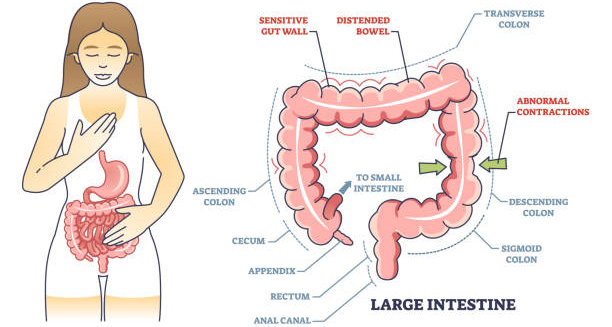
Illustration of irritable bowel syndrome showing large intestine anatomy and symptoms like distended bowel and abnormal contractions

Irritable Bowel Syndrome

Irritable Bowel Syndrome (IBS) is a common, long-term disorder that affects the large intestine, characterised by abdominal pain, bloating, gas, and altered bowel habits such as diarrhoea, constipation, or a combination of both. While Irritable Bowel Syndrome does not damage the colon or raise the risk of serious bowel disease, it still affects quality of life for millions of people worldwide. The condition often begins in early adulthood. It is more common in women, but it can affect people of any age or gender. Unlike Crohn’s disease or ulcerative colitis, which involve visible inflammation, Irritable Bowel Syndrome is a functional gut disorder. The digestive system looks normal, but it does not work properly. People with IBS go through painful episodes that come and go. Triggers include stress, certain foods, or hormone changes. Even though IBS is not life-threatening, it can cause a lot of frustration. It can disrupt work, travel, social events, and sleep. That makes daily life difficult for many who live with it. Understanding the Impact of Irritable Bowel Syndrome IBS affects around 10–15% of people worldwide. The real number might be higher, as many people don’t get diagnosed. This may be due to the stigma of gut symptoms or because IBS looks like other problems. Many people go years without answers. Doctors may mistake it for anxiety or food sensitivity. That delay can lead to stress and unhelpful treatments. The exact cause of Irritable Bowel Syndrome is still unknown. However, experts believe it happens when the brain and gut stop working well together. The gut has its own nerve network, called the enteric nervous system — often called the “second brain.” In IBS, this gut-brain link becomes unbalanced. This makes the gut over-sensitive and causes it to move in unusual ways. That’s why people with IBS feel pain, cramping, and urgent bathroom needs — even though the gut looks healthy on scans or tests. Types of Irritable Bowel Syndrome Doctors classify IBS based on your usual bowel habits. These types include: This system helps doctors choose the right treatment. No matter the type, pain and bloating are usually always present in Irritable Bowel Syndrome. IBS symptoms also come and go. Some people have long breaks between flare-ups. Others have symptoms most days. Because of this, treatment needs to be tailored. It often includes diet changes, stress control, and sometimes medicine or therapy. The good news? IBS won’t turn into cancer. It won’t damage your bowels for life. And you can’t give it to someone else. But even so, the stress it causes can affect your mood, sleep, and confidence. Mental Health and Irritable Bowel Syndrome One tricky part of Irritable Bowel Syndrome is its link to mental health. Many people with IBS also live with anxiety or depression. The connection works both ways. Stress and sadness can make the gut act up. Gut pain and worry can also affect your mood. That’s why it’s so important to treat both the body and the mind. Calming your thoughts can help calm your gut. Support from therapists, counsellors, or mindfulness practices can make a big difference in managing symptoms. How Doctors Diagnose Irritable Bowel Syndrome There is no simple test for IBS. Instead, doctors first rule out other causes. These include coeliac disease, inflammatory bowel disease, and bowel cancer. Once other problems are ruled out, diagnosis is based on your symptoms and history. Most doctors use a checklist called the Rome IV criteria. This helps make the diagnosis more clear and reliable. The main goal of this article is to explain Irritable Bowel Syndrome in full. You’ll learn about its causes, symptoms, how it’s diagnosed, how to treat it, and what problems it might cause. We want to offer clear, helpful facts so patients, carers, and doctors can work together to manage this condition better. [Next: Causes of Irritable Bowel Syndrome →]

Irritable Bowel Syndrome Read More »

IBS treatment concept with colourful pills and cubes spelling IBS

Causes of Irritable Bowel Syndrome

The causes of Irritable Bowel Syndrome are multifactorial and not yet fully understood. Unlike many gut disorders that come from clear issues like infection or inflammation, Irritable Bowel Syndrome (IBS) works differently. It is a functional disorder. This means the gut looks normal but doesn’t work as it should. Instead of one cause, many things combine to affect how the gut moves, feels, and talks to the brain. Researchers have found a strong link between the brain and gut. This is known as the gut-brain axis. This link plays a big role in the start and continuation of Irritable Bowel Syndrome. Many body and lifestyle factors can change how this connection works. That can lead to pain, irregular bowel habits, and bloating. Let’s explore the most common causes of Irritable Bowel Syndrome and how they come together to create this long-lasting condition. Abnormal Gut Motility in Irritable Bowel Syndrome The muscles in the gut squeeze in waves to move food along. This is called peristalsis. In people with IBS, these muscle waves don’t always work right. In IBS-D (diarrhoea type), the waves move too fast. This causes cramps, urgency, and watery stools.In IBS-C (constipation type), the waves move too slowly. This leads to hard stools and bloating.In IBS-M (mixed type), the motion switches between fast and slow without warning. Several things can cause these changes. Nerve issues, hormone shifts, and brain chemicals like serotonin can all affect how the gut moves. Visceral Hypersensitivity Many people with IBS feel pain from things that don’t bother others. This is called visceral hypersensitivity. Even normal gas or stool movement can feel painful or urgent. Why does this happen? There are a few reasons: This pain is very real. Brain scans show that people with Irritable Bowel Syndrome have more brain activity when the gut is triggered. Gut Microbiota Changes and IBS The gut is full of tiny life forms called microbes. These include bacteria, viruses, and fungi. Together, they make up the gut microbiome. These microbes help break down food, keep your immune system strong, and even affect your mood. In many people with IBS, this microbiome gets out of balance — a problem called dysbiosis. Studies show: Things like antibiotics, stress, poor diet, or infections can upset the balance. To fix this, some people try probiotics, diet changes, or even stool transplants. Post-Infectious Irritable Bowel Syndrome Some people get IBS after a bad stomach infection. Bacteria like Salmonella, Campylobacter, or E. coli can cause long-term effects. This type is called post-infectious IBS. In these cases, the infection can lead to: The longer and harsher the infection, the more likely IBS will follow. People with certain genes or mental health issues may also be more at risk. This kind of Irritable Bowel Syndrome can last months or even years. The Role of Stress and Emotions in Irritable Bowel Syndrome Emotions don’t cause IBS, but they make it worse. Stress, anxiety, and depression can flare up symptoms and make them harder to manage. The brain and gut talk to each other through nerves and hormones. When you’re stressed, this communication gets messed up. Stress can: People with anxiety or depression often have Irritable Bowel Syndrome. Childhood trauma also increases the risk later in life. Thankfully, treatments like talk therapy, hypnosis, or mindfulness can help manage these symptoms and ease gut pain. Hormones and Irritable Bowel Syndrome Women get IBS more than men, especially during their childbearing years. Hormones like oestrogen and progesterone seem to play a big role. Many women notice worse symptoms during their period. These hormone changes can affect: IBS often improves after menopause. But for some, pregnancy or birth control pills can make things worse. Food Triggers and Irritable Bowel Syndrome IBS is not a food allergy, but some foods make symptoms worse. The biggest problem foods include: Not everyone reacts the same. But if your body is already sensitive, these foods can add fuel to the fire. Many people find relief with a low-FODMAP diet, which helps calm the gut and reduce symptoms of Irritable Bowel Syndrome. Genetic and Family Links to Irritable Bowel Syndrome IBS can run in families. If someone close to you has it, your chances go up. But no single gene causes it. Family links may come from: Even twins show some genetic influence. Still, it’s just one part of a much bigger picture. Immune System and Irritable Bowel Syndrome Some people with IBS, especially those with diarrhoea, have slight immune problems. Their gut lining may be inflamed or too open, often called “leaky gut.” This can lead to: This immune trouble may be leftover from infections or long-term stress. It also connects closely with changes in gut bacteria. Conclusion The causes of Irritable Bowel Syndrome are wide-ranging. They include gut movement issues, pain sensitivity, microbiome shifts, weak immunity, hormone changes, food triggers, and mental health struggles. Each person may have a different mix of these factors. By understanding these root causes, doctors can find better ways to help people. Treating IBS is not just about easing symptoms. It’s also about addressing the deeper reasons behind them. As research grows, the future holds more targeted and helpful treatments for Irritable Bowel Syndrome. [Next: Symptoms of Irritable Bowel Syndrome →]

Causes of Irritable Bowel Syndrome Read More »

Woman clutching her stomach in pain while sitting on a couch, showing IBS symptoms

Symptoms of Irritable Bowel Syndrome

The symptoms of Irritable Bowel Syndrome can be unpredictable, chronic, and disruptive to daily life. While this condition doesn’t harm the intestines or raise the risk of colorectal cancer, the symptoms change a lot. Their severity and how often they appear can differ, which makes daily life hard. Many people feel frustrated, embarrassed, or anxious. Since doctors haven’t found one clear cause for Irritable Bowel Syndrome (IBS), the symptoms help guide both the diagnosis and treatment. People with IBS often say they feel like they’re always fighting their digestive system. The symptoms can show up suddenly. Sometimes, certain foods, stress, hormones, or past infections can trigger them. Because of this, many people live with IBS for years without knowing. They might think it’s just simple indigestion or blame it on a stressful lifestyle. But understanding these symptoms and how they behave helps in getting the right help and improving life. 1. Abdominal Pain and Cramping Abdominal pain is one of the main signs of Irritable Bowel Syndrome. It can be very uncomfortable. People often describe it as cramping, aching, or sharp. It usually happens in the lower belly but can also spread across the whole stomach area. Some key signs include: This pain happens because the nerves in the bowel are more sensitive. The muscles in the gut also tighten up in odd ways. Even normal digestion can hurt, and this is called visceral hypersensitivity. 2. Bloating and Gas in Irritable Bowel Syndrome Bloating is another common sign of IBS. Many people feel full, tight, or swollen in the belly. It often gets worse later in the day or after eating. Bloating is linked to: In some cases, bloating becomes so bad that the belly looks bigger, like weight gain or pregnancy. This happens a lot in women, and it may also change with their period. 3. Diarrhoea (IBS-D) In IBS-D, people often have loose or watery stools. These can come on suddenly, making it hard to find a bathroom in time. This can cause a lot of stress during work, travel, or social events. Common signs of diarrhoea from IBS include: Usually, diarrhoea from IBS does not include blood. If there is blood, a doctor should check for other problems, like inflammatory bowel disease or cancer. 4. Constipation (IBS-C) IBS-C is the opposite of IBS-D. It means having trouble going to the toilet. Bowel movements become less often and harder to pass. This can make you feel heavy and tired. Common signs include: This type of constipation often causes pain and bloating. A bowel movement may bring relief. Some people switch between constipation and diarrhoea. This is called IBS-M. 5. Mucus in Stool Seeing mucus in the stool is another sign of IBS. A small amount of mucus is normal, but people with IBS might see more. Even though this can look scary, it’s usually not harmful in IBS. However, it is important to make sure it’s not blood or pus. Those are not part of IBS and need a doctor’s attention. 6. Nausea and Indigestion Some people with IBS feel discomfort in the upper part of the gut. These symptoms can include: These issues often happen in people who also have functional dyspepsia, another gut problem. Nausea usually gets worse after eating. It also connects closely with anxiety, stress, or some foods. 7. Fatigue and Poor Sleep in Irritable Bowel Syndrome Even though IBS is a gut issue, it affects the whole body. Feeling very tired is common. This tiredness often comes from pain, poor sleep, and stress. People often say they: Poor sleep can make symptoms worse. At the same time, symptoms can keep you from sleeping well. That’s why improving sleep can help ease IBS. 8. Urinary Symptoms Interestingly, many people with IBS also notice bladder problems. These include: These aren’t main signs of IBS, but they happen because nearby organs affect each other. Women may also have painful bladder problems like interstitial cystitis. This can make things more confusing and harder to treat. 9. Emotional and Mental Effects of Irritable Bowel Syndrome IBS can take a toll on emotional health. Many people feel: Also, IBS can show up with other health issues. These include chronic tiredness and fibromyalgia. All of them involve both body pain and emotional stress. 10. Impact on Quality of Life One of the biggest effects of IBS is how it changes day-to-day living. People may: That’s why early diagnosis and full treatment plans are so important. Good care includes not only the body but also mental support. Conclusion The symptoms of Irritable Bowel Syndrome are varied, chronic, and deeply personal. IBS causes more than belly pain or toilet troubles. It can also lead to tiredness, nausea, and emotional distress. These issues stretch far beyond the gut. They affect confidence, social life, and mental health. When people understand all the signs and what they mean, they can get better help. Doctors can give more complete care, and patients can learn to spot patterns. They can also find triggers and support. All of this leads to better ways to cope and a better quality of life. [Next: Diagnosis of Irritable Bowel Syndrome →]

Symptoms of Irritable Bowel Syndrome Read More »

Bristol stool chart showing IBS-C, IBS-D, and normal stool types for IBS diagnosis

Diagnosis of Irritable Bowel Syndrome

The diagnosis of Irritable Bowel Syndrome (IBS) can be a frustrating journey for many patients. Unlike diseases that show up clearly in blood tests or scans, IBS is a functional gut disorder. This means the bowel looks normal in medical tests but does not work properly. So, no single test can confirm IBS. Instead, doctors diagnose it by carefully reviewing symptoms, medical history, and ruling out other causes. For patients, this can be both reassuring and confusing. It rules out more serious diseases but often leaves people feeling unsure or ignored. Still, with the right approach, healthcare providers can diagnose IBS accurately and guide patients toward symptom relief and long-term care. Clinical History and Symptom Evaluation The first and most important step in the diagnosis of Irritable Bowel Syndrome is a full medical history. Doctors ask about the type, length, and triggers of symptoms to find patterns that fit IBS. Key symptoms checked include: Doctors may also check mental health factors like stress, anxiety, past trauma, or sleep issues since these can affect IBS symptoms. The Rome IV Criteria To standardise diagnosis worldwide, doctors use the Rome IV criteria. This tool was made by experts in gut disorders. According to Rome IV, IBS is diagnosed if a person has: These rules help doctors tell IBS apart from simple stomach upset and offer a clear diagnosis system. Subtype Classification After confirming IBS, doctors classify it into types based on main bowel habits: Knowing the type helps doctors choose the right treatment. For example, fiber helps IBS-C but may worsen IBS-D. Exclusion of Other Conditions IBS symptoms can look like other gut diseases, so doctors must rule out serious problems, especially in older patients or those with unusual symptoms or family history. These diseases include: Doctors order blood tests, stool tests, or scans when needed, especially if red flags appear. Laboratory Investigations No lab test can confirm IBS, but doctors use tests to exclude other illnesses: These tests reassure patients and doctors when other diseases are ruled out and IBS diagnosis is likely. Colonoscopy and Imaging Doctors do a colonoscopy or flexible sigmoidoscopy only if red flags exist, such as: These tests let doctors look directly at the colon and take biopsies if needed. Imaging like ultrasound or CT scans may help if doctors suspect blockages or growths but are rarely needed in normal IBS cases. Breath Tests and Food Intolerance Assessments Some doctors use breath tests to check for: Though not standard in all guidelines, these tests may help patients who don’t improve after diet and medicines. Psychological Evaluation Stress, anxiety, and depression can worsen IBS symptoms. So, a psychological check may be part of diagnosis, especially if symptoms don’t improve. Tools like the Hospital Anxiety and Depression Scale (HADS) or referral to a psychologist trained in gut therapy can help. Understanding the gut-brain link is key here: mental stress can change gut movement and sensitivity, and ongoing gut issues can raise stress. Treating both mind and gut often leads to better results. Diagnostic Challenges and Misdiagnosis Diagnosing IBS requires balance. Too many tests can cause worry and raise costs. Too few tests risk missing serious disease. Common wrong diagnoses include: A careful clinical check and smart testing work best. The Role of Reassurance and Communication A key part of the diagnosis of Irritable Bowel Syndrome is clear talk between doctor and patient. Once serious diseases are ruled out, doctors should: Good reassurance and info ease anxiety and help patients take part in their care. This improves experience and results. Conclusion The diagnosis of Irritable Bowel Syndrome is a careful process using judgement, symptom review, and smart testing to exclude other causes. While no single test proves IBS, tools like the Rome IV criteria and targeted tests help confirm it and avoid extra procedures. Most importantly, the diagnosis should build trust, educate, and support. Patients need to be heard and believed, while doctors stay alert and open. Together, this leads to the right diagnosis and sets the stage for personalised, full care — which we will explore next. [Next: Treatment of Irritable Bowel Syndrome →]

Diagnosis of Irritable Bowel Syndrome Read More »

Woman with abdominal pain consulting a doctor for irritable bowel syndrome treatment

Treatment of Irritable Bowel Syndrome

The treatment of Irritable Bowel Syndrome (IBS) is not a one-size-fits-all approach. Because IBS is a long-lasting condition with different symptoms, the goal is not to cure but to manage and ease symptoms in a way that lasts. Many patients need a mix of diet changes, lifestyle shifts, psychological therapy, and sometimes medication. The process often involves trial and error. However, with the right methods, most people see a big improvement in their quality of life. IBS treatment focuses on three main goals: controlling symptoms, avoiding triggers, and building long-term coping skills. A personal treatment plan that considers the patient’s type (IBS-D, IBS-C, IBS-M), symptom severity, and mental health usually works best. Dietary Modifications One of the best first steps in the treatment of Irritable Bowel Syndrome is changing the diet. Certain foods make IBS symptoms worse. Finding and cutting down these triggers can greatly ease digestion problems. The Low FODMAP Diet The Low FODMAP diet, created by researchers at Monash University, is widely recommended. FODMAPs are short-chain carbs that the small intestine absorbs poorly. Gut bacteria ferment them easily. This causes gas, bloating, diarrhea, or constipation. Common high FODMAP foods include onions, garlic, wheat, rye, barley, apples, pears, mangoes, beans, lentils, milk, and yogurt (lactose). The diet has three phases: Many IBS patients notice symptom relief within weeks after starting the Low FODMAP diet with help from a dietitian. General Dietary Tips Lifestyle Changes and Daily Habits Changing lifestyle habits plays a big role in the treatment of Irritable Bowel Syndrome, especially if symptoms get worse from stress, poor sleep, or irregular routines. Stress Management The gut and brain connect through the gut-brain axis. Stress often worsens IBS symptoms. Good stress management includes: Even short daily practice can reduce anxiety and help balance bowel function. Regular Exercise Moderate aerobic exercise such as walking, swimming, or cycling can: Aim for 30 minutes of moderate activity five times a week as part of a full IBS management plan. Sleep Hygiene Poor sleep worsens IBS symptoms and IBS can disturb sleep. Create a good sleep routine by: Good sleep boosts immunity, lowers gut pain sensitivity, and supports gut health. Psychological Therapies Because mental health and gut health are linked, psychological therapy is an important part of the treatment of Irritable Bowel Syndrome, especially for those with stress-related symptoms. Cognitive Behavioural Therapy (CBT) CBT helps patients: Research shows CBT works as well as medicine for many IBS patients, especially those with moderate to severe symptoms. Gut-Directed Hypnotherapy This special therapy uses visualization and suggestion to: Usually done in 6 to 12 weekly sessions, gut-directed hypnotherapy has helped many patients for years. Counselling and Support Groups Some patients find talk therapy or IBS support groups helpful. They share experiences, feel less alone, and learn from others facing similar challenges. Medications Sometimes, medication helps based on the main symptoms: For Diarrhea (IBS-D) Constipation (IBS-C) Pain and Bloating Medication should support lifestyle changes, not replace them. Probiotics and Supplements Some IBS patients get relief from probiotics, especially Bifidobacterium infantis and Lactobacillus plantarum. These may: Other helpful supplements might include: Because research is still growing, try one supplement at a time and get advice from a professional. Personalised and Multidisciplinary Care The best treatment of Irritable Bowel Syndrome uses a personal, full approach. A team might include: Patients usually improve most when physical, mental, and nutritional health get attention together. Conclusion The treatment of Irritable Bowel Syndrome is a journey needing effort, flexibility, and patience. No single cure exists, but many paths lead to relief. With diet changes, lifestyle shifts, therapy, and medicine, most people find a plan that suits them. Most importantly, patients should feel confident, informed, and supported by a healthcare team that respects their symptoms and personalizes care. IBS may last long, but it does not have to rule your life. [Next: Complications of Irritable Bowel Syndrome →]

Treatment of Irritable Bowel Syndrome Read More »

Scroll to Top