Symptoms of Hydronephrosis
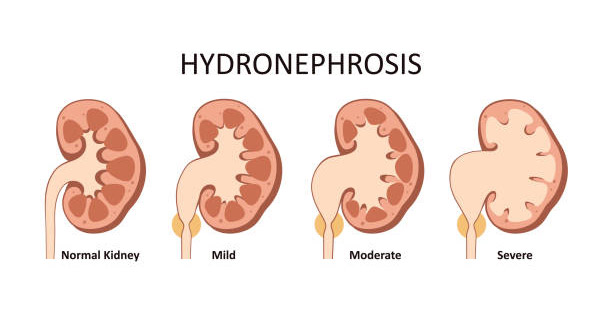
The symptoms of hydronephrosis can vary significantly depending on the underlying cause, the speed of onset, and the severity of the urinary obstruction. Some individuals may experience severe pain and discomfort, while others might remain entirely asymptomatic, particularly in mild or chronic cases. Recognising the symptoms of hydronephrosis early is crucial for prompt diagnosis and treatment, helping to prevent irreversible kidney damage and associated complications. Symptoms of hydronephrosis may appear quickly or slowly. Sudden blockages, like a kidney stone stuck in the ureter, usually cause sharp pain and clear signs. However, long-lasting or birth-related hydronephrosis often brings vague symptoms, especially in babies and older adults. Because of this, doctors must watch carefully for signs. Pain and Discomfort Pain is the most common symptom of hydronephrosis, especially when it appears fast. Urinary Changes Changes in urination are key signs of urinary problems and often the first symptoms noticed in hydronephrosis. In severe cases, total blockage may cause complete urine retention, needing urgent medical help. Changes in Urine Appearance Changes in urine look, smell, or texture can signal infection or blood due to swelling or stones. Watching urine changes can help catch problems early, especially in those with repeat kidney or bladder issues. Signs of Infection In many cases, hydronephrosis leads to infection because urine sits still and bacteria grow. Spotting infection signs is vital, as untreated infections can cause sepsis. Infections happen more in people with long hydronephrosis, catheters, or weak immune systems. Symptoms in Infants and Children Detecting hydronephrosis symptoms in babies and young kids is hard since they cannot explain their discomfort. Early scans and urine tests are key if hydronephrosis is suspected in children. Symptoms in Older Adults Older adults may show unusual symptoms or ignore signs, making diagnosis tricky. Doctors should carefully consider these signs in elderly patients to avoid missed diagnosis. Asymptomatic Cases Sometimes hydronephrosis causes no clear symptoms. This often happens in: Even without symptoms, monitoring is important to prevent silent kidney damage. When to Seek Medical Help Because symptoms may look like minor problems such as bladder infections or back pain, see a doctor if you notice: Early care improves chances of avoiding serious kidney problems or infections. Summary Symptoms of hydronephrosis range from mild to severe, depending on cause, age, and how fast it develops. Flank pain and urination changes are common, but symptoms differ by life stage. Knowing these signs helps find hydronephrosis early, especially in babies and older adults. Watching for changes in urine, pain, and overall health can catch problems before they worsen. By spotting symptoms and acting quickly, patients and doctors can work together to ensure early diagnosis and treatment. [Next: Diagnosis of Hydronephrosis →]