Mental Matters

Author name: admin

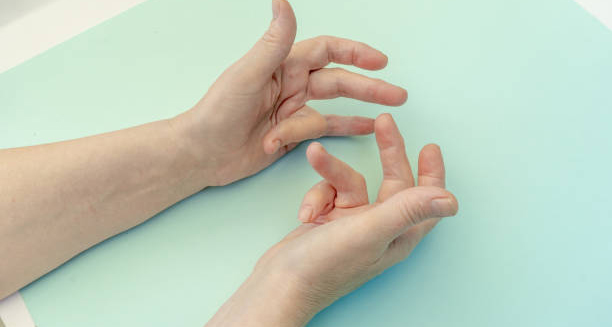
Hands showing bent fingers due to Dupuytren’s contracture symptoms

Symptoms of Dupuytren’s Contracture

Symptoms of Dupuytren’s Contracture The symptoms of Dupuytren’s contracture often begin subtly and progress over time. Most people first notice a small, firm lump or nodule in the palm of the hand. Usually near the base of the ring or little finger. These early signs are usually painless, but they can feel tender when pressure is applied. As the condition worsens, the cords beneath the skin thicken and contract, pulling the fingers into a permanently bent position. One of the hallmark symptoms of Dupuytren’s contracture is the gradual loss of finger extension. In the early stages, people may simply feel tightness in the palm. Furthermore, have difficulty placing their hand flat on a table. As the disease advances, the fingers become increasingly curled, making it hard to shake hands, put on gloves, or grip objects. Typically, the ring and little fingers are affected first, but in more severe cases, the middle finger or even the thumb may become involved. The dominant hand is often affected more severely, and some individuals may develop the condition in both hands. However, the rate of progression varies significantly from one person to another. The skin over the affected area may become puckered or dimpled, resembling scar tissue. In some cases, small pits may form in the palm. Although the condition is rarely painful, some people do experience discomfort—particularly if the cords press on nerves or interfere with daily activities. Symptoms of Dupuytren’s contracture can have a significant impact on quality of life. Even simple tasks, like typing, driving, or cooking, may become difficult. The inability to fully straighten the fingers can also lead to secondary issues such as joint stiffness, muscle weakness, and frustration with lost independence. Symptoms of Dupuytren’s Contracture In South Africa, patients in remote or under-resourced communities may delay seeking help, believing the symptoms are due to ageing or hard work. This delay can lead to more advanced contractures by the time medical attention is received. Early recognition and referral to a hand specialist or orthopaedic surgeon are essential for preserving hand function. The condition progresses slowly in most cases, but some people experience rapid worsening within a few years. Monitoring the severity and extent of finger involvement helps guide treatment decisions. If hand function becomes limited, options such as steroid injections, enzyme therapy, or surgery may be considered. Recognising the early symptoms of Dupuytren’s contracture and acting promptly can slow progression and maintain independence. With proper treatment, many individuals continue to live active, productive lives. [Next: Diagnosis of Dupuytren’s Contracture →]
Symptoms of Dupuytren’s Contracture Read More »

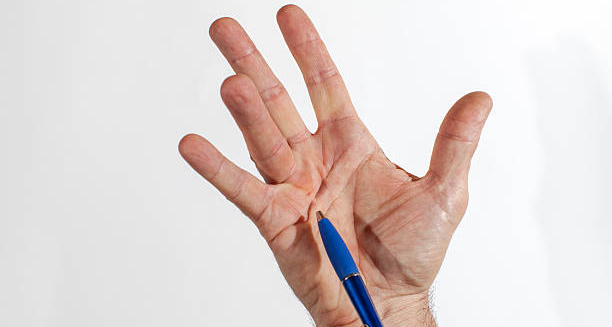
Hand showing visible cords in the palm during diagnosis of Dupuytren’s contracture

Diagnosis of Dupuytren’s Contracture

Diagnosis of Dupuytren’s Contracture The diagnosis of Dupuytren’s contracture is typically made through a physical examination. No specialised tests or imaging are required in most cases. Doctors can often recognise the condition by inspecting the hand and feeling the thickened cords or nodules under the skin. A clear visual inspection, along with a simple functional test, is usually enough to confirm the presence of Dupuytren’s contracture. One of the most common diagnostic tools is the “tabletop test.” In this test, the patient is asked to lay their hand flat on a surface, such as a table. If one or more fingers cannot lie flat due to tightening of the cords in the palm, this suggests a positive result and indicates moderate to advanced Dupuytren’s contracture. While early stages may not interfere with hand function, this test helps determine when intervention may be needed. Doctors also assess the progression by checking which fingers are involved, how much movement has been lost, and whether the affected tissue is still soft or has hardened. The presence of nodules, skin dimpling, and fixed flexion deformities are noted. All of these are signs that the condition is evolving and may require further monitoring or treatment. In most cases, no X-rays, MRIs, or blood tests are necessary. However, if other hand conditions are suspected—such as arthritis, tendon injuries, or nerve entrapments—imaging may be ordered to rule them out. The diagnosis of Dupuytren’s contracture must also be distinguished from other causes of hand contractures, like trigger finger or scleroderma, which may appear similar but require different treatment. For patients with bilateral involvement (both hands), or a strong family history, the doctor may inquire about additional fibromatoses elsewhere in the body. These can include plantar fibromatosis (in the feet) or Peyronie’s disease (in men), which are sometimes linked genetically. Diagnosis of Dupuytren’s Contracture In South Africa, diagnosis is usually made by general practitioners or orthopaedic specialists. While most private clinics can offer a swift diagnosis, patients in public healthcare or rural settings may experience delays in referral or specialist access. Awareness of the condition among general health workers is therefore key to improving early diagnosis rates. Once the diagnosis of Dupuytren’s contracture is confirmed, treatment decisions depend on severity, progression, and the patient’s functional needs. Not every case requires immediate intervention. Many individuals live with mild forms of the condition without significant impact on their daily activities. Accurate and timely diagnosis is vital, as early identification allows patients to monitor changes and prepare for possible treatments. With early guidance, patients can make informed decisions and seek care before hand function becomes seriously impaired. [Next: Treatment of Dupuytren’s Contracture →]

Diagnosis of Dupuytren’s Contracture Read More »

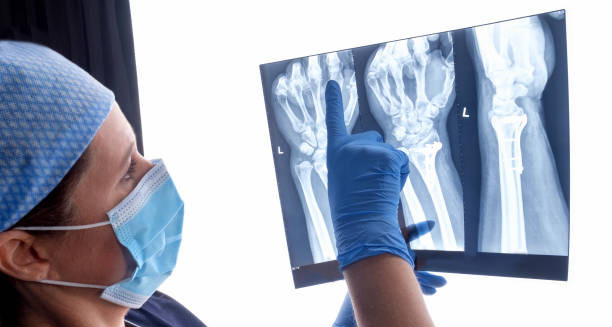
Treatment of Dupuytren’s Contracture with wrist X-ray examination

Treatment of Dupuytren’s Contracture

Treatment of Dupuytren’s Contracture The treatment of Dupuytren’s contracture depends on the severity of the condition and how much it affects hand function. In early stages, when the nodules are small and the fingers can still straighten fully, treatment may not be necessary. In such cases, regular monitoring and lifestyle adjustments are usually enough. However, once the fingers begin to curl and limit everyday tasks, active treatment of Dupuytren’s contracture becomes essential. One of the main goals of treatment is to restore movement and prevent further progression. Non-surgical options include steroid injections to reduce inflammation and slow tissue thickening. These are often used when the nodules are still soft and the contracture is not yet severe. Another method involves enzyme injections—specifically collagenase—which breaks down the cords responsible for pulling the fingers inward. This procedure, followed by manual manipulation, can offer good results with minimal downtime. In more advanced cases, surgery may be the best option. The most common surgical procedure is fasciectomy, where the surgeon removes the thickened cords and scarred fascia from the palm. This allows the fingers to straighten. In some cases, a skin graft may be required if a large area of tissue is removed. Another surgical approach, needle aponeurotomy, involves using a small needle to divide the cords. It is less invasive and suitable for some patients with moderate contractures. Post-treatment Rehabilitation Post-treatment rehabilitation is crucial. Physiotherapy helps restore strength, mobility, and function. Hand splints may be used during recovery to maintain extension and prevent recurrence. Without rehab, stiffness may return, and hand function may remain limited. The timing of treatment of Dupuytren’s contracture matters. If intervention is delayed until the contracture is severe, the outcomes are often less favourable. Some patients may never regain full extension of the fingers, even after surgery. Early treatment, when the fingers are still relatively mobile, tends to lead to better results. Treatment of Dupuytren’s Contracture In South Africa, access to advanced treatments like collagenase injections or minimally invasive surgery may be limited in the public sector. Private medical facilities and specialists in urban areas usually offer a wider range of treatment options. In rural communities, delays in diagnosis and referral can mean that patients only receive care at more advanced stages of the disease. It’s important for patients and healthcare providers to discuss all available options, including the potential risks, costs, and recovery times. With the right plan, many people regain function and avoid long-term disability. Successful treatment of Dupuytren’s contracture is possible when managed early, with a personalised approach and ongoing support from both medical professionals and rehabilitation services. [Next: Complications of Dupuytren’s Contracture →]
Treatment of Dupuytren’s Contracture Read More »

Hand showing finger deformity due to Dupuytren’s Contracture complications

Complications of Dupuytren’s Contracture

Complications of Dupuytren’s Contracture The complications of Dupuytren’s contracture arise primarily from loss of hand mobility and delayed treatment. Although the condition is not life-threatening, it can have a serious impact on daily functioning, especially if the fingers become fixed in a bent position. Over time, untreated Dupuytren’s contracture can lead to permanent hand deformity, joint stiffness, and reduced quality of life. The most obvious complication is the progressive inability to straighten the fingers. As the fibrous cords thicken and tighten, the fingers—typically the ring and little fingers—become increasingly curled. This affects grip strength and fine motor tasks like writing, typing, dressing, or using tools. In advanced cases, even shaking hands or placing the hand flat on a surface becomes impossible. Joint stiffness and contracture can also affect nearby joints, such as the knuckles and wrist. This can create a domino effect, making rehabilitation more difficult and limiting the success of surgical correction. Without proper stretching or therapy, the muscles may weaken and shorten, making movement painful and awkward. Another major concern is recurrence. Even after successful treatment, Dupuytren’s contracture can return, especially if the underlying genetic or lifestyle risk factors remain unaddressed. Recurrence is more common after surgical removal of cords than after enzyme therapy, but neither approach guarantees a permanent cure. Complications of Dupuytren’s Contracture Surgical complications are also possible. These include infection, nerve injury, scarring, delayed wound healing, or reduced sensitivity in the fingers. In rare cases, the skin or soft tissue may not heal properly, particularly if a skin graft is needed. Some patients experience prolonged swelling, stiffness, or hypersensitivity after surgery. In older adults or those with diabetes, recovery may be slower and more complex. Diabetes, in particular, increases the risk of poor wound healing and infection. Careful post-operative management is essential in these cases to avoid further complications. Psychological effects are often overlooked but equally important. Losing hand function can lead to frustration, decreased self-esteem, and loss of independence, especially in individuals who rely heavily on manual tasks for work or caregiving. In South Africa, where many people work in agriculture, construction, or domestic roles, limited hand function can mean loss of income or productivity. Access to specialist care is another challenge. In rural or underserved areas, patients may receive delayed treatment or no rehabilitation, increasing the risk of permanent disability. Community education and awareness are essential to help people recognise early symptoms and seek help before complications worsen. By understanding the potential complications of Dupuytren’s contracture, patients and clinicians can prioritise early treatment, follow-up care, and long-term monitoring. With the right support, most complications can be managed or avoided altogether. [Next: Back to Overview →]

Complications of Dupuytren’s Contracture Read More »

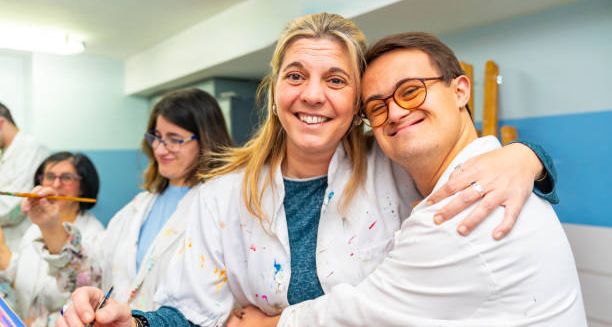
Smiling young adult with Down’s Syndrome hugging a caregiver in an art class

Down’s Syndrome

Down’s Syndrome Down’s syndrome is a genetic condition that occurs when a person is born with an extra copy of chromosome 21. This additional genetic material affects development and leads to a range of physical and intellectual differences. People with this typically experience some degree of learning disability and may have distinct facial features, low muscle tone, and health conditions such as heart defects or hearing problems. Despite these challenges, individuals with Down’s syndrome live fulfilling lives and contribute meaningfully to their families and communities. Many attend school, work, and participate in social and recreational activities with the right support. Early intervention, inclusive education, and access to health services all play a role in helping each individual reach their potential. The condition is also known as trisomy 21. It is one of the most common chromosomal disorders, occurring in about 1 in every 700 births worldwide. In South Africa, the prevalence is similar, but awareness and access to support services vary greatly depending on region and socioeconomic status. Urban areas typically offer better access to developmental therapies, while rural communities may face limited healthcare infrastructure and fewer educational resources. Down’s Syndrome The causes of this syndrome are not related to race, nationality, or anything the parents did or did not do. It usually occurs as a random event during the formation of the egg or sperm, leading to an extra chromosome in the baby’s cells. Although the chances of having a child with Down’s syndrome increase with maternal age, it can affect babies born to mothers of all ages. Public perception of Down’s syndrome has evolved significantly over the years. Increased advocacy, inclusive schooling, and improved healthcare have helped reduce stigma. Globally, and in parts of South Africa, there is growing emphasis on celebrating diversity and ensuring equal rights for people with disabilities, including those with Down’s syndrome. Understanding the condition is the first step toward building a more inclusive society that recognises ability rather than focusing on limitations. [Next: Causes of Down’s Syndrome →]

Down’s Syndrome Read More »

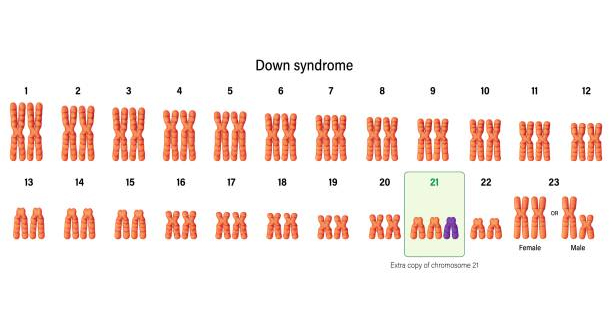
Chromosome chart showing trisomy 21 in Down’s Syndrome

Causes of Down’s Syndrome

Causes of Down’s Syndrome The causes of Down’s syndrome lie in an abnormal cell division that results in extra genetic material from chromosome 21. Normally, each person has 46 chromosomes, arranged in 23 pairs. People with Down’s syndrome have three copies of chromosome 21 instead of the usual two. This genetic difference occurs by chance and alters the way the body and brain develop. There are three recognised types of Down’s syndrome. The most common, accounting for about 95% of cases, is trisomy 21. This occurs when every cell in the body has three copies of chromosome 21. Mosaic Down’s syndrome, a rarer form, involves only some cells having the extra chromosome, while others are typical. Translocation Down’s syndrome happens when a portion of chromosome 21 attaches to another chromosome, often chromosome 14. This is the only type that can sometimes be inherited from a parent. While anyone can have a child with Down’s syndrome, the risk increases with maternal age. For example, a 25-year-old mother has a lower chance of having a baby with the condition than a 40-year-old mother. That said, younger women give birth to more babies overall, which is why most children with Down’s syndrome are born to mothers under 35. In most cases, the genetic error occurs during the formation of reproductive cells and is not linked to any behaviour, health condition, or environmental exposure. It is a random event, and parents typically cannot prevent it. However, in cases of translocation Down’s syndrome, one parent may carry a balanced translocation without symptoms but still pass on the condition. Genetic counselling can help families understand the causes of Down’s syndrome and assess future risks. This is especially important for parents who have already had a child with the condition or have a family history of chromosomal abnormalities. Causes of Down’s Syndrome In South Africa, genetic services are more readily available in urban areas through tertiary hospitals, but rural access remains limited. This creates disparities in prenatal care and genetic counselling, often leaving families unprepared for the diagnosis. Understanding the causes of Down’s syndrome can reduce stigma and misinformation. It emphasises that the condition is no one’s fault and that every child—regardless of their genetic makeup—deserves care, support, and opportunity. [Next: Symptoms of Down’s Syndrome →]

Causes of Down’s Syndrome Read More »

Smiling young girl with Down’s Syndrome painting with a brush

Symptoms of Down’s Syndrome

Symptoms of Down’s Syndrome The symptoms of Down’s syndrome are wide-ranging and affect physical appearance, development, and health. Not all individuals experience every symptom, and the severity can vary greatly. Some children may face significant medical challenges, while others develop more typically with mild support. Down’s syndrome presents a recognisable pattern of features but also includes a wide spectrum of individual differences. Common physical traits include a flat facial profile, upward-slanting eyes, small ears, a short neck, and a protruding tongue. People with Down’s syndrome often have a single crease across the palm, smaller hands and feet, and low muscle tone, which may lead to delayed motor development such as sitting, crawling, or walking. Developmental delays are another key aspect of the condition. Most children with Down’s syndrome have mild to moderate intellectual disability. They typically learn more slowly than their peers and may face challenges with speech and language. That said, many develop effective communication skills and thrive in inclusive learning environments when given the right support. Medical concerns vary. Around 40–60% of children with Down’s syndrome are born with congenital heart defects, which may require surgery or ongoing monitoring. Other health issues include hearing loss, vision problems, sleep apnoea, thyroid disorders, and gastrointestinal conditions. Because of this, regular health screenings and early medical intervention are essential. Children may also experience behavioural symptoms, such as stubbornness, short attention span, or impulsiveness. However, these behaviours are often manageable and improve with structure, routine, and supportive parenting. Importantly, most individuals with Down’s syndrome display strong social skills, warmth, and emotional intelligence, making them valued members of their communities. Symptoms of Down’s Syndrome In South Africa, early diagnosis of Down’s syndrome is generally made at birth or soon after through physical observation, confirmed with a karyotype blood test. However, access to developmental therapists, speech-language professionals, and special education services can be uneven, especially in under-resourced areas. This means that some children may not receive the early intervention they need to maximise their potential. Despite the challenges, children with Down’s syndrome often lead active and happy lives. With appropriate medical care, educational support, and community inclusion, they develop meaningful relationships and skills. Many adults with the condition work, live semi-independently, and participate in community life. Recognising the symptoms of Down’s syndrome is essential for early intervention. When families and professionals understand what to expect and how to support development, children with the condition are better positioned to succeed and thrive. [Next: Diagnosis of Down’s Syndrome →]

Symptoms of Down’s Syndrome Read More »

Diagnosis of Down’s Syndrome

Diagnosis of Down’s Syndrome

Diagnosis of Down’s Syndrome The diagnosis of Down’s syndrome can take place either before birth (prenatally) or shortly after delivery. In many cases, the condition is suspected at birth due to physical features, but confirmation requires a genetic test. This test, known as a karyotype, identifies the presence of an extra copy of chromosome 21. A confirmed diagnosis of Down’s syndrome provides essential information for planning medical care and developmental support. Prenatal screening is available in many countries, including South Africa. Screening tests such as ultrasound and maternal blood tests can estimate the likelihood of the baby having Down’s syndrome, though they do not confirm it. Ultrasound markers may include increased nuchal translucency (fluid at the back of the neck), heart defects, or certain facial features. If the results indicate higher risk, diagnostic tests like chorionic villus sampling (CVS) or amniocentesis may be offered. These tests are invasive but provide definitive results. After birth, paediatricians may suspect Down’s syndrome based on physical traits such as low muscle tone, upward-slanting eyes, a flat nasal bridge, and a single crease across the palm. However, because these signs can vary and may appear in other conditions, genetic testing is necessary to confirm the diagnosis. This is typically done with a blood sample, and results are usually available within a few days. Parental & Newborn Testing in SA In South Africa, prenatal and newborn testing services are more accessible in private healthcare settings. In the public sector, screening is limited by resource constraints, especially in rural and underfunded facilities. As a result, some children may go undiagnosed until developmental delays become more noticeable in infancy or early childhood. An early diagnosis of Down’s syndrome allows parents and healthcare providers to monitor for common health issues associated with the condition, such as heart defects, thyroid dysfunction, or hearing loss. Early referral to developmental support services can improve long-term outcomes and reduce the impact of cognitive and physical delays. Diagnosis of Down’s Syndrome Genetic counselling is also an important part of the diagnostic process. Counsellors provide families with information about the condition, inheritance patterns, recurrence risk in future pregnancies, and emotional support. In cases of translocation Down’s syndrome, parents may be tested to see if they carry a balanced translocation. Emotional reactions to a diagnosis of Down’s syndrome vary. Parents may experience shock, grief, or uncertainty. Access to clear information and supportive healthcare professionals can ease this process and help families begin their journey with confidence and hope. Timely and accurate diagnosis is essential not only for medical management but also for connecting families with the support networks, resources, and education services that improve quality of life for children with Down’s syndrome and their families. [Next: Treatment of Down’s Syndrome →]

Diagnosis of Down’s Syndrome Read More »

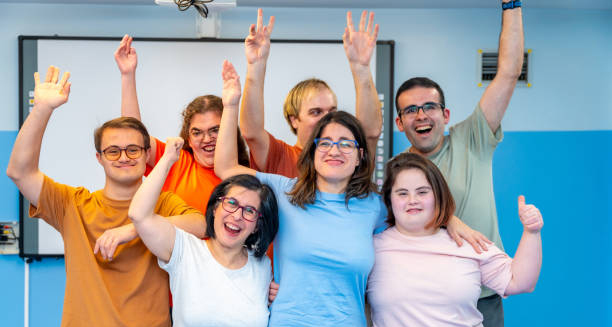
Group of young adults with Down’s syndrome smiling and raising their hands in a cheerful environment

Treatment of Down’s Syndrome

Treatment of Down’s Syndrome The treatment of Down’s syndrome focuses on managing health issues, supporting development, and promoting independence. There is no cure for the condition, but with proper care and early intervention, many individuals with Down’s syndrome lead healthy, active, and meaningful lives. Treatment is highly individualised and evolves with the child’s age, needs, and abilities. Early intervention is the cornerstone of effective management. Babies with Down’s syndrome benefit from therapies aimed at improving muscle tone, motor skills, and communication. Physiotherapy helps with posture and movement, while speech and language therapy supports the development of verbal and non-verbal communication. Occupational therapy assists with daily living tasks such as dressing, feeding, and writing. Education support is another critical aspect of treatment of Down’s syndrome. Many children with the condition attend mainstream schools with support, while others thrive in specialised learning environments. Inclusive education policies, when effectively implemented, help children develop academically and socially. In South Africa, access to inclusive schooling is improving in urban areas but remains limited in rural and under-resourced communities. Healthcare management is also essential. Regular medical check-ups allow for the early detection and treatment of health issues common in Down’s syndrome, such as congenital heart defects, thyroid problems, hearing loss, and vision issues. Paediatricians, cardiologists, ENT specialists, and audiologists often work as part of a multidisciplinary team to monitor and treat these concerns. Vaccinations, dental care, and good nutrition are just as important. Because immune responses may be slightly weaker in some individuals with Down’s syndrome, staying up to date with immunisations and promoting hygiene is crucial. Dietitians can help manage weight, as obesity is more common in this population due to lower muscle tone and slower metabolism. Mental health and emotional well-being are increasingly recognised in treatment plans. People with Down’s syndrome may be at higher risk of anxiety, depression, or behavioural challenges, especially during adolescence. Access to psychologists or counsellors, as well as supportive parenting and structured routines, can greatly improve mental well-being. Treatment of Down’s Syndrome In adulthood, treatment shifts toward independence and life skills. Vocational training, supported employment programmes, and assisted living arrangements help adults with Down’s syndrome live with autonomy and dignity. With support, many work, form close relationships, and actively participate in their communities. Families play a central role in care. Support groups, community resources, and advocacy organisations provide vital help, especially when navigating education, health services, and social inclusion. In South Africa, local NGOs and community-led initiatives often fill gaps in public healthcare or education systems. The goal of treatment of Down’s syndrome is to maximise quality of life. With appropriate medical, educational, and emotional support, individuals can overcome challenges and lead fulfilling lives. [Next: Complications of Down’s Syndrome →]

Treatment of Down’s Syndrome Read More »

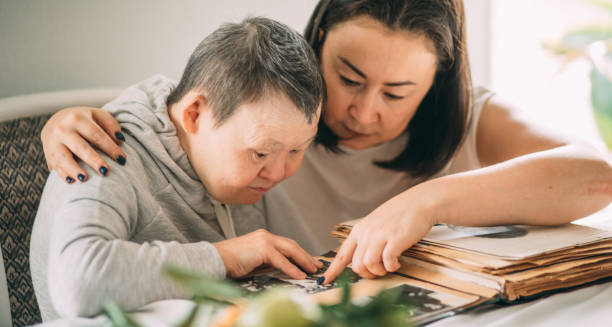
Woman supporting an adult with Down’s syndrome while looking through a photo album

Complications of Down’s Syndrome

Complications of Down’s Syndrome The complications of Down’s syndrome vary from person to person and can range from mild health issues to more serious medical challenges. While modern medicine and early intervention have improved outcomes, people with Down’s syndrome are still more likely to face certain physical, cognitive, and emotional health difficulties. Understanding these risks helps families and healthcare providers manage them proactively. One of the most significant complications of Down’s syndrome is congenital heart disease. Around half of all babies with the condition are born with structural heart defects, such as atrioventricular septal defects or ventricular septal defects. Many require surgery early in life, and ongoing cardiology follow-up is necessary throughout childhood and beyond. Hearing and vision problems are also common. Chronic ear infections, narrow ear canals, and fluid buildup can lead to hearing loss, which impacts language development. Regular hearing tests are recommended from infancy. Vision issues—such as cataracts, strabismus, or near-sightedness—occur frequently, and many individuals wear glasses or need corrective surgery. Thyroid dysfunction, particularly hypothyroidism, is another complication. It can develop in infancy or later and often requires lifelong treatment. Low thyroid function affects growth, energy, and mental development, making routine thyroid screening essential in the care of anyone with Down’s syndrome. Other medical complications include respiratory infections, sleep apnoea, gastrointestinal disorders (like coeliac disease or constipation), and a higher risk of leukaemia during early childhood. Later in life, adults with Down’s syndrome have an increased risk of early-onset Alzheimer’s disease and other forms of dementia, often beginning in their 40s or 50s. Developmental complications are also part of the broader picture. While intellectual disability is a hallmark of the condition, learning difficulties and delayed speech can vary in severity. Without support, these challenges may impact education, independence, and employment. Early therapy and inclusive education greatly reduce the long-term impact. Emotional and mental health issues are increasingly recognised among the complications of Down’s syndrome. Children and adults may struggle with anxiety, depression, or behavioural changes. These are often linked to transitions, communication difficulties, or physical discomfort that is not easily expressed. Mental health support should be a regular part of care planning. Complications of Down’s Syndrome In South Africa, managing complications can be difficult in areas with limited medical infrastructure or access to specialists. Families may travel long distances for surgery, therapy, or developmental assessments. Community-based clinics and outreach programmes are helping bridge some of these gaps. While the list of complications may seem overwhelming, many are manageable with early detection and regular medical follow-up. Families who work closely with a team of healthcare professionals can address challenges as they arise, improving outcomes significantly. Understanding the complications of Down’s syndrome is not about focusing on limitations—but about planning for a healthier, more supported life for each individual. [Next: Back to Overview →]

Complications of Down’s Syndrome Read More »

Scroll to Top