Mental Matters

Author name: admin

Thin person measuring waist with tape measure

Bulimia

Bulimia – Overview The Bulimia condition is an eating disorder marked by a cycle of binge eating followed by behaviours aimed at avoiding weight gain. Such as vomiting, excessive exercise, or laxative use. This condition — formally known as bulimia nervosa. This condition s a serious mental health condition that affects both physical and emotional well-being and can lead to severe medical complications if untreated. The disorder typically involves episodes of consuming large amounts of food in a short time (bingeing), accompanied by a sense of loss of control. This is followed by attempts to “undo” the eating through purging, fasting, or overexercising. These behaviours are often hidden and driven by deep fears about body image, weight, and self-worth. Bulimia can affect people of all genders and ages but most commonly begins in adolescence or early adulthood. Although it’s often associated with women, men also suffer from the condition, sometimes with even greater stigma and underdiagnosis. Bulimia The cycle of bingeing and purging can become compulsive, leading to guilt, shame, and distress. Unlike anorexia, individuals with this may maintain a normal weight or even be overweight. Furthermore, making the condition harder to recognise externally. Left untreated, this condition can cause serious health risks — including electrolyte imbalances, heart irregularities, gastrointestinal damage, dental problems, and mental health issues such as depression and anxiety. However, with the right support, recovery is absolutely possible. [Next: Causes of Bulimia →]


Bulimia Read More »

Slim girl viewing a distorted overweight reflection in a mirror

Causes of Bulimia

Causes of Bulimia Causes of bulimia are complex and often involve a mix of psychological, genetic, cultural, and environmental factors. The most common causes of bulimia include low self-esteem, body dissatisfaction, perfectionism, trauma, and societal pressures related to beauty and weight. Psychological factors play a central role. People with bulimia often have distorted beliefs about food, weight, and self-worth. They may use food to cope with stress, sadness, loneliness, or boredom — and then purge to relieve the associated guilt and anxiety. Perfectionism, anxiety disorders, obsessive-compulsive traits, and a need for control are commonly seen in those with bulimia. Family history is another important risk factor. People with a close relative who has an eating disorder, depression, or substance abuse are more likely to develop bulimia. This may be due to genetic vulnerability as well as shared family environments and attitudes towards food and body image. Trauma and difficult life experiences — including childhood abuse, bullying, or significant loss — may increase the risk. These events can lead to a sense of emotional instability or a need to regain control, often expressed through disordered eating patterns. Cultural and societal influences also play a powerful role. Media and fashion industries often promote unrealistic body ideals, particularly thinness in women and muscularity in men. Social media platforms amplify these messages, contributing to body dissatisfaction and dieting behaviours, which can spiral into bulimia. Causes of Bulimia Participation in certain sports or activities that emphasise weight control — such as gymnastics, running, wrestling, ballet, or modelling — may further increase risk, particularly when coaches or peers encourage strict weight standards. Dieting itself is a well-established risk factor. Restrictive eating can lead to intense food cravings, which in turn trigger binge eating. The subsequent guilt often leads to purging, reinforcing the cycle. Understanding the causes of bulimia is key to effective prevention and treatment. Addressing the underlying psychological triggers, societal pressures, and trauma — alongside nutritional rehabilitation — forms the foundation of recovery. [Next: Symptoms of Bulimia →]

Causes of Bulimia Read More »

Hands tied with measuring tape over an empty plate, symbolising eating disorder

Symptoms of Bulimia

Symptoms of Bulimia Symptoms of bulimia can be both physical and behavioural. Because many people with the disorder hide their behaviours, the most visible symptoms of bulimia may go unnoticed until medical or psychological problems become severe. The hallmark behavioural symptom is the binge-purge cycle. During a binge, an individual may eat large amounts of food — often rapidly and in secret — followed by purging. Purging may include self-induced vomiting, excessive exercise, fasting, or misuse of laxatives, diuretics, or enemas. People with bulimia often experience intense feelings of shame, guilt, and loss of control during and after these episodes. The pattern becomes compulsive, with the binge-purge cycle sometimes occurring multiple times a day. Other behavioural signs include frequent trips to the bathroom after meals, excessive concern with weight or body shape, rigid dieting followed by loss of control, and hiding or hoarding food. Individuals may appear to eat normally in public but engage in disordered behaviours privately. Physical symptoms include fatigue, dizziness, irregular heartbeats, sore throat, swollen salivary glands, and gastrointestinal distress. Vomiting can lead to dental enamel erosion, mouth sores, and bad breath. Calluses or scars on the knuckles — known as “Russell’s sign” — may be visible from repeated use of fingers to induce vomiting. Symptoms of Bulimia Irregular or absent menstrual periods are common in women. Men may experience hormonal imbalances or reduced libido. Both genders may suffer from dehydration and electrolyte imbalances, which can become life-threatening if not treated. Emotional symptoms such as anxiety, depression, mood swings, and low self-worth often accompany the eating disorder. People with bulimia may isolate themselves, avoid social meals, and struggle with perfectionism or impulsivity. Many individuals do not appear underweight and may maintain an average or above-average weight. This makes symptoms of bulimia harder to detect compared to anorexia, where weight loss is more obvious. If you or someone you know shows signs of bulimia, early intervention is critical. The sooner treatment begins, the better the chances of full recovery and prevention of long-term damage. [Next: Diagnosis of Bulimia →]

Symptoms of Bulimia Read More »

Diagnosis of Bulimia

Diagnosis of Bulimia

Diagnosis of Bulimia Diagnosis of bulimia is based on clinical assessment, medical history, and behavioural criteria outlined in mental health diagnostic manuals. An accurate diagnosis of bulimia allows for appropriate treatment planning and helps reduce the risk of serious medical complications. The process often begins with a general practitioner, psychologist, or psychiatrist who will ask about eating habits, attitudes toward food and body image, and emotional wellbeing. Specific questions are asked to determine if binge eating and purging behaviours are occurring and how frequently they happen. According to the DSM-5 (Diagnostic and Statistical Manual of Mental Disorders), a diagnosis of bulimia nervosa requires: In addition to the psychological evaluation, physical assessments are important. A doctor may check vital signs, conduct blood tests, and monitor for signs of malnutrition, dehydration, or electrolyte imbalances. Dental examinations and ECGs may be done to detect damage from vomiting or cardiac irregularities. Diagnosis of Bulimia It’s also important to rule out other medical or psychological conditions that may mimic bulimia or occur alongside it, such as depression, anxiety disorders, obsessive-compulsive disorder, or substance misuse. Because many individuals with bulimia are secretive about their behaviour and may deny or minimise symptoms, family members and close friends can play a helpful role in raising concerns or providing insight. Early diagnosis of bulimia improves outcomes. If you suspect this disorder in yourself or someone else, it’s important to seek professional help. The sooner intervention occurs, the better the chance of a full and lasting recovery. [Next: Treatment of Bulimia →]

Diagnosis of Bulimia Read More »

Nutritionist planning a healthy meal plan with fresh fruits and vegetables

Treatment of Bulimia

Treatment of Bulimia Treatment of bulimia focuses on breaking the binge-purge cycle, addressing the underlying psychological issues, and restoring healthy eating behaviours. Successful treatment of bulimia is usually a combination of psychotherapy, nutritional support, medical monitoring, and sometimes medication. The most effective therapy for bulimia is Cognitive Behavioural Therapy (CBT), particularly a version known as CBT-E (enhanced). This approach helps individuals identify and change distorted thinking patterns around food, body image, and self-worth. It also includes structured meal planning, behavioural experiments, and relapse prevention strategies. Nutritional counselling is essential. A registered dietitian works with the person to develop balanced meal plans, normalise eating patterns, and reduce food-related anxiety. Education about hunger cues and the dangers of dieting can help prevent relapse. Doctors may prescribe medication in some cases. Fluoxetine (Prozac), an antidepressant, reduces binge-purge episodes in people with bulimia—even those without clinical depression. Other medications may be used to treat co-occurring depression, anxiety, or mood disorders. In more severe cases — especially when physical health is compromised — hospitalisation or intensive outpatient programmes may be necessary. Medical monitoring ensures that electrolyte imbalances, dehydration, or heart issues are safely managed. Treatment of Bulimia Therapists may recommend family-based therapy for adolescents, involving parents to support healthier habits at home during recovery. Support groups and peer recovery communities can also play a valuable role, offering connection, understanding, and encouragement. Recovery takes time and commitment. Relapses may happen but are part of the process. The goal of treatment of bulimia is not only to stop disordered behaviours but to improve emotional regulation, self-esteem, and overall mental health. With the right support system, personalised care, and compassion, individuals with bulimia can achieve long-term recovery and live fulfilling lives. [Next: Complications and Recovery from Bulimia →]

Treatment of Bulimia Read More »

Woman staring at a single cherry tomato on a plate with her head in her hands

Complications and Recovery from Bulimia

Complications and Recovery from Bulimia Complications and recovery from bulimia are deeply interconnected. If untreated, the condition can cause serious health issues — but with the right care, full recovery is absolutely possible. Understanding the potential complications and recovery from bulimia helps motivate early intervention and long-term support. The most dangerous complications come from purging behaviours. Repeated vomiting can lead to electrolyte imbalances, which affect the heart’s rhythm and can be fatal. Low potassium (hypokalaemia) is especially risky and may lead to cardiac arrest. Frequent vomiting also causes esophageal tears, acid reflux, mouth ulcers, and severe dental erosion. Chronic laxative use may damage the intestines, cause dependency, and lead to dehydration or kidney problems. Overexercising can result in joint injuries, hormonal imbalance, and stress fractures. Mental health complications include depression, anxiety, self-harm, and in severe cases, suicidal thoughts. These issues may predate the eating disorder or develop as a result of living with it. Many people report feelings of isolation, guilt, and shame, especially when the disorder is hidden for years. However, recovery is entirely possible. The path to healing begins with honesty, professional support, and compassionate care. A multidisciplinary team — including doctors, therapists, and dietitians — helps guide each person through nutritional restoration, emotional recovery, and behavioural change. Recovery often follows an up-and-down path. Some days may feel easier than others, and setbacks are not failures. With time, people can rebuild a healthy relationship with food, body image, and self-worth. Complications and Recovery from Bulimia Support from loved ones is crucial. Friends and family should be educated on how to respond supportively and avoid comments about appearance or eating habits. Encouragement, patience, and non-judgement are key. Ongoing care is vital, even after acute symptoms improve. This includes regular therapy, health check-ups, and support groups to help maintain progress and manage stressors that could trigger relapse. With the right support, complications and recovery from bulimia can be managed, and a life free from disordered eating is within reach. Back to Overview

Complications and Recovery from Bulimia Read More »

Illustration of a man clutching his chest with directional arrows indicating heart signal disturbance

Brugada Syndrome

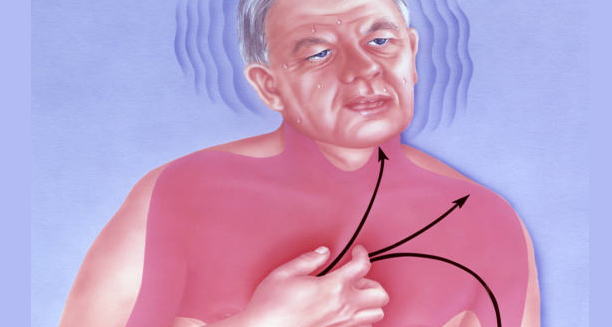
Brugada Syndrome – Overview Brugada syndrome is a rare but serious genetic heart condition that affects the way electrical signals pass through the heart. This syndrome can cause abnormal heart rhythms (arrhythmias), which may lead to fainting, seizures, or sudden cardiac death — particularly in young adults and otherwise healthy individuals. This condition often goes unnoticed because people may not show any symptoms until a significant event occurs. In many cases, it’s only diagnosed after an abnormal electrocardiogram (ECG) or following an unexplained fainting episode or cardiac arrest. The condition is more common in men and often appears between the ages of 30 and 40. This syndrome affects the sodium channels in the heart, which play a key role in the electrical system that controls heartbeat. When these channels don’t function properly, it can disrupt the heart’s rhythm and cause it to beat dangerously fast or irregularly, particularly during rest or sleep. Brugada Syndrome Because this syndrome can result in sudden death without prior warning, early detection is critical. Diagnosis is based on a characteristic ECG pattern and sometimes confirmed by genetic testing. Once identified, treatment options include medication, lifestyle changes, and in high-risk cases, the placement of an implantable cardioverter-defibrillator (ICD). While there is currently no cure, people with Brugada syndrome can lead full lives with appropriate monitoring and medical care. [Next: Causes of Brugada Syndrome →]

Brugada Syndrome Read More »

Causes of Brugada Syndrome

Causes of Brugada Syndrome

Causes of Brugada Syndrome Causes of Brugada syndrome are primarily genetic, with most cases linked to inherited mutations that affect the heart’s electrical system. The leading causes of Brugada syndrome involve abnormalities in sodium channel function, although environmental and medication-related factors can also trigger symptoms in genetically predisposed individuals. The most common cause is a mutation in the SCN5A gene, which affects the sodium channels in heart muscle cells. These channels regulate the flow of sodium ions, which are essential for generating and conducting electrical impulses across the heart. A defect in these channels can disrupt normal heart rhythm and lead to dangerous arrhythmias. Brugada syndrome follows an autosomal dominant inheritance pattern, meaning a person only needs to inherit one copy of the defective gene from either parent to develop the condition. However, not everyone with the mutation shows symptoms, which makes family screening and awareness especially important. External triggers can also play a role. Certain medications — such as some antiarrhythmics, antidepressants, or anaesthetics — may worsen or reveal Brugada-type ECG changes. Fever is another known trigger, particularly in children, as increased body temperature can unmask underlying electrical abnormalities in the heart. Causes of Brugada syndrome Substance abuse, especially of alcohol or recreational drugs like cocaine, can also provoke arrhythmias in people with latent Brugada syndrome. High levels of stress or dehydration may increase risk as well. In rare cases, structural heart disease or other ion channelopathies can mimic Brugada syndrome, which makes thorough diagnostic evaluation essential. Understanding the causes of Brugada syndrome helps guide treatment and lifestyle adjustments. Patients are often advised to avoid certain medications, promptly manage fevers, and undergo regular heart monitoring — especially if they have a family history of sudden cardiac death. [Next: Symptoms of Brugada Syndrome →]

Causes of Brugada Syndrome Read More »

Illustration of a sleeping person with a heart rate monitor showing an abnormal ECG pattern

Symptoms of Brugada Syndrome

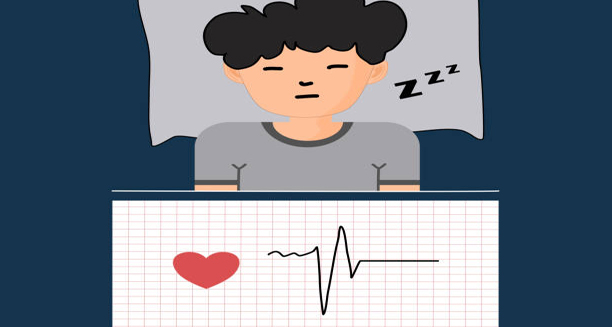
Symptoms of Brugada Syndrome Symptoms of Brugada Syndrome can range from subtle to life-threatening. The most common symptoms of Brugada syndrome include fainting (syncope), irregular heartbeats, nighttime seizures, and in severe cases, sudden cardiac arrest. Unfortunately, many individuals remain asymptomatic until a serious event occurs. Fainting is often the first noticeable symptom and may happen during rest or sleep. This occurs when the heart goes into an abnormal rhythm and cannot pump enough blood to the brain. The episodes are sudden, may be brief, and are sometimes mistaken for seizures due to limb jerking or unconsciousness. Irregular heartbeats (arrhythmias), especially ventricular fibrillation or polymorphic ventricular tachycardia, are common in Brugada syndrome. These rhythms are fast and chaotic, leading to reduced blood flow and oxygen delivery throughout the body. If not corrected immediately, they can result in death. Nocturnal symptoms are particularly important. Brugada syndrome arrhythmias often occur during rest or sleep, making sudden unexplained deaths during the night a key red flag — especially in young, otherwise healthy adults. Symptoms of Brugada Syndrome Seizure-like episodes at night may also occur. These are not true epileptic seizures but result from reduced blood flow to the brain during arrhythmic episodes. Palpitations, dizziness, and shortness of breath may occur in some people, but these symptoms are non-specific and can be easily overlooked or attributed to other causes. Some individuals with Brugada syndrome remain completely asymptomatic, only discovering the condition through family screening or after an abnormal ECG done for unrelated reasons. It’s crucial to recognise symptoms of Brugada syndrome, especially in people with a family history of unexplained fainting or sudden cardiac death. Even a single fainting episode in these individuals warrants urgent cardiac evaluation. [Next: Diagnosis of Brugada Syndrome →]

Symptoms of Brugada Syndrome Read More »

Gloved hand holding a blood sample tube labelled Quinidine Test

Diagnosis of Brugada Syndrome

Diagnosis of Brugada Syndrome Diagnosis of Brugada syndrome is primarily based on an electrocardiogram (ECG). Furthermore, showing a distinct pattern known as a “type 1 Brugada pattern.” A confirmed diagnosis also takes into account family history, symptoms, and sometimes genetic testing. The classic Brugada ECG pattern shows an elevated ST segment in the right chest leads (V1–V3). Often described as a “coved” shape. This pattern may not always be visible on a routine ECG. So specialised testing — such as a sodium channel blocker challenge — may be used to provoke the characteristic changes. Doctors may also use Holter monitoring or exercise stress testing to monitor the heart’s rhythm over 24–48 hours. Especially if symptoms are infrequent or occur at night. An implantable loop recorder may be recommended in more complex cases to capture abnormal rhythms over weeks or months. If a patient has a family history of Brugada syndrome or sudden cardiac death, screening of close relatives with ECGs and possibly genetic testing is important. Genetic testing can identify mutations in the SCN5A gene or other related genes, although not all cases have a detectable mutation. Therefore, a normal genetic test does not rule out the condition. Diagnosis of Brugada Syndrome In some cases, an electrophysiology (EP) study may be performed to assess the heart’s susceptibility to dangerous arrhythmias. This test involves placing catheters into the heart to provoke abnormal rhythms under controlled conditions. Diagnosis must also rule out other conditions that mimic Brugada syndrome, such as pericarditis, early repolarisation, or certain electrolyte imbalances. An accurate diagnosis of Brugada syndrome enables timely management and can be lifesaving. It informs risk assessment and guides treatment decisions such as ICD placement or lifestyle modifications. [Next: Treatment of Brugada Syndrome →]

Diagnosis of Brugada Syndrome Read More »

Scroll to Top