Mental Matters

Author name: admin

Diagnosis of Male Menopause

Diagnosis of Male Menopause

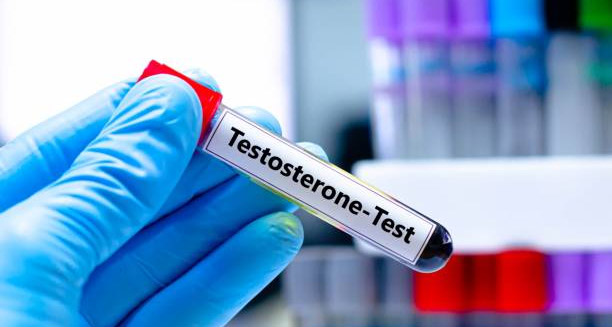
Diagnosis of male menopause requires a thorough and systematic approach because its symptoms often overlap with other medical conditions or are dismissed as natural ageing. Unlike female menopause, which occurs at a clearly defined time due to the cessation of menstruation, male menopause (also known as andropause or late-onset hypogonadism) is more gradual and harder to pinpoint. Accurate diagnosis is essential to rule out other causes, confirm testosterone deficiency, and provide effective treatment. This section outlines how healthcare providers diagnose male menopause through symptom analysis, clinical exams, lab testing, and medical guidelines. Recognising the Symptoms The diagnosis of male menopause often begins with a man reporting ongoing symptoms like low libido, fatigue, mood swings, weight gain, muscle loss, or erectile dysfunction. These signs appear gradually and may be subtle. However, many of these symptoms also stem from other conditions, including: Because these symptoms overlap with various health issues, doctors can’t rely on them alone. A deeper evaluation is necessary. Step 1: Medical History The first step in the diagnosis of male menopause is taking a detailed medical history. Doctors will ask about: Being open and honest during this step ensures more accurate diagnosis and treatment planning. Step 2: Physical Examination A physical exam provides clues about testosterone deficiency and helps identify or rule out other causes. Doctors may check: This step offers insight into hormone levels and possible related conditions. Step 3: Blood Tests – The Critical Factor Lab testing plays the biggest role in confirming the diagnosis of male menopause. These tests measure hormone levels and help pinpoint the cause. Key tests include: These lab results guide diagnosis and help rule out other problems. Step 4: Clinical Guidelines and Diagnosis Criteria Doctors use established guidelines to confirm the diagnosis of male menopause. For example, The Endocrine Society requires both low testosterone and symptoms to be present before starting treatment. It’s not enough to have low testosterone alone. Many men with low levels feel fine and don’t need therapy. Likewise, some men with normal testosterone may have symptoms caused by other issues. Diagnosis must be made using both lab results and a full clinical picture. Step 5: Ruling Out Other Conditions Another key part of diagnosis is excluding other diseases that mimic male menopause. These include: If symptoms remain unclear, doctors may refer the patient to a urologist or endocrinologist for further testing or hormone analysis. The Role of Age Testosterone normally drops by about 1% per year after age 30. This slow decline is part of natural ageing and doesn’t always cause symptoms or require treatment. However, a sharp or early drop—especially if it causes fatigue, depression, or sexual dysfunction—may point to pathological andropause. Age alone should never be the deciding factor in the diagnosis of male menopause. Many men in their 40s or 50s experience hormonal decline due to stress, obesity, or medications. Challenges in Diagnosis Diagnosing male menopause isn’t always straightforward. Hormone levels vary from day to day, and symptoms often resemble other conditions. Some key challenges include: Because of this, accurate diagnosis requires a skilled medical professional who uses a full-body, evidence-based approach. Conclusion The diagnosis of male menopause involves more than just a blood test. It starts with recognising symptoms, taking a complete history, and performing a physical exam. Lab testing confirms hormone levels, and other conditions must be ruled out. A timely and accurate diagnosis of male menopause is vital for long-term health. Without it, men risk complications like osteoporosis, heart disease, and metabolic syndrome. With the right diagnosis, treatment can begin—and symptoms can be reversed or managed effectively. [Next: Treatment of Male Menopause →]


Diagnosis of Male Menopause Read More »

Treatment of Male Menopause

Treatment of Male Menopause

The treatment of male menopause aims to alleviate symptoms, restore hormone balance, and improve the overall quality of life. Because male menopause, or andropause, is often linked to declining testosterone levels and a host of physical and psychological effects, a tailored, evidence-based approach is essential. Treatment of male menopause usually combines hormone replacement therapy, lifestyle changes, management of comorbidities, and psychological support. This section outlines the most effective strategies, including testosterone therapy, natural methods, and when medical intervention becomes necessary. Understanding the Treatment Approach Before starting treatment, it’s important to confirm that testosterone levels are consistently low. A proper diagnosis requires both symptoms and lab-confirmed hormonal deficiency. Treating without these can create unnecessary risks. Several factors guide the treatment plan: The most effective results come from a team approach. This may include GPs, endocrinologists, and mental health professionals working together. 1. Testosterone Replacement Therapy (TRT) The most common medical treatment of male menopause is testosterone replacement therapy (TRT). Its goal is to restore testosterone to normal levels and reduce symptoms. Main forms of TRT include: TRT may improve: However, there are risks: Doctors monitor patients on TRT with blood tests. These track prostate health, liver function, and blood thickness to ensure treatment remains safe. 2. Natural and Lifestyle-Based Treatments For mild cases or borderline hormone levels, lifestyle changes can be enough. These strategies may naturally support hormone balance and ease symptoms. Effective habits include: Useful supplements (with medical approval): While these won’t replace medical treatment, they can support it—especially when combined with lifestyle changes. 3. Treating Related Medical Conditions Sometimes, the symptoms of male menopause come from other health issues. In these cases, fixing the root cause can relieve symptoms without testosterone therapy. Examples include: When low testosterone is a result—not a cause—of another condition, treating that condition first may be best. 4. Emotional and Relationship Support Emotional symptoms like low mood, irritability, and loss of confidence are common. These often affect relationships, work, and daily life. Men can benefit from: Encouraging open conversations helps break stigma and promotes healthier coping. 5. When TRT Isn’t the Right Choice Testosterone therapy doesn’t suit everyone. In fact, it should be avoided in some cases. TRT is not recommended for men who have: In these cases, lifestyle changes or targeted treatment of underlying issues are safer and more appropriate. Monitoring and Long-Term Care The treatment of male menopause is not a one-time fix. Ongoing medical supervision is key to keeping symptoms under control and avoiding risks. Doctors should: Follow-ups are usually scheduled 3–6 months after starting therapy, then once a year. This ensures that benefits continue and risks stay low. Conclusion The treatment of male menopause involves more than just replacing testosterone. It’s about supporting the whole person—physically, mentally, and emotionally. While TRT helps many men, it’s not always needed. Some improve through lifestyle changes, stress reduction, and treating related conditions. Ongoing medical care, open communication, and a commitment to healthy living offer the best path to recovery. With the right approach, men can regain energy, confidence, and quality of life. [Next: Complications of Male Menopause →]

Treatment of Male Menopause Read More »

Complications of Male Menopause

Complications of Male Menopause

The complications of male menopause can have a profound impact on various aspects of a man’s life—physically, emotionally, socially, and even professionally. Also known as andropause or late-onset hypogonadism, this hormonal transition doesn’t only affect testosterone levels—it can influence cardiovascular health, sexual well-being, bone density, mood, and quality of life. These complications often develop slowly, making them hard to detect at first. But over time, they can seriously disrupt daily functioning. This makes early diagnosis and consistent care essential for managing male menopause effectively. Sexual Health and Fertility Problems Many men first notice changes in sexual health. Falling testosterone levels disrupt the body’s sexual response and affect physical performance. Men may experience: For men hoping to maintain fertility, testosterone therapy might not be the best choice. It can lower sperm production by disrupting natural hormone cycles. Instead, doctors may recommend options like hCG injections or SERMs (selective oestrogen receptor modulators), which boost testosterone without harming sperm count. Mental and Emotional Health Effects The complications of male menopause go far beyond the body. Emotional and mental health can suffer when hormone levels shift. These changes often affect how the brain manages mood and focus. Common issues include: Because these symptoms overlap with clinical depression, they can go unrecognised or misdiagnosed. Many men also hesitate to seek help. Support from therapists, partners, or peer groups can make a big difference in recovery. Risks to Heart Health Low testosterone can also raise the risk of heart disease. The relationship between testosterone and the heart is complex, but research links low levels to: These issues may lead to serious conditions like heart attacks, strokes, and diabetes. On the other hand, using too much testosterone—especially without medical supervision—can also cause heart problems. Monitoring testosterone therapy closely is crucial for safety. Bone Loss and Fracture Risk Another complication of male menopause is weaker bones. Testosterone helps keep bones strong, and without it, men face a higher chance of developing osteoporosis. This can lead to: Men often assume osteoporosis is a women’s issue, but it affects them too—especially after age 50. Regular bone scans, resistance training, and calcium plus vitamin D supplements can all help protect bone health. Metabolic Changes and Muscle Loss As testosterone drops, the body tends to lose muscle and gain fat. This combination can lead to fatigue and poor physical performance. Men may notice: Abdominal fat contributes to more hormonal imbalance. It increases oestrogen and insulin resistance, making symptoms worse. Strength training and better nutrition can improve muscle mass and balance hormones naturally. Metabolic Syndrome and Related Conditions One of the more dangerous complications of male menopause is metabolic syndrome. This group of conditions raises the risk of diabetes, heart disease, and stroke. It includes: Testosterone helps regulate insulin and fat metabolism. When levels fall, these risk factors often rise. A healthier diet, regular exercise, and sometimes medications can help control this syndrome and protect long-term health. Sleep and Immune System Disruption Sleep problems are common during male menopause. Poor sleep makes other symptoms worse and slows down recovery. Symptoms include: Lack of rest lowers testosterone even more and may weaken the immune system. Some men also become more prone to infections or chronic inflammation. Sleep studies, CPAP machines, and healthy habits can improve sleep and support the immune system. Social and Relationship Challenges The emotional and physical changes of male menopause can strain relationships and affect social life. Men may become withdrawn, moody, or insecure—leading to misunderstanding and tension at home or work. Other effects might include: Couples therapy, honest conversations, and support from friends or coworkers can help men stay connected and emotionally stable. Conclusion The complications of male menopause reach into nearly every area of life. From fertility problems and heart disease to depression and broken relationships, these issues can seriously affect a man’s quality of life. But male menopause is manageable. With early diagnosis, medical support, and healthy lifestyle changes, many men overcome these complications. By staying informed and proactive, men can navigate this midlife transition with strength and confidence. [Next: Back to Overview →]

Complications of Male Menopause Read More »

Overview of Malaria

Overview of Malaria

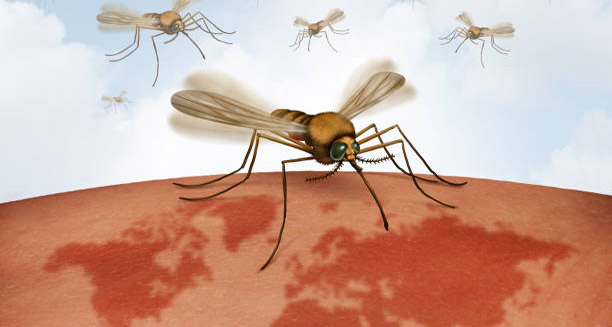
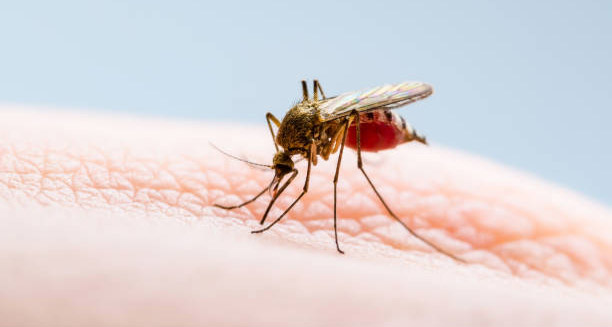
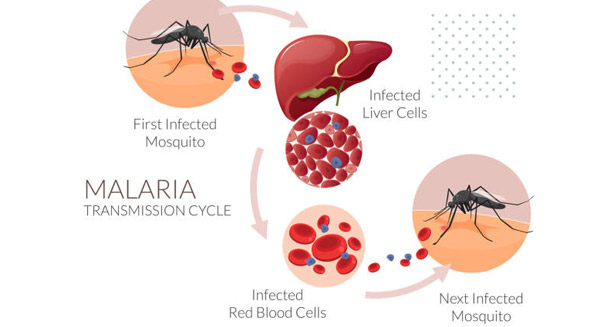
Overview of Malaria Malaria is a life-threatening parasitic disease primarily transmitted to humans through the bite of infected female Anopheles mosquitoes. It remains one of the most widespread infectious diseases in the world, affecting millions of people annually — particularly in tropical and subtropical regions. Even though malaria is both preventable and curable, it continues to be a major global health issue. The disease is serious, can return after treatment, and may cause complications if not addressed quickly. Malaria comes from Plasmodium parasites. Five types can infect people: P. falciparum, P. vivax, P. malariae, P. ovale, and P. knowlesi. P. falciparum is the most deadly, while P. vivax spreads more widely because it can stay hidden in the liver and reactivate later. Global Impact of Malaria The Overview of Malaria would be incomplete without looking at how far-reaching the disease really is. According to the World Health Organization (WHO), over 240 million malaria cases were reported in 2022. These led to about 600,000 deaths — most of them in Sub-Saharan Africa. Children under five and pregnant women face the highest risk. Malaria also affects people in Southeast Asia, South America, and parts of the Middle East and Oceania. The disease hits low-income, rural communities hardest. These areas often lack access to mosquito nets, health clinics, and antimalarial medicines. How Malaria Spreads Malaria spreads when an infected Anopheles mosquito bites a person. It injects Plasmodium parasites into the blood. These parasites go straight to the liver, where they grow and multiply. After some days, they re-enter the bloodstream, infect red blood cells, and cause illness. The malaria parasite moves through several stages: This cycle helps explain how malaria spreads so quickly in communities without mosquito control. Who’s Most at Risk? In this Overview of Malaria, it’s important to highlight who is most vulnerable to the disease: These groups need extra protection and fast access to care. Different Types of Malaria Not all malaria cases are the same. The form of malaria depends on the species of Plasmodium involved: Knowing the type helps doctors choose the right treatment and monitor for relapses. Symptoms and Diagnosis Most malaria cases start with common symptoms like: In severe cases, symptoms include jaundice, seizures, or even coma. P. vivax and P. ovale usually cause fevers in 48-hour cycles. P. falciparum, on the other hand, often causes irregular or constant fevers and more serious complications. To diagnose malaria, health workers rely on: Treatment and Prevention Doctors treat malaria based on the species, the region’s drug resistance, and how sick the patient is. Most uncomplicated P. falciparum cases respond well to artemisinin-based combination therapies (ACTs). Severe cases often require hospital care and intravenous artesunate. Prevention remains key in this Overview of Malaria. Common strategies include: Combining these tools gives the best results in lowering malaria cases and deaths. Summary This Overview of Malaria shows how dangerous and widespread the disease remains. It affects millions — especially in tropical regions with limited healthcare. Plasmodium parasites, carried by mosquitoes, cause infections that range from mild to deadly. Recognising symptoms early and starting the right treatment can save lives. Prevention through mosquito control, medicine, and vaccines helps reduce the burden. With global cooperation and better access to care, the goal of ending malaria becomes more realistic every year. [Next: Causes of Malaria →]

Overview of Malaria Read More »

Causes of Malaria

Causes of Malaria

The causes of malaria lie in the complex interplay between humans, parasites, and mosquito vectors. Malaria is not caused by a virus or bacterium but by Plasmodium parasites that enter the human body primarily through the bite of an infected mosquito. Although malaria is common in tropical areas and places with poor sanitation, its real roots come from biological and environmental conditions. These include the behaviour of mosquitoes, human habits, and how easily mosquitoes can breed. Understanding the Causes of Malaria helps people and health authorities take better action to prevent and control the disease. 1. The Plasmodium Parasites The main Causes of Malaria are five species of Plasmodium parasites. The deadliest of these is Plasmodium falciparum. Each species causes different types of illness: These parasites attack red blood cells, multiply inside them, and make them burst. This process causes fever, chills, and anaemia — the classic symptoms of malaria. 2. Transmission via Mosquitoes The most common way people get malaria is from a bite by an infected female Anopheles mosquito. These mosquitoes are strong carriers because: When a mosquito bites someone with malaria, it picks up the parasite. The parasite grows in the mosquito’s gut and travels to its saliva. Then, when it bites another person, it injects the parasite into their blood — starting a new infection. Only female Anopheles mosquitoes spread malaria. Male mosquitoes don’t bite people. 3. Rare Human-to-Human Transmission Although mosquitoes cause most malaria cases, the disease can sometimes pass directly from one person to another. This happens in rare cases like: These cases are rare but serious, especially in countries where malaria is not common and screening may be missed. 4. Environmental Causes and Risk Factors Several environmental and lifestyle factors also support the spread of malaria. These include: In many low-income regions, people sleep without bed nets, live in homes without screens, and work outside at night — all of which raise their risk of mosquito bites. 5. Weak Prevention Efforts Poor or broken prevention systems often lead to a rise in malaria cases. Common problems include: Conflict, natural disasters, or economic trouble can also make prevention harder, increasing the risk of outbreaks. 6. Global Travel and Migration With more people travelling, malaria sometimes appears in places where it usually doesn’t occur. Travellers from malaria-free countries may visit risky areas, get infected, and bring the parasite home. If local mosquitoes bite them and spread the parasite, small outbreaks can begin in places that were once malaria-free. Refugees and people escaping crises may also bring malaria across borders when healthcare systems are overwhelmed. Causes of Malaria in Human Biology 7. Genetic and Biological Factors Some people have inherited traits that affect their risk of malaria: These traits developed over time in regions where malaria was common. However, they do not guarantee full protection from the disease. Summary The Causes of Malaria begin with Plasmodium parasites, spread by female Anopheles mosquitoes. Yet, many other factors — like environment, poor healthcare, travel, and genetics — also play a role in how the disease spreads and affects people. Knowing these causes allows better prevention and helps in building strong plans to fight malaria around the world. [Next: Symptoms of Malaria →]

Causes of Malaria Read More »

Symptoms of Malaria

Symptoms of Malaria

The symptoms of malaria vary significantly depending on the Plasmodium species involved, the age and immunity of the individual, and the stage of infection. Early identification of malaria symptoms helps ensure timely treatment and can prevent serious harm or death in places where healthcare has limits. Since early signs often look like flu, it’s hard to tell without testing. Still, malaria shows telltale patterns that can help spot it, especially in areas where it happens often or after travel to those zones. In this section, we’ll look at key signs for the Symptoms of Malaria, such as early signs, fever patterns, stomach-related symptoms, severe red flags, relapse signs, and special cases. 1. Early Symptoms of Malaria Malaria often starts 10 to 15 days after a mosquito bite. But some types (P. vivax, P. ovale) may lie hidden in the liver and come back much later. Common early symptoms include: These signs may come in cycles as red blood cells break open. This cycle happens in malaria. 2. Classical Malaria Attacks (Paroxysms) Malaria’s classic attack has three stages in a repeating pattern—key to recognizing the Symptoms of Malaria: Cold Stage (Chill Phase) Hot Stage (Fever Phase) Sweating Stage (Defervescence Phase) These cycles may repeat every 48 hours (P. vivax, P. ovale, P. falciparum) or every 72 hours (P. malariae). In P. falciparum, fever may come without a clear pattern. 3. Gastrointestinal and Non‑Specific Symptoms Some people—especially kids or visitors—get vague or stomach-related symptoms, making it harder to spot malaria: These signs may be mistaken for food poisoning, dengue, or typhoid and delay diagnosis. 4. Symptoms of Severe Malaria Without quick care, malaria can worsen fast—especially P. falciparum. Warning signs of Symptoms of Malaria becoming severe include: Young children, pregnant women, people with weak immunity, and travellers with no prior exposure face higher risks. 5. Chronic and Relapsing Malaria Symptoms Some malaria types (P. vivax, P. ovale) hide in the liver as dormant forms called hypnozoites. They can wake up months or years later and cause relapse. Relapse symptoms look like initial ones: Long-term effects can include an enlarged spleen, chronic anaemia, and, in children, growth or learning delays. These issues are common in places where malaria happens often. Symptoms of Malaria in Special Cases 6. Malaria in Special Populations Different groups may show different signs: 7. Asymptomatic Carriers In areas where malaria is common, some adults develop partial immunity. They carry the parasite without feeling sick. These silent carriers can still spread malaria to mosquitoes and to others. That makes them a hidden challenge in ending malaria. Summary The Symptoms of Malaria range from mild and flu-like to severe and dangerous. Spotting the classic fever pattern—chills, fever, sweating—helps tell malaria apart from other illnesses. Early detection and treatment make a big difference, especially for vulnerable people. Understanding how symptoms develop and differ helps lead to faster care and better outcomes. [Next: Diagnosis of Malaria →]

Symptoms of Malaria Read More »

Diagnosis of Malaria

Diagnosis of Malaria

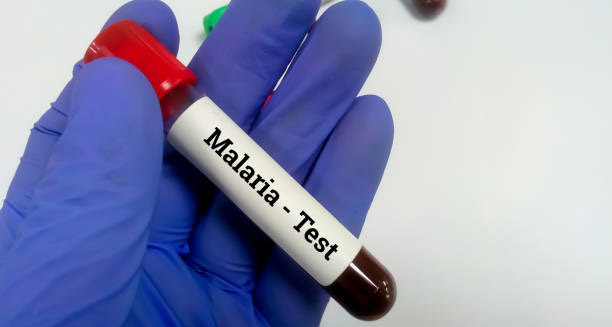
An accurate and timely diagnosis of malaria is critical for initiating appropriate treatment and reducing the risk of severe illness or death. Since malaria symptoms often look like other illnesses such as flu, typhoid, or dengue, guessing based on symptoms alone can be wrong. That’s why proper testing is key, especially in malaria-prone areas or after travel to those places. In this section, we’ll look at the main methods used in the Diagnosis of Malaria. These include clinical checks, microscope testing, rapid tests, molecular methods, and how doctors tell it apart from other diseases. 1. Clinical Evaluation in the Diagnosis of Malaria The first step is a full health check and background history. Doctors usually ask about: This helps raise suspicion, but by itself, it can’t confirm malaria. That’s why lab testing is always needed. 2. Microscopy: The Gold Standard Using a microscope to look at stained blood is still the most trusted method for the Diagnosis of Malaria. Two smear types are used: Doctors stain the blood with Giemsa dye, then check under a microscope for parasites in red blood cells. Pros: Cons: Even with these limits, microscopy remains the best overall tool when available. Rapid and Molecular Tools for Malaria Detection 3. Rapid Diagnostic Tests (RDTs) In places without microscopes, RDTs help confirm malaria quickly. These tests use a drop of blood, usually from a finger-prick, to look for malaria antigens. They work like pregnancy tests. The most common ones detect: Benefits: Drawbacks: RDTs aren’t as detailed as microscopy but help expand access to testing in high-risk areas. 4. Molecular Tests (PCR and NAATs) These tests use DNA to find malaria parasites, even when levels are very low. PCR and other NAATs detect parasite DNA in blood samples. They help with: Pros: Cons: These tests are often used in advanced hospitals, research labs, or in places trying to eliminate malaria completely. 5. Differential Diagnosis Because malaria looks like many other illnesses, ruling out other diseases is part of the Diagnosis of Malaria. Other conditions that may be confused with malaria: If malaria tests are negative, doctors need to check for these other causes. Monitoring and Special Cases in the Diagnosis of Malaria 6. Monitoring and Follow-Up Even after confirming malaria, more testing may be needed later on. Doctors use follow-up tests to: They may repeat blood smears or RDTs 48–72 hours after treatment starts, especially if the patient isn’t getting better. 7. Special Considerations in Pregnancy and Children In pregnant women in malaria areas, the infection may not show symptoms. Routine screening with RDTs or microscopy is important to protect both mother and baby. Malaria in pregnancy can cause: Children and babies also need close attention. Their symptoms may not follow normal patterns, and they can get worse quickly. Summary The Diagnosis of Malaria depends on both signs and lab tests. Microscopy remains the best tool for identifying the type and amount of parasite. But rapid tests make diagnosis possible in places with fewer resources. PCR and similar methods help in special cases. Early and correct diagnosis is key to stopping malaria, treating it well, and avoiding serious problems or death. [Next: Treatment of Malaria →]

Diagnosis of Malaria Read More »

Treatment of Malaria

Treatment of Malaria

The treatment of malaria is crucial in reducing disease severity, preventing complications, and lowering mortality, especially in regions where the disease is endemic. Fast and accurate treatment cures most malaria cases. However, the right treatment depends on several things. These include the type of Plasmodium, how sick the patient is, whether the patient is pregnant or a child, and local drug resistance. This section explains first-line medicines, treatment plans for mild and severe cases, how to manage drug resistance, and how to care for high-risk groups. It also covers ways to stop malaria from coming back. 1. Overview of Antimalarial Drugs Antimalarial medicines attack the parasite at different stages of its life. The most important part of Treatment of Malaria is artemisinin-based combination therapy (ACT). These drugs work together—artemisinin acts fast, and the partner drug clears the rest of the parasites while lowering resistance risk. Here are common antimalarial drugs: Doctors choose drugs based on the type of parasite and local drug resistance. The treatment length also depends on these factors. 2. Treatment of Uncomplicated Malaria Uncomplicated malaria means symptoms are present but without damage to organs or very low blood levels. This is the most common type, especially in early P. falciparum or P. vivax infections. a. P. falciparum (uncomplicated) b. P. vivax, P. ovale, P. malariae, P. knowlesi Severe and Complex Cases in the Treatment of Malaria 3. Treatment of Severe Malaria Severe malaria needs urgent hospital care. It shows up with high parasite levels or problems like brain swelling, breathing trouble, kidney failure, or extreme anaemia. a. First treatment: b. Next steps (oral treatment): c. Support care: Fast action greatly lowers the risk of death in severe cases. 4. Drug Resistance Challenges Drug resistance makes Treatment of Malaria more difficult. Some areas in Asia and Africa now have parasites that fight back against artemisinin and partner drugs. This can slow down recovery or cause treatment to fail. To handle this, WHO suggests: Fighting drug resistance is key in the global fight to stop malaria. Tailoring Treatment of Malaria to Specific Groups 5. Treatment in Special Populations a. Pregnant women b. Children and babies c. People with G6PD deficiency 6. Post-Treatment Considerations Even after good Treatment of Malaria, some things still need attention. In places where malaria spreads often, prevention tools matter. These include treated bed nets, indoor spraying, and giving medicine during risk periods. 7. Prevention of Relapse Some malaria types, like P. vivax and P. ovale, stay hidden in the liver. These forms can cause malaria to return weeks or even months later. To stop relapse: Stopping relapse is an important step in fully clearing malaria from the body. Summary Treatment of Malaria works well if started quickly and matched to the correct parasite and patient. ACTs remain the main choice for P. falciparum. Chloroquine and primaquine are key for P. vivax and P. ovale. Extra care is needed for pregnant women, small children, and those with G6PD deficiency. Keeping an eye on resistance, making sure treatment works, and stopping future infections all play a role in saving lives and cutting malaria’s impact across the globe. [Next: Complications of Malaria →]

Treatment of Malaria Read More »

Complications of Malaria

Complications of Malaria

Complications of malaria can arise rapidly, particularly with Plasmodium falciparum, the most dangerous of the malaria parasites. These problems start when the infection isn’t found or treated quickly. They also happen more often if a person’s immune system is already weak. In serious cases, these problems can lead to long-term harm or even death. Knowing what can happen when malaria becomes severe helps with quick action and better care. In this part, we look at the major complications of malaria. These include brain damage, low blood levels, breathing trouble, kidney damage, and other serious health risks. We’ll also explain how these issues affect different age groups and places. Finally, we’ll cover ways to help stop them from happening. 1. Cerebral Malaria This is one of the worst Complications of Malaria. It happens when infected red blood cells block tiny blood vessels in the brain. It mostly comes from P. falciparum and can get worse very fast if not treated. Common symptoms are: Without fast treatment, this can kill someone in just a few hours. Survivors may have lasting brain problems. These include trouble thinking, speech issues, or even epilepsy. Quick treatment with strong medicine through the vein and close medical care are needed to save lives. 2. Severe Anaemia Severe anaemia is a common problem, especially in children and pregnant women. Malaria attacks red blood cells. It destroys them and also stops the body from making new ones. Look out for signs like: Some people may need a blood transfusion. In areas where malaria happens often, kids can get long-term anaemia. This can slow down their growth and learning. 3. Acute Respiratory Distress Syndrome (ARDS) ARDS is a dangerous lung problem linked to malaria. It causes fluid to fill the lungs, which stops oxygen from reaching the blood. Key signs include: Even though ARDS is rare, it can come on suddenly. Some patients need a breathing machine and strong medical help. It can even happen after the malaria gets better, so doctors must watch patients closely. Serious Organ Damage from Malaria 4. Kidney Failure (Acute Renal Failure) Malaria can harm the kidneys. This happens when a person becomes too dry (dehydrated), red blood cells break down, and blood flow drops. These problems can affect both children and adults. Watch for: If doctors don’t treat this quickly, it can cause deadly issues like too much fluid, salt build-up, or heart failure. Some people may need dialysis. 5. Hypoglycaemia This is another serious but often missed issue. It means low blood sugar. It mostly affects kids and pregnant women. The malaria parasite, poor eating, or the medicine quinine can cause it. Symptoms include: Doctors need to check sugar levels often during treatment. If sugar drops too low, patients need fast care with sugar given through a vein. 6. Liver Dysfunction and Jaundice The liver often suffers during a malaria infection, especially with P. falciparum. This can lead to jaundice, which makes the skin and eyes turn yellow. It happens when red blood cells break down and the liver gets swollen. Common signs are: Mild jaundice often gets better on its own. But if liver failure or other serious liver problems happen, the outcome can be much worse. Other Life-Threatening Complications of Malaria 7. Metabolic Acidosis This happens when the body makes too much acid or can’t remove enough of it. It’s common in kids with bad malaria. This condition can lead to very poor results. Symptoms include: Treating the root cause fast is key. This often means giving malaria medicine right away and adding fluids to support the body. 8. Splenic Rupture Though it doesn’t happen often, the spleen — an organ that helps fight infection — can tear during malaria. This is a true emergency and can be deadly. Symptoms are: If this happens, doctors may need to remove the spleen and give emergency care. 9. Pregnancy-related Complications Pregnant women face more Complications of Malaria. The illness can cause miscarriage, early birth, stillbirth, and babies born too small. This happens when infected cells block the placenta and lower oxygen and food to the baby. Other risks include: To stay safe, pregnant women in malaria areas should use treated bed nets and take preventive medicine. 10. Recrudescence and Relapse Even when treated, malaria can come back. Doctors must follow up with proper medicine, like primaquine or tafenoquine, to stop this from happening again. 11. Death Without fast treatment, malaria can quickly shut down many organs and lead to death. Children under five, pregnant women, people with weak immune systems, and travellers without past exposure face the most risk. Quick testing and fast treatment save lives. In 2022, the World Health Organization said malaria killed more than 600,000 people. Most were young children in sub-Saharan Africa. Final Thoughts on Complications of Malaria Complications of Malaria are many and can be deadly. They affect the brain, blood, lungs, liver, kidneys, and more. But many of these problems can be avoided. Quick treatment, regular checks during recovery, and strong steps to stop malaria in the first place all make a big difference. Using bed nets, medicine for travellers, and public health tools in communities helps prevent malaria. More awareness, better access to care, and stronger health systems are key to cutting down Complications of Malaria around the world. [Next: Back to Overview →]

Complications of Malaria Read More »

Overview of Macular Hole

Macular Hole

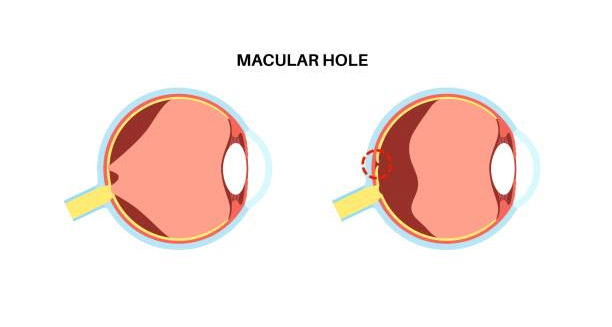
Overview of Macular Hole A macular hole is a small break in the centre of the retina, specifically in the macula. The macula is responsible for sharp, central vision—the vision needed for reading, driving, recognizing faces, and detailed tasks. When a macular hole forms, it damages this critical part of the eye, causing blurry or distorted central vision and sometimes a blind spot right in the center. This condition is different from macular degeneration. While both affect the macula and impair central vision, a macular hole is a physical opening in the retinal tissue. In contrast, macular degeneration is a degenerative or inflammatory condition. Macular holes mainly occur in people over 60 and affect women more often than men. With timely treatment, especially surgery, vision can often be stabilized or partly restored. Understanding the Macula and Retinal Anatomy The retina is a thin, light-sensitive layer at the back of the eye. It captures images and sends them to the brain. At its centre lies the macula, a small but vital area packed with photoreceptor cells that provide detailed central vision. A macular hole happens when the macula develops a full-thickness defect—meaning a gap through all retinal layers. This gap disrupts how light is processed in that spot, harming central vision. How Macular Holes Develop Macular holes usually develop slowly. Often, they result from ageing. As we age, the vitreous gel inside the eye shrinks and pulls away from the retina. If the pull is strong or focused on the macula, it can create a small tear or hole. There are three stages of macular hole formation: Early detection improves chances of successful treatment and vision recovery. Who Is at Risk? Several factors raise the risk of developing a macular hole: Sometimes, macular holes develop without any clear risk factors. Symptoms and Functional Impact The main symptom is a gradual loss of central vision. Peripheral vision usually stays normal. Early signs include: If untreated, the hole can grow, causing permanent central vision loss. How It Differs from Other Macular Disorders It is important to distinguish macular hole from other macular problems: Each condition needs different treatment, so correct diagnosis is crucial. Importance of Early Detection and Treatment Detecting a macular hole early offers the best chance to save or improve vision. Surgery called vitrectomy can close the hole and restore central vision. Surgery works best in Stage II or early Stage III holes. Delaying diagnosis or treatment lowers the chance of success and increases permanent damage risk. Summary A macular hole is a small but serious break in the retina’s centre that affects vision. It mostly affects older adults and starts subtly. Without treatment, it can cause significant vision loss. Advances in surgery now allow many people to recover vision when treated early. If you notice symptoms like distorted central vision or a dark spot, see an eye specialist promptly. [Next: Causes of Macular Hole →]

Macular Hole Read More »

Scroll to Top