Mental Matters

Author name: admin

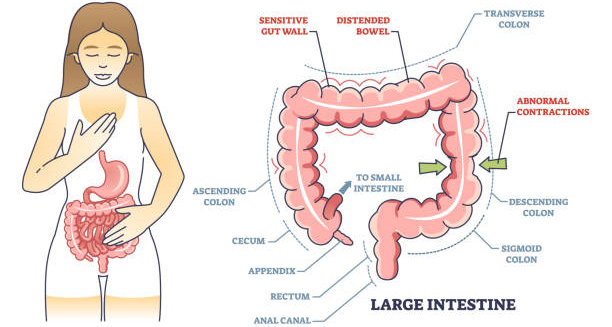
Illustration of irritable bowel syndrome showing large intestine anatomy and symptoms like distended bowel and abnormal contractions

Irritable Bowel Syndrome

Irritable Bowel Syndrome (IBS) is a common, long-term disorder that affects the large intestine, characterised by abdominal pain, bloating, gas, and altered bowel habits such as diarrhoea, constipation, or a combination of both. While Irritable Bowel Syndrome does not damage the colon or raise the risk of serious bowel disease, it still affects quality of life for millions of people worldwide. The condition often begins in early adulthood. It is more common in women, but it can affect people of any age or gender. Unlike Crohn’s disease or ulcerative colitis, which involve visible inflammation, Irritable Bowel Syndrome is a functional gut disorder. The digestive system looks normal, but it does not work properly. People with IBS go through painful episodes that come and go. Triggers include stress, certain foods, or hormone changes. Even though IBS is not life-threatening, it can cause a lot of frustration. It can disrupt work, travel, social events, and sleep. That makes daily life difficult for many who live with it. Understanding the Impact of Irritable Bowel Syndrome IBS affects around 10–15% of people worldwide. The real number might be higher, as many people don’t get diagnosed. This may be due to the stigma of gut symptoms or because IBS looks like other problems. Many people go years without answers. Doctors may mistake it for anxiety or food sensitivity. That delay can lead to stress and unhelpful treatments. The exact cause of Irritable Bowel Syndrome is still unknown. However, experts believe it happens when the brain and gut stop working well together. The gut has its own nerve network, called the enteric nervous system — often called the “second brain.” In IBS, this gut-brain link becomes unbalanced. This makes the gut over-sensitive and causes it to move in unusual ways. That’s why people with IBS feel pain, cramping, and urgent bathroom needs — even though the gut looks healthy on scans or tests. Types of Irritable Bowel Syndrome Doctors classify IBS based on your usual bowel habits. These types include: This system helps doctors choose the right treatment. No matter the type, pain and bloating are usually always present in Irritable Bowel Syndrome. IBS symptoms also come and go. Some people have long breaks between flare-ups. Others have symptoms most days. Because of this, treatment needs to be tailored. It often includes diet changes, stress control, and sometimes medicine or therapy. The good news? IBS won’t turn into cancer. It won’t damage your bowels for life. And you can’t give it to someone else. But even so, the stress it causes can affect your mood, sleep, and confidence. Mental Health and Irritable Bowel Syndrome One tricky part of Irritable Bowel Syndrome is its link to mental health. Many people with IBS also live with anxiety or depression. The connection works both ways. Stress and sadness can make the gut act up. Gut pain and worry can also affect your mood. That’s why it’s so important to treat both the body and the mind. Calming your thoughts can help calm your gut. Support from therapists, counsellors, or mindfulness practices can make a big difference in managing symptoms. How Doctors Diagnose Irritable Bowel Syndrome There is no simple test for IBS. Instead, doctors first rule out other causes. These include coeliac disease, inflammatory bowel disease, and bowel cancer. Once other problems are ruled out, diagnosis is based on your symptoms and history. Most doctors use a checklist called the Rome IV criteria. This helps make the diagnosis more clear and reliable. The main goal of this article is to explain Irritable Bowel Syndrome in full. You’ll learn about its causes, symptoms, how it’s diagnosed, how to treat it, and what problems it might cause. We want to offer clear, helpful facts so patients, carers, and doctors can work together to manage this condition better. [Next: Causes of Irritable Bowel Syndrome →]

Irritable Bowel Syndrome Read More »

IBS treatment concept with colourful pills and cubes spelling IBS

Causes of Irritable Bowel Syndrome

The causes of Irritable Bowel Syndrome are multifactorial and not yet fully understood. Unlike many gut disorders that come from clear issues like infection or inflammation, Irritable Bowel Syndrome (IBS) works differently. It is a functional disorder. This means the gut looks normal but doesn’t work as it should. Instead of one cause, many things combine to affect how the gut moves, feels, and talks to the brain. Researchers have found a strong link between the brain and gut. This is known as the gut-brain axis. This link plays a big role in the start and continuation of Irritable Bowel Syndrome. Many body and lifestyle factors can change how this connection works. That can lead to pain, irregular bowel habits, and bloating. Let’s explore the most common causes of Irritable Bowel Syndrome and how they come together to create this long-lasting condition. Abnormal Gut Motility in Irritable Bowel Syndrome The muscles in the gut squeeze in waves to move food along. This is called peristalsis. In people with IBS, these muscle waves don’t always work right. In IBS-D (diarrhoea type), the waves move too fast. This causes cramps, urgency, and watery stools.In IBS-C (constipation type), the waves move too slowly. This leads to hard stools and bloating.In IBS-M (mixed type), the motion switches between fast and slow without warning. Several things can cause these changes. Nerve issues, hormone shifts, and brain chemicals like serotonin can all affect how the gut moves. Visceral Hypersensitivity Many people with IBS feel pain from things that don’t bother others. This is called visceral hypersensitivity. Even normal gas or stool movement can feel painful or urgent. Why does this happen? There are a few reasons: This pain is very real. Brain scans show that people with Irritable Bowel Syndrome have more brain activity when the gut is triggered. Gut Microbiota Changes and IBS The gut is full of tiny life forms called microbes. These include bacteria, viruses, and fungi. Together, they make up the gut microbiome. These microbes help break down food, keep your immune system strong, and even affect your mood. In many people with IBS, this microbiome gets out of balance — a problem called dysbiosis. Studies show: Things like antibiotics, stress, poor diet, or infections can upset the balance. To fix this, some people try probiotics, diet changes, or even stool transplants. Post-Infectious Irritable Bowel Syndrome Some people get IBS after a bad stomach infection. Bacteria like Salmonella, Campylobacter, or E. coli can cause long-term effects. This type is called post-infectious IBS. In these cases, the infection can lead to: The longer and harsher the infection, the more likely IBS will follow. People with certain genes or mental health issues may also be more at risk. This kind of Irritable Bowel Syndrome can last months or even years. The Role of Stress and Emotions in Irritable Bowel Syndrome Emotions don’t cause IBS, but they make it worse. Stress, anxiety, and depression can flare up symptoms and make them harder to manage. The brain and gut talk to each other through nerves and hormones. When you’re stressed, this communication gets messed up. Stress can: People with anxiety or depression often have Irritable Bowel Syndrome. Childhood trauma also increases the risk later in life. Thankfully, treatments like talk therapy, hypnosis, or mindfulness can help manage these symptoms and ease gut pain. Hormones and Irritable Bowel Syndrome Women get IBS more than men, especially during their childbearing years. Hormones like oestrogen and progesterone seem to play a big role. Many women notice worse symptoms during their period. These hormone changes can affect: IBS often improves after menopause. But for some, pregnancy or birth control pills can make things worse. Food Triggers and Irritable Bowel Syndrome IBS is not a food allergy, but some foods make symptoms worse. The biggest problem foods include: Not everyone reacts the same. But if your body is already sensitive, these foods can add fuel to the fire. Many people find relief with a low-FODMAP diet, which helps calm the gut and reduce symptoms of Irritable Bowel Syndrome. Genetic and Family Links to Irritable Bowel Syndrome IBS can run in families. If someone close to you has it, your chances go up. But no single gene causes it. Family links may come from: Even twins show some genetic influence. Still, it’s just one part of a much bigger picture. Immune System and Irritable Bowel Syndrome Some people with IBS, especially those with diarrhoea, have slight immune problems. Their gut lining may be inflamed or too open, often called “leaky gut.” This can lead to: This immune trouble may be leftover from infections or long-term stress. It also connects closely with changes in gut bacteria. Conclusion The causes of Irritable Bowel Syndrome are wide-ranging. They include gut movement issues, pain sensitivity, microbiome shifts, weak immunity, hormone changes, food triggers, and mental health struggles. Each person may have a different mix of these factors. By understanding these root causes, doctors can find better ways to help people. Treating IBS is not just about easing symptoms. It’s also about addressing the deeper reasons behind them. As research grows, the future holds more targeted and helpful treatments for Irritable Bowel Syndrome. [Next: Symptoms of Irritable Bowel Syndrome →]

Causes of Irritable Bowel Syndrome Read More »

Woman clutching her stomach in pain while sitting on a couch, showing IBS symptoms

Symptoms of Irritable Bowel Syndrome

The symptoms of Irritable Bowel Syndrome can be unpredictable, chronic, and disruptive to daily life. While this condition doesn’t harm the intestines or raise the risk of colorectal cancer, the symptoms change a lot. Their severity and how often they appear can differ, which makes daily life hard. Many people feel frustrated, embarrassed, or anxious. Since doctors haven’t found one clear cause for Irritable Bowel Syndrome (IBS), the symptoms help guide both the diagnosis and treatment. People with IBS often say they feel like they’re always fighting their digestive system. The symptoms can show up suddenly. Sometimes, certain foods, stress, hormones, or past infections can trigger them. Because of this, many people live with IBS for years without knowing. They might think it’s just simple indigestion or blame it on a stressful lifestyle. But understanding these symptoms and how they behave helps in getting the right help and improving life. 1. Abdominal Pain and Cramping Abdominal pain is one of the main signs of Irritable Bowel Syndrome. It can be very uncomfortable. People often describe it as cramping, aching, or sharp. It usually happens in the lower belly but can also spread across the whole stomach area. Some key signs include: This pain happens because the nerves in the bowel are more sensitive. The muscles in the gut also tighten up in odd ways. Even normal digestion can hurt, and this is called visceral hypersensitivity. 2. Bloating and Gas in Irritable Bowel Syndrome Bloating is another common sign of IBS. Many people feel full, tight, or swollen in the belly. It often gets worse later in the day or after eating. Bloating is linked to: In some cases, bloating becomes so bad that the belly looks bigger, like weight gain or pregnancy. This happens a lot in women, and it may also change with their period. 3. Diarrhoea (IBS-D) In IBS-D, people often have loose or watery stools. These can come on suddenly, making it hard to find a bathroom in time. This can cause a lot of stress during work, travel, or social events. Common signs of diarrhoea from IBS include: Usually, diarrhoea from IBS does not include blood. If there is blood, a doctor should check for other problems, like inflammatory bowel disease or cancer. 4. Constipation (IBS-C) IBS-C is the opposite of IBS-D. It means having trouble going to the toilet. Bowel movements become less often and harder to pass. This can make you feel heavy and tired. Common signs include: This type of constipation often causes pain and bloating. A bowel movement may bring relief. Some people switch between constipation and diarrhoea. This is called IBS-M. 5. Mucus in Stool Seeing mucus in the stool is another sign of IBS. A small amount of mucus is normal, but people with IBS might see more. Even though this can look scary, it’s usually not harmful in IBS. However, it is important to make sure it’s not blood or pus. Those are not part of IBS and need a doctor’s attention. 6. Nausea and Indigestion Some people with IBS feel discomfort in the upper part of the gut. These symptoms can include: These issues often happen in people who also have functional dyspepsia, another gut problem. Nausea usually gets worse after eating. It also connects closely with anxiety, stress, or some foods. 7. Fatigue and Poor Sleep in Irritable Bowel Syndrome Even though IBS is a gut issue, it affects the whole body. Feeling very tired is common. This tiredness often comes from pain, poor sleep, and stress. People often say they: Poor sleep can make symptoms worse. At the same time, symptoms can keep you from sleeping well. That’s why improving sleep can help ease IBS. 8. Urinary Symptoms Interestingly, many people with IBS also notice bladder problems. These include: These aren’t main signs of IBS, but they happen because nearby organs affect each other. Women may also have painful bladder problems like interstitial cystitis. This can make things more confusing and harder to treat. 9. Emotional and Mental Effects of Irritable Bowel Syndrome IBS can take a toll on emotional health. Many people feel: Also, IBS can show up with other health issues. These include chronic tiredness and fibromyalgia. All of them involve both body pain and emotional stress. 10. Impact on Quality of Life One of the biggest effects of IBS is how it changes day-to-day living. People may: That’s why early diagnosis and full treatment plans are so important. Good care includes not only the body but also mental support. Conclusion The symptoms of Irritable Bowel Syndrome are varied, chronic, and deeply personal. IBS causes more than belly pain or toilet troubles. It can also lead to tiredness, nausea, and emotional distress. These issues stretch far beyond the gut. They affect confidence, social life, and mental health. When people understand all the signs and what they mean, they can get better help. Doctors can give more complete care, and patients can learn to spot patterns. They can also find triggers and support. All of this leads to better ways to cope and a better quality of life. [Next: Diagnosis of Irritable Bowel Syndrome →]
Symptoms of Irritable Bowel Syndrome Read More »

Bristol stool chart showing IBS-C, IBS-D, and normal stool types for IBS diagnosis

Diagnosis of Irritable Bowel Syndrome

The diagnosis of Irritable Bowel Syndrome (IBS) can be a frustrating journey for many patients. Unlike diseases that show up clearly in blood tests or scans, IBS is a functional gut disorder. This means the bowel looks normal in medical tests but does not work properly. So, no single test can confirm IBS. Instead, doctors diagnose it by carefully reviewing symptoms, medical history, and ruling out other causes. For patients, this can be both reassuring and confusing. It rules out more serious diseases but often leaves people feeling unsure or ignored. Still, with the right approach, healthcare providers can diagnose IBS accurately and guide patients toward symptom relief and long-term care. Clinical History and Symptom Evaluation The first and most important step in the diagnosis of Irritable Bowel Syndrome is a full medical history. Doctors ask about the type, length, and triggers of symptoms to find patterns that fit IBS. Key symptoms checked include: Doctors may also check mental health factors like stress, anxiety, past trauma, or sleep issues since these can affect IBS symptoms. The Rome IV Criteria To standardise diagnosis worldwide, doctors use the Rome IV criteria. This tool was made by experts in gut disorders. According to Rome IV, IBS is diagnosed if a person has: These rules help doctors tell IBS apart from simple stomach upset and offer a clear diagnosis system. Subtype Classification After confirming IBS, doctors classify it into types based on main bowel habits: Knowing the type helps doctors choose the right treatment. For example, fiber helps IBS-C but may worsen IBS-D. Exclusion of Other Conditions IBS symptoms can look like other gut diseases, so doctors must rule out serious problems, especially in older patients or those with unusual symptoms or family history. These diseases include: Doctors order blood tests, stool tests, or scans when needed, especially if red flags appear. Laboratory Investigations No lab test can confirm IBS, but doctors use tests to exclude other illnesses: These tests reassure patients and doctors when other diseases are ruled out and IBS diagnosis is likely. Colonoscopy and Imaging Doctors do a colonoscopy or flexible sigmoidoscopy only if red flags exist, such as: These tests let doctors look directly at the colon and take biopsies if needed. Imaging like ultrasound or CT scans may help if doctors suspect blockages or growths but are rarely needed in normal IBS cases. Breath Tests and Food Intolerance Assessments Some doctors use breath tests to check for: Though not standard in all guidelines, these tests may help patients who don’t improve after diet and medicines. Psychological Evaluation Stress, anxiety, and depression can worsen IBS symptoms. So, a psychological check may be part of diagnosis, especially if symptoms don’t improve. Tools like the Hospital Anxiety and Depression Scale (HADS) or referral to a psychologist trained in gut therapy can help. Understanding the gut-brain link is key here: mental stress can change gut movement and sensitivity, and ongoing gut issues can raise stress. Treating both mind and gut often leads to better results. Diagnostic Challenges and Misdiagnosis Diagnosing IBS requires balance. Too many tests can cause worry and raise costs. Too few tests risk missing serious disease. Common wrong diagnoses include: A careful clinical check and smart testing work best. The Role of Reassurance and Communication A key part of the diagnosis of Irritable Bowel Syndrome is clear talk between doctor and patient. Once serious diseases are ruled out, doctors should: Good reassurance and info ease anxiety and help patients take part in their care. This improves experience and results. Conclusion The diagnosis of Irritable Bowel Syndrome is a careful process using judgement, symptom review, and smart testing to exclude other causes. While no single test proves IBS, tools like the Rome IV criteria and targeted tests help confirm it and avoid extra procedures. Most importantly, the diagnosis should build trust, educate, and support. Patients need to be heard and believed, while doctors stay alert and open. Together, this leads to the right diagnosis and sets the stage for personalised, full care — which we will explore next. [Next: Treatment of Irritable Bowel Syndrome →]

Diagnosis of Irritable Bowel Syndrome Read More »

Woman with abdominal pain consulting a doctor for irritable bowel syndrome treatment

Treatment of Irritable Bowel Syndrome

The treatment of Irritable Bowel Syndrome (IBS) is not a one-size-fits-all approach. Because IBS is a long-lasting condition with different symptoms, the goal is not to cure but to manage and ease symptoms in a way that lasts. Many patients need a mix of diet changes, lifestyle shifts, psychological therapy, and sometimes medication. The process often involves trial and error. However, with the right methods, most people see a big improvement in their quality of life. IBS treatment focuses on three main goals: controlling symptoms, avoiding triggers, and building long-term coping skills. A personal treatment plan that considers the patient’s type (IBS-D, IBS-C, IBS-M), symptom severity, and mental health usually works best. Dietary Modifications One of the best first steps in the treatment of Irritable Bowel Syndrome is changing the diet. Certain foods make IBS symptoms worse. Finding and cutting down these triggers can greatly ease digestion problems. The Low FODMAP Diet The Low FODMAP diet, created by researchers at Monash University, is widely recommended. FODMAPs are short-chain carbs that the small intestine absorbs poorly. Gut bacteria ferment them easily. This causes gas, bloating, diarrhea, or constipation. Common high FODMAP foods include onions, garlic, wheat, rye, barley, apples, pears, mangoes, beans, lentils, milk, and yogurt (lactose). The diet has three phases: Many IBS patients notice symptom relief within weeks after starting the Low FODMAP diet with help from a dietitian. General Dietary Tips Lifestyle Changes and Daily Habits Changing lifestyle habits plays a big role in the treatment of Irritable Bowel Syndrome, especially if symptoms get worse from stress, poor sleep, or irregular routines. Stress Management The gut and brain connect through the gut-brain axis. Stress often worsens IBS symptoms. Good stress management includes: Even short daily practice can reduce anxiety and help balance bowel function. Regular Exercise Moderate aerobic exercise such as walking, swimming, or cycling can: Aim for 30 minutes of moderate activity five times a week as part of a full IBS management plan. Sleep Hygiene Poor sleep worsens IBS symptoms and IBS can disturb sleep. Create a good sleep routine by: Good sleep boosts immunity, lowers gut pain sensitivity, and supports gut health. Psychological Therapies Because mental health and gut health are linked, psychological therapy is an important part of the treatment of Irritable Bowel Syndrome, especially for those with stress-related symptoms. Cognitive Behavioural Therapy (CBT) CBT helps patients: Research shows CBT works as well as medicine for many IBS patients, especially those with moderate to severe symptoms. Gut-Directed Hypnotherapy This special therapy uses visualization and suggestion to: Usually done in 6 to 12 weekly sessions, gut-directed hypnotherapy has helped many patients for years. Counselling and Support Groups Some patients find talk therapy or IBS support groups helpful. They share experiences, feel less alone, and learn from others facing similar challenges. Medications Sometimes, medication helps based on the main symptoms: For Diarrhea (IBS-D) Constipation (IBS-C) Pain and Bloating Medication should support lifestyle changes, not replace them. Probiotics and Supplements Some IBS patients get relief from probiotics, especially Bifidobacterium infantis and Lactobacillus plantarum. These may: Other helpful supplements might include: Because research is still growing, try one supplement at a time and get advice from a professional. Personalised and Multidisciplinary Care The best treatment of Irritable Bowel Syndrome uses a personal, full approach. A team might include: Patients usually improve most when physical, mental, and nutritional health get attention together. Conclusion The treatment of Irritable Bowel Syndrome is a journey needing effort, flexibility, and patience. No single cure exists, but many paths lead to relief. With diet changes, lifestyle shifts, therapy, and medicine, most people find a plan that suits them. Most importantly, patients should feel confident, informed, and supported by a healthcare team that respects their symptoms and personalizes care. IBS may last long, but it does not have to rule your life. [Next: Complications of Irritable Bowel Syndrome →]

Treatment of Irritable Bowel Syndrome Read More »

Woman clutching lower abdomen in pain due to complications from irritable bowel syndrome

Complications of Irritable Bowel Syndrome

Although Irritable Bowel Syndrome (IBS) is not life-threatening, it can deeply affect a person’s physical, emotional, and social well-being. The complications of IBS range from ongoing pain and nutritional problems to mental health issues and reduced quality of life. IBS does not cause permanent damage to the digestive tract, but its long-term effects can disrupt daily life and health if not managed properly. Understanding these complications helps patients and healthcare providers adopt a more complete and compassionate approach to treatment and support. 1. Persistent Gastrointestinal Symptoms IBS is marked by chronic, changing symptoms that often last for years or decades. These include abdominal pain, bloating, excess gas, diarrhoea, constipation, or alternating bowel habits, and urgency or incomplete bowel movements. If untreated or poorly controlled, symptoms may worsen, creating a cycle of flare-ups. Long-lasting IBS symptoms can also delay diagnosis of other digestive diseases such as coeliac disease, inflammatory bowel disease, or even GI cancers, especially if warning signs are missed. Many patients develop visceral hypersensitivity, meaning the gut becomes overly sensitive and normal digestion feels painful. 2. Dietary Limitations and Nutritional Deficiencies Many with IBS change their diets to avoid triggers. While helpful at first, excessive food restrictions without guidance can cause nutritional gaps. For example: The Low FODMAP diet works well but should be supervised by a dietitian to ensure proper reintroduction of foods and prevent nutrient loss. 3. Mental Health Complications IBS strongly affects mental health due to the gut-brain connection. Gut symptoms can worsen anxiety and depression, and mental health issues can increase gut symptoms. Common problems include: People with IBS are up to four times more likely to have anxiety or depression than the general population. Psychological therapies are essential parts of IBS care. 4. Impaired Quality of Life IBS often disrupts personal and work life. Patients may: IBS can cause isolation, stigma, and emotional distress. Unlike visible illnesses, IBS is often dismissed, which worsens self-doubt. Studies show quality of life for IBS patients is as affected as for people with asthma or diabetes, highlighting the need for better support. 5. Financial Burden Managing IBS can be costly. Expenses include over-the-counter medicines, doctor visits, supplements, and alternative treatments that may lack proven benefit. IBS also causes: Globally, IBS drives significant healthcare spending, especially where specialist care or dietetic advice is limited. Financial stress may worsen symptoms, creating a harmful cycle. 6. Relationship and Intimacy Challenges IBS symptoms like gas, bloating, diarrhoea, and urgency can cause embarrassment and reduce sexual desire or intimacy. Common issues include: Partners may struggle to understand, causing emotional distance. Couples counselling can improve communication and empathy. 7. Social Stigma and Misunderstanding IBS carries stigma because it is invisible and related to bowel habits, a taboo topic. Patients often feel: This stigma can stop people from seeking help or sticking to treatments. Raising awareness and normalising gut health discussions are vital. 8. Risk of Overmedicalisation Some IBS patients undergo repeated tests or surgeries due to ongoing symptoms and fear of serious illness. This can raise costs and delay effective treatment. Examples: Educating patients and reassuring them can reduce these risks and focus care on symptom management. Conclusion IBS complications affect more than just the gut. They impact emotional, social, professional, and financial well-being. Though not fatal, IBS can cause wide-ranging challenges that often go underestimated. Chronic symptoms, mental health issues, social limits, and stigma demand a holistic, team-based approach. Early and proactive management through education, comprehensive care, and emotional support can greatly improve lives. With the right tools and guidance, people with IBS can regain control, lessen symptoms, and enjoy fuller, empowered lives. [Next: Back to Overview →]

Complications of Irritable Bowel Syndrome Read More »

Young woman with no appetite staring at a plate with a single tomato, showing signs of iron deficiency anaemia

Iron Deficiency Anaemia

Iron deficiency anaemia is a widespread and often underdiagnosed condition. It happens when the body lacks enough iron to produce adequate haemoglobin. Haemoglobin is the vital protein in red blood cells that carries oxygen from the lungs to the rest of the body. When iron is low, red blood cells become smaller and less efficient. This lowers the oxygen supply to tissues. As a result, people experience symptoms like chronic fatigue, shortness of breath, dizziness, and pale skin. If left untreated or severe, iron deficiency anaemia can harm brain function, reduce physical performance, and raise the risk of serious health problems. Worldwide, iron deficiency is the leading cause of anaemia. It affects over two billion people — about 25% of the global population. The condition mostly affects women of childbearing age, infants, children, adolescents, and people living in low-income or resource-limited areas. These groups need more iron due to menstruation, growth, pregnancy, or chronic illnesses. Although iron deficiency anaemia is more common in developing countries due to poor nutrition and infections, it also occurs in developed nations. There, poor diets, chronic diseases, and gastrointestinal disorders are often to blame. What makes iron deficiency anaemia especially concerning is its silent start. Many people do not realise they have low iron until symptoms become severe or a blood test reveals it. Even when symptoms appear, they can be mistaken for stress, tiredness, or other health issues. This delay in diagnosis can cause long-term damage that early treatment could prevent. Physical symptoms often come with mental and emotional changes such as trouble concentrating, irritability, and depression. These can greatly lower quality of life. The causes of iron deficiency anaemia are many. They include low dietary iron, chronic blood loss, malabsorption problems, and higher body iron needs. We will explore these causes in detail in the next section. It is important to know that treating anaemia alone is not enough. The root cause must be found and managed to prevent it from returning. This is critical when anaemia signals a more serious disease like gastrointestinal bleeding or cancer. Doctors diagnose iron deficiency anaemia using blood tests. These measure haemoglobin, iron stores (ferritin), total iron-binding capacity, and serum iron. Sometimes, stool tests, endoscopies, or imaging are needed to find the cause of iron loss or absorption problems. Early and accurate diagnosis helps create a treatment plan tailored to each patient. Treatment usually involves raising iron levels through diet or supplements. In severe cases, intravenous iron or blood transfusions may be needed. Treatment plans differ depending on age, gender, medical history, and other health conditions. For example, a young woman with heavy periods may also need gynaecological care, while an older man with bleeding in the gut might need an endoscopy. Prevention is just as important. Public health actions like iron-fortified foods, regular screening for high-risk groups, and education on iron-rich diets can reduce how often this condition occurs. Iron supplements are key in children and pregnant women to prevent deficiency. Iron deficiency anaemia affects more than just blood. It can weaken the immune system, slow wound healing, stunt growth in children, and cause pregnancy complications. It can worsen other health problems, lower work productivity, and raise healthcare costs. Still, it is one of the easiest types of anaemia to prevent and treat if caught early and managed well. This guide covers all you need to know about iron deficiency anaemia. We start with its causes and move through symptoms, diagnosis, treatment, complications, and outlook. Each section aims to help the public and healthcare professionals improve awareness, speed up diagnosis, and achieve better health outcomes. [Next: Causes of Iron Deficiency Anaemia →]

Iron Deficiency Anaemia Read More »

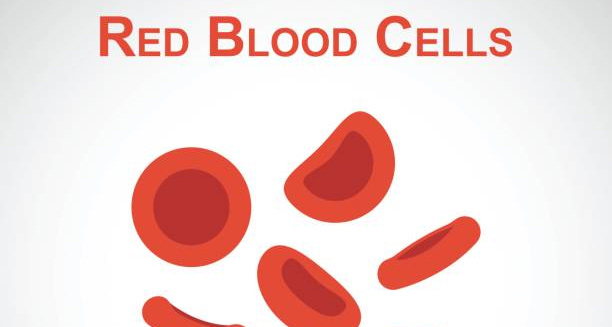
Illustration of red blood cells highlighting causes of iron deficiency anaemia

Causes of Iron Deficiency Anaemia

Iron deficiency anaemia occurs when the body lacks enough iron to make adequate haemoglobin — the protein in red blood cells that carries oxygen through the body. Without enough haemoglobin, oxygen delivery to organs and tissues suffers. This leads to fatigue, weakness, shortness of breath, and pale skin. Knowing the causes of iron deficiency anaemia helps doctors diagnose and treat it properly and prevent it from coming back. This anaemia happens when the body’s need for iron outpaces the iron it gets or can use. The causes fall into four main groups: not enough iron in the diet, chronic blood loss, poor iron absorption, and higher iron needs. Each group includes different conditions or situations that can cause iron levels to drop. 1. Low Iron in the Diet A common cause of iron deficiency anaemia is eating too little iron. Iron comes from two main sources: haem iron and non-haem iron. Haem iron comes from animal foods like red meat, poultry, and fish. Non-haem iron is found in plants such as beans, leafy greens, and fortified cereals. The body absorbs haem iron much better than non-haem iron. People who follow vegetarian or vegan diets, or eat mostly processed foods, often risk low iron. This risk rises if they don’t eat foods rich in vitamin C, which helps absorb non-haem iron. Also, some plant compounds like phytates, polyphenols, and calcium can block iron absorption, making it harder to get enough iron from plants alone. In poorer or food-insecure areas, not getting enough iron in the diet is a major cause, especially for children and pregnant women. Food fortification and public health programs play a big role in fixing these gaps. 2. Chronic Blood Loss Losing blood over time is the most common cause of iron deficiency anaemia in adults, especially in wealthier countries. The body loses small amounts of iron daily through skin and gut cells, but most iron loss happens through bleeding. If blood loss is more than what the body can replace, iron stores run low and anaemia develops. For women of childbearing age, heavy menstrual bleeding is the main cause. Conditions like fibroids, endometriosis, or hormone problems can cause heavy periods. Sometimes women don’t realize their bleeding is abnormal and think their tiredness is normal life stress. In men and older women, blood loss usually comes from the digestive system. Ulcers, haemorrhoids, diverticulosis, or bowel diseases like Crohn’s or colitis can cause bleeding. A serious concern is colorectal cancer, which can bleed slowly without obvious signs. Overusing painkillers like ibuprofen or aspirin can also irritate the gut lining and cause bleeding. Often, this blood loss is hidden and only found through screening tests like stool tests or colonoscopy when investigating unexplained anaemia. 3. Poor Iron Absorption Even if a person eats enough iron, certain conditions can stop the body from absorbing it properly. Coeliac disease is a common cause. This autoimmune illness damages the small intestine when gluten is eaten, making it hard to absorb nutrients like iron. People with untreated coeliac disease often have ongoing iron deficiency anaemia. Other stomach or gut problems like atrophic gastritis or Helicobacter pylori infection can lower stomach acid or damage gut lining. Stomach acid helps change iron into a form the body can absorb. Medicines like antacids, proton pump inhibitors, or H2 blockers that reduce stomach acid can also block absorption if used for a long time. Surgery that changes the digestive tract, such as gastric bypass, can reduce iron absorption by bypassing key areas. These patients often need lifelong iron supplements and monitoring. 4. Increased Iron Needs Some life stages increase the body’s iron needs. If these are not met with diet or supplements, iron deficiency anaemia can result. Pregnant women need double the iron to support the growing baby, so iron supplements are standard during pregnancy. Babies and young children need more iron for growth and brain development. Premature or low-birth-weight babies are especially at risk because they miss important iron buildup before birth. Breastfed infants older than six months may need extra iron or iron-rich foods. Teenagers, especially girls who have started menstruating, face higher iron needs due to growth and monthly blood loss. Poor diets with lots of processed foods worsen this risk. Endurance athletes, such as runners, may also lose iron through sweat, foot impact, or gut bleeding during long exercise. These athletes should check their iron levels regularly. 5. Other Causes Infections like hookworm, malaria, and schistosomiasis are major causes of iron deficiency anaemia in some parts of the world. These parasites cause blood loss or destroy red blood cells. Hookworms attach to the gut lining and feed on blood, causing ongoing iron loss. A rare inherited condition called iron-refractory iron deficiency anaemia (IRIDA) stops the body from using iron properly, even with enough intake. People with IRIDA usually need intravenous iron treatment. Frequent blood donors, especially women, may also develop iron deficiency over time. Regular donors should check their iron and consider supplements if needed. The causes of iron deficiency anaemia are many and varied. They include poor diet, ongoing blood loss, poor absorption, and increased needs. Finding the exact cause helps doctors treat it well and stop it from coming back. Whether due to lifestyle, illness, or environment, iron deficiency is preventable and treatable with early care. [Next: Symptoms of Iron Deficiency Anaemia →]

Causes of Iron Deficiency Anaemia Read More »

Symptoms of Iron Deficiency Anaemia

Symptoms of Iron Deficiency Anaemia

The symptoms of iron deficiency anaemia can vary significantly depending on the severity of the deficiency, the age and general health of the affected individual, and how gradually the condition has developed. In many cases, early symptoms are subtle or even missing, which often delays diagnosis. But as iron levels fall further, haemoglobin drops too. The body then struggles to carry enough oxygen. This leads to a range of physical, mental, and even emotional symptoms. Iron is vital for making haemoglobin. This part of red blood cells carries oxygen around the body. When iron is too low, red blood cells become fewer and smaller. That reduces how much oxygen the blood can carry. As a result, the body’s organs and muscles do not get enough oxygen. This causes many of the typical signs of iron deficiency anaemia. Fatigue and Weakness Tiredness is one of the earliest and most common signs of iron deficiency anaemia. This isn’t just regular tiredness after a long day. It’s a deep, lasting exhaustion that doesn’t go away with rest. People often feel drained and weak, even after light activity. This happens because the muscles don’t get enough oxygen to work properly. The heart has to pump harder to make up for it. This can leave the person feeling worn out and breathless. Shortness of Breath and Rapid Heartbeat As the body tries to deliver more oxygen, people may start to feel short of breath. Climbing stairs, walking far, or even talking for too long can leave them gasping. This symptom is especially worrying for people who never had breathing trouble before. To help move oxygen faster, the heart beats quicker. This leads to a fast heart rate, skipped beats, or strong palpitations. Over time, severe iron deficiency can strain the heart. In some high-risk people, this may lead to heart problems. Pale or Sallow Skin Another common sign of iron deficiency anaemia is pale skin. This is easy to spot in places like the face, lips, eyelids, and nails. Haemoglobin gives blood its red colour, so when it’s low, the skin looks lighter. In some people, the skin may also turn yellowish and dull. Doctors often check for paleness in bright light, especially in the mouth or under the eyelids. This is one of the first signs they look for during a physical exam. Headaches and Dizziness The brain needs a lot of oxygen. When iron is low, less oxygen reaches the brain. This can cause headaches, dizziness, or trouble focusing. Some people may feel light-headed or even faint. Standing up too quickly can also make these symptoms worse. This sudden drop in blood pressure is called orthostatic hypotension. It may cause a spinning feeling or brief blackout. Cold Hands and Feet When the body runs low on oxygen, it sends more blood to the heart and brain. This means the hands, feet, and other outer areas get less blood. As a result, many people with iron deficiency anaemia feel cold all the time. Their hands and feet may feel icy, numb, or tingly. This cold feeling doesn’t go away, even in warm weather or with gloves and socks. It can make working in cold places hard and may worsen conditions like Raynaud’s. Brittle Nails and Hair Loss Iron is important for healthy hair, nails, and skin. Without it, nails become brittle or thin. They may curve inward like spoons — a sign called koilonychia. Nails might also grow slowly or get rough ridges. Hair loss is another common issue. People may notice more hair falling out, thinning, or even bald patches. Many blame stress or age, not knowing that iron deficiency could be the real reason. The good news is that proper iron treatment can reverse these changes. Restless Legs and Sleep Trouble Restless legs syndrome (RLS) is a lesser-known symptom of iron deficiency anaemia. It causes a strong urge to move the legs, often at night or when resting. The feeling can be crawling, tingling, or burning. It can ruin sleep and leave people tired during the day. RLS is more common in people with low iron. Taking iron supplements often helps. This may be because iron is needed for making dopamine, a brain chemical that controls movement. Strange Cravings and Mouth Problems Some people with iron deficiency anaemia get cravings for strange things. This is called pica. They might want to eat ice, chalk, dirt, or paper. Doctors are not sure why this happens. It may be the body’s way of asking for missing nutrients. Mouth problems are also common. These include glossitis (a red, swollen tongue) or cracked skin at the corners of the mouth (angular cheilitis). The tongue may feel sore or smooth, and some people lose their sense of taste. Swallowing might become harder too. Mental Fog and Low Mood The brain works best when it gets enough oxygen. When iron levels drop, thinking becomes harder. People may feel forgetful, confused, or foggy. Children and teens may fall behind in school or show slower growth. Mood can also change. Some people become sad, snappy, or anxious. These emotional symptoms often lift once iron levels return to normal, showing how closely iron and brain health are linked. Recognising Symptoms of Iron Deficiency Anaemia Early The symptoms of iron deficiency anaemia affect many parts of the body. They range from tiredness and pale skin to hair loss, mood swings, and sleep problems. These signs often creep in slowly and are easy to miss. Being aware of them is key. People who feel tired all the time or notice strange changes in their body should speak to a doctor. A simple blood test can check iron levels and help prevent more serious problems. [Next: Diagnosis of Iron Deficiency Anaemia →]

Symptoms of Iron Deficiency Anaemia Read More »

Stethoscope, test tubes, and wooden letters ‘Fe’ symbolising iron in blood tests for anaemia diagnosis

Diagnosis of Iron Deficiency Anaemia

Accurate and timely diagnosis of iron deficiency anaemia is critical for effective treatment and the prevention of long-term complications.Many people do not realise they are anaemic until routine blood tests show a problem. This is because the symptoms are often mild or unclear. Therefore, doctors need to stay alert, especially when patients show signs like tiredness, pale skin, shortness of breath, or changes in thinking or energy levels. Diagnosing iron deficiency anaemia involves a full check-up, blood tests, and finding out what caused the anaemia. It’s important to remember that iron deficiency anaemia is a symptom, not a final diagnosis. Doctors must look for the real reason behind it — whether it’s diet, a disease, or blood loss — to stop it from coming back after treatment. Clinical Checks and Early Testing The first step in diagnosing iron deficiency anaemia is a full health history and physical exam. The doctor will ask about tiredness, dizziness, breathlessness, a racing heart, cold hands or feet, and changes like pale skin, weak nails, or hair loss. In women, menstrual history and pregnancy are also important. The doctor will also check the person’s diet, past illnesses, medicines, and family history. During the physical check, signs such as pale inner eyelids, lips, or nails may be seen. A fast heartbeat, heart murmur, or changes in the tongue or skin may also appear. Still, these signs alone are not enough. Lab tests are needed to confirm the condition. Blood Tests to Confirm Anaemia The complete blood count (CBC) test is key in the diagnosis of iron deficiency anaemia. This test shows: When haemoglobin, MCV, and MCH/MCHC are all low, it usually points to iron deficiency. Still, these results don’t explain why, so further tests are needed. Iron Studies and Other Tests Iron studies help confirm the diagnosis of iron deficiency anaemia and rule out other causes. These include: Together, these tests give a clearer picture of the body’s iron levels. Low ferritin, low serum iron, high TIBC, and low TSAT confirm iron deficiency anaemia in most cases. Additional Tools in Diagnosis of Iron Deficiency Anaemia The reticulocyte count shows how well the bone marrow is making new red blood cells. If iron is very low, this count will also be low. A rise in this number after treatment shows the therapy is working. Looking at blood cells under a microscope (a peripheral smear) also helps. In iron deficiency anaemia, red cells are often smaller, paler, and shaped differently. These signs support the diagnosis, especially when lab results are unclear. Once confirmed, doctors must find out why iron is low. In men, older adults, and women who do not have heavy periods, poor diet alone is unlikely to be the cause. Extra tests may include: When no cause is found, a referral to a specialist may be needed. Special Cases and Populations In babies and children, early diagnosis is vital. Iron deficiency can affect brain development and growth. High-risk infants — such as premature babies or those only breastfed past six months — need regular checks. Pregnant women also need regular iron tests. Their iron needs increase during pregnancy. Monitoring helps keep both the mother and baby healthy. In athletes, especially runners, mild iron loss can occur even without anaemia. Checking iron levels can help boost energy and reduce injury risk. Summary of Diagnosis of Iron Deficiency Anaemia To sum up, diagnosing iron deficiency anaemia means more than spotting low haemoglobin. It involves a full review — checking symptoms, running detailed blood tests, and finding the real cause. Acting early can ease symptoms, stop future problems, and lead to full recovery. With the right tests and a careful plan, doctors can treat this condition successfully and stop it from coming back. [Next: Treatment of Iron Deficiency Anaemia →]

Diagnosis of Iron Deficiency Anaemia Read More »

Scroll to Top