

Menieres Disease
Overview of Menieres Disease Overview of Menieres Disease presents a detailed look at a chronic inner ear disorder that affects balance and hearing. Overview of Menieres Disease is important for understanding the unpredictable nature of this condition and how it can disrupt daily life. It usually develops in people aged 20 to 60 and is marked by episodes of vertigo, tinnitus, hearing loss, and a feeling of fullness in the ear. While it often affects only one ear, sometimes both ears are involved. There is no known cure, but early diagnosis and treatment can manage symptoms and prevent permanent damage. Historical Background Menieres disease is named after French physician Prosper Ménière, who first described the condition in the 19th century. He connected the then-misunderstood symptoms of vertigo, hearing issues, and ear pressure to inner ear problems. Since then, research has advanced understanding, but much about the root causes remains unclear. The condition is complex because symptoms appear suddenly, sometimes lasting minutes and other times several hours. These attacks can cause nausea, vomiting, and loss of coordination. Inner Ear Dysfunction At the core of Menieres disease is a problem with inner ear fluid regulation. The inner ear, or labyrinth, includes the cochlea (hearing) and vestibular system (balance). In Menieres disease, excess fluid called endolymph builds up, stretching the endolymphatic space. This disrupts auditory and balance signals sent to the brain, leading to vertigo and hearing disturbances. Researchers continue to study triggers, including abnormal fluid drainage, immune reactions, infections, and genetics. Disease Progression Menieres disease usually develops in three phases. In the early phase, vertigo attacks are severe but hearing returns to normal afterward. During the middle phase, hearing loss becomes more consistent, and tinnitus increases. In the late stage, vertigo lessens, but permanent hearing loss and chronic balance problems are likely. The condition varies greatly—some people may have long symptom-free periods, while others face frequent flare-ups. Impact on Daily Life Even though the disease is not life-threatening, it can severely affect quality of life. Vertigo can cause falls, driving hazards, and difficulty performing daily tasks. Unpredictable attacks may increase anxiety and depression. Permanent hearing loss and persistent tinnitus can lead to social withdrawal and frustration. Fatigue and brain fog often follow episodes, affecting mental performance and emotional health. Diagnosis Diagnosis relies mostly on clinical symptoms and history, as no single test confirms Menieres disease. It is considered when a person has had two or more spontaneous vertigo episodes lasting 20 minutes or longer, along with hearing loss confirmed by an audiogram and tinnitus or ear fullness. Audiologists and ENT specialists use balance tests, MRI scans, and hearing tests to confirm the diagnosis. Since symptoms overlap with vestibular migraines or benign paroxysmal positional vertigo (BPPV), thorough assessment is critical. Management and Treatment Treatment aims to reduce vertigo frequency and severity, preserve hearing, and improve quality of life. Lifestyle adjustments like reducing salt, avoiding caffeine and alcohol, managing stress, and stopping smoking can help. Medications such as diuretics, antihistamines, vestibular suppressants, and anti-nausea drugs are common. In severe cases, steroid injections, balance retraining therapy, or surgery may be required. Devices like the Meniett pulse generator may also help control symptoms for some patients. Psychological Support Psychological care is essential. Living with unpredictable, disabling symptoms can affect mental health. Cognitive behavioural therapy (CBT), support groups, and patient education help patients manage anxiety and lifestyle limitations. Hearing aids or cochlear implants may also be necessary in advanced stages. Diagnostic Categories It is important to distinguish between probable and definite Menieres disease. The American Academy of Otolaryngology – Head and Neck Surgery uses these categories for research and treatment guidance. Probable Menieres shows many symptoms but lacks confirmed hearing loss, while definite Menieres meets all criteria and may need more aggressive interventions. Research and Future Directions Ongoing studies explore autoimmunity, viral infections, and genetics in Menieres disease. Identifying biomarkers or specific causes may lead to targeted treatments. Anti-inflammatory therapies or gene-based interventions could eventually become standard. Advances in imaging and inner ear fluid analysis may improve diagnosis and allow individualized treatment plans. Living with Menieres Disease Prevention is not currently possible, but early diagnosis and comprehensive management often reduce symptom severity and frequency. With proper care, many patients regain control of their lives and maintain an active lifestyle despite the condition. In summary, Overview of Menieres Disease highlights a complex, life-changing inner ear disorder. Early diagnosis, personalized treatment, lifestyle adjustments, and psychological support can significantly improve the lives of those affected. Continued research and awareness are essential for better outcomes and quality of life. [Next: Causes of Menieres Disease →]
Causes of Menieres Disease
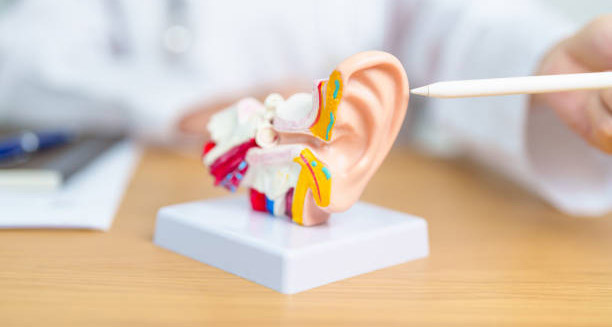
Causes of Menieres Disease Causes of Menieres Disease remain an area of ongoing research, as the exact mechanisms are not fully understood. However, several factors may contribute to its development. Understanding the causes of Menieres Disease helps identify at-risk individuals and guide effective management. While the condition is marked by vertigo, fluctuating hearing loss, tinnitus, and a sense of ear fullness, the underlying reasons involve a complex mix of genetics, fluid regulation, immune responses, and inner ear imbalances. Endolymphatic Fluid Imbalance Menieres disease is often linked to abnormal volume or composition of fluid in the inner ear, called endolymph. The cochlea and vestibular system depend on a delicate fluid balance to maintain hearing and balance. When excess fluid builds up, it is called endolymphatic hydrops. This pressure distorts the membranes of the inner ear, disrupting signals to the brain and causing vertigo and hearing problems. Although hydrops is common in Menieres patients, the reason for fluid buildup is not always clear. Faulty Fluid Drainage Problems with fluid drainage may contribute. The endolymphatic sac and duct normally regulate fluid flow. Obstructions, malformations, or degeneration in this system can cause fluid to accumulate. Structural problems in the inner ear, whether congenital or from injury or infection, may also interfere. Inflammation can narrow the ducts or affect membrane permeability, further disturbing fluid balance. Autoimmune Factors Some researchers suggest that Menieres disease may involve autoimmune reactions. The immune system may mistakenly attack inner ear tissues, causing inflammation and fluid imbalance. Antibodies and immune complexes have been found in the inner ear fluid of affected patients. Menieres disease sometimes coexists with autoimmune conditions like rheumatoid arthritis, lupus, or thyroiditis. Corticosteroids or other immune treatments may help in severe cases, especially when both ears are affected or systemic immune issues exist. Genetic Predisposition Genetics may play a role in some cases. Although not typically considered hereditary, 10–20% of cases show familial clustering. Certain gene variations may affect fluid regulation, blood flow, or immune response. While no single gene has been identified, genetic susceptibility combined with environmental triggers may increase the risk of developing Menieres symptoms. Infections Viral infections may trigger Menieres disease, particularly after upper respiratory infections or ear infections. Viruses such as herpes simplex, measles, and mumps can damage the vestibular nerve or cause cochlear inflammation. Bacterial infections may also create inflammation or scarring, leading to fluid imbalance and symptoms similar to Menieres disease. Vascular Factors Blood flow problems can contribute to inner ear dysfunction. The cochlea and vestibular system are sensitive to circulation changes. Conditions such as microvascular spasms, atherosclerosis, or vasculitis may disturb fluid regulation. Reduced blood supply may damage inner ear tissues and make them more vulnerable to other stressors. Allergies and Dietary Influences Allergies and diet may also play a role. Food or environmental allergens can trigger inflammation that affects the inner ear. Some patients notice symptom worsening after high-sodium foods, caffeine, or preservatives. Salt intake, in particular, may increase fluid retention, worsening hydrops. This evidence, while limited, supports the common recommendation for a low-sodium diet. Trauma Head or ear injuries can damage the membranes, bones, or structures involved in hearing and balance. Even mild trauma may start a chain reaction that disrupts fluid balance. Symptoms may appear weeks or months later, complicating the cause-and-effect link. Trauma is especially relevant for patients with unilateral symptoms after an accident. Hormonal and Stress Factors Hormonal changes, especially in adrenal or thyroid glands, may influence inner ear fluid regulation. Stress hormones like cortisol can affect blood vessels and immune function, worsening symptoms. Many patients notice attacks during periods of stress, fatigue, menstruation, or menopause. Endocrine health and stress management are increasingly considered in treatment plans. Multifactorial Nature Most cases are likely caused by a combination of factors rather than a single one. Genetic susceptibility, immune dysfunction, minor infections, and poor fluid drainage may all contribute. This explains why Menieres disease varies greatly among patients, with some experiencing mild symptoms and others facing frequent, severe attacks. In conclusion, the causes of Menieres Disease are diverse, involving anatomy, genetics, immunity, infections, lifestyle, and environmental factors. Understanding these causes is vital for developing personalized treatment strategies and improving quality of life. Ongoing research may eventually lead to more targeted therapies or even a cure. [Next: Symptoms of Menieres Disease →]

Symptoms of Menieres Disease
Symptoms of Menieres Disease The symptoms of Menieres disease can be unpredictable and distressing, often appearing suddenly and without warning. For many individuals, these symptoms can significantly affect daily activities and overall quality of life. The most common symptoms include vertigo, hearing loss, tinnitus, and a feeling of fullness in the ear. Each symptom can vary in intensity and frequency, and they may present differently for each person. Vertigo – The Hallmark Symptom Vertigo is the most disabling and well-known symptom of Menieres disease. It is more than dizziness — it is a severe spinning sensation that can last 20 minutes to several hours. During an episode, people may feel the room spinning or tilting, leading to nausea, vomiting, loss of balance, and a strong need to lie down. In some cases, people may even fall unexpectedly, a condition called “drop attacks.” Vertigo attacks often happen in clusters. They may occur several times over days or weeks, then disappear for a while. These symptom-free periods can end suddenly, and future attacks may vary in strength or duration. This unpredictability affects not only physical activity but also mental well-being, as patients live in constant fear of the next episode. Hearing Loss Hearing loss is another key symptom of Menieres disease, usually starting in one ear. Early on, it often comes and goes — worsening during attacks and improving between them. As the disease progresses, hearing loss may become permanent. This hearing loss is typically sensorineural, affecting the inner ear or the nerves that carry sound to the brain. It usually impacts low-frequency sounds first, unlike age-related hearing loss that affects high frequencies. Over time, some people may lose hearing completely in the affected ear. Tinnitus Tinnitus is a constant or intermittent ringing, buzzing, hissing, or whooshing in the affected ear. It may intensify during or just before a vertigo episode, sometimes serving as a warning. The intensity of tinnitus varies. Some people notice soft background noise, while others hear loud, intrusive sounds. Tinnitus can disturb concentration, communication, and sleep, causing frustration, anxiety, or depression. For many, it becomes a long-term symptom that requires ongoing management. Aural Fullness or Pressure Many patients feel a sense of fullness or pressure in the affected ear, known as aural fullness. This sensation may resemble the pressure felt during air travel or driving up a mountain. It can be constant or vary with other symptoms, especially before or during vertigo attacks. Although not painful, aural fullness can be uncomfortable and affect hearing. It is caused by abnormal fluid buildup in the inner ear, which is a hallmark of Menieres disease. This fluid shifts pressure in the ear, distorting signals to the brain and contributing to imbalance and disorientation. Balance and Coordination Problems Even outside vertigo episodes, balance and coordination may remain affected. This includes general unsteadiness, stumbling, or feeling off-center when walking. Some describe it as feeling slightly drunk or as if walking on a boat. These problems are worse in low light or on uneven ground. Tasks like walking in the dark, climbing stairs, or driving can become hazardous. Over time, fear of falling may develop, reducing activity and social engagement. Fatigue and Emotional Distress Menieres disease can cause both physical fatigue and emotional strain. Vertigo episodes leave patients exhausted, while anxiety about future attacks adds mental stress. Many patients report anxiety or depression. Limitations, such as avoiding driving or travel, reduce independence and quality of life. Emotional support is as important as physical treatment in managing these challenges. Bilateral Menieres Disease While Menieres usually affects one ear, 10–40% of cases become bilateral, affecting both ears. Symptoms like vertigo, tinnitus, and hearing loss may worsen. Bilateral disease increases the risk of severe hearing loss and balance problems, often requiring more intensive rehabilitation or hearing devices. Warning Signs and Triggers Some patients notice early signs of an impending attack, such as louder tinnitus, aural fullness, or increased imbalance. Recognizing these cues allows them to take precautions, like resting or avoiding driving. Common triggers include high-sodium diets, caffeine, alcohol, stress, fatigue, and changes in barometric pressure. Understanding personal triggers can help reduce the frequency and severity of attacks. [Next: Diagnosis of Menieres Disease →]

Diagnosis of Menieres Disease
Diagnosis of Menieres Disease The diagnosis of Menieres disease is primarily clinical, relying on a detailed account of the patient’s symptoms, medical history, and specialised hearing and balance tests. Because there is no single test that can definitively confirm the condition, the diagnosis of Menieres disease often involves ruling out other causes of vertigo and hearing loss. Early identification is essential for effective symptom management and improving the patient’s quality of life. Clinical Evaluation and Medical History The diagnostic process begins with a full medical history. The healthcare provider asks about how often the vertigo attacks happen, how long they last, and what they feel like. They also ask about tinnitus, ear fullness, and the degree of hearing loss. Doctors focus on how these symptoms occur together and how long each one lasts. To confirm Menieres disease, the patient must have at least two episodes of vertigo lasting between 20 minutes and 12 hours. These must occur with hearing loss and either tinnitus or ear fullness in the affected ear. The American Academy of Otolaryngology – Head and Neck Surgery (AAO-HNS) created these criteria, and they are widely used today. Doctors also look at the pattern of symptoms. Menieres disease often starts in one ear, but it can later affect both. The symptoms tend to come and go. This changing pattern helps doctors identify the condition. Audiometric Testing in Diagnosis of Menieres Disease A hearing test called pure tone audiometry helps confirm sensorineural hearing loss, usually in the low to mid frequencies. This type of hearing loss is common in the early stages of Menieres disease. Speech discrimination tests help measure how well a person understands speech at different volume levels. This test shows how much the hearing loss affects daily life and helps separate Menieres disease from other hearing problems. Repeating audiograms over time can show hearing changes, which is a key sign of this disease. As the condition progresses, the hearing loss usually becomes worse and more permanent. Vestibular Function Tests Doctors also check balance and inner ear function using several tests: • Videonystagmography (VNG): Measures eye movements in response to visual or head movements to check inner ear function.• Rotational Chair Testing: Used when VNG is unclear. It measures how the eyes and inner ear work together during rotation.• Vestibular Evoked Myogenic Potentials (VEMP): Checks parts of the ear affected by Menieres disease.• Posturography: Measures how the body maintains balance in different situations. These tests can confirm balance problems, but results are often normal between attacks. This means timing is important for accurate results. Electrocochleography (ECoG) Electrocochleography measures how the inner ear reacts to sound. A high SP/AP ratio may indicate fluid buildup in the ear, known as endolymphatic hydrops — a main cause of Menieres disease. This test can support the diagnosis, but it is not always necessary. Its accuracy varies, and doctors often rely on it along with other findings. Imaging Studies MRI scans help rule out other causes of vertigo and hearing loss, such as acoustic neuroma, multiple sclerosis, or stroke. An MRI with contrast can show the inner ear canal and nearby brain areas. In some advanced clinics, special MRI techniques can even show fluid buildup, but this is not standard yet. Blood and Laboratory Tests There are no specific blood tests for Menieres disease. However, doctors may order lab tests to rule out other conditions with similar symptoms. These include: • Thyroid function tests• Blood glucose levels• Autoimmune markers such as ANA or ESR• Syphilis tests like VDRL or FTA-ABS These are most helpful if both ears are affected or if symptoms are unusual. Differential Diagnosis of Menieres Disease Doctors must rule out other disorders that look similar. These include: • Benign Paroxysmal Positional Vertigo (BPPV): Short vertigo spells triggered by head movement.• Vestibular Migraine: Causes repeated vertigo with headache or vision problems.• Labyrinthitis or Vestibular Neuritis: Severe sudden vertigo without hearing loss.• Acoustic Neuroma: A slow-growing tumour causing hearing loss and balance issues.• Otosclerosis or Autoimmune Inner Ear Disease (AIED): Progressive hearing loss with tinnitus. Accurate diagnosis avoids wrong treatments and helps guide proper care. Diagnostic Categories The AAO-HNS classifies Menieres disease into four stages based on evidence: Most people fall into the “definite” category after more data is collected over time. Role of Early Diagnosis in Menieres Disease Early diagnosis makes a major difference. It helps manage symptoms and may prevent lasting hearing damage. Detecting the disease early allows lifestyle and medical changes to start sooner. These can reduce how often and how severe vertigo attacks are. It also helps with emotional support. People learn how to live better with this long-term condition through guidance, hearing aids, and balance therapy. [Next: Treatment of Menieres Disease →]

Treatment of Menieres Disease
Treatment of Menieres Disease Treatment of Menieres disease involves a multifaceted approach aimed at managing symptoms, reducing the frequency and severity of attacks, and preserving hearing and balance as much as possible. Because treatment of Menieres disease must be tailored to the individual’s unique condition, it often includes a combination of dietary changes, medications, physical therapy, and in some cases, surgical procedures. Since the disease progresses differently for each person, the treatment plan needs to evolve over time as symptoms change or become more severe. The unpredictable nature of Menieres disease makes it hard to manage with one solution. Instead, doctors focus on reducing fluid buildup in the inner ear, which is believed to trigger the attacks. By doing this, they can ease vertigo, lessen tinnitus, and stabilise hearing. It is important to remember there is no single cure for Menieres disease, so most treatments aim to control symptoms and prevent further episodes. Dietary and Lifestyle Changes for Treatment of Menieres Disease Managing Menieres disease often starts with simple diet and lifestyle changes. Lowering sodium intake is usually recommended because it may help reduce fluid retention in the body and ease inner ear pressure. A low-sodium diet keeps salt below about 1,500 milligrams per day. Patients should also avoid caffeine, alcohol, and tobacco since these can worsen inner ear problems. Staying hydrated throughout the day supports fluid balance in the body. Stress can also make vertigo worse, so relaxation practices like yoga, meditation, or deep breathing are encouraged. These methods calm the nervous system and may reduce the intensity of attacks. Some people benefit from vestibular rehabilitation therapy (VRT). This special type of physical therapy helps retrain the brain to manage balance better. VRT can be very useful between vertigo episodes and helps people regain confidence in their movement. Medications Medicines play a major role in the treatment of Menieres disease. They help manage sudden vertigo attacks and prevent future ones. Diuretics, often called water pills, reduce extra fluid in the inner ear. When taken daily, they may lower how often and how severely attacks occur. Common types include hydrochlorothiazide and acetazolamide. During an acute episode, drugs such as meclizine or diazepam reduce dizziness and nausea. Anti-vomiting medications like promethazine can help stop severe nausea. In some cases, corticosteroids are used to reduce inflammation in the ear. These can be taken by mouth or injected directly into the middle ear. For people with frequent attacks, doctors may prescribe betahistine. This medicine may improve blood flow in the inner ear and reduce pressure. However, its effectiveness is still debated, and it is not approved everywhere. Intratympanic Injections When conservative treatments fail, doctors may suggest more direct options such as intratympanic injections. This treatment delivers medication through the eardrum into the middle ear, where it is absorbed by the inner ear. Gentamicin, an antibiotic, is sometimes used this way. It helps by reducing balance activity in the affected ear, which can stop vertigo attacks. However, this carries a risk of hearing loss, so it is used only when other options do not work. Another option is injecting corticosteroids such as dexamethasone, which are safer for hearing but sometimes less effective. Surgical Options Surgery becomes an option when all other treatments fail and the patient’s life is severely affected. One common procedure is endolymphatic sac decompression. This operation reduces pressure in the endolymphatic sac, which controls fluid in the ear. Sometimes, surgeons also place a small shunt to drain extra fluid. Another option is vestibular nerve section, where the nerve that carries balance signals from the ear to the brain is cut. Though it is invasive and carries some risks, it can be very effective in stopping vertigo. In cases where hearing is already lost, doctors may consider a labyrinthectomy. This surgery removes the affected ear’s balance and hearing function completely and is done only as a last resort. Assistive Devices and Hearing Aids in Treatment of Menieres Disease Hearing loss is common with Menieres disease, so assistive hearing devices can help many patients. Modern digital hearing aids adjust to each person’s needs and can manage changing hearing levels. When hearing loss becomes profound, cochlear implants may be considered. Tinnitus management is another important part of treatment. Sound therapy tools such as white noise machines or tinnitus maskers can make ringing or buzzing less noticeable and improve sleep. Long-Term Management and Monitoring Because Menieres disease is long-lasting, regular check-ups are crucial. Doctors often repeat hearing tests to track changes and adjust treatment. Keeping a symptom diary also helps patients and doctors spot patterns and triggers. Emotional support plays a key role too. Living with a chronic and unpredictable condition can be stressful, so counselling and support groups are very helpful. Talking with others who share the same challenges often reduces isolation and provides coping strategies. Patients should maintain regular visits with an ear, nose, and throat (ENT) specialist or a neurologist who understands inner ear disorders. These professionals can decide when to change or increase treatment. Ongoing care helps prevent problems such as hearing loss or injuries caused by vertigo. [Next: Complications of Menieres Disease →]

Complications of Menieres Disease
Complications of Menieres Disease Complications of Menieres disease can affect many aspects of a person’s life, ranging from physical health to emotional wellbeing and daily functioning. While the disease is not fatal, its chronic and unpredictable nature can lead to considerable distress. The disabling vertigo, progressive hearing loss, and constant uncertainty associated with Menieres disease often contribute to secondary complications that impact both personal and professional life. Understanding the complications of Menieres disease is essential to providing proper support, long-term care, and preventive strategies for those affected. The problems may come from the disease itself, from side effects of treatment, or from the emotional strain of living with a long-term condition. These issues can build up over time, especially when symptoms are not well controlled or attacks become frequent and severe. Progressive Hearing Loss in Complications of Menieres Disease One of the most troubling complications is permanent hearing loss. In the early stages, hearing may come and go with each attack. As time passes, the inner ear’s cochlea becomes damaged, leading to lasting hearing problems. This change makes it harder to communicate, especially in noisy places, and can limit social or work activities. Eventually, hearing aids may not help in the affected ear. Some people also develop Menieres disease in both ears, which makes communication even more difficult and reduces overall quality of life. Debilitating Vertigo and Falls Vertigo, a main sign of Menieres disease, can be very disabling. Sudden spinning sensations may last minutes or hours and can cause nausea, vomiting, and loss of balance. These unexpected attacks often lead to falls or injuries, especially in older adults. Because of this risk, many people begin to avoid movement or exercise, which weakens muscles and lowers mobility. Frequent vertigo can also harm balance and spatial awareness even between attacks. This lasting imbalance, known as chronic disequilibrium, can make walking, driving, or doing daily tasks difficult. The chance of accidents, such as falling on stairs or crossing roads, becomes much higher. Drop Attacks (Tumarkin’s Otolithic Crisis) A dangerous complication of Menieres disease is the sudden fall known as a drop attack or Tumarkin’s otolithic crisis. During these episodes, a person loses balance and collapses without warning but stays awake and aware. These attacks happen when inner ear pressure suddenly changes and affects the organs that sense motion and gravity. They are alarming and can be dangerous, especially during activities like walking, working at heights, or using machines. People who have drop attacks need medical evaluation right away and may need stronger treatments such as surgery. Tinnitus and Aural Fullness Many people with Menieres disease experience chronic tinnitus — a constant ringing, buzzing, or humming sound in the ear. This noise can be very distracting and may disturb sleep, focus, and relaxation. It often becomes worse in quiet surroundings, making it harder to rest. The feeling of ear pressure or fullness may also happen daily, even when vertigo is not present. Though not painful, this constant sensation can cause frustration and anxiety, especially when it occurs with other ear symptoms. Psychological and Emotional Effects The emotional impact of Menieres disease is often serious. Living with sudden vertigo, hearing loss, and other ongoing symptoms can lead to stress, fear, and sadness. Many people feel anxious because they never know when the next attack will happen. This constant worry can make social events, travel, or work situations very stressful. Over time, people may pull away from social life and enjoyable activities. This isolation increases feelings of depression and hopelessness. To manage these emotional effects, ongoing mental health care — such as counselling and support groups — is important. Addressing the psychological side of complications of Menieres disease helps patients cope better. Employment and Financial Burden Menieres disease can affect a person’s ability to work and earn a living. Because attacks are unpredictable and disabling, people may miss work often or lose their jobs. Occupations that require driving, machine operation, or high focus can become unsafe or impossible. Self-employed people or those without flexible jobs may face serious financial difficulties. Even when they keep their jobs, work performance may drop, and career growth may slow down. Medical care, therapies, hearing devices, and travel costs also add financial pressure. Medication Side Effects and Risks While medication is key in controlling Menieres disease, it can also cause side effects. For example, diuretics may lead to dehydration or loss of important minerals. Sedatives like benzodiazepines may make people sleepy, dependent, or forgetful if used too long. Some treatments, such as gentamicin injections in the ear, help reduce vertigo but may cause permanent hearing loss. Because of this, doctors must carefully balance the risks and benefits of each treatment. Regular follow-ups help detect any problems early. Social and Relationship Challenges Complications of Menieres disease can strain personal relationships. Friends and relatives may not fully understand the condition or may underestimate its effect. Communication issues caused by hearing loss can also lead to misunderstandings. Caregivers often feel stressed or tired due to the constant unpredictability of the disease. Without proper support, this can create emotional distance and tension in relationships. Encouraging open communication and joining support networks can help ease these challenges. Reduced Quality of Life Together, all these complications can greatly lower quality of life. The uncertainty of when attacks might happen forces people to change how they live, work, and interact. Many feel trapped by the limits the disease places on them and struggle to plan daily life around possible symptoms. Even though Menieres disease is chronic, a good quality of life is still possible. With proper care, emotional support, and lifestyle adjustments, people can stay active and independent. Managing complications early and completely helps patients keep confidence and improve overall wellbeing. [Next: Back to Overview of Menieres Disease →]
Measles
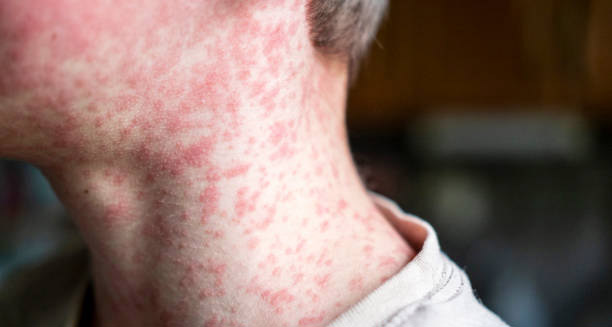
Overview of Measles Measles is a highly contagious viral infection that primarily affects children, although unvaccinated adults can also contract the disease. What Measles Is and Its Impact Measles is caused by the measles virus, a member of the Paramyxoviridae family. It is known for its red rash that spreads across the body and a range of respiratory and general symptoms. Even though vaccines exist, measles remains a major global health threat. Outbreaks are most common in areas where vaccination coverage is low or dropping. Measles is more than a simple childhood illness. It can lead to severe complications such as pneumonia, brain inflammation (encephalitis), blindness, and even death. In developing countries, measles is one of the leading causes of death among young children. The World Health Organization (WHO) reports that outbreaks still happen, even in countries where measles was under control. Vaccine hesitancy and access issues often drive these outbreaks. How Measles Spreads The measles virus spreads through respiratory droplets when an infected person coughs or sneezes. The virus can linger in the air or survive on surfaces for up to two hours, making it extremely contagious. About 90% of unvaccinated people exposed to the virus will become infected. After entering the body, the virus targets the respiratory tract first and then spreads through the bloodstream to other parts of the body. The incubation period lasts about 10 to 14 days, during which infected people may feel well and show no symptoms. Contagious Period People with measles can spread the virus a few days before the rash appears and remain contagious for about four days after the rash shows. This makes early detection and isolation vital to prevent transmission, especially in schools, hospitals, and crowded places. Prevention Through Vaccination Vaccination is the best way to prevent measles. The MMR vaccine protects against measles, mumps, and rubella. Children usually receive the first dose at 12 months and the second dose at 4 to 6 years. Two doses provide about 97% protection. Immunisation campaigns have lowered measles cases worldwide, but outbreaks can still happen if vaccination rates fall below herd immunity levels. Immune System Suppression Measles can weaken the immune system for weeks or months after the infection. This “immune amnesia” erases the body’s memory of past infections, leaving people more vulnerable to other diseases. This makes vaccination even more important. Diagnosing Measles Diagnosing measles is usually straightforward when classic symptoms appear. These include fever, cough, red watery eyes (conjunctivitis), and the distinctive rash that starts on the face and spreads downward. Koplik’s spots—tiny white lesions with bluish centers inside the mouth—also help in early detection. In some cases, lab tests such as blood tests or viral cultures are needed to confirm the diagnosis, especially in early or unusual cases. Resurgence of Measles Measles has resurged in recent years. Contributing factors include vaccine misinformation, limited healthcare access in conflict zones, and global travel that spreads the virus quickly. High immunisation coverage—about 95%—is needed to prevent outbreaks and protect people who cannot be vaccinated. Supportive Care and Recovery Most people recover from measles within 10 to 14 days. Supportive care is important, particularly for children. This includes staying hydrated, managing fever, and monitoring for secondary infections such as ear infections or pneumonia. Vitamin A supplements can also reduce severity and complications. Public Health Considerations Measles is not just a mild rash. It can cause death or long-term problems, especially in infants, pregnant women, and immunocompromised individuals. Severe complications like encephalitis or respiratory failure may require hospitalisation and intensive care. Outbreaks often highlight gaps in healthcare or immunisation programs. Effective surveillance, quick diagnosis, and outbreak containment are key. Governments, healthcare providers, and community leaders must maintain public confidence in vaccines and ensure access to immunisation. Summary Measles remains a serious global health issue despite being preventable. It spreads easily and can lead to severe complications. Maintaining high vaccination coverage, educating communities, and responding quickly to outbreaks are critical to controlling this disease. Recent resurgences show that constant vigilance is essential to protect populations worldwide. [Next: Causes of Measles →]

Causes of Measles
Causes of Measles Causes of measles are rooted in a highly contagious viral infection caused by the measles virus. This virus belongs to the Paramyxoviridae family and the Morbillivirus genus. Measles spreads quickly, often causing outbreaks in communities with low vaccination coverage. Understanding the causes of measles helps explain why the disease spreads and why prevention is so important. The Measles Virus and Its Mechanism The measles virus infects the respiratory tract and spreads through the body. It enters the body through inhaled droplets or contact with nasal or throat secretions. Once inside, it multiplies in the respiratory tract and lymph nodes. Then, it moves into the bloodstream, affecting multiple organs and causing classic measles symptoms. The virus also weakens the immune system, leaving people more prone to secondary infections like pneumonia or ear infections. Measles is extremely contagious. If one person has the virus, up to 90% of nearby unvaccinated people can also become infected. This is why herd immunity through vaccination is crucial. Human-to-Human Transmission The virus spreads almost entirely from person to person. It travels through airborne droplets when an infected person coughs, sneezes, or talks. Droplets can stay in the air or land on surfaces where the virus survives up to two hours. Anyone who breathes in the droplets or touches contaminated surfaces and then touches their mouth or nose can catch measles. People are contagious from about four days before the rash appears to four days after. This means they can spread the virus without knowing they are sick, which makes early detection and isolation important. Unvaccinated Populations A major cause of measles outbreaks is low immunisation. The measles vaccine has greatly reduced cases worldwide, but many areas still have low coverage. Factors include misinformation, vaccine hesitancy, poor healthcare access, and political problems. In developed countries, some people refuse vaccination due to mistrust or anti-vaccine beliefs. In low-income regions, issues like vaccine storage, funding shortages, and lack of clinics hinder immunisation. These gaps allow measles to spread, especially among children under five and adults with weak immunity. Compromised Immune Systems Weakened immunity also increases the risk of measles. People with HIV/AIDS, cancer patients on chemotherapy, or organ transplant recipients are more vulnerable. Their bodies cannot fight the virus effectively, making infection more likely and severe. Pregnant individuals face higher risks. Measles during pregnancy can cause miscarriage, premature birth, or low birth weight. International Travel and Globalisation Travel plays a role in measles spread. People from countries with outbreaks can carry the virus to areas where local transmission is low. Airports, planes, and tourist spots become hubs for infection. These “imported cases” can start new outbreaks in communities with low vaccination rates. This is why measles can flare up even in countries that once eliminated it. Malnutrition and Vitamin A Deficiency Poor nutrition, especially low vitamin A, increases the risk and severity of measles. Vitamin A supports immune function and protects mucosal surfaces. Children lacking vitamin A often have longer, more severe illness, with higher risk of complications like blindness or death. General malnutrition weakens the immune system, making it harder to fight infections. This is particularly dangerous where food insecurity overlaps with low vaccination coverage. Waning Immunity or Vaccine Failure Some vaccinated individuals may still get measles. This can occur due to vaccine failure or waning immunity. Primary failure happens when the vaccine never triggers immunity, while secondary failure occurs when protection fades over time. The measles vaccine is very effective—about 93% after one dose and 97% after two doses—but no vaccine is perfect. People with weak immunity may still fail to respond fully, even with complete vaccination. Social Determinants and Environmental Factors Other causes of measles include poor sanitation, overcrowding, lack of healthcare, and low health knowledge. Dense urban areas, refugee camps, and remote communities allow faster spread. Conflict, displacement, and political instability also disrupt vaccination programs. For example, during the COVID-19 pandemic, many immunisation campaigns were paused, allowing measles to resurface. [Next: Symptoms of Measles →]
Symptoms of Measles
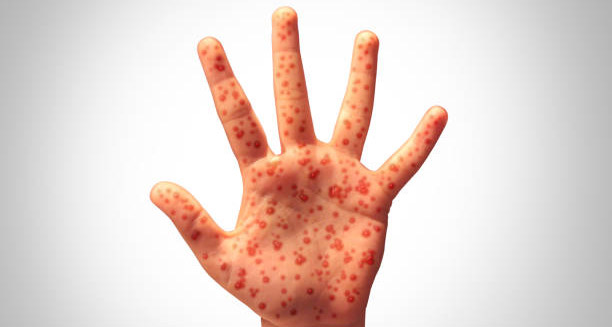
Symptoms of Measles Symptoms of measles typically begin with a high fever and flu-like signs before progressing to more recognisable features like a rash. The measles virus follows a predictable clinical course, often making diagnosis possible through visual cues. Understanding the timeline and nature of the symptoms of measles is essential for early identification, timely treatment, and preventing transmission—especially in unvaccinated populations. These symptoms unfold over several stages, usually within 7 to 14 days after exposure to the virus. Prodromal (Early) Stage Symptoms The first phase of measles, called the prodrome, lasts 2 to 4 days. During this time, the person already spreads the virus. Early symptoms include: These early symptoms of measles look like other respiratory infections. Without a known outbreak or confirmed exposure, doctors may miss the diagnosis at this stage. Koplik Spots: A Unique Symptom of Measles One of the most distinctive symptoms of measles during the early stage is the appearance of Koplik spots. These tiny white or bluish spots with a red base show up inside the mouth, usually on the inner cheeks. They often look like grains of salt and appear 2–3 days after the fever begins. Koplik spots are highly diagnostic of measles and often show up before the rash. However, they disappear quickly, which makes early detection critical. The Measles Rash (Exanthem) The rash is the hallmark symptom of measles. It appears about 3–5 days after the first signs. • Appearance: It starts as flat red spots that may later become slightly raised. As it spreads, the spots merge into larger blotches.• Pattern: The rash usually begins on the face and behind the ears. It then spreads to the neck, trunk, arms, legs, and finally the feet.• Duration: The rash lasts about 5–6 days before fading in the same order.• Skin Peeling: As it fades, some patients experience skin peeling, especially on areas exposed to sunlight. The rash often coincides with the fever reaching its peak. As the rash fades, the fever usually eases as well. Gastrointestinal and Respiratory Symptoms Along with fever and rash, measles also affects other parts of the body. Common problems include:• Diarrhoea, which can cause dehydration in children• Vomiting, making hydration harder• Sore throat from throat inflammation• Hoarseness from swollen vocal cords In severe cases, pneumonia, bronchitis, or croup may develop. These are more common in children and people with weak immune systems. Neurological Symptoms The virus sometimes reaches the nervous system, which can cause more serious symptoms of measles. These include:• Strong headaches• Seizures, either from high fever or from brain involvement such as encephalitis• Confusion or unusual drowsiness, especially in children Any neurological signs need urgent medical care. Timeline of Symptom Progression Here is a simple outline of how the symptoms of measles usually appear: When to Seek Medical Attention Because measles spreads so easily, quick medical attention is vital. See a doctor if:• High fever lasts more than 3 days• A rash appears after flu-like symptoms• The patient shows dehydration, breathing trouble, or seizures• The patient is under one year old or has a weak immune system [Next: Diagnosis of Measles →]