Mental Matters

Author name: admin

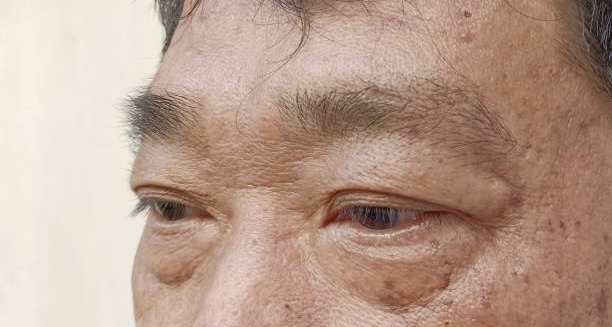
Man with visible eye irritation and sagging lower eyelids, a common symptom of ectropion.

Symptoms of Ectropion

Symptoms of Ectropion The symptoms of ectropion primarily result from the eyelid no longer sitting flush against the eye. Without this natural barrier, the eye becomes vulnerable to dryness, irritation, and infection. Recognising the symptoms of ectropion early allows for effective treatment before complications arise. One of the first signs is excessive tearing, also known as epiphora. Though this may seem counterintuitive, the exposed inner eyelid disrupts the normal tear drainage system. As tears no longer flow properly into the tear ducts, they spill over the lower eyelid and down the cheek. Other common symptoms include: Redness and irritation of the eye Dryness and grittiness, often described as a feeling of sand in the eye Light sensitivity or discomfort in bright environments Chronic conjunctivitis, or frequent eye infections Blurred vision, particularly when the cornea becomes irritated or damaged The exposed eye surface is more likely to become inflamed or infected. Without the eyelid to spread tears evenly, the eye loses its natural lubrication and becomes vulnerable to debris and bacteria. This dryness can lead to keratitis, an inflammation of the cornea that may cause pain, scarring, and visual impairment. In some people, the eyelid itself may become red, thickened, or swollen. The inner surface of the eyelid can dry out and become irritated from constant exposure to air and environmental elements. The symptoms of ectropion may worsen gradually. In age-related cases, people often ignore the early signs, assuming tearing or irritation is simply due to “old age.” However, if left untreated, the problem can progress to a more serious condition that threatens vision. Symptoms of Ectropion In South Africa, people living in areas with limited access to eye care may suffer from long-term symptoms without knowing the cause. Poor access to clean water, environmental pollutants, and untreated infections can worsen symptoms, especially among the elderly. Sometimes, symptoms are intermittent. For example, the eyelid may only turn outwards when the face is relaxed or when the person is tired. However, even temporary symptoms should not be ignored, as they can indicate underlying weakness in the eyelid structures. Understanding the symptoms of ectropion helps encourage early medical attention. With proper treatment—whether lubricating eye drops or surgery—most patients experience significant relief and a return to normal eyelid function. [Next: Diagnosis of Ectropion→]

Symptoms of Ectropion Read More »

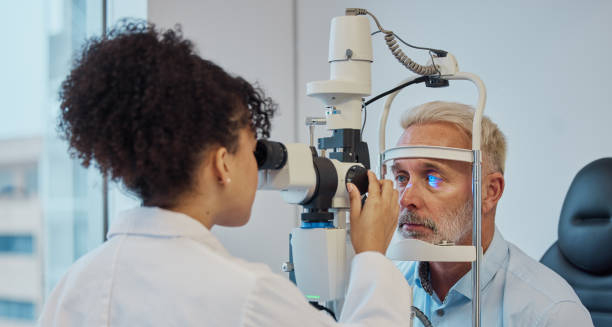
Ophthalmologist examining an older man's eye for signs of ectropion using a slit lamp.

Diagnosis of Ectropion

Diagnosis of Ectropion The diagnosis of ectropion is usually straightforward and can be made during a physical examination by an eye care professional. Because ectropion presents visible outward turning of the lower eyelid. Doctors can often confirm the condition by simply inspecting the eye and eyelid. The doctor may gently pull on the lower eyelid to observe its position and elasticity. In some cases, they may ask the patient to blink or look in different directions to see how the eyelid behaves during movement. A slit lamp examination—using a microscope with a light—may also be done to inspect the cornea and inner eyelid more closely for signs of irritation, dryness, or damage. It’s important to determine the underlying cause of the ectropion. If trauma, scarring, or a previous surgical procedure is suspected. The doctor will take a full medical history and examine the skin and tissues surrounding the eye. If facial nerve paralysis is present. They may assess muscle strength and facial movement to evaluate the severity of the nerve damage. In cases of suspected cicatricial ectropion—where scar tissue is pulling the eyelid outward. Doctors may also examine the tightness of the skin around the cheeks and temple. If a tumour or growth is suspected, imaging studies such as MRI or CT scans may be ordered. Diagnosis of Ectropion For children or newborns with congenital ectropion, further evaluation by a paediatric ophthalmologist may be needed to assess for related conditions. In South Africa, ectropion is often diagnosed by general practitioners or optometrists, especially in rural areas where access to ophthalmologists is limited. Community clinics may refer patients with persistent symptoms or complications to public hospitals for specialist care. Awareness campaigns on age-related eye conditions can help ensure earlier detection, particularly in the elderly. Early diagnosis of ectropion is essential to prevent complications such as corneal ulcers or vision loss. Once identified, doctors can begin appropriate treatment to relieve symptoms and protect the eye. [Next: Treatment of Ectropion →]

Diagnosis of Ectropion Read More »

Treatment of Ectropion

Treatment of Ectropion

Treatment of Ectropion The treatment of ectropion depends on the cause and severity of the condition. In mild or temporary cases, non-surgical options may offer relief. However, most long-term cases of ectropion—especially those caused by ageing or scarring—require surgical correction to restore the eyelid to its normal position. Non-surgical treatments include: Lubricating eye drops and ointments to prevent dryness Tear substitutes to reduce irritation and support corneal health Antibiotic eye drops if infection is present Moisture shields or eye patches, particularly during sleep These measures do not correct the position of the eyelid but provide temporary relief from symptoms. Doctors often use them while patients wait for surgery or when patients cannot undergo surgical procedures due to other health issues. Surgical treatment is the most effective and permanent solution. For involutional ectropion (age-related), the surgeon tightens the muscles and tendons of the eyelid in a procedure known as lateral tarsal strip surgery. This helps the eyelid sit closer to the eye and function normally. In cases of cicatricial ectropion, where scar tissue pulls the eyelid outward, surgeons may perform skin grafting to lengthen the eyelid and release the tension. If facial nerve paralysis causes the ectropion, surgeons may perform additional support or lifting procedures to stabilise the lower lid. Surgery is usually performed under local anaesthetic and is often a day procedure. Recovery is quick, and most patients experience immediate improvement in eye comfort and tear drainage. Treatment of Ectropion In South Africa, surgical treatment for ectropion is available at major public hospitals and private eye clinics. However, access in rural areas may be limited, and patients are sometimes placed on waiting lists. Early referral and follow-up are crucial for managing symptoms and preventing long-term damage. Patient education is also important. Avoiding eye rubbing, using protective eyewear in dusty environments, and managing skin conditions can reduce the risk of recurrence after surgery. The treatment of ectropion restores eyelid function, protects the eye, and improves quality of life. With modern techniques and good aftercare, most cases can be corrected successfully and without complications. [Next: Complications of Ectropion →]

Treatment of Ectropion Read More »

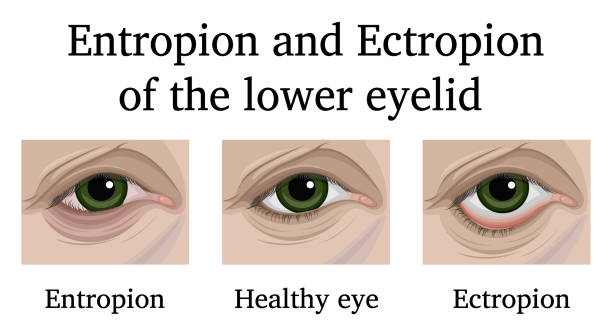
Medical illustration showing a healthy eye compared to eyes with entropion and ectropion of the lower eyelid.

Complications of Ectropion

Complications of Ectropion The complications of ectropion mainly arise when the condition is left untreated. Since ectropion causes the lower eyelid to pull away from the eye, it leaves the eye surface exposed and unprotected. This can lead to ongoing discomfort, recurrent infections, and long-term damage to vision if not managed properly. The most common complication is dry eye syndrome. Without proper contact between the eyelid and the eye, the tear film cannot spread evenly. This leads to a dry, gritty sensation, redness, and a burning feeling in the eye. Over time, chronic dryness can damage the corneal surface. Another major issue is chronic tearing (epiphora). Although it may seem like the eye is producing too many tears, the problem lies in tear drainage. Because the lower eyelid is turned outward, tears cannot enter the tear ducts and instead spill over onto the face. Corneal damage is a more serious complication. If the cornea becomes dry or scratched, it may lead to keratitis (inflammation), corneal ulcers, or even vision loss. This is especially dangerous for elderly patients or those with weakened immune systems, who may not detect the signs of infection early. Recurrent conjunctivitis (inflammation of the eye lining) is also common. Without adequate eyelid protection, the eye becomes more susceptible to bacterial or viral infections. Patients may experience frequent redness, discharge, and discomfort. In some cases, cosmetic deformity can develop. The constant exposure of the inner eyelid and tearing may cause skin irritation, darkening, or scarring. Social discomfort may follow, particularly for people who feel self-conscious about their appearance. People with paralytic ectropion face additional complications if facial nerve function is not addressed. The inability to blink properly can lead to exposure keratopathy, where the cornea becomes chronically exposed and inflamed. Complications of Ectropion In South Africa, complications from ectropion are more likely in regions with poor access to eye care. Delayed diagnosis and lack of treatment resources contribute to preventable vision problems. In many cases, simple interventions could have avoided serious outcomes. To prevent complications, early intervention is key. Lubrication, proper eye hygiene, and surgical repair when needed can restore normal eyelid function and protect vision. Regular eye check-ups—especially for older adults—can detect ectropion before it causes lasting damage. Addressing the complications of ectropion requires public awareness, timely referral to specialists, and access to affordable treatment. With proper care, most people can avoid long-term effects and maintain clear, comfortable vision. [Next: Back to Overview →]

Complications of Ectropion Read More »

Ectopic Pregnancy

Ectopic Pregnancy

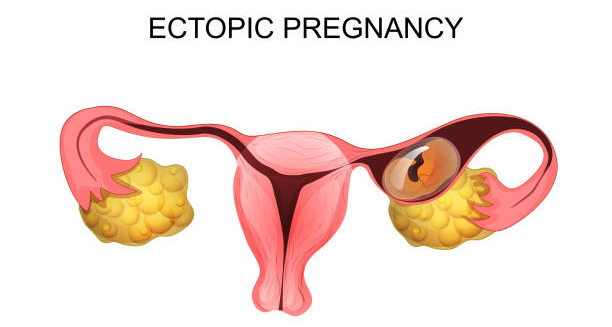
Ectopic Pregnancy Ectopic pregnancy occurs when a fertilised egg implants outside the uterus, most commonly in one of the fallopian tubes. This type of pregnancy cannot proceed normally and poses a serious health risk. This is a medical emergency that requires prompt diagnosis and treatment to prevent life-threatening complications. In a typical pregnancy, the fertilised egg travels from the ovary through the fallopian tube and into the uterus. Where it implants and grows. In an ectopic pregnancy, this journey is interrupted. The embryo implants in the wrong location—most often in the fallopian tube, but sometimes in the ovary, cervix, or abdominal cavity. Because these areas are not designed to support a growing embryo, the pregnancy cannot continue. As the embryo grows, it can cause the tube to rupture, leading to internal bleeding, shock, and even death if not treated immediately. Ectopic pregnancies account for 1–2% of all pregnancies. However, they cause a disproportionately high number of maternal deaths in the first trimester. Ectopic Pregnancy In South Africa, where access to emergency care may be limited in rural or under-resourced areas, early recognition of the condition is vital. Education and access to antenatal care can help reduce the risk of serious outcomes. Early symptoms may mimic those of a normal pregnancy, including missed periods, nausea, and breast tenderness. However, as the pregnancy progresses, warning signs such as sharp pelvic pain, vaginal bleeding, and dizziness often appear. Any woman of reproductive age presenting with these symptoms should be assessed for this type of pregnancy as a priority. Understanding ectopic pregnancy is key to saving lives. With timely medical care, it is possible to treat the condition and preserve future fertility in many cases. [Next: Causes of Ectopic Pregnancy →]

Ectopic Pregnancy Read More »

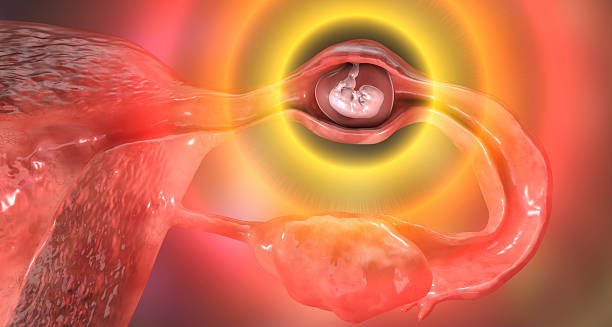
3D illustration of an ectopic pregnancy showing embryo implanted in the fallopian tube.

Causes of Ectopic Pregnancy

Causes of Ectopic Pregnancy The causes of ectopic pregnancy relate to anything that interferes with the normal movement of a fertilised egg through the fallopian tube. In a healthy pregnancy, the egg travels freely from the ovary to the uterus. When this pathway is blocked, narrowed, or damaged, the egg may implant in the wrong location, resulting in an ectopic pregnancy. One of the leading causes is damage to the fallopian tubes. This can result from: Pelvic inflammatory disease (PID), often caused by untreated sexually transmitted infections such as chlamydia or gonorrhoea Previous surgeries involving the fallopian tubes or pelvis Scar tissue from endometriosis or past ectopic pregnancies Tubal abnormalities—either from birth or acquired—can also prevent the egg from reaching the uterus. Infections and inflammation may reduce the mobility of the cilia (tiny hair-like structures) inside the tube, which normally help push the egg along its path. Use of fertility treatments or assisted reproductive technology (such as IVF) increases the risk slightly, especially if there are underlying issues with the fallopian tubes. Women who become pregnant while using an intrauterine device (IUD) also have a higher chance of the pregnancy being ectopic, although this is rare. Smoking is another risk factor. Research shows that smoking can affect the function of the fallopian tubes, making it more likely for an egg to implant outside the uterus. Age also plays a role—women over 35 are more likely to experience an ectopic pregnancy than younger women. Causes of Ectopic Pregnancy In South Africa and other low- and middle-income countries, the risk is higher in areas with limited access to sexual health services. Many women do not receive prompt treatment for infections, leading to long-term damage and scarring of the reproductive tract. It’s important to note that in many cases, no specific cause is found. Even women with no risk factors can experience an ectopic pregnancy. This is why early pregnancy monitoring and attention to unusual symptoms are so important. Understanding the causes of ectopic pregnancy helps in both prevention and early intervention. Addressing risk factors like untreated infections, smoking, and lack of reproductive healthcare can reduce the incidence and improve outcomes. [Next: Symptoms of Ectopic Pregnancy →]

Causes of Ectopic Pregnancy Read More »

Woman clutching lower abdomen in pain while sitting on a couch, showing signs of ectopic pregnancy.

Symptoms of Ectopic Pregnancy

Symptoms of Ectopic Pregnancy The symptoms of ectopic pregnancy usually appear between the 4th and 12th week of pregnancy. In the early stages, they may seem identical to those of a normal pregnancy—making the condition hard to detect without medical evaluation. Recognising the symptoms of ectopic pregnancy quickly can be life-saving. The first sign is often a missed period, followed by a positive pregnancy test. However, unlike a normal pregnancy, the woman may also experience: Sharp, stabbing pain in the lower abdomen or pelvis Vaginal bleeding or spotting, which may be lighter or darker than a normal period Shoulder-tip pain, a sign of internal bleeding irritating the diaphragm Dizziness or fainting, caused by blood loss and low blood pressure Rectal pressure or pain during bowel movements The pain may come and go, or it may be constant. It can be felt on one side or both sides of the abdomen. As the ectopic pregnancy grows, it may rupture the fallopian tube, causing heavy internal bleeding and shock. This is a medical emergency. Symptoms of a ruptured ectopic pregnancy include: Sudden, severe abdominal pain Heavy vaginal bleeding Cold, clammy skin Rapid heartbeat Loss of consciousness These symptoms require immediate emergency care. In South Africa, delays in seeking care—especially in rural areas—can be fatal. Many women do not suspect anything is wrong until the condition becomes critical. Symptoms of Ectopic Pregnancy It’s also worth noting that some ectopic pregnancies show very few symptoms in the early stages. This is why routine early ultrasound scans and blood tests for pregnancy hormone levels (hCG) are important. In ectopic pregnancy, hCG levels may rise more slowly than expected. Any woman who is pregnant and experiences unusual bleeding, pelvic pain, or fainting should be assessed urgently. Even if the pain feels manageable, it should never be ignored—especially in the first trimester. Recognising the symptoms of ectopic pregnancy early can prevent complications, reduce the need for major surgery, and protect the woman’s future fertility. Timely diagnosis and treatment save lives. [Next: Diagnosis of Ectopic Pregnancy→]

Symptoms of Ectopic Pregnancy Read More »

Doctor performing ultrasound scan on a concerned woman to diagnose ectopic pregnancy.

Diagnosis of Ectopic Pregnancy

Diagnosis of Ectopic Pregnancy The diagnosis of ectopic pregnancy involves confirming that a pregnancy exists, and then determining whether it is located inside or outside the uterus. Because ectopic pregnancy can look similar to a normal early pregnancy, diagnosis requires careful testing and sometimes several visits to confirm the findings. The process often begins with a positive pregnancy test, followed by a thorough review of symptoms. A woman who presents with pelvic pain, abnormal bleeding, or fainting in early pregnancy is always evaluated for a possible ectopic pregnancy. The most common and reliable method of diagnosis is transvaginal ultrasound. This imaging technique allows doctors to look inside the pelvis and check whether a gestational sac is present in the uterus. If the uterus is empty, and the pregnancy hormone (hCG) levels are high enough that a pregnancy should be visible, doctors may suspect an ectopic pregnancy. However, not all ectopic pregnancies are visible on ultrasound right away. In these cases, doctors monitor hCG levels through blood tests over several days. Furthermore, in a normal pregnancy, hCG levels roughly double every 48 hours. In an ectopic pregnancy, the rise is usually slower or may plateau. This pattern, combined with an empty uterus on ultrasound, strengthens the diagnosis. If the ectopic pregnancy is large enough, it may appear on the ultrasound as a mass in the fallopian tube or as free fluid in the abdomen, indicating internal bleeding. These findings confirm the diagnosis and help guide the urgency of treatment. Diagnosis of Ectopic Pregnancy In rare cases, diagnostic surgery called laparoscopy may be needed. This minimally invasive procedure allows doctors to directly view the pelvic organs and confirm the location of the pregnancy. It’s often used when imaging results are inconclusive but symptoms are worsening. In South Africa, access to early pregnancy scans and blood testing can be limited in rural areas. As a result, ectopic pregnancies are sometimes diagnosed only after rupture has occurred. This makes investment in early antenatal care and patient education critically important. The diagnosis of ectopic pregnancy is time-sensitive. A delayed diagnosis can lead to tubal rupture, severe bleeding, and permanent damage to reproductive organs. Early detection allows for more treatment options and reduces the risk of serious complications. [Next: Treatment of Ectopic Pregnancy →]

Diagnosis of Ectopic Pregnancy Read More »

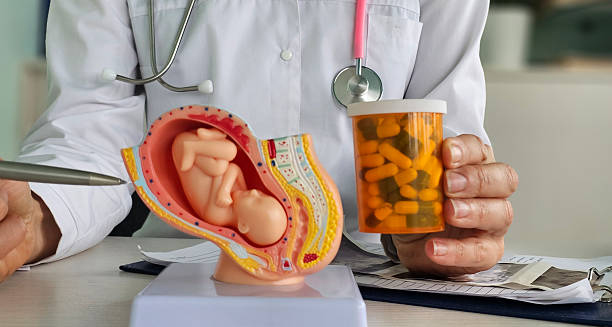
Doctor explaining treatment of ectopic pregnancy with pregnancy model and medication bottle.

Treatment of Ectopic Pregnancy

Treatment of Ectopic Pregnancy The treatment of ectopic pregnancy depends on how far the pregnancy has progressed, the woman’s overall health, and whether there are signs of rupture. Since ectopic pregnancy cannot develop into a viable pregnancy, treatment always involves ending the pregnancy to protect the woman’s health and life. There are three main approaches to treatment: Expectant management – watching and waiting Medication – medical treatment with methotrexate Surgery – laparoscopic or open surgery to remove the pregnancy Expectant management may be used when hCG levels are very low, and the pregnancy appears to be ending naturally. In these cases, doctors monitor blood hormone levels over time. If the levels continue to fall and the woman has no symptoms, no further action may be needed. Methotrexate is the most common medical treatment for ectopic pregnancy. This medication stops the cells of the developing embryo from dividing, allowing the body to absorb the pregnancy tissue naturally. Methotrexate is given as an injection and is effective when the pregnancy is small and has not ruptured. After treatment, blood tests are done regularly to confirm that hCG levels are falling. Surgical treatment is required if the fallopian tube has ruptured or if the woman is in severe pain. The most common procedure is laparoscopic surgery, where a small camera and instruments are inserted through tiny incisions. The surgeon either removes the ectopic pregnancy (salpingostomy) or the entire affected fallopian tube (salpingectomy), depending on the extent of damage. If the patient is unstable or there is a lot of internal bleeding, emergency open surgery may be needed. Treatment of Ectopic Pregnancy In South Africa, access to methotrexate and timely laparoscopic surgery may be limited in public hospitals. As a result, many women only receive care after the condition has advanced. Improving early detection and access to medication can reduce the need for emergency surgery. After treatment, women are advised to wait at least three months before trying to conceive again, especially if methotrexate was used. Follow-up care includes physical recovery, monitoring of hormone levels, and emotional support. The treatment of ectopic pregnancy is highly effective when given early. With proper care, most women recover well and can go on to have healthy future pregnancies. [Next: Complications of Ectopic Pregnancy →]

Treatment of Ectopic Pregnancy Read More »

Woman in pain holding abdomen, showing complications of ectopic pregnancy.

Complications of Ectopic Pregnancy

Complications of Ectopic Pregnancy The complications of ectopic pregnancy can be life-threatening if the condition is not diagnosed and treated promptly. Because ectopic pregnancy grows in places not designed to support it—usually the fallopian tube—it can lead to rupture, internal bleeding, and long-term reproductive damage. The most serious complication is tubal rupture. As the pregnancy grows, the narrow fallopian tube stretches and eventually tears. This causes severe internal bleeding, sharp abdominal pain, and signs of shock such as dizziness, rapid heartbeat, or fainting. A ruptured ectopic pregnancy is a medical emergency and requires immediate surgery. Internal bleeding can be life-threatening if not managed quickly. In areas where emergency care is delayed or unavailable, women may die from blood loss before reaching hospital. This is a major concern in parts of South Africa where rural communities are far from health facilities. Future fertility issues may arise after an ectopic pregnancy, especially if the affected fallopian tube has to be removed. Women who have had one ectopic pregnancy are also at higher risk of another. However, many women still conceive naturally, particularly if the other fallopian tube is healthy. Other complications include: Infection after surgery Emotional trauma or grief Post-operative adhesions (scar tissue that can affect fertility) Side effects from methotrexate, such as fatigue or gastrointestinal issues The psychological impact should not be overlooked. Many women experience shock, sadness, anxiety, or guilt after learning they had an ectopic pregnancy. Support from healthcare providers, partners, and counsellors can help process these emotions and promote healing. Complications of Ectopic Pregnancy If ectopic pregnancy is not completely resolved, residual tissue can continue to grow or cause complications. This is why follow-up monitoring—particularly of hCG levels—is essential. Falling hormone levels confirm that the pregnancy has been fully treated. In South Africa, a lack of public awareness about ectopic pregnancy often contributes to late diagnosis. Women may ignore symptoms, attribute them to menstruation or miscarriage, or delay seeking help due to fear or stigma. Health education at clinics and schools can help prevent delayed treatment and improve outcomes. With early detection and proper care, most complications are avoidable. However, recognising the risks and knowing when to act is key. Addressing the complications of ectopic pregnancy means not only saving lives but also preserving the possibility of future motherhood and emotional well-being. [Next: Back to Overview →]

Complications of Ectopic Pregnancy Read More »

Scroll to Top