Mental Matters

Author name: admin

Complications of Lambert-Eaton myasthenic syndrome

Complications of Lambert-Eaton myasthenic syndrome

Lambert-Eaton myasthenic syndrome is a complex condition that can lead to several complications, particularly if left untreated or associated with malignancy. These complications vary in severity and can affect a person’s mobility, quality of life, mental well-being, and long-term outlook. The autoimmune nature of Lambert-Eaton myasthenic syndrome means that it not only interferes with nerve-to-muscle signals but also causes wider body issues, especially when cancer or other illnesses are present. One of the most common and disabling complications of Lambert-Eaton myasthenic syndrome is muscle wasting and growing weakness. Without proper treatment and regular physical activity, the muscles—especially in the hips, thighs, shoulders, and upper arms—can shrink over time. This loss of strength reduces mobility and increases the risk of falls and fractures. Simple tasks like climbing stairs, standing up from a chair, or carrying items may become harder or even impossible. As a result, people may need walking aids or full-time care in severe cases. Autonomic and cancer-related complications Even though LEMS mainly affects voluntary muscles, it can also disrupt automatic body functions. Dry mouth is a common problem that can lead to more tooth decay, gum disease, and mouth infections. Constipation may become severe enough to need daily laxatives or risk bowel blockage. Urinary problems and erectile dysfunction may cause emotional distress, especially in younger people. When Lambert-Eaton myasthenic syndrome is linked to small-cell lung cancer, the cancer itself becomes the most dangerous complication. Even if the nerve and muscle symptoms are managed, small-cell lung cancer often grows quickly and has a poor outlook. If the cancer comes back, LEMS symptoms usually return, sometimes worse than before. Chemotherapy and radiation can also lead to fatigue, nerve damage, and a weak immune system, which adds more problems. Complications of treatment and immune suppression Another serious issue comes from the treatments used to control non-cancer-related LEMS. These usually involve drugs that suppress the immune system. While they help calm the autoimmune response, they also raise the risk of infections and slow healing. Long-term steroid use can cause weight gain, mood swings, high blood sugar, and bone loss. Other drugs like azathioprine or cyclophosphamide may harm the liver, reduce bone marrow function, or increase cancer risk. Some people with LEMS may develop breathing problems, though this happens less often than in conditions like myasthenia gravis. If chest muscles become weak, breathing can feel shallow or strained. This risk becomes higher during infections like the flu or pneumonia. Because of this, doctors often recommend yearly flu shots and vaccines for pneumonia. Mental health and delayed diagnosis Living with a rare and unpredictable illness like LEMS can take a toll on mental health. Fear of how the disease may progress, worry about cancer coming back, and limits on daily life often lead to anxiety or depression. These feelings can be worse for people who were once very active and independent. Tiredness, muscle weakness, and less social contact can create a cycle of sadness and inactivity. Talking to a counsellor, joining a support group, or working with a mental health expert can help. Complications of Lambert-Eaton myasthenic syndrome can also include problems linked to delayed diagnosis. LEMS is often mistaken for other issues like chronic fatigue syndrome, fibromyalgia, or even depression. Many people go months or years without the right treatment. This delay may also mean missing the chance to find and treat small-cell lung cancer early, when it may respond better to treatment. Treatment resistance and physical decline A few people with LEMS do not respond well to the standard treatment, amifampridine. Others may have side effects that make it hard to keep using it. Some cannot tolerate immune-suppressing drugs because of other health problems. In these cases, doctors need to try other therapies, which may not work as well. This can lead to ongoing or changing symptoms and a drop in quality of life. Other complications of Lambert-Eaton myasthenic syndrome develop from long-term reduced movement. Muscle weakness can lead to weight gain, poor heart fitness, and joint or back pain. Changes in walking patterns may put stress on the knees, hips, and spine. This raises the risk of tendon injuries and daily discomfort. People who need long-term care face added risks like bedsores, blood clots, and urinary tract infections. These issues come from being immobile, not directly from LEMS itself. Good nutrition, regular exercise, and frequent check-ups help reduce these risks. Cancer recurrence is a major concern for those with paraneoplastic LEMS. Even after successful treatment, small-cell lung cancer often returns. This may trigger another wave of neuromuscular symptoms. Regular scans and cancer checks are essential to catch relapse early and guide further treatment. In conclusion, the complications of Lambert-Eaton myasthenic syndrome range from muscle weakness and organ problems to mental health issues and cancer-related concerns. These challenges can affect treatment choices and long-term planning. Quick diagnosis, custom care plans, and strong support from healthcare teams are key to managing complications and improving life for people with this rare disease. [Next: Back to Overview →]

Complications of Lambert-Eaton myasthenic syndrome Read More »
Overview of Labyrinthitis

Overview of Labyrinthitis

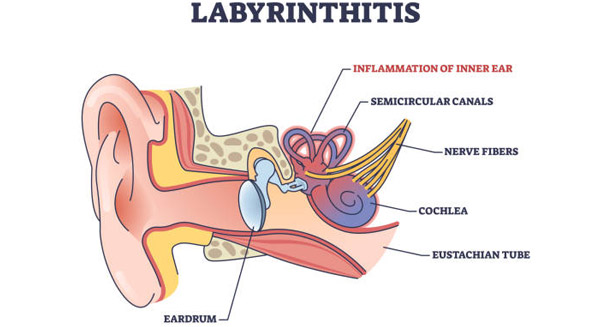
Overview of labyrinthitis describes an inflammation of the inner ear’s labyrinth, a delicate structure responsible for hearing and balance. This condition often appears suddenly and causes dizziness, vertigo, hearing loss, and other symptoms that disrupt daily life. The labyrinth includes the cochlea (hearing) and the vestibular system (balance). When inflamed, it sends confusing signals to the brain, impairing balance and hearing. Labyrinthitis usually follows a viral infection, such as a cold, flu, or respiratory illness. Symptoms often appear suddenly without warning. People experience spinning sensations (vertigo), balance problems, and partial hearing loss in one ear. Nausea and vomiting may also occur, increasing discomfort. Though often self-limiting and resolving in weeks, proper medical care is essential to rule out serious conditions and prevent complications. This overview of labyrinthitis places it within vestibular disorders—a group of conditions affecting the inner ear and balance. These include benign paroxysmal positional vertigo (BPPV), vestibular neuritis, and Ménière’s disease. Labyrinthitis differs because it affects both hearing and balance nerves, causing a mix of symptoms. This makes it more disabling than some related conditions and often calls for targeted treatment and rehabilitation. The main cause of labyrinthitis is viral infection. Viruses like influenza and herpes simplex cause inflammation that disrupts nerve signals from the inner ear to the brain. Less commonly, bacterial labyrinthitis arises from chronic middle ear infections or meningitis, especially in children. Bacterial cases are more severe and require urgent antibiotics to avoid lasting damage. Labyrinthitis can be acute or chronic. Acute labyrinthitis starts suddenly and peaks quickly, then improves over a few weeks. Chronic labyrinthitis is rare but causes ongoing balance problems, motion sensitivity, or hearing difficulties. This form often needs vestibular rehabilitation therapy (VRT) to help the brain adjust to altered inner ear signals. Diagnosis of labyrinthitis is mainly clinical, relying on patient history and symptoms. No single test confirms it, so doctors rule out other causes like stroke, Ménière’s disease, or tumors. Hearing tests, balance assessments, and imaging like MRI or CT scans may support diagnosis or exclude serious issues. Treatment depends on the cause. Viral labyrinthitis often clears up on its own, with medicines to ease symptoms such as anti-nausea drugs, corticosteroids, and vestibular suppressants. Bacterial labyrinthitis needs antibiotics and close monitoring due to risks of permanent hearing loss or neurological problems. Rest, hydration, and gradual activity help recovery and prevent complications like weakness or anxiety. Rehabilitation plays a key role in recovery. Some patients feel unsteady or dizzy after the acute phase. Vestibular rehabilitation therapy uses exercises to improve balance, eye stability, and movement. It helps the brain compensate for damaged inner ear signals and supports those with prolonged or chronic labyrinthitis. Prevention options are limited but include reducing viral infections by practising good hygiene, getting vaccinated (e.g., flu shots), and treating respiratory illnesses early. Avoiding loud noises and managing chronic ear infections may reduce bacterial labyrinthitis risk. The prognosis is mostly good. Most people recover fully within weeks, especially with viral labyrinthitis. However, older adults or those with neurological issues may have lasting symptoms such as chronic dizziness, hearing loss, or psychological effects like anxiety and depression due to unpredictable balance problems. In summary, this overview of labyrinthitis highlights a condition that, while often temporary, can greatly affect daily life and wellbeing. Knowing its causes, symptoms, diagnosis, and treatment helps manage it effectively. With timely care and support, most patients regain full health, though some need ongoing attention for lasting effects. [Next: Causes of Labyrinthitis →]

Overview of Labyrinthitis Read More »

Symptoms of Labyrinthitis

Symptoms of Labyrinthitis

Symptoms of labyrinthitis can appear suddenly and often strike with alarming intensity, making everyday activities extremely difficult. In most cases, the symptoms of labyrinthitis are linked to a disturbance in the vestibular system, the delicate part of the inner ear that helps regulate balance and spatial orientation. These symptoms may vary in severity and duration depending on the underlying cause, age of the patient, and presence of any concurrent conditions. Prompt recognition is critical for initiating treatment, alleviating discomfort, and preventing potential complications. Vertigo and Other Key Symptoms of Labyrinthitis The hallmark symptom of labyrinthitis is sudden, severe vertigo. This causes a false feeling that you or your surroundings are spinning or moving, even when still. The vertigo can be overwhelming. It often comes with nausea and vomiting, which may require medication to control. Unlike general dizziness, vertigo feels like spinning and can last for hours or even days. Another common symptom of labyrinthitis is hearing loss in one ear. This usually happens when the inflammation also affects the cochlea. Hearing loss can feel like muffled sounds, difficulty hearing certain pitches, or a sense of fullness in the ear. Sometimes, the hearing returns after the inflammation fades. However, if the infection is bacterial or left untreated, the hearing loss might become permanent. Tinnitus, or ringing in the ears, is also frequently reported. The noise can sound like buzzing, hissing, or a high-pitched tone. It usually affects just one ear. When it appears with vertigo, it suggests a problem in the inner ear. While tinnitus can happen on its own, it strongly points to labyrinthitis when combined with other symptoms. Balance Issues and Visual Disturbances Many patients also feel off-balance. You may feel like you’re swaying, pulled to one side, or about to fall—even when sitting or lying down. This loss of balance makes walking or standing difficult and increases fall risk, especially in older people. Children may stumble more or seem clumsier than usual. Blurred vision, difficulty focusing, and nystagmus—rapid side-to-side eye movement—can also appear. Nystagmus is often linked to vertigo episodes and may stop when the vertigo settles. Some people experience mental fog or trouble concentrating. This could be due to confusion between what the body feels and what the eyes see. In more severe cases, symptoms of labyrinthitis may include anxiety or panic attacks. The unpredictable nature of vertigo, along with physical discomfort, can cause emotional distress. Some people fear leaving their homes, afraid an episode might occur in public or during important activities. Symptoms of Labyrinthitis in Children and Their Progression These symptoms often come on suddenly after a cold or flu. Fever, sore throat, and headache may happen around the same time. Viral labyrinthitis usually peaks within hours. However, bacterial cases might build up slowly but cause more serious damage over time. It’s also important to know that labyrinthitis symptoms overlap with other inner ear conditions. These include vestibular neuritis, Meniere’s disease, and even stroke. What sets labyrinthitis apart is the combination of balance problems and hearing issues. Vestibular neuritis, for example, affects only balance. Because of these similarities, getting a proper medical evaluation is vital. Recognising labyrinthitis in children can be difficult. Younger kids may not explain their symptoms clearly. Instead, they may cry a lot, stumble when walking, or pull at their ears. Parents might also notice clinginess or fear of movement. Ear infections are often seen before labyrinthitis in children, so being alert is crucial. Long-Term Symptoms of Labyrinthitis and When to Seek Help Labyrinthitis symptoms usually improve within one to two weeks, especially if caused by a virus. Rest and fluids often help. However, some people deal with balance issues or hearing trouble for weeks or even months. These lingering symptoms can make daily tasks like driving, reading, or computer work challenging. In such cases, vestibular therapy can be very useful. If labyrinthitis is not treated, or if it’s caused by bacteria, long-term problems may occur. These include chronic vertigo, ongoing tinnitus, or permanent hearing loss. That’s why medical help is essential—especially if symptoms worsen or don’t get better after a few days. Bright lights, loud noises, and quick head movements can make symptoms worse. Many patients find relief in dark, quiet rooms. Avoiding sudden motion and getting enough sleep also helps. Staying hydrated can ease nausea and prevent further irritation of the inner ear. In summary, the symptoms of labyrinthitis are wide-ranging and affect both hearing and balance, often beginning abruptly after a respiratory infection. Key symptoms include vertigo, hearing loss, tinnitus, imbalance, and visual disturbances, all of which can severely disrupt daily life. Recognising these symptoms early, and differentiating them from similar disorders, is essential for effective treatment and recovery. [Next: Diagnosis of Labyrinthitis →]

Symptoms of Labyrinthitis Read More »

Causes of Labyrinthitis

Causes of Labyrinthitis

Causes of labyrinthitis are mainly linked to infections that inflame the inner ear’s labyrinth, which is essential for hearing and balance. Understanding the causes of labyrinthitis helps distinguish the different triggers and allows for timely treatment. Labyrinthitis itself is not a disease but a complication from various underlying problems. Most cases are viral, but bacterial and autoimmune causes also occur. Viral Causes of Labyrinthitis The most common cause of labyrinthitis is a viral infection, usually following a respiratory illness like the common cold or flu. Viruses can travel from the upper respiratory tract to the inner ear and inflame the delicate labyrinth. Influenza, herpes simplex virus (HSV), Epstein-Barr virus (EBV), mumps, and measles are common culprits. This inflammation disrupts the signals from the vestibular and cochlear nerves to the brain, leading to dizziness, vertigo, hearing loss, and imbalance. Herpes viruses can remain dormant in the body for years before reactivating, often triggered by stress or a weakened immune system. Reactivated HSV can cause severe labyrinthitis. Because it may mimic other neurological disorders, early diagnosis is important to avoid confusion. Bacterial and Autoimmune Causes Bacterial labyrinthitis is less common but more severe. It happens when bacteria invade the inner ear through nearby infections, such as middle ear infections (otitis media), bacterial meningitis, or a ruptured eardrum. In children, untreated ear infections increase the risk. Bacterial labyrinthitis requires prompt treatment to avoid permanent damage. Autoimmune labyrinthitis occurs when the immune system mistakenly attacks inner ear tissues. This rare cause resembles infectious labyrinthitis but usually accompanies other autoimmune diseases like rheumatoid arthritis or lupus. Treatment focuses on suppressing the immune response rather than fighting infection. Other Causes and Risk Factors Allergies can contribute indirectly by causing inflammation and congestion in the middle ear and Eustachian tube. This can lead to fluid buildup or infections that increase the risk of labyrinthitis. Certain medications can damage the inner ear and cause symptoms like labyrinthitis. Drugs such as aminoglycoside antibiotics (e.g., gentamicin), chemotherapy agents (e.g., cisplatin), and high doses of aspirin or diuretics may harm the vestibular system. Though this damage isn’t true inflammation, it causes similar symptoms and is important to consider. Head trauma is another cause. Injuries to the skull or ear can lead to bleeding or inflammation inside the inner ear. Sometimes, trauma opens a path for bacteria to enter, causing secondary bacterial labyrinthitis. Systemic illnesses such as mumps and meningitis can also cause labyrinthitis. Mumps, particularly in unvaccinated populations, can damage the inner ear. Bacterial meningitis may spread to the labyrinth, often causing severe and permanent hearing and balance problems. Influencing Factors and Prevention Lifestyle and environmental factors don’t directly cause labyrinthitis but can increase risk. Poor immune health due to chronic illness, stress, or malnutrition makes viral infections more likely. Crowded places during flu season raise exposure risk. Vaccinations have reduced some causes of labyrinthitis. The MMR vaccine lowers virus-induced cases. Flu vaccines also reduce respiratory infections that may lead to labyrinthitis. Public health efforts to promote vaccination and early treatment of ear infections help prevent many cases. Summary of Causes of Labyrinthitis Labyrinthitis has multiple causes, from common viral infections to more severe bacterial or autoimmune conditions. Viral labyrinthitis is the most common and usually less serious. Bacterial and autoimmune forms require urgent attention due to higher risks of complications. Early identification of the cause is essential for effective treatment and preventing long-term damage. [Next: Symptoms of Labyrinthitis →]

Causes of Labyrinthitis Read More »

Diagnosis of Labyrinthitis

Diagnosis of Labyrinthitis

Diagnosis of labyrinthitis plays a vital role in distinguishing this condition from other vestibular disorders and ensuring the correct treatment is administered. Because the symptoms of labyrinthitis—such as vertigo, hearing loss, and imbalance—can mimic other serious medical issues like stroke or Meniere’s disease, an accurate diagnosis of labyrinthitis is critical for both short-term management and long-term outcomes. The diagnostic process typically involves a detailed medical history, physical examination, and, in some cases, specialist referral or imaging tests. Doctors begin the diagnosis of labyrinthitis by discussing the patient’s symptoms in detail. They ask about when the symptoms started, how long they last, and how severe they feel. Questions also focus on whether the patient has hearing loss, tinnitus, nausea, vomiting, or a recent illness. If the symptoms appeared suddenly, it might suggest a viral cause. Gradual onset could point to bacterial infection. Doctors also look for signs of past ear infections, respiratory illness, or use of medications that can harm the ear. Physical Examination in the Diagnosis of Labyrinthitis Next, doctors perform a physical exam. They check for rapid, involuntary eye movements called nystagmus. They also assess the patient’s balance and coordination. Hearing tests are included as well. One common bedside test is the head impulse test. Here, the patient focuses on a fixed point while the doctor quickly turns the head. If the patient’s eyes can’t stay focused, it suggests a problem with the vestibular system, possibly due to labyrinthitis. Otoscopic examination follows. Doctors use a lighted device to examine the ear canal and eardrum. This helps identify infection, fluid, or damage that could link to conditions like otitis media. Although a normal eardrum doesn’t rule out labyrinthitis, any abnormal findings guide treatment decisions. In many cases, doctors conduct hearing tests to support the diagnosis. Audiometry helps detect sensorineural hearing loss, which often occurs if the cochlear nerve is affected. When hearing loss appears on one side along with vertigo, it strongly supports labyrinthitis. On the other hand, if hearing is normal, vestibular neuritis might be the cause instead. Specialist Tests and Imaging for Diagnosis of Labyrinthitis Sometimes, vestibular function tests are used. These tests measure how the inner ear and brain handle balance. Electronystagmography (ENG) and videonystagmography (VNG) track eye movements as the vestibular system responds to movement. These tests are useful if symptoms last longer than expected or don’t improve with early treatment. Most cases of labyrinthitis are diagnosed without scans. However, imaging is needed if another cause is suspected. Doctors may request MRI or CT scans to check for stroke, brain tumours, multiple sclerosis, or inner ear defects. MRI scans are especially helpful to rule out problems in the brainstem or cerebellum. When a scan shows no issues and the patient has hearing loss and nystagmus, it confirms the diagnosis of labyrinthitis. Blood tests are not always necessary. But doctors may order them to check for infection or inflammation if they suspect a bacterial cause. Rarely, if an autoimmune condition is involved, blood markers help provide supporting evidence. If the doctor worries about meningitis or encephalitis, they might order a lumbar puncture, although this is uncommon for typical labyrinthitis cases. Diagnosis of Labyrinthitis in Children and Differential Conditions Diagnosing labyrinthitis in children can be tricky. Young children often struggle to describe their symptoms. In these cases, doctors rely on observations from parents. Signs like stumbling, frequent falls, or being unusually clumsy can signal a problem. Recent colds or ear infections also offer clues. Paediatricians keep these in mind while evaluating possible inner ear issues. It’s also important to rule out other conditions. For example, Meniere’s disease usually causes recurring vertigo, a feeling of fullness in the ear, and changes in hearing over time. Labyrinthitis usually causes one long episode. BPPV brings on short bursts of vertigo linked to head movements. Vestibular migraine might not involve hearing loss but often includes a headache or visual symptoms. Recognising these differences helps confirm the diagnosis of labyrinthitis. Doctors also consider how the symptoms progress. Viral labyrinthitis starts suddenly and often improves within days or weeks. Bacterial labyrinthitis can worsen quickly and may need urgent treatment. If the patient has ongoing or worsening symptoms, doctors must consider other possible causes and investigate further. Importance of Early and Accurate Diagnosis of Labyrinthitis In rural or resource-limited areas, doctors might rely only on the patient’s history and a basic exam to make the diagnosis. This method works well in many cases. However, if the symptoms are unusual or do not improve, referral to an ENT specialist or neurologist is important. Getting the diagnosis of labyrinthitis right helps patients in several ways. For one, many people fear they are having a stroke when they feel sudden vertigo and hearing loss. A clear diagnosis eases this anxiety. It also ensures they get the right treatment and don’t go through unnecessary tests. In summary, the diagnosis of labyrinthitis is mostly clinical. A detailed history, physical exam, hearing tests, and balance checks are usually enough. Imaging and lab tests are saved for more complicated or severe cases. Making the diagnosis early leads to better treatment, fewer complications, and greater peace of mind for the patient. [Next: Treatment of Labyrinthitis →]

Diagnosis of Labyrinthitis Read More »

Treatment of Labyrinthitis

Treatment of Labyrinthitis

Treatment of labyrinthitis focuses on relieving symptoms, addressing the underlying cause, and helping patients regain balance and auditory function. Because labyrinthitis affects the inner ear, leading to vertigo, hearing loss, and imbalance, the treatment of labyrinthitis must be tailored to the specific cause—whether viral or bacterial—and the severity of the individual’s symptoms. With prompt and appropriate intervention, most people recover fully, although some may need ongoing support for lingering effects such as dizziness or hearing problems. The first step in the treatment of labyrinthitis is managing symptoms, especially vertigo and nausea. These symptoms can feel overwhelming. Doctors often prescribe vestibular suppressants like antihistamines such as meclizine or prochlorperazine to ease the spinning sensation and reduce nausea. Sometimes, benzodiazepines like diazepam may help, but they require caution due to their sedative nature and risk of dependence. These drugs improve comfort but don’t treat the root cause, so they are only recommended for short-term use. Medication and Supportive Care in the Treatment of Labyrinthitis When a virus causes labyrinthitis, treatment focuses on supportive care since the illness often clears up within a few weeks. Patients should rest, stay hydrated, and avoid tasks that worsen dizziness, like driving or using machinery. Corticosteroids such as prednisone may reduce swelling and improve recovery, especially when hearing loss occurs. If a bacterial infection causes the condition—often due to a middle ear infection—the treatment of labyrinthitis becomes more urgent. Patients may need high-dose intravenous antibiotics to stop the infection and prevent it from spreading to the brain. These cases often require hospital care, especially for children, the elderly, or people with weakened immune systems. In some situations, a doctor might perform a myringotomy, a small procedure to drain fluid from the middle ear and allow antibiotics to work more effectively. Monitoring hearing is crucial. If hearing doesn’t improve after a few weeks, an ENT specialist or audiologist may need to step in. When permanent damage occurs, hearing aids or cochlear implants might be necessary. Audiological rehabilitation can also support people in adjusting to hearing loss and improving communication skills. Vestibular Therapy and Lifestyle in the Treatment of Labyrinthitis Another important part of the treatment of labyrinthitis is vestibular rehabilitation therapy (VRT). This therapy works well for those who still feel unsteady after the acute phase ends. VRT uses specific exercises to retrain the brain to adapt to lost inner ear signals. A physiotherapist who specialises in vestibular disorders designs routines that improve balance, eye control, and movement confidence. These exercises reduce fall risk and boost quality of life. Lifestyle changes can also support recovery. Cutting back on caffeine, alcohol, and tobacco may protect inner ear health and limit dizziness. Managing stress through mindfulness or relaxation techniques can ease anxiety, which often worsens vertigo. Sleeping with the head slightly raised may lower inner ear pressure and speed up healing. Although diet changes are not always needed, people with overlapping conditions like Meniere’s disease might benefit from a low-sodium diet to limit fluid build-up. Drinking enough water and moving slowly when standing up can also reduce dizzy spells. Tailored Treatments and Long-Term Management In rare cases, an autoimmune problem triggers labyrinthitis. For these patients, treatment of labyrinthitis may include immunosuppressive drugs to calm the immune response. A specialist usually manages these cases with long-term care and regular follow-up to prevent flare-ups and further damage. Mental health support also plays a vital role. Ongoing dizziness or hearing loss can lead to anxiety or depression. Counselling, cognitive behavioural therapy (CBT), or joining a support group may help, especially when recovery takes longer than expected. Treating labyrinthitis in children requires special attention. Kids often develop it after viral illnesses like flu or measles. Because children may struggle to explain their symptoms, parents should watch for changes in balance and hearing. Doctors often suggest rest, fluids, and symptom relief, but quick medical care is essential if symptoms worsen or don’t improve. Ongoing Care and Prevention in the Treatment of Labyrinthitis Preventing recurrence is another goal of treatment of labyrinthitis. People prone to ear or sinus infections should manage them quickly. Using decongestants during colds, avoiding second-hand smoke, and practising good hygiene can reduce future risks. When labyrinthitis happens often, or as part of another vestibular disorder, further tests may be needed. Conditions such as vestibular migraine, autoimmune inner ear disease, or auditory nerve tumours may need to be ruled out. In such cases, specialists may recommend imaging scans and repeat hearing tests. Patient education is key to effective treatment of labyrinthitis. Knowing what to expect, how to handle symptoms at home, and when to seek more help empowers patients. Most people recover within two to six weeks, but reassurance can ease fears during a tough recovery. In summary, the treatment of labyrinthitis includes symptom control, infection care, vestibular therapy, and emotional support. Most cases are viral and resolve with rest and medications for dizziness and nausea. Bacterial infections need fast treatment with antibiotics and sometimes surgery. Some patients may need long-term care for hearing or balance. Early, complete treatment of labyrinthitis helps avoid lasting problems and supports a faster return to normal life. [Next: Complications of Labyrinthitis →]

Treatment of Labyrinthitis Read More »

Complications of Labyrinthitis

Complications of Labyrinthitis

Complications of labyrinthitis can occur when the condition is not treated promptly or when recovery is incomplete, leading to lasting issues with balance, hearing, or neurological function. Because labyrinthitis affects the inner ear—a region responsible for regulating both hearing and balance—the consequences of prolonged inflammation or infection can be serious. The complications of labyrinthitis may range from temporary discomfort to long-term disability, depending on the underlying cause, severity, and effectiveness of treatment. One of the most common complications of labyrinthitis is persistent vertigo. While most people recover within weeks, some continue to feel dizzy, unsteady, or overly sensitive to motion for months. This ongoing problem is often called chronic labyrinthitis or vestibular dysfunction. The spinning or swaying feeling can make daily tasks like walking, driving, or shopping difficult. These problems become even more dangerous for older adults, who already face a higher risk of falls. Another major issue is hearing loss. In viral labyrinthitis, this usually involves damage to the inner ear or hearing nerve. Some people recover their hearing fully, but others face permanent loss. Bacterial labyrinthitis carries a greater risk, especially if treatment is delayed. Children are particularly vulnerable, and early medical help is critical to prevent delays in speech and language development. Tinnitus, or ringing in the ears, can also result from labyrinthitis. It often occurs alongside hearing loss and may become a lasting problem. Tinnitus may stem from nerve damage, inflammation, or changes in how the brain processes sound. Even after the infection clears, the ringing may continue. Although there is no cure, sound therapy, counselling, and relaxation techniques can ease the discomfort. Long-Term Balance Issues and Other Complications of Labyrinthitis Balance problems can last even if hearing returns. The brain starts relying more on vision and body cues when the inner ear becomes unreliable. This leads to disorientation in the dark, trouble walking straight, and an increased risk of motion sickness. Some people feel dizzy even with small head movements. Vestibular rehabilitation therapy (VRT) helps the brain relearn balance skills and improve daily function. A more serious but rare complication is labyrinthine ossification. This happens when the inner ear starts to harden or scar after infection. It blocks the normal flow of inner ear fluid and can lead to total hearing loss and permanent balance problems. Bacterial infections, especially meningitis, increase this risk. Doctors may need to perform scans to detect it and suggest options like cochlear implants to restore hearing. Emotional and mental distress are also part of the complications of labyrinthitis. Ongoing dizziness, tinnitus, or hearing loss can cause anxiety, depression, or social withdrawal. Many people become afraid to do normal things like shopping or talking in public. These emotional effects are serious and need attention. Therapy, support groups, and cognitive behavioural therapy (CBT) can help people cope and rebuild confidence. Rare But Serious Complications of Labyrinthitis In some cases, especially bacterial ones, the infection can spread to nearby areas. It might lead to mastoiditis, which affects the bone behind the ear. Or it could cause meningitis, a life-threatening infection of the brain and spine lining, or even brain abscesses. These complications require urgent care with antibiotics or surgery. Fast diagnosis and treatment help prevent these severe outcomes. In children, complications of labyrinthitis can affect long-term development. Hearing loss at a young age can delay speech and learning. Balance issues may make it harder to walk or run. Kids who often get ear infections also risk getting labyrinthitis more than once. Doctors may recommend regular hearing and balance tests to make sure the child is developing well. People with other inner ear conditions, like Meniere’s disease or autoimmune inner ear disease, may face added challenges. Labyrinthitis can trigger flare-ups or worsen the original condition. These patients need special care, including immune system treatments, long-term balance therapy, or sometimes surgery to control repeated episodes. Diagnostic Challenges and Quality of Life Effects Sometimes, complications of labyrinthitis include misdiagnosis. The symptoms may resemble those of vestibular migraine, benign positional vertigo (BPPV), or anxiety disorders. If the condition is wrongly diagnosed, treatment may be ineffective, and recovery may be delayed. That’s why it is vital to see a specialist, such as an ENT doctor or neurologist, if symptoms don’t improve. The impact on daily life can be major. Many people miss work, feel less productive, and avoid social events. Unpredictable dizziness or hearing issues may lead to lifestyle changes like avoiding travel or noisy places. Without support, these adjustments can cause isolation and loss of self-esteem. Preventing complications of labyrinthitis starts with early treatment and regular follow-ups. Patients should stick to their treatment plans, stay hydrated, and slowly return to normal activities. Any lingering symptoms should be checked early. Regular tests for hearing and balance can help catch problems before they worsen. In conclusion, the complications of labyrinthitis can affect both physical and mental health. While many people recover completely, others may face ongoing problems like chronic vertigo, hearing loss, tinnitus, or emotional distress. Rare but serious issues like ossification or infection spread need immediate attention. With early diagnosis, a full treatment plan, and support for both body and mind, patients have the best chance at full recovery from labyrinthitis. [Next: Back to Overview →]

Complications of Labyrinthitis Read More »

Overview of Labial Fusion

Overview of Labial Fusion

Labial fusion is a condition that occurs when the labia minora—the inner folds of the vulva—adhere together, partially or completely covering the vaginal opening. This condition is most commonly seen in prepubertal girls, typically between the ages of three months and six years. While labial fusion can initially cause concern among parents or caregivers, it is generally a benign condition that often resolves with time or minor treatment. Understanding the anatomical, physiological, and developmental factors involved is essential for recognising and appropriately managing this condition. This condition does not result from any birth defect or structural issue. Instead, labial fusion develops over time due to several factors, including low oestrogen levels, local irritation, and inflammation. In young children, oestrogen levels are naturally low—especially after the initial influence of maternal hormones wears off. This low hormonal state, combined with friction, poor hygiene, or recurring infections, may cause the labia to stick together. In most cases, the fusion is partial and causes no symptoms. However, complete fusion may sometimes lead to urinary problems. Labial fusion is often found by chance during routine paediatric check-ups or when a caregiver notices something unusual in the child’s genital area. It may appear as a thin, pale line where the labia have joined, running from the clitoris down to the posterior fourchette. Sometimes, only a small opening is left for urine to pass through. If the opening becomes irritated or narrowed, the child may show signs of discomfort. Still, most girls with labial fusion have no pain or infection, and the condition rarely causes long-term issues. Diagnosis and Clinical Features in the Overview of Labial Fusion In the past, labial fusion was sometimes confused with more serious conditions like ambiguous genitalia or vaginal agenesis. Thankfully, improved clinical knowledge now allows doctors to make a quick and accurate diagnosis by simply examining the area. There’s no need for imaging or invasive tests unless a more serious issue is suspected. A proper physical exam is enough to confirm the diagnosis and rule out other genital conditions. Although labial fusion is harmless, hearing the diagnosis often causes worry for parents. Many fear that it might affect their child’s growth or future fertility. That’s why reassurance and clear education are key parts of care. Parents should know that labial fusion does not affect the uterus, ovaries, or other internal organs. In most cases, the labia will separate naturally during puberty when oestrogen levels rise. This natural change is one reason why many doctors recommend simply observing the condition first. Observation is often the only treatment needed, especially when the child shows no symptoms. If problems do occur—like pain, difficulty urinating, or urinary tract infections—then treatment may be necessary. Doctors often prescribe a topical oestrogen cream for a few weeks. This cream helps the labia separate slowly and gently. While side effects are rare, they can include skin darkening or temporary breast swelling. These effects usually go away after the treatment ends. Treatment Options in the Overview of Labial Fusion Surgery is almost never needed. It’s only considered if the fusion keeps coming back or doesn’t respond to creams. In those rare cases, a doctor may perform a quick and gentle procedure to separate the labia. This is done under local or general anaesthesia. Even then, surgery is avoided unless truly necessary because of the stress it might cause and the high chance that the condition would resolve on its own. Preventing labial fusion from returning is also important. After successful treatment, some children may have recurring fusions if certain habits or irritants aren’t addressed. Prevention includes good hygiene, avoiding perfumed soaps or bubble baths, and keeping the genital area clean and dry. Barrier creams like petroleum jelly can help reduce friction. For toilet-trained children, wiping front to back can also reduce the risk of irritation caused by bacteria from the stool. Although labial fusion mainly affects young girls, it can also occur in postmenopausal women. In older women, the issue is caused by falling oestrogen levels, which make the tissues thinner and more prone to sticking. In this group, labial fusion can cause dryness, discomfort, or problems with urination and sexual activity. Treatments often include local oestrogen creams or hormone therapy, depending on the woman’s needs and medical background. Differential Diagnosis and Conclusion on the Overview of Labial Fusion It’s important to distinguish labial fusion from other conditions that might look similar. These include lichen sclerosus, vulvovaginitis, or labial hypertrophy. Each of these has different causes and requires different treatment. A full clinical exam and a good patient history are essential for a correct diagnosis. If the case is unusual or unclear, referral to a paediatric gynaecologist or dermatologist may be helpful. In conclusion, labial fusion is a common and harmless condition seen mostly in young girls and sometimes in older women. It involves the sticking together of the labia minora, often due to low oestrogen and local irritation. The condition is usually mild and goes away on its own. In cases with symptoms, simple treatments like oestrogen cream are usually enough. With the right care, education, and follow-up, labial fusion almost never causes lasting problems. [Next: Causes of Labial Fusion →]

Overview of Labial Fusion Read More »

Causes of Labial Fusion

Causes of Labial Fusion

Causes of labial fusion are often multifactorial, arising from a combination of anatomical, hormonal, and environmental influences. Understanding the causes of labial fusion is crucial in distinguishing this benign condition from more serious genital abnormalities and in guiding appropriate treatment or reassurance. Most commonly seen in prepubertal girls, labial fusion results from the adherence of the labia minora due to inflammation or irritation in an environment with low oestrogen levels. These underlying causes often interact with one another, contributing to the gradual sealing of the labial folds. Hormonal Changes and the Causes of Labial Fusion A major factor among the causes of labial fusion is the natural hormonal state of young children. After birth, newborns still have circulating maternal oestrogen. This hormone helps keep genital tissues plump and healthy. But after a few weeks, this oestrogen fades. The body’s oestrogen levels drop, leading to thinner and more fragile genital skin. In this low-oestrogen state, the labia minora become more prone to damage. They lose flexibility and may stick together if inflamed and pressed together for long periods. This makes irritation more likely to lead to fusion. Irritants, Hygiene, and Friction as Causes of Labial Fusion Poor hygiene or too much cleaning can also cause labial fusion. Soaps, bubble baths, and scented wipes often irritate the delicate vulval skin. Washing too much with harsh products strips away natural oils, causing dryness and damage. On the other hand, not cleaning enough allows urine and bacteria to build up, which can also irritate the skin. Both extremes make labial fusion more likely. Mechanical friction plays a part as well. Tight clothing, prolonged nappy use, or rubbing from play activities can all cause irritation. Nappies trap moisture and heat, creating a setting where infections and inflammation thrive. If this inflammation goes unchecked, the labia may fuse. During toilet training, children may also struggle with hygiene, increasing the risk. Infections and Trauma Among the Causes of Labial Fusion Urinary tract infections (UTIs) and vulvovaginitis are also common causes of labial fusion. These conditions inflame the genital area. As the tissues heal, they can stick together if not gently separated. The discharge and swelling from infections act like glue between the labia. This is especially a concern if caregivers don’t know to clean and separate the labia during healing. Trauma, even minor, can also lead to fusion. Scratching from eczema or irritation, or injury from accidents, can damage the skin. Inflammatory skin conditions like lichen sclerosus can cause scarring that leads to fusion if left untreated. Although rare, these conditions can look like labial fusion or make it worse, especially when oestrogen levels are low. Additional Causes of Labial Fusion in Various Age Groups Allergic reactions may also play a role. Laundry detergents, wipes, or even some sanitary products can trigger contact dermatitis. This condition inflames the skin and raises the risk of labial adhesion. Repeated exposure to such irritants without removal can create chronic inflammation. Sometimes, anatomical or developmental differences may be mistaken for causes of labial fusion. For example, enlarged labia minora can increase skin contact and raise the chance of irritation. Structural problems that affect urination or vaginal drainage may also lead to repeated infections, setting the stage for labial fusion. In postmenopausal women, a drop in oestrogen continues to be a key factor. Vulval tissue thins and dries out. During sex or physical activity, it may tear or become irritated. Frequent infections and dryness make fusion more likely. The underlying mechanism is the same—low oestrogen and chronic irritation. Rare and Environmental Causes of Labial Fusion Though uncommon, autoimmune diseases or chronic inflammatory disorders can also cause labial fusion. These cases are usually part of wider symptoms affecting skin and mucous membranes. Diagnosis and treatment here need a different approach. When labial fusion happens in an older child or adult without a clear cause, these systemic diseases should be considered. In under-resourced areas, lack of hygiene products and education adds to the problem. Without guidance on proper cleaning or access to gentle materials, girls may face chronic irritation. Cultural taboos may delay care, allowing the condition to progress. In summary, causes of labial fusion include hormonal changes, poor hygiene, physical irritation, infections, and skin conditions. Understanding the causes of labial fusion allows doctors to guide families better, reduce fear, and treat this condition with confidence. [Next: Symptoms of Labial Fusion →]

Causes of Labial Fusion Read More »

Symptoms of Labial Fusion

Symptoms of Labial Fusion

Symptoms of labial fusion can vary significantly depending on the degree of fusion and the age of the individual, although it most commonly affects girls between the ages of three months and six years. In many cases, labial fusion may go unnoticed by parents or caregivers, as the condition is frequently asymptomatic in its early stages. However, recognising the symptoms of labial fusion is crucial to prevent misdiagnosis, ease anxiety, and ensure proper care when issues arise. In mild cases, the fusion might not cause discomfort or visible signs. Often, the labial folds simply look joined at the middle. If the fusion does not block the urethral or vaginal opening, there may be no reason for concern. These early cases usually do not require treatment. However, when the fusion becomes more complete, symptoms begin to appear and may affect urination and hygiene. Urinary Changes Among Symptoms of Labial Fusion Changes in how a child urinates are often the first signs. A weak or spraying urine stream may appear if the labia partially cover the urethra. Clothes or underwear may become damp even after toilet use, which is sometimes mistaken for incontinence. In more severe cases, the fusion might fully block the urethral opening, leading to urinary retention. The child may then show signs of discomfort, irritability, or a desire to hold in urine to avoid pain. Another common symptom is repeated urinary tract infections (UTIs). The fused labia can trap moisture and secretions, creating a warm environment where bacteria thrive. Infections can cause burning during urination, urgency, fever, or foul-smelling urine. If a girl has repeated UTIs, a genital check should be done to rule out labial fusion as a cause. Genital irritation is also common. A child may frequently scratch or rub due to itching or discomfort. This irritation often results from trapped sweat, discharge, or urine between the fused folds. Redness, swelling, or even mild inflammation may show during an exam. In some cases, a pale line of tissue may be seen where the adhesion forms. This might be mistaken for scarring or injury. Vaginal Discharge and Emotional Effects Sometimes, vaginal discharge occurs alongside labial fusion. While a small amount of clear discharge is normal in young girls, thick or smelly discharge can signal infection. This symptom may raise concerns about sexual abuse or more serious gynaecological conditions. Recognising labial fusion can help avoid confusion and emotional stress. Older children may also feel distressed. They might become embarrassed, fearful of exams, or resist toilet training due to pain or confusion. These behaviours often improve with reassurance and support from both caregivers and doctors. Constipation is another indirect symptom. Children may avoid using the toilet due to discomfort, which can lead to stool holding. This can worsen urinary symptoms by putting pressure on the bladder. While not caused directly by fusion, constipation can make management more difficult. Symptoms of Labial Fusion Can Mimic Other Conditions In rare cases, symptoms may look like other serious conditions. Fused labia might resemble trauma, congenital issues, or signs of abuse, especially if accompanied by pain or discharge. This can alarm caregivers who are unfamiliar with the condition. A careful, accurate diagnosis by a healthcare provider is vital to avoid unnecessary panic or misinterpretation. In postmenopausal women, labial fusion is less common but often more severe. Symptoms in this group may include dryness, pain during sex, itching, or long-term irritation. This form of fusion usually results from lower oestrogen levels and is sometimes mistaken for skin conditions like lichen sclerosus. A thorough medical check is key to identifying the true cause. One reason symptoms of labial fusion are missed is the slow way the condition develops. Many caregivers only notice it during a bath or nappy change. Because the fusion forms over time, clear signs might not appear until it becomes more severe. Regular checks and knowing what a normal vulva looks like in young girls can help with early recognition. Recognising Symptoms of Labial Fusion Early Matters The impact of labial fusion symptoms often depends on access to healthcare. In places with fewer resources, children may not receive care until the fusion is advanced. This increases the risk of infections or problems with urination. In contrast, regular paediatric check-ups that include genital exams often catch the condition early, before symptoms become a concern. In summary, the symptoms of labial fusion range from no signs at all to noticeable problems like unusual urination, irritation, and infections. Spotting these symptoms early makes treatment easier, reduces stress, and prevents complications. Both caregivers and medical professionals should understand the signs, know how to tell them apart from other issues, and offer calm guidance and care when needed. [Next: Diagnosis of Labial Fusion →]

Symptoms of Labial Fusion Read More »

Scroll to Top