Diagnosis of Glandular Fever
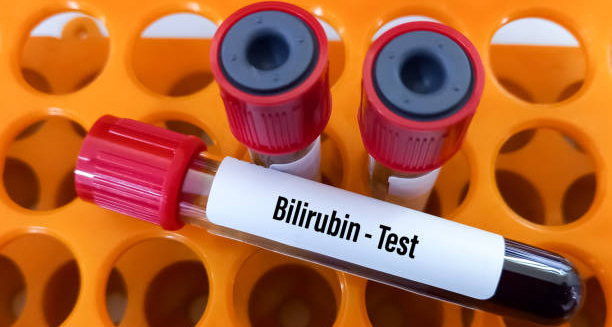
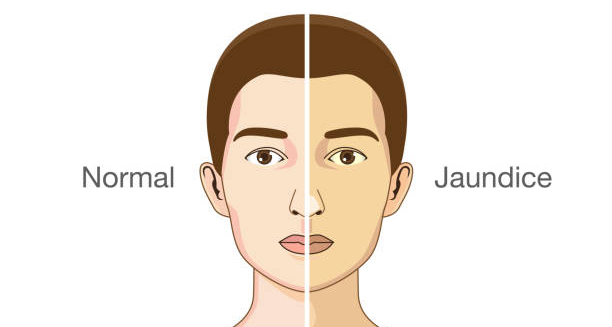
Diagnosis of Glandular Fever The diagnosis of glandular fever is based on a combination of clinical symptoms, physical examination, and specific laboratory tests. Because glandular fever shares symptoms with many other illnesses, accurate diagnosis requires careful evaluation, especially when the patient presents with a sore throat, swollen lymph nodes, and persistent fatigue. Early diagnosis is important to manage the condition appropriately, advise on recovery time, and prevent complications such as spleen rupture. Fortunately, a number of simple blood tests can help confirm the presence of Epstein-Barr virus (EBV) or the immune system’s response to it. Initial Clinical Assessment Doctors typically begin by reviewing the patient’s: Age (most cases occur between 15–25) Recent exposure to someone with similar symptoms Lifestyle habits (e.g., close contact, shared utensils, kissing) Current symptoms, including: Duration of sore throat and fatigue Swollen glands Appetite and sleep quality Any rashes or antibiotic use Physical examination usually reveals: Red or swollen tonsils, often with white exudate Swollen lymph nodes in the neck and possibly elsewhere Fever Occasionally, an enlarged spleen or liver tenderness If these findings are consistent with glandular fever, further testing is ordered to confirm the diagnosis. Blood Tests Several blood tests help confirm glandular fever and exclude other causes of similar symptoms. 1. Monospot Test (Heterophile Antibody Test) Detects antibodies that appear in response to EBV Usually becomes positive within one week of symptom onset Quick, inexpensive, and widely available However, it may be: Negative early in infection Less reliable in children under 12 Occasionally false positive due to other conditions 2. Full Blood Count (FBC) Glandular fever often causes: Elevated white blood cells, especially atypical lymphocytes Mild anaemia or low platelet count in some cases The presence of >10% atypical lymphocytes supports the diagnosis strongly. 3. Liver Function Tests (LFTs) Many individuals with glandular fever show: Mildly elevated liver enzymes (ALT, AST) In rare cases, jaundice or hepatitis-like symptoms These abnormalities are usually temporary and resolve without treatment. 4. EBV-Specific Serology If the monospot test is negative or inconclusive, EBV serology is more specific. It measures: IgM antibodies to viral capsid antigen (VCA) – indicates recent infection IgG antibodies to VCA – indicates past infection or long-term immunity EBNA antibodies – appear several weeks post-infection and confirm previous exposure The combination of these markers can determine whether the infection is: Acute (recent) Past or resolved Unlikely to be EBV-related Differential Diagnosis Many other illnesses can mimic glandular fever, including: Streptococcal tonsillitis Cytomegalovirus (CMV) infection HIV (acute seroconversion) Toxoplasmosis Viral hepatitis Each of these conditions may cause similar symptoms, but blood testing helps differentiate them. In children, mild EBV infections may be mistaken for flu or general viral illness. Imaging and Other Investigations Imaging is rarely needed, but an ultrasound may be performed if: There is concern about splenic enlargement The patient reports persistent abdominal pain There is suspicion of liver or gallbladder involvement In hospital settings, imaging may be used to exclude other causes of lymph node swelling, such as lymphoma. When to Repeat Testing Occasionally, early tests may be inconclusive. Repeat testing is advised if: Symptoms persist beyond two weeks without improvement Initial tests are negative but symptoms strongly suggest EBV The patient is immunocompromised or at risk of complications In most cases, the diagnosis becomes clearer as the illness progresses. Importance of Accurate Diagnosis Confirming glandular fever allows: Avoidance of unnecessary antibiotics Guidance on rest and return to school or work Education about avoiding contact sports due to spleen enlargement Monitoring for complications, such as hepatitis, anaemia, or secondary infections Misdiagnosis can lead to inappropriate treatment or unnecessary concern. For instance, mistaking EBV-related sore throat for bacterial tonsillitis may result in antibiotics, which not only don’t help but may cause a rash. Conclusion | Diagnosis of Glandular Fever The diagnosis of glandular fever involves recognising the clinical signs and confirming them with specific blood tests. Early detection ensures better management, appropriate activity restrictions, and reassurance for the patient. With time, most individuals recover completely, and complications are rare when the illness is correctly diagnosed and managed. [Next: Treatment of Glandular Fever→]